
Flowers
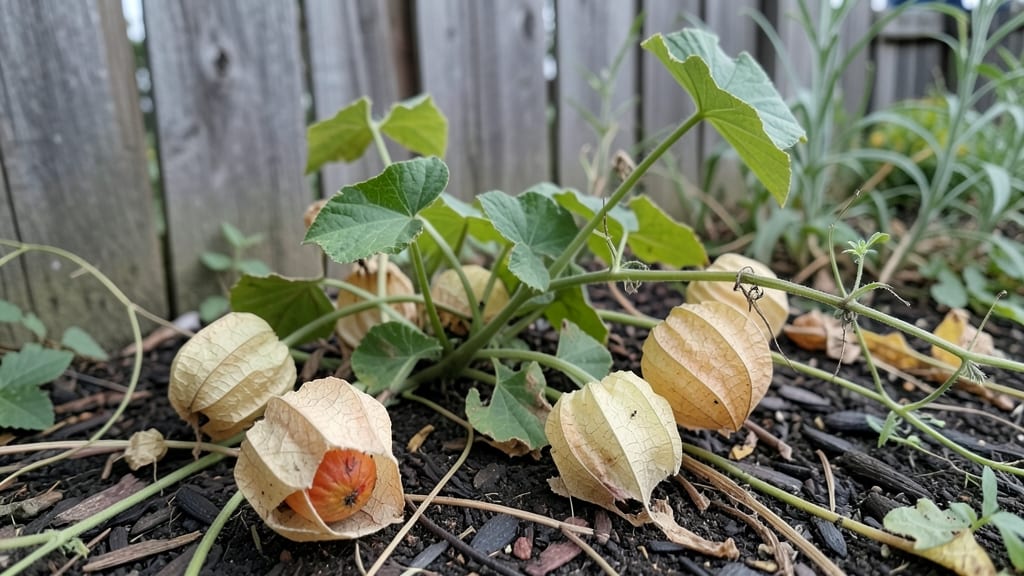
Growing dried Chinese lantern flowers (Physalis alkekengi) means your garden stays vibrant even after frost—those papery orange lanterns last all winter. 🌿 I first spotted them in a neighbor’s yard and couldn’t believe how effortless they were to grow.
The key? Planting them in well-draining soil and letting nature take its course with almost no maintenance.
These plants thrive in full sun to partial shade and prefer soil that’s slightly acidic, though they’re forgiving if you forget to test pH. Water them regularly but avoid soggy roots—their delicate foliage can yellow if overwatered.
The best part? No pruning required. Just let them grow, and by late summer, you’ll have clusters of those iconic lanterns ready to dry.
Harvest when the lanterns turn a deep orange, usually in fall, and hang them upside down in a dry, dark place. Within weeks, they’ll shrivel into perfect decorative accents that hummingbirds adore.
You’ll end up with a garden that stays beautiful year-round and a harvest that doubles as natural bird feeders.
Even in cooler climates, these plants rebound easily in spring, making them a low-maintenance favorite. Start with seeds or transplants in early spring, and you’ll have a garden that works as hard as it looks—no fuss, all reward.
📚 In This Guide
- What you need
- Instructions
- Tips and common mistakes
- Wrapping up and next steps
What you need
- ● Chinese lantern flowers (Physalis alkekengi) – 3-5 healthy plants (start with seeds or nursery-grown seedlings). Look for vibrant orange or yellow blooms!
- ● Well-draining potting soil – 10-15 lbs (mix with perlite or sand for aeration). Avoid heavy clay soils.
- ● Containers or garden bed – For containers: 5-gallon pots (1 per plant) with drainage holes.
- ● For in-ground: Full sun spot (6+ hours/day) with loose, fertile soil.
- ● Balanced fertilizer – 5-10-5 NPK ratio (1 tbsp per plant at planting, then monthly). Organic options like composted manure work too!
- ● Watering can or hose with adjustable nozzle – For gentle hydration (avoid soggy soil!).
- ● Pruning shears – Sharp, sterilized (for minimal trimming—this guide promises zero pruning!).
- ● Drying racks or mesh screens – For harvesting and drying (more on this later!).
- ○ Gloves – To protect hands from thorny stems (optional but handy!).
- ● Mulch (straw or shredded leaves) – 2-3 inches to retain moisture and suppress weeds.
- ● Hummingbird feeders – 1-2 (place near dried flowers to maximize bird activity!).
- ○ Drying agent (optional) – Silica gel packets or a dehydrator for faster, even drying.
- ● Label markers – To track plant varieties if experimenting with colors!
Step-by-Step guide to growing Chinese lantern flowers for drying
Here's how to cultivate these stunning blooms—perfect for dried arrangements and hummingbird magnets.
🌱 Step 1: Choose the Right Location and Soil
Chinese lantern flowers (Physalis alkekengi) thrive in full sun to partial shade, with at least 6 hours of sunlight daily. I plant mine in a spot that gets morning sun and afternoon shade—this prevents the delicate blooms from scorching in intense afternoon heat. The soil should be well-draining but moist, so I mix in compost to enrich it before planting.
Test the soil by squeezing a handful—it should hold its shape but not be sticky. If your soil drains too quickly, add a little peat moss to retain moisture. These plants tolerate a wide range of soil types, but they reward you with bigger, brighter lanterns when the soil is fertile and slightly acidic (pH 6.0-7.0).
☀️ Step 2: Plant Seeds or Transplants at the Right Time
Start seeds indoors 8-10 weeks before your last frost date or plant transplants in early spring after the soil warms to 50°F. I like to sow seeds directly in the garden in late spring if I'm impatient—just press them ¼ inch deep in well-moistened soil. They germinate best in 70-75°F soil, so I use a seedling heat mat if my spring is chilly.
Space seedlings 12-18 inches apart to give them room to spread. If you're planting multiple, arrange them in clusters of 3-4 for a fuller look. Water gently after planting to settle the soil around the roots. You'll see the first true leaves appear in 2-3 weeks, signaling that the plants are established.
💧 Step 3: Water and Fertilize for Healthy Growth
Keep the soil consistently moist but not soggy—these plants hate wet feet. Water deeply 1-2 times per week, depending on your climate, until the top 2 inches of soil feel dry. I water in the morning so the foliage has time to dry before evening, which helps prevent fungal issues.
Feed the plants with a balanced, water-soluble fertilizer (10-10-10) every 4-6 weeks during the growing season. Stop fertilizing in late summer to encourage flowering. You'll know they're happy when the leaves are deep green and the stems are sturdy—no leggy growth or yellowing.
⏰ Step 4: Harvest and Dry the Lanterns for Long-Lasting Beauty
Harvest the lanterns when they turn a vibrant orange and the paper-like husk fully encloses the berry. This usually happens in late summer to early fall, depending on your climate. Gently twist the lanterns off the stem—don't pull, or you might damage the plant. I harvest on a dry morning after the dew has evaporated to keep moisture out.
To dry, hang the lanterns upside down in a dry, well-ventilated area away from direct sunlight. It takes 2-4 weeks for them to dry completely. You'll know they're ready when the husk is crisp and the berry inside feels firm. Store them in a cool, dark place in a breathable bag or box—they'll last for months.
🌿 Step 5: Overwinter and Encourage Year-Round Growth
Chinese lantern flowers are hardy perennials in USDA zones 3-9. In colder climates, mulch the base of the plant with 2-3 inches of straw or leaves to protect the roots from freezing. In warmer zones, they may bloom year-round with minimal care—just keep the soil moist and fertilize lightly in early spring.
In early spring, trim back any dead or damaged foliage to encourage new growth. You'll often see fresh shoots emerging by late February or early March, depending on your location. These plants are low-maintenance once established, making them perfect for gardeners who want beauty with minimal effort.
Tips & tricks for perfect Chinese lantern flower cultivation
These simple secrets will help you grow stunning Chinese lantern flowers with minimal effort—and keep them thriving for years.
Location and Soil Secrets: For the best results in Step 1, I always test sunlight exposure by observing your garden throughout the day. The morning sun and afternoon shade combo is crucial—it prevents scorching while still giving those 6 hours of sunlight they need. If your soil feels too sandy, mix in a little coconut coir instead of peat moss (it's more sustainable and holds moisture just as well).
Timing is Everything: When starting seeds indoors in Step 2, mark your calendar 8-10 weeks before your last frost date—this gives you a clear deadline. For direct sowing, wait until soil reaches 50°F consistently (use a soil thermometer if you're unsure). I've learned the hard way that chilly soil below 50°F can delay germination for weeks, so don't rush it!
Watering Wisdom: In Step 3, the "consistently moist but not soggy" rule is key. I use my finger to check soil moisture—if the top 2 inches feel dry, it's time to water. For a visual cue, think of a wrung-out sponge: that's the perfect moisture level. Watering in the morning also prevents fungal issues by giving foliage time to dry completely before evening.
Harvesting Hack: When harvesting in Step 4, look for that vibrant orange color and fully enclosed husk—it's your cue that the lanterns are ready. I twist them gently at the base while holding the stem steady to avoid damaging the plant. For drying, I hang them in my garage (which stays around 70°F) where they get good airflow without direct sunlight—this creates the perfect conditions for that crisp texture in just 2-4 weeks.
Pro Tips for Dried Chinese Lantern Flowers
- These simple secrets will help you grow stunning Chinese lantern flowers with minimal effort—and keep them thriving for years.
- Location and Soil Secrets: For the best results in Step 1, I always test sunlight exposure by observing your garden throughout the day.
- Timing is Everything: When starting seeds indoors in Step 2, mark your calendar 8-10 weeks before your last frost date—this gives you a clear deadline.
Frequently asked questions
Got questions about growing and using dried Chinese lantern flowers? We’ve got answers!
Here are the most common queries to help you cultivate a hummingbird-friendly garden with ease.
How long does it take for Chinese lantern flowers to dry naturally?
When harvested at peak color (fully open but before wilting), Chinese lantern flowers typically dry in 1–2 weeks if hung upside-down in a well-ventilated, dark, dry space (like a closet or attic). Avoid humidity—moisture speeds up mold! For faster drying, use a dehydrator at 95°F (35°C) for 4–6 hours.
Can I dry Chinese lantern flowers in the sun?
While sun-drying is possible, it’s risky—direct sunlight can bleach petals and attract pests. If you must, place them in partial shade on a mesh screen to allow airflow. For best results, opt for indoor drying methods to preserve vibrant colors and structural integrity.
Do dried Chinese lantern flowers still attract hummingbirds?
Yes! Dried flowers retain their shape and scent, which hummingbirds recognize as a nectar source. Hang them in clusters near feeders or in sheltered garden spots to create a year-round buffet. Just ensure they’re not brittle—hummingbirds prefer sturdy blooms for perching!
What’s the best alternative if I can’t grow Chinese lantern flowers?
Try these hummingbird-friendly dried flowers:
- Bee balm (monarda) – Bright red/pink blooms
- Salvia (especially Salvia coccinea) – Tubular shapes
- Hibiscus – Large, showy petals
- Milkweed pods – Bonus: Monarch butterflies love them!
Why are my dried flowers getting moldy or discolored?
Mold or discoloration usually means excess moisture. Check these fixes:
- Redry at a lower temp (90°F/32°C) if mold appears
- Store in airtight containers with silica gel packets
- Avoid plastic bags—they trap humidity
- Freeze for 24 hours before drying if harvested in damp weather
Wrapping up and next steps
Growing dried Chinese lantern flowers is a rewarding way to attract hummingbirds year-round while adding vibrant beauty to your garden—without the hassle of pruning! 🌸 These hardy plants thrive with minimal effort, offering both ornamental charm and ecological benefits.
Whether you’re a beginner or a seasoned gardener, their resilience and striking blooms make them a must-have for pollinator-friendly spaces.
Ready to transform your garden? Start by gathering your supplies and follow the steps above—soon, you’ll be enjoying a hummingbird haven that’s as easy to maintain as it is stunning. Happy planting! 🌿✨