
Flowers
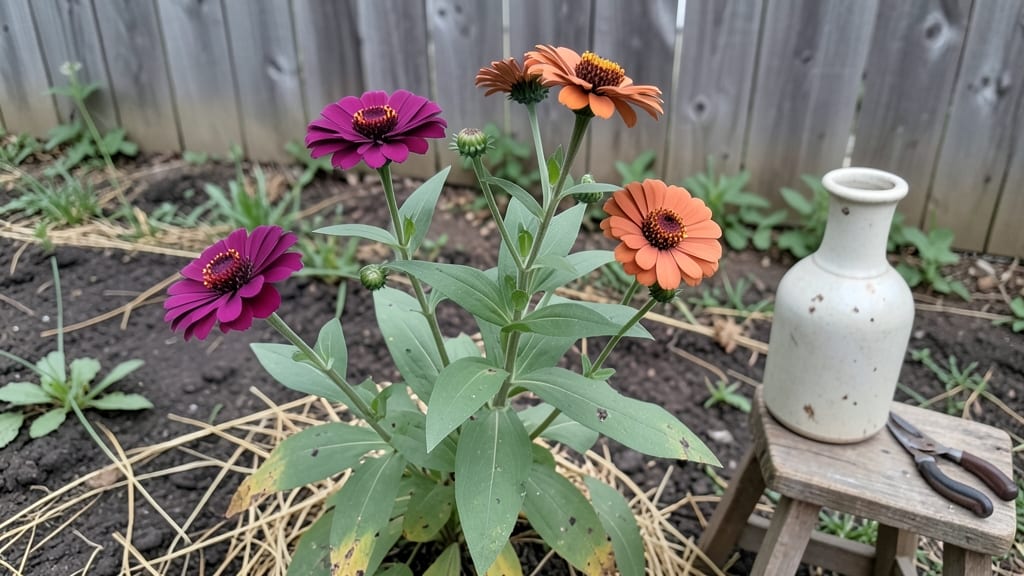
Zinnias bring two weeks of bold color to your arrangements—no other flower delivers that much punch for so long. 🌻 I’ve used them to transform simple bouquets into showstoppers, and the secret isn’t just their vibrant hues but how they hold up against wilting.
Their petals stay crisp longer than roses or dahlias, making them the workhorse of summer floristry.
Start with a mix of zinnias in complementary colors—think deep reds with creamy whites or sunny yellows with dusty purples. Pair them with foliage like eucalyptus or dusty miller for texture, and you’ll get arrangements that feel lush without needing fancy techniques.
Even beginners can master this because zinnias forgive mistakes—droopy stems? Just trim them and they bounce back.
What you’ll end up with are arrangements that pop in vases, wreaths, or garden borders—imagine a rustic wooden bucket overflowing with zinnias and snapdragons, or a centerpiece that steals the show at dinner parties. The best part? They’re budget-friendly, drought-tolerant, and bloom nonstop from summer through fall.
Whether you’re filling a cutting garden, dressing up containers, or creating dried arrangements for winter, zinnias adapt effortlessly. Try swapping a few stems for dried lavender later in the season, and you’ll have a year-round color story that’s as easy as it is stunning.
📚 In This Guide
- What you need
- Instructions
- Tips and common mistakes
- Wrapping up and next steps
What you need
- ● Zinnias: 12–20 stems (mix varieties for texture—try Benary’s Giant, Profusion, or Crystal series for long-lasting blooms).
- ● Floral foam: 1 block (size depends on vase—standard 6"x6"x4" for small arrangements).
- ● Water: Clean, room-temperature (fill foam or vase before arranging).
- ○ Floral preservative: 1 packet (optional but highly recommended for longevity—extends vase life by 3–5 days!).
- ● Sharp floral shears: 1 pair (clean blades prevent crushing stems).
- ● Vase or container: 1 (glass, ceramic, or even a mason jar—choose width/height to match your design).
- ● Floral tape or rubber bands: 1 roll (to secure stems in bundles).
- ○ Greenery fillers (optional): 3–5 stems of eucalyptus, baby’s breath, or salal for contrast.
- ○ Decorative elements (optional): Pinecones, dried flowers, or ribbon for a rustic/chic touch.
- ● 🌡️ Trim stems: Cut at a 45° angle underwater to maximize water absorption.
- ● 🎯 Remove leaves: Strip lower foliage that’ll sit in water to prevent bacteria.
- ● ✨ Pre-treat zinnias: Soak stems in warm water + preservative for 1–2 hours before arranging for extra vibrancy.
Step-by-Step instructions for crafting long-lasting zinnia flower arrangements
Zinnias bring bold color and durability to any arrangement—here’s how to make them last two full weeks while keeping their vibrancy intact.
🌱 Step 1: Harvest Zinnias at Peak Freshness
Cut zinnias early in the morning when buds are just beginning to open—this ensures maximum water uptake and longevity. Use clean, sharp scissors or pruners to avoid crushing stems, and snip at a 45-degree angle about 2 inches above a leaf node. This angled cut increases surface area for water absorption, which is critical for arrangements that last.
Select stems with fully opened blooms and a few buds still closed—this staged opening creates visual interest as the arrangement matures. Avoid overripe flowers or those with brown edges, as they’ll shorten the overall vase life. I like to harvest zinnias when the morning dew has dried but before the heat of the day sets in, as this preserves their crispness.
💧 Step 2: Prep Stems for Maximum Hydration
Strip the lower leaves from each stem, removing anything that will sit below the waterline in your vase. Crowded foliage breeds bacteria and speeds up decay. Hold each stem under lukewarm water for about 30 seconds to rehydrate the cut ends—this helps them drink up water immediately after arranging. Trim the stems again by ½ inch just before placing them in the vase to refresh the cut and encourage fresh water uptake.
For extra longevity, add a commercial floral preservative or make your own by mixing 1 teaspoon sugar, 1 teaspoon bleach, and 1 quart of warm water. This solution feeds the flowers, disinfects the water, and prevents bacterial growth, which is the #1 enemy of long-lasting arrangements. I always use a clean vase or container—even a slight residue of soap or detergent can clog stems and shorten vase life.
☀️ Step 3: Design for Balance and Airflow
Start by placing the largest, most dominant zinnias first—these become the focal points of your arrangement. Space them evenly around the vase, leaving room for smaller stems to fill in gaps. Zinnias thrive in loose, natural groupings, so don’t overcrowd. Aim for 3-5 stems per vase for a single-stemmed look, or 10-15 stems for a full, lush arrangement. The key is to create a sense of movement and depth, not a rigid, symmetrical shape.
Mix zinnias with complementary flowers like dahlias, snapdragons, or celosia for texture and contrast, but keep the zinnias as the star. Avoid pairing them with heavy-headed flowers like roses, which can weigh down the stems and cause the arrangement to flop. Once the stems are placed, gently twist and turn them to create a natural, organic look—this prevents the arrangement from looking too stiff or artificial.
🪴 Step 4: Maintain Water and Light for Longevity
Change the water every 2-3 days, or whenever it looks cloudy or develops an unpleasant odor. Top off the vase with fresh water daily to keep stems hydrated. Place your arrangement in a spot with bright, indirect light—direct sunlight can cause the petals to fade faster, while dim light slows the blooming process. A cool room (around 65-70°F) also extends vase life, so avoid placing arrangements near heat sources like radiators or sunny windows.
To encourage zinnias to open fully, trim the stems again by ½ inch every 2 days and refresh the water. This simple step removes any bacteria that may have built up in the stems and keeps the flowers drinking optimally. If you notice buds opening unevenly, gently separate petals that are sticking together by running your fingers along the edges—this prevents misshapen blooms and keeps the arrangement looking fresh.
✂️ Step 5: Extend Life with Strategic Pruning
As zinnias begin to wilt, don’t toss the entire arrangement. Instead, trim off the faded blooms and any leaves that have fallen below the waterline. This keeps the remaining flowers focused on hydration and prevents bacterial buildup. You can even revive a drooping zinnia by placing its stem in a glass of fresh water for a few hours—many will perk up and continue blooming for another day or two.
To keep your zinnias looking their best, rotate the vase ¼ turn daily. This ensures even exposure to light and prevents the arrangement from developing a "lopsided" look as some stems lean toward the light. With these care steps, your zinnia arrangements will stay vibrant and fresh for up to 2 weeks, making them one of the most reliable cut flowers for long-lasting color.
Tips & tricks for perfect zinnia arrangements that last
Here's what nobody tells you about making zinnias last their full two-week potential—these are the secrets that keep arrangements vibrant and fresh.
Timing is Everything: In Step 1, harvesting zinnias when morning dew has dried but before midday heat is critical. This timing prevents wilting and preserves the crispness that translates to longer vase life. I've found that harvesting between 7-9 AM gives me the best results—any later and the stems start to lose moisture faster. The 45-degree angle cut isn't just about aesthetics; it creates a larger surface area for water absorption, which is what keeps those bold zinnias perky for weeks.
Hydration Hack: The 30-second lukewarm water soak in Step 2 is often skipped, but it's a game-changer. This brief rehydration jumpstarts the flowers' water uptake immediately after cutting. For even better results, I add a splash of apple cider vinegar to the water—just 1 teaspoon per quart. The acidity helps prevent bacterial growth in the vase water, which is the #1 reason arrangements wilt prematurely. This simple step can add an extra 3-4 days to your zinnias' life.
Design Secret: When arranging in Step 3, think about the "rule of thirds" for placement. Instead of centering your largest zinnias, place them off-center to create visual interest. The natural looseness of zinnia arrangements works best when stems aren't crowded—aim for about 1-2 inches between stems. This airflow prevents moisture buildup that leads to bacterial growth. I also like to weave stems together rather than just placing them side by side—this creates a more organic, fuller look that feels more natural and lasts longer.
Light and Temperature: The ideal 65-70°F range mentioned in Step 4 is perfect, but here's the thing about light: indirect light is key, but not all indirect light is created equal. North-facing windows provide the best conditions—east or west windows can get too hot in afternoon/evening. If you must place arrangements in direct light, move them back from the window by at least 3 feet. Heat from windows accelerates petal fading, even if it's indirect sunlight. I've seen arrangements last nearly 3 weeks when kept in consistently cool, dimly lit spaces like basements or interior rooms.
Pro Tips for Flower Arrangements With Zinnias
- Here's what nobody tells you about making zinnias last their full two-week potential—these are the secrets that keep arrangements vibrant and fresh.
- Timing is Everything: In Step 1, harvesting zinnias when morning dew has dried but before midday heat is critical.
- Hydration Hack: The 30-second lukewarm water soak in Step 2 is often skipped, but it's a game-changer.
Frequently asked questions
Got questions about creating stunning flower arrangements with zinnias? You’re not alone! Here are answers to the most common queries to help you craft arrangements that pop—and last.
How long do zinnias last in arrangements?
With proper care, zinnias can last 10–14 days in a vase! Trim stems at an angle, change the water every 2–3 days, and keep them in a cool spot (but not refrigerated). Avoid direct sunlight, which can cause wilting. For extra longevity, add a drop of bleach or floral preservative to the water.
Can I mix zinnias with other flowers?
Zinnias pair beautifully with dahlias, sunflowers, snapdragons, or eucalyptus for texture and contrast. For a soft look, combine them with babys’ breath or solidago. Avoid overpowering them with too many delicate blooms—their bold colors should shine! Experiment with odd-numbered arrangements for a dynamic vibe.
How do I make zinnias last longer in a bouquet?
Follow these quick tips to extend their life:
- Trim stems at a 45-degree angle before arranging.
- Use lukewarm water (not cold) to hydrate them faster.
- Remove lower leaves submerged in water to prevent bacteria.
- Avoid heat sources like radiators or direct sunlight.
- Add 1 tsp sugar + 1 drop bleach to the water for nourishment.
What’s the best way to store zinnias before arranging?
Store zinnias stem-down in a bucket of cool water (50–55°F) in a dark, draft-free space. If you can’t arrange them immediately, wrap stems in a damp paper towel and place in a plastic bag in the fridge for up to 3 days. Avoid ethylene-producing fruits (like apples) nearby—they speed up wilting!
What do I do if my zinnias wilt quickly?
Wilting often means poor hydration or bacterial buildup. Try these fixes:
- Recut stems and place in fresh, cool water.
- Clean the vase with soap and rinse thoroughly.
- Strip lower leaves to prevent rot.
- Move to a cooler spot (e.g., away from a sunny window).
- Use a floral preservative to boost longevity.
Bonus Tip:
For arrangements that last even longer, try the “dry hydrangea hack”: Place a few drops of dish soap in the water to reduce surface tension and help stems absorb moisture better. Works like magic!
Wrapping up and next steps
Zinnias bring vibrant color, long-lasting beauty, and effortless charm to any flower arrangement—whether you're a seasoned florist or a first-time crafter. Their durability and bold hues make them perfect for weddings, home décor, or even simple bouquets that brighten up your space for two weeks or more. 🌸
Now that you’re armed with tips, techniques, and answers to common questions, it’s time to get creative! Gather your zinnias, experiment with textures, and craft arrangements that reflect your unique style. Which design will you try first? Happy arranging!