
Flowers
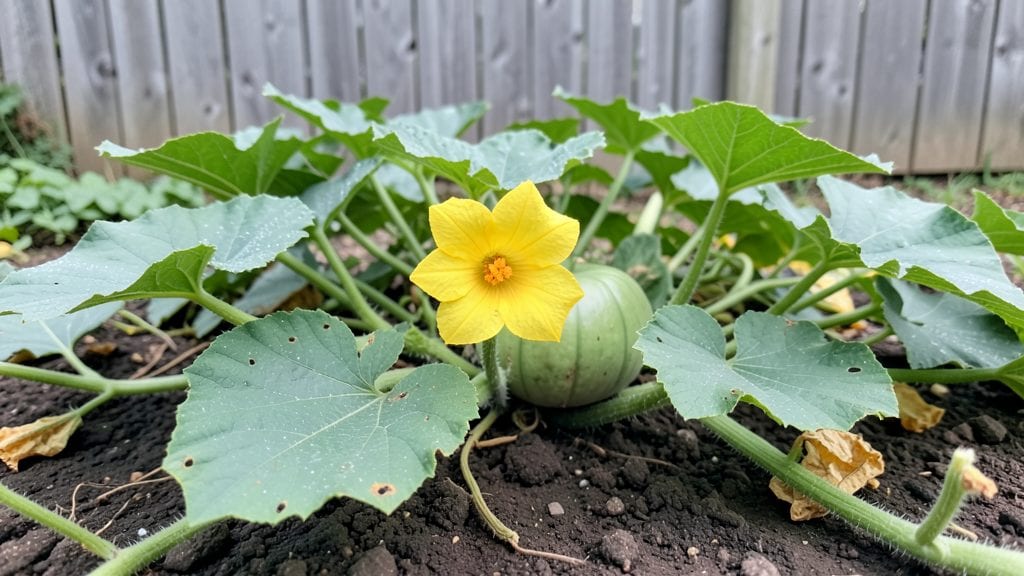
Those delicate, edible pumpkin flowers are the secret weapon of summer gardens—bold vines that produce both showstopping blooms and the pumpkins you’ll carve later. 🌻 I’ve grown them for years, and the first time I tasted a fresh blossom fried in butter, I knew I’d never skip planting them again.
The key is treating them like the dual-purpose stars they are: give them space, sun, and patience, and they’ll reward you with a harvest of both beauty and food.
The best part? They thrive in the same conditions as regular pumpkins but with one major advantage: you can eat the flowers before they turn into fruit. Start with full sun (6+ hours daily) and well-draining soil—amend with compost if yours is heavy clay.
Vines sprawl 10-20 feet, so plan for trellises or give them room to roam. Plant seeds after your last frost, and watch those first blossoms appear in 6-8 weeks.
By midsummer, you’ll have a garden full of vibrant yellow-orange flowers that last just one day—perfect for frying, stuffing, or garnishing. The vines keep producing for months, so you’ll have fresh blooms for salads, cocktails, or decorative arrangements.
Even better? The more you pick flowers, the more pumpkins the plant focuses on growing. It’s a win-win.
Works in containers for small spaces (choose compact varieties like ‘Jack Be Little’) or as a bold border plant. Just avoid overcrowding—these vines need elbow room to shine. Let’s get those seeds in the ground!
📚 In This Guide
- What you need
- Instructions
- Tips and common mistakes
- Wrapping up and next steps
What you need
- ● Pumpkin Seeds: Choose Cucurbita pepo varieties like ‘Jack Be Little’ or ‘Delicata’ (edible flowers and fruit). Start with 3–5 seeds per plant (or 1–2 per pot if container-growing).
- ● Well-Draining Soil: A mix of 60% garden soil, 30% compost, and 10% perlite/sand (pH 6.0–6.8). Avoid heavy clay.
- ● Sunlight: Full sun (6–8+ hours daily). A south-facing spot is ideal!
- ● Water: 1–2 gallons per plant during dry spells (keep soil moist but not soggy).
- ● Fertilizer: At planting: 5-10-10 fertilizer (1 tbsp per hole).
- ● After flowering: Organic compost tea or fish emulsion (every 2–3 weeks).
- ● Garden Trowel (for transplanting seedlings).
- ● Pruning Shears (to trim vines and encourage bushier growth).
- ● Garden Gloves (pumpkin vines can be prickly!).
- ○ Trellis or Cage (Optional): 4–6 ft tall to support vines and flowers (saves space!).
- ○ Mulch (Optional): Straw or shredded leaves (2–3 inches deep) to retain moisture and suppress weeds.
- ● Pest Control: Neem oil spray (for aphids/cucumber beetles).
- ● Row covers (to protect young plants from pests).
- ● Timing: Start seeds indoors 2–4 weeks before last frost (or direct-sow after soil warms to 60°F+).
- ● Space: Vines spread 3–5 ft wide (or more if unchecked!). Plan for 50+ sq ft per plant.
- ● Patience: Flowers appear 60–90 days after planting (fruit takes longer!).
How to grow pumpkin flowers for edible blooms and fruit
Here's how I grow pumpkins that produce both stunning flowers AND fruit—no fancy tricks, just reliable techniques.
🌱 Step 1: Choose the Right Variety and Plant After Frost
Select a compact, bush-type pumpkin variety like 'Jack Be Little' or 'Sugar Pie'—they produce flowers earlier and stay manageable in smaller spaces. Plant seeds 1-2 inches deep in well-draining soil when nighttime temperatures stay above 55°F (usually 2-3 weeks after your last frost date).
I always plant seeds directly in the garden—pumpkins hate transplanting. Space them 4-6 feet apart in rows 6 feet apart to give vines room to sprawl. The reason for this spacing? Pumpkin flowers need good airflow to prevent mildew, and vines will spread 10-15 feet if left unchecked.
☀️ Step 2: Provide Full Sun and Consistent Water
Pumpkin vines need 6-8 hours of direct sun daily—no compromises here. If your garden gets less, choose a south-facing spot with no shade after 10 AM. I water deeply 2-3 times per week once vines start running, aiming for 1-2 inches of water per week. You'll know you're doing it right when the soil feels damp 2 inches down but not soggy.
Here's the thing—pumpkins are thirsty but hate wet feet. Mulch around plants with 2-3 inches of straw to keep soil moist and cool. Watch for wilting leaves in the afternoon; that's your signal to water immediately. The first flowers appear 45-60 days after planting, but don't expect fruit until 75-90 days.
💧 Step 3: Hand-Pollinate Flowers for Better Fruit Set
Pumpkin flowers open in the morning and close by afternoon—this is your 2-hour window to pollinate. Use a small paintbrush or cotton swab to transfer pollen from male flowers (long stem, no bulb at base) to female flowers (small pumpkin-shaped bulb at base). I do this every 2-3 days once flowers start appearing.
You'll see female flowers first, but they won't develop fruit without male pollen. Look for male flowers opening first—they're easier to spot with their long stems. Once you see 3-5 female flowers with bulbs, you're on track for fruit. Real talk: even with hand-pollination, some flowers won't set fruit, but you'll still get plenty of edible blossoms.
✂️ Step 4: Prune for Airflow and Harvest Flowers Daily
Prune vines to improve airflow and direct energy to fruit-bearing sections. Remove any leaves touching the soil to prevent rot, and cut back side shoots that aren't producing flowers. I leave the main vine intact but trim aggressive runners that spread too far—this keeps energy focused on the plant's center.
Harvest flowers in the morning when they're fully open but still tender. Use clean scissors to cut the stem just above a leaf node. You'll get 2-3 weeks of daily blooms before fruit development takes over. Here's the trick: use harvested flowers in recipes immediately or refrigerate them in a paper towel-lined container for 2-3 days—they wilt fast once picked.
🪴 Step 5: Maintain Through Fruit Development
Once fruit starts forming, reduce watering slightly to 1 inch per week—too much water causes the fruit to split. Keep the soil consistently moist but never waterlogged. You'll know you're doing it right when the pumpkin's skin turns hard and the stem dries slightly.
Watch for squash vine borers by checking the undersides of leaves for sawdust-like frass. If you see it, wrap the base of the vine with aluminum foil to deter egg-laying. With proper care, you'll have both edible flowers and pumpkins ready to harvest in 90-110 days. Save seeds from your best pumpkins for next year's planting!
Tips & tricks for perfect pumpkin flower cultivation
These simple tricks will help you maximize both edible flowers and fruit from your pumpkin plants without any extra fuss.
Variety Selection Tip: While 'Jack Be Little' and 'Sugar Pie' are great choices, consider 'Cinderella' pumpkins if you want even more flowers. This variety produces abundant blossoms that are perfect for eating, and the fruit is small enough to use as decorative gourds. The key is choosing varieties bred for both beauty and edibility—don't settle for just any pumpkin seeds from the store!
Planting Strategy: I've found that planting seeds in small hills (about 3 inches high) rather than flat in the soil helps with drainage and prevents rot, especially in cooler climates. This simple elevation trick gives young plants a head start. Also, mark your planting spots with small stakes—those 4-6 feet spacing requirements can be easy to forget once vines start spreading!
Sunlight Secret: The 6-8 hours of direct sun requirement is non-negotiable, but here's what I've learned: morning sun (before 10 AM) is more critical than afternoon sun. If you must compromise, prioritize morning sunlight. I've seen plants thrive with partial afternoon shade in hot climates, but they still need that full morning sun to set flowers properly.
Pollination Pro Tip: For the 2-hour morning pollination window, I set a timer on my phone as a reminder. The flowers close quickly, so don't dilly-dally! Also, keep a small bowl of water nearby when you're pollinating—it helps clean pollen off your brush between transfers. I've found that pollinating every 2-3 days gives the best results, but if you're busy, even weekly pollination will still produce some fruit (though fewer flowers).
Pro Tips for Flower Of A Pumpkin
- These simple tricks will help you maximize both edible flowers and fruit from your pumpkin plants without any extra fuss.
- Variety Selection Tip: While 'Jack Be Little' and 'Sugar Pie' are great choices, consider 'Cinderella' pumpkins if you want even more flowers.
- Planting Strategy: I've found that planting seeds in small hills (about 3 inches high) rather than flat in the soil helps with drainage and prevents rot, especially in cooler climates.
Frequently asked questions
Got questions about growing and enjoying the flower of a pumpkin? You're not alone! Here are some of the most common queries—plus quick answers to help you cultivate these stunning, edible blooms like a pro.
Can you eat pumpkin flowers, and how do you prepare them?
Pumpkin flowers are delicious and packed with nutrients like vitamin C and fiber. Try them fresh in salads, battered and fried as tempura, or stuffed with cheese and herbs. Simply pluck the blossom gently, rinse it, and use the petals (discard the base). Pro tip: Harvest in the morning for the best flavor!
How long does it take for pumpkin flowers to bloom?
Patience pays off! Pumpkin flowers typically bloom 45–60 days after planting (or 7–10 days after the plant starts vining). If you’re growing from seeds, expect the first flowers to appear mid-summer, depending on your climate. Bonus: Male flowers (with long stems) bloom first, followed by female flowers (with tiny pumpkins at their base).
Why aren’t my pumpkin plants flowering?
No flowers? Don’t panic! Common culprits include insufficient sunlight (pumpkins need 6–8 hours daily), overcrowding, or nutrient deficiencies (especially nitrogen). Try these fixes:
- Move plants to a sunnier spot.
- Thin vines to improve airflow.
- Fertilize with a balanced 10-10-10 formula.
- Water consistently (but avoid soggy soil).
What’s the difference between male and female pumpkin flowers?
Spotting the difference is easy once you know the trick! Male flowers grow on long stems and have no swelling at their base. Female flowers have a tiny pumpkin (the ovary) beneath the blossom. Fun fact: Only female flowers produce pumpkins—but both are edible! Male flowers are often more abundant and great for cooking.
Can I grow pumpkin flowers in containers?
Yes! While pumpkins are vining plants, bush varieties (like Jack Be Little) thrive in containers with at least 5-gallon pots and trellises. Use well-draining soil, place in full sun, and expect smaller blooms (but still plenty for eating!). Warning: Containers dry out faster—water deeply 2–3 times weekly.
Do pumpkin flowers attract bees and other pollinators?
You bet! Pumpkin flowers are a magnet for bees, butterflies, and hummingbirds—making them a pollinator-friendly powerhouse. To boost pollination, plant companion flowers like marigolds or nasturtiums nearby. Pro tip: If you’re hand-pollinating (for greenhouse growing), use a paintbrush to transfer pollen from male to female flowers!
Wrapping up and next steps
Growing a flower of a pumpkin is a rewarding journey that blends beauty, function, and a touch of whimsy into your garden! Whether you’re drawn to edible blooms, vibrant vines, or the joy of harvesting both flowers and fruit, these plants deliver big results with minimal fuss. 🌻
Ready to dive in? Start by sketching your garden plan—mark where the pumpkin vines will sprawl, and pair them with complementary plants like nasturtiums or marigolds for a stunning display. Then, grab your seeds, roll up your sleeves, and let nature do the rest. Happy gardening!