
Shrubs
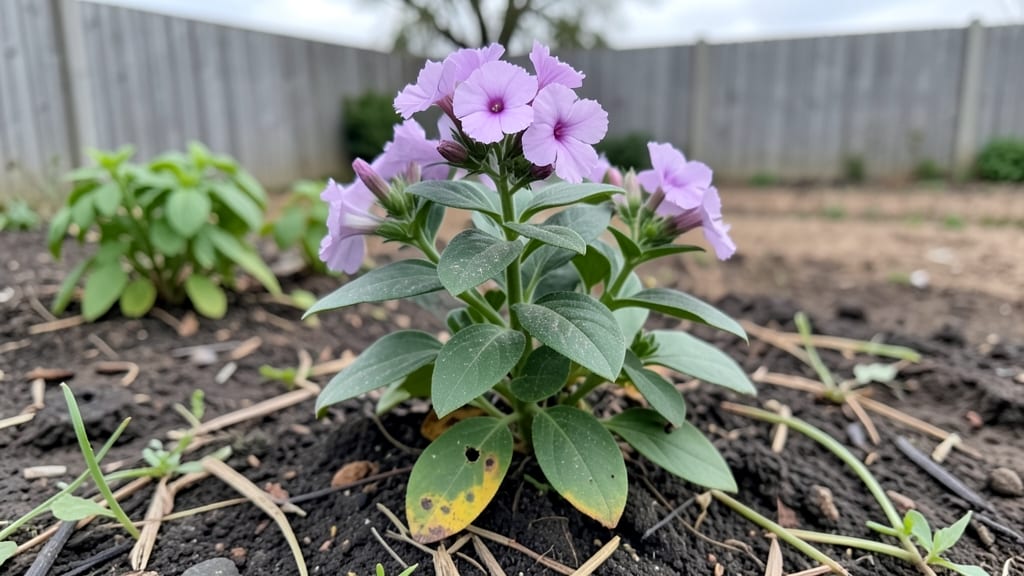
Flowering vinca annuals turn Pacific Northwest gardens into buzzing pollinator hotspots with their sun-drenched, drought-tolerant blooms. 🌸 I planted mine last spring after seeing how effortlessly they thrived in my neighbor’s dry border—now they’re the star of my summer containers and borders.
The key isn’t just their resilience but how they attract bees and butterflies while barely asking for water.
Start with well-draining soil—vinca hates soggy roots—and a spot that gets at least six hours of sun daily. Pacific Northwest summers are humid enough that vinca won’t need extra water once established, but young plants appreciate weekly checks.
A light dose of balanced fertilizer in early spring jumpstarts those vibrant flowers, and deadheading spent blooms keeps them coming until frost.
By midsummer, you’ll have a carpet of foliage with clusters of blue, purple, or white flowers that never quit. The plants self-seed minimally, so you can let some go to seed for next year’s volunteers—or pull extras to share with fellow gardeners.
Just remember: vinca’s annual lifecycle means you’ll replant each spring, but the payoff is worth it.
Perfect for borders, containers, or even between stepping stones, vinca’s adaptability makes it a workhorse for low-maintenance gardens. Here’s how to keep yours thriving through our wet springs and dry summers—without the fuss.
📚 In This Guide
- What you need
- Instructions
- Tips and common mistakes
- Wrapping up and next steps
What you need
- ● Flowering vinca seeds or seedlings: Choose Catharanthus roseus varieties suited for your climate (e.g., 'Pacifica Series' for vibrant colors). Buy 50–100 seeds for a full bed or 6–12 plants for containers.
- ● Well-draining potting mix or garden soil: Vinca hates soggy roots! Use a 50/50 blend of potting soil and perlite/sand if amending native soil.
- ● Containers or garden beds: For containers: 5–7" pots per plant (or larger for clusters). Ensure drainage holes!
- ● For garden beds: Full sun (6+ hours/day) and space 12–18 inches apart.
- ○ Slow-release fertilizer (optional but recommended): A 10-10-10 or 14-14-14 blend (follow package rates for drought tolerance).
- ● Hand trowel or transplanting spade (for seedling placement).
- ● Watering can or hose with a gentle spray nozzle (vinca dislikes heavy water pressure).
- ● Pruning shears (for deadheading or shaping—sterilize with rubbing alcohol between cuts!).
- ○ Mulch (optional): 1–2 inches of pine bark or shredded leaves to retain moisture and suppress weeds.
- ● Sun hat & gloves (PNW summers can be hot while working outdoors!).
- ● ✨ Test soil pH: Vinca thrives in slightly acidic to neutral soil (6.0–7.0). Adjust with lime or sulfur if needed.
- ● 🌡️ Heat tolerance hack: In hot PNW summers, water deeply 2–3x/week (early morning) instead of daily shallow watering.
- ● 🎯 Pollinator boost: Plant vinca near bee-friendly companions like lavender or marigolds for a buzzing garden!
Step-by-Step instructions for planting and caring for flowering vinca annual
This hardy annual thrives in the Pacific Northwest’s climate—here’s how to plant it for maximum blooms and pollinator appeal.
🌱 Step 1: Choose the Right Location and Prepare the Soil
Flowering vinca craves full sun—at least 6-8 hours daily—so select a spot that gets unfiltered sunlight, especially in cooler Pacific Northwest mornings. Partial shade works in hotter inland areas, but you’ll sacrifice some of those vibrant blooms. I always test the soil first by squeezing a handful—if it feels tight or clay-heavy, vinca will struggle to establish roots.
Loosen the top 6-8 inches of soil with a garden fork or tiller to break up compaction. Vinca tolerates poor soil but grows best in well-draining, slightly sandy loam. Mix in 2-3 inches of compost to boost nutrients without making the soil too rich—too many nutrients lead to lush foliage but fewer flowers. If your soil is heavy clay, blend in a 50/50 mix of compost and coarse sand to improve drainage.
🪴 Step 2: Plant at the Correct Depth and Spacing
Dig holes twice as wide as the vinca’s root ball but only as deep as the container it came in—planting too deep suffocates the roots. Gently remove the plant from its container, tease the roots if they’re circling, and place it in the hole. The top of the root ball should sit just below soil level—never bury the stem.
Space plants 12-18 inches apart for a full, lush look. I like to plant in a staggered pattern (like bricks) to create a dense, uniform bed that pollinators love. Water deeply right after planting to settle the soil and eliminate air pockets around the roots. You’ll know it’s right when the soil surface looks slightly firm but not rock-hard.
☀️ Step 3: Water Deeply but Infrequently to Encourage Drought Tolerance
Vinca’s drought-proof reputation starts with the right watering routine. After planting, water once a week for the first 2-3 weeks to help roots establish, but always water deeply—aim for 1-2 inches of moisture per week, including rainfall. Let the top 2-3 inches of soil dry out between waterings; you’ll see this when the soil pulls away slightly from the pot or bed edges.
Once established, vinca thrives on neglect. Overwatering is the fastest way to kill it—yellowing leaves or wilting stems are your first signs of too much moisture. In the Pacific Northwest’s rainy season, vinca often needs no supplemental watering at all once roots are deep. Mulch with 2-3 inches of wood chips to retain moisture and suppress weeds, but keep mulch 2 inches away from the stems to prevent rot.
✂️ Step 4: Prune for Bushier Growth and Continuous Blooms
Deadheading spent blooms isn’t just about looks—it signals the plant to produce more flowers. Pinch off faded blossoms with your fingers or snip with clean pruners just above a set of leaves where new growth can emerge. I do this every 2-3 days during peak bloom season (late spring through summer) to keep vinca flowering nonstop.
For a fuller plant, trim back leggy stems in early summer by one-third their length. Cut just above a leaf node where new shoots will sprout. This encourages bushier growth and prevents the plant from looking sparse. Avoid heavy pruning after midsummer—vinca needs time to harden off before fall’s cooler temps arrive.
🌿 Step 5: Monitor for Pests and Adjust Care as Needed
Vinca is famously pest-resistant, but aphids and spider mites occasionally appear in dry spells. Check the undersides of leaves weekly—you’ll spot aphids as tiny green clusters or mites as fine webbing. Blast them off with a strong stream of water or spray with neem oil (mix 1 tsp per quart of water). Avoid chemical pesticides; they harm the pollinators vinca attracts.
If leaves turn yellow, it’s usually overwatering or nutrient burn from too-rich soil. Brown edges? That’s underwatering or salt buildup from tap water. Adjust your routine accordingly—vinca’s tough, but it’ll send you signals when something’s off. In the Pacific Northwest’s mild winters, vinca often self-seeds, so you might find volunteers popping up next spring—just thin them to 12 inches apart for a fresh start.
Tips & tricks for perfect flowering vinca annual planting
These tried-and-true insights will help you transform your Pacific Northwest garden into a vibrant, pollinator-friendly haven with minimal fuss.
Sunlight Strategy: That 6-8 hours of full sun is non-negotiable for peak performance—especially in our region's cooler mornings. I've found that positioning vinca on the south or west side of structures maximizes sunlight exposure while protecting from harsh afternoon winds. If you're working with partial shade, prioritize the eastern side of your garden where morning sun can still reach.
Soil Science: The 6-8 inch soil loosening in Step 1 isn't just about breaking up compaction—it's about creating the perfect air-water balance vinca craves. For heavy clay soils common in PNW, I've had great success mixing in equal parts compost and coarse sand (about 2-3 inches total) to transform that dense clay into a well-draining medium. Think of it as giving your vinca's roots room to breathe and grow.
Pruning Precision: When deadheading every 2-3 days during peak bloom season, I always look for the first set of leaves below the faded blossom—this is where new growth will emerge. Cutting just above this node (about 1/4 inch above) encourages bushier growth while preventing unsightly stubs. This simple technique can double your flowering season if done consistently.
Watering Wisdom: The 1-2 inch weekly moisture guideline is perfect for our region's climate, but timing matters just as much as quantity. Water in the early morning when temperatures are coolest—this gives the soil time to absorb moisture before the heat of the day. I've noticed vinca handles our rainy season beautifully once established, but that 2-3 inch mulch layer makes all the difference in retaining what moisture we do get.
Pro Tips for Flowering Vinca Annual
- These tried-and-true insights will help you transform your Pacific Northwest garden into a vibrant, pollinator-friendly haven with minimal fuss.
- Sunlight Strategy: That 6-8 hours of full sun is non-negotiable for peak performance—especially in our region's cooler mornings.
- Soil Science: The 6-8 inch soil loosening in Step 1 isn't just about breaking up compaction—it's about creating the perfect air-water balance vinca craves.
Frequently asked questions
Can flowering vinca grow in full shade?
While vinca thrives in full sun (6+ hours/day), it can tolerate partial shade—especially in hot climates. In the PNW’s cooler, wetter conditions, plant it in at least 4–6 hours of morning sun to ensure vibrant blooms. Avoid deep shade, or you’ll risk leggy growth and fewer flowers.
How fast does annual vinca grow?
Annual vinca is a fast grower! From seed, expect 2–4 weeks for germination, followed by 4–6 inches of growth per month under ideal conditions. When planted as seedlings, you’ll see compact, bushy plants in 6–8 weeks, ready to burst with color.
Why isn’t my vinca flowering?
If your vinca is all leaves, no blooms, check these fixes:
- Lack of sun: Move to a sunnier spot (vinca needs light to flower!).
- Over-fertilizing: Too much nitrogen = leafy growth. Use a low-nitrogen, high-phosphorus fertilizer instead.
- Stress: Drought or root-bound plants may skip flowering. Water deeply 1–2x/week and prune leggy stems.
Are there annual vinca alternatives for pollinators?
If you love vinca’s pollinator appeal but want variety, try these drought-tolerant, sun-loving PNW-friendly alternatives:
- Lantana: Drought-proof, butterfly magnet, and heat-loving.
- Zinnias: Bold blooms, easy to grow, and great for bees.
- Salvia (annual varieties): Hummingbird favorite with long-lasting flowers.
- Portulaca (moss rose): Thrives in poor soil and intense sun.
Can I save vinca seeds for next year?
Annual vinca doesn’t reliably self-seed like perennials, but you can try saving seeds for next year:
- Let 1–2 spent flowers dry on the plant (they’ll turn brown).
- Collect seeds in a paper bag and store in a cool, dry place.
- Start indoors 6–8 weeks before last frost for best results.
Wrapping up and next steps
Ready to transform your Pacific Northwest garden into a vibrant, low-maintenance paradise? Flowering vinca annuals are your secret weapon—packing drought resistance, pollinator appeal, and effortless beauty into one sun-loving package. 🌸 With minimal care, they’ll reward you with months of color while thriving in your region’s unique climate.
Now that you’re armed with the how-tos, FAQs, and pro tips, it’s time to plant your first batch! Start small—try a few pots or a border—and watch your garden buzz with life. Happy planting! 🌱