
Pruning
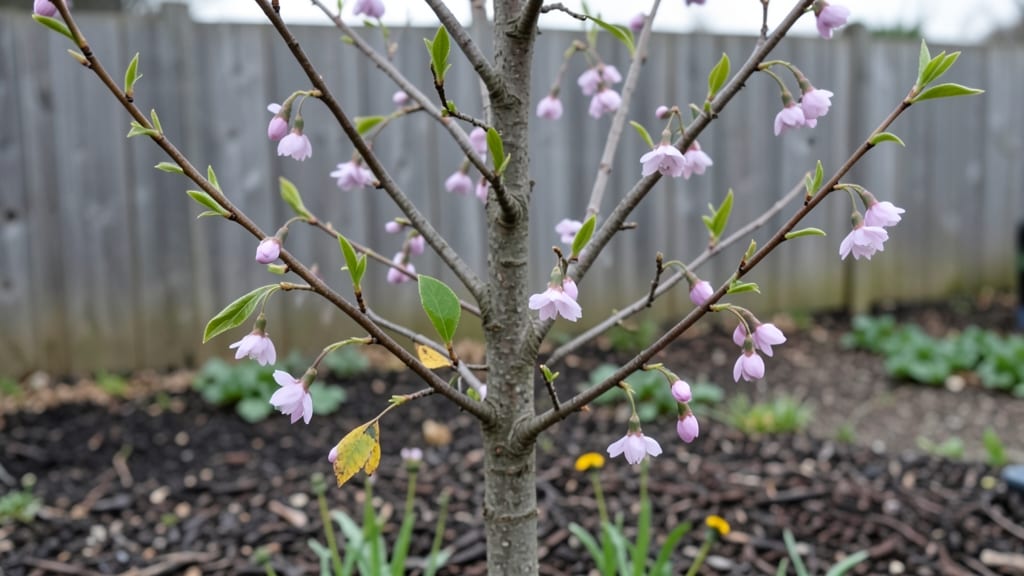
The moment a redbud tree flowering turns your yard into a rosy-pink dream, you’ll know spring has arrived in the Pacific Northwest—outshining even the boldest tulips. 🌸 I’ve watched mine transform a dull corner into a showstopper, and the secret isn’t just patience—it’s knowing how to coax those delicate flowers into their full glory.
These trees thrive in our region’s mild winters, but a few simple adjustments can make their displays even more spectacular each year.
The real trick lies in timing and care. Redbuds bloom in early spring—often February or March here—before leaves even appear, making them a standout harbinger of warmer days. They love partial sun and well-draining soil, but the key to vibrant flowers is pruning after they bloom.
Cutting back now encourages next year’s blossoms while keeping the tree’s shape neat. I’ve seen neighbors skip this step and end up with fewer flowers or leggy branches—don’t let that be you.
What you’ll end up with is a tree that becomes the centerpiece of your garden, year after year. The flowers fade into heart-shaped leaves, but the memory of that early spring spectacle lingers.
Plus, redbuds attract pollinators early in the season, giving your garden a head start on life. Let’s make sure yours puts on the best show possible—here’s how to set it up for success.
From coastal fog to inland valleys, these trees adapt beautifully, but a little extra attention goes a long way. Whether you’re dealing with heavy rain or dry spells, I’ll share the adjustments that keep redbuds thriving in our unpredictable climate. Ready to turn your yard into a springtime masterpiece?
📚 In This Guide
- What you need
- Instructions
- Tips and common mistakes
- Wrapping up and next steps
What you need
- ● Pruning shears: Bypass shears (sharp, clean, and sterilized with rubbing alcohol to prevent disease). 1 pair (or 2 pairs for larger trees).
- ○ Loppers: For thicker branches (1.5"–2" diameter). 1 pair (optional but helpful for mature trees).
- ● Pruning saw: Only if branches exceed 3" in diameter. 1 (hand saw or folding pruning saw).
- ● Gloves: Heavy-duty gardening gloves (cut-resistant and waterproof). 1 pair.
- ● Disposable pruning bags: For collecting debris. 2–3 bags (or a tarp for larger jobs).
- ● Rubbing alcohol (70% isopropyl) or bleach solution: For sterilizing tools between cuts. Small bottle.
- ○ Tree wound dressing (optional): Pruning sealant for large cuts (controversial but useful for very old or damaged trees). 1 small tub.
- ● Timing: Prune after flowering (late spring/early summer) or dormant season (late fall/winter) for PNW’s frost-prone zones.
- ● Weather check: Avoid pruning if rain or frost is forecasted within 24 hours.
- ● Safety gear: Safety glasses (for debris) and long sleeves/pants (to protect from thorns).
- ○ Ladder (optional): Extendable or step ladder for taller trees (4+ feet). 1.
- ● Water source: Hose or bucket for post-pruning hydration (especially in dry PNW summers).
- ● ✨ Layer up: Redbuds hate wet tools—keep a towel handy to wipe down shears if dew is present.
- ● 🌡️ Frost watch: If late blooms appear in spring, cover new growth with frost cloth if frost is predicted.
- ● 🔪 Cut clean: Make cuts at a 45-degree angle just outside the branch collar (never leave stubs!).
How to encourage vibrant redbud tree flowering in the Pacific Northwest
Here’s how I coax those stunning pink blooms to life—even after our region’s unpredictable frosts.
🌱 Step 1: Plant in the Right Location for Frost Resistance
Redbuds thrive in partial shade to full sun—but in the Pacific Northwest, morning sun with afternoon shade prevents leaf scorch while still fueling blooms. I always plant mine where they get at least 4-6 hours of sunlight daily, especially in cooler microclimates like Seattle or Portland. The tree’s natural frost tolerance comes from its native range, but positioning matters.
Dig a hole twice as wide as the root ball but no deeper. Amend the native soil with 2-3 inches of compost mixed into the bottom half of the hole. This improves drainage while retaining moisture—critical after our rainy winters. Gently loosen the roots before placing the tree in the hole, then backfill with native soil. Water deeply to settle everything.
☀️ Step 2: Provide Consistent Moisture Without Overwatering
Redbuds need deep, infrequent watering—especially in the first year. Water once a week during dry spells, delivering 10-15 gallons per tree. You’ll know it’s enough when water drains 6-8 inches deep into the soil. Overwatering causes root rot, while underwatering stresses the tree and reduces flowering.
In the Pacific Northwest’s wet winters, I reduce watering to every 2-3 weeks unless we have a dry spell. Mulch with 3-4 inches of wood chips around the base (keeping it 6 inches away from the trunk) to retain moisture and regulate soil temperature. This mimics the tree’s natural understory habitat.
✂️ Step 3: Prune Strategically to Boost Bloom Production
Prune late winter or early spring—just before buds swell—to remove dead, crossing, or weak branches. I focus on opening the canopy to let more light reach inner branches, where many flowers form. Never prune after flowering, as this removes next year’s blooms.
For established trees, thin branches to improve airflow—this prevents fungal diseases that can weaken flowering. Redbuds bloom on old wood, so avoid heavy pruning. Just shape lightly to maintain an open form. After pruning, apply a balanced 10-10-10 fertilizer in early spring to support new growth.
🌿 Step 4: Protect Flowers from Late Frosts
Our Pacific Northwest springs are notorious for late frosts—and redbuds bloom early. Cover young trees with frost cloth if a freeze is forecasted, especially when buds begin to swell. I’ve seen entire trees lose blooms overnight, so this step is non-negotiable for reliable flowering.
Once flowers appear, remove the cloth during the day to let sunlight warm the tree. Redbuds are tough, but young specimens benefit from this extra protection. Mature trees usually handle our frosts better, but a little precaution goes a long way in ensuring those signature pink blooms make an appearance.
⏰ Step 5: Monitor for Pests and Diseases
Watch for aphids or borers—common pests that stress redbuds. I treat infestations early with neem oil (mixed at 1 tablespoon per gallon of water) to avoid harsh chemicals. Yellowing leaves or oozing sap are red flags for borers, so act fast to save the tree.
Fungal issues like powdery mildew can appear in humid Pacific Northwest summers. Improve airflow with pruning and avoid overhead watering. A copper fungicide spray (applied in early spring) prevents most problems. Healthy trees flower more reliably, so pest control is key to long-term success.
Tips & tricks for perfect redbud tree flowering
Here's what I've learned after years of watching these trees thrive in our unpredictable Pacific Northwest climate.
Location is Everything: That 4-6 hours of sunlight in Step 1 is critical, but don't just look at total hours—pay attention to the timing. In Seattle and Portland, afternoon shade becomes essential after 2 PM to prevent leaf burn from our intense spring sun. I've seen trees in full afternoon sun develop brown patches even with proper watering. The key is morning sun exposure to fuel photosynthesis while protecting delicate foliage from our afternoon heat spikes.
Frost Protection Strategy: When using frost cloth in Step 4, I've found that securing it tightly with clothespins creates a microclimate that can raise temperatures by 5-10 degrees. The secret is to remove the cloth during the day once flowers appear—this balance prevents heat stress while still protecting against nighttime frosts. I've seen trees with frost cloth left on all day develop heat stress, so timing matters just as much as using the cloth.
Watering Wisdom: Those 10-15 gallons per week in Step 2 might seem like a lot, but remember we're dealing with deep root systems. I use a soil probe to check moisture levels—if it's dry at 6-8 inches, it's time to water. One mistake I made early on was watering too frequently with less volume, which led to shallow roots. The deep, infrequent approach actually encourages stronger root growth that can better withstand our rainy winters.
Pruning Precision: In Step 3, when pruning late winter, look for branches that are growing inward or crossing others—these are the first to remove. I've found that opening the canopy by just 20-30% can dramatically increase flower production on inner branches. The goal is sunlight penetration without creating too many large wounds. And remember, redbuds bloom on old wood, so avoid heavy pruning that removes next year's potential blooms.
Pro Tips for Redbud Tree Flowering
- Here's what I've learned after years of watching these trees thrive in our unpredictable Pacific Northwest climate.
- Location is Everything: That 4-6 hours of sunlight in Step 1 is critical, but don't just look at total hours—pay attention to the timing.
- Frost Protection Strategy: When using frost cloth in Step 4, I've found that securing it tightly with clothespins creates a microclimate that can raise temperatures by 5-10 degrees.
Frequently asked questions
Got questions about the stunning redbud tree flowering in the Pacific Northwest? You’re not alone! Here are answers to the most common queries—from timing to troubleshooting—to help you make the most of this spring spectacle.
When do redbud trees typically flower in the PNW?
Redbuds usually burst into bloom between late February and early April, depending on local frost dates. Warmer microclimates (like urban areas) may see flowers as early as mid-February, while colder inland zones might delay blooms until April. Check your USDA hardiness zone for the best estimate!
Will frost damage redbud flowers after they bloom?
Yes—redbuds are frost-sensitive once buds swell (often by late winter). A hard freeze (<32°F) can blacken petals, but the tree usually recovers. To minimize risk, plant in south-facing spots or mulch heavily. If frost is forecasted, cover young trees with frost cloth for 24 hours.
Why aren’t my redbud flowers opening this year?
Common culprits include:
- Late dormancy: Cold winters can delay blooming. Wait 2–3 weeks before worrying.
- Over-fertilizing: Too much nitrogen = fewer flowers. Use a low-nitrogen, high-phosphorus fertilizer in early spring instead.
- Pests/disease: Check for aphids (sticky leaves) or powdery mildew (white residue). Prune affected branches immediately.
Can I prune a redbud tree while it’s flowering?
Light pruning (after blooming) is fine, but avoid heavy cuts during peak flower (March–April). Focus on:
- Removing dead/diseased wood (use sterilized tools!).
- Thinning crowded branches to improve airflow.
Are there redbud alternatives for shadier spots?
If your site gets <6 hours of sun, try these PNW-friendly bloomers:
Tree/Shrub
Flower Color
Shade Tolerance
Western Azalea (Rhododendron occidentale)
Pink/purple
Partial shade (3–6 hrs sun)
Pacific Dogwood (Cornus nuttallii)
White/pink
Full shade to partial sun
Oregon Grape (Mahonia aquifolium)
Yellow
Full shade
Wrapping up and next steps
The redbud tree’s vibrant spring blooms are a true gift to Pacific Northwest gardens—adding color, resilience, and joy to your landscape. Whether you’re pruning for health, admiring their frost-defying beauty, or planning future plantings, these trees offer both practical and aesthetic rewards. 🌸
Ready to make your yard shine? Start by observing your tree’s growth patterns this season, then refresh your pruning skills or explore new varieties to expand your garden’s charm. Every bloom is a step toward a more vibrant outdoor space!