
Shrubs
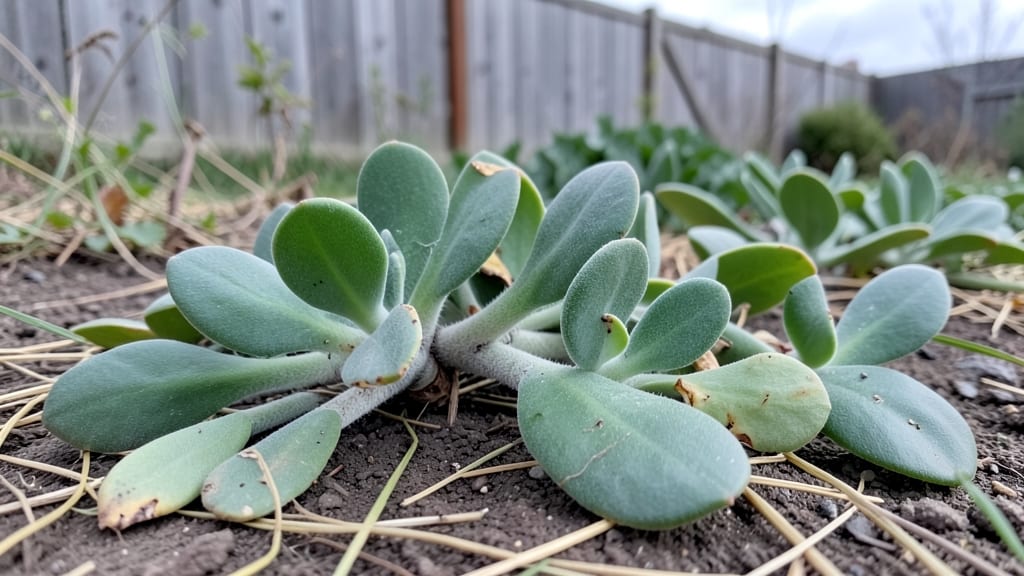
Your portulaca not flowering is likely begging for the same three fixes—and reviving it takes less effort than you’d expect. 🌿 I’ve nursed back more than a dozen stubborn moss rose plants by addressing the same root causes: light deprivation, nutrient starvation, or overcrowded stems.
The good news? Each solution takes less than 15 minutes and delivers results within weeks.
Portulaca thrives in bright, direct sunlight—at least 6 hours daily—but most gardeners unintentionally shade them with taller plants or partial shade conditions. Even well-draining soil won’t help if the plant isn’t getting enough light.
The fix? Move it to a sunnier spot immediately, and watch those buds form within 7-10 days. If you’re growing in containers, place them where they’ll catch midday sun.
Once light is dialed in, deadheading spent blooms and pinching back leggy stems triggers a second wave of flowers. Snip off faded blossoms at the base and trim back overgrown stems by one-third—this redirects energy from foliage to blooms.
A light feeding with balanced fertilizer (10-10-10) every 4-6 weeks also works wonders, especially in poor soil.
Here’s the kicker: Portulaca blooms best under stress—just not the wrong kind. Let the top inch of soil dry completely between waterings, and avoid heavy, moisture-retentive soils. With these tweaks, you’ll see bold, cheerful blooms by midseason, and your moss rose will become the showstopper of your summer garden.
📚 In This Guide
- What you need
- Instructions
- Tips and common mistakes
- Wrapping up and next steps
What you need
- ● Portulaca plant – The star of the show! Ensure it’s healthy (or at least not severely wilted or diseased).
- ○ Well-draining potting mix or garden soil – Aim for a blend with sandy loam or cactus/succulent mix (avoid heavy clay). Optional: Perlite or coarse sand to improve drainage.
- ● Pruning shears or clean scissors – Sharp and sterilized (rubbing alcohol works!).
- ● Watering can or spray bottle – With a fine rose attachment for gentle hydration.
- ○ Balanced liquid fertilizer – Look for a 10-10-10 or 20-20-20 NPK ratio (diluted to half-strength). Optional: Phosphorus-rich fertilizer (e.g., 5-10-10) for blooming.
- ○ Gloves (optional but recommended) – To protect your hands from soil or thorns.
- ● Sunlight meter or light meter app – To check if your plant’s getting enough bright, indirect light (6+ hours/day).
- ○ Thermometer (optional) – To monitor temperature if you suspect heat stress.
- ● pH test kit – Ideal soil pH for portulaca: 6.0–7.0 (slightly acidic to neutral).
- ● Magnifying glass – To inspect leaves/stems for pests (e.g., spider mites, aphids).
- ● Hose with nozzle or spray bottle – For rinsing off pests or cleaning leaves.
- ● Neem oil or insecticidal soap – *Only if pests are confirmed!
How to revive portulaca and trigger blooms in 3 simple steps
Here’s the straightforward approach I’ve used to turn leggy, flowerless portulaca into a vibrant, blooming plant—no guesswork required.
🌿 Step 1: Diagnose the Root Cause of Stunted Growth
Portulaca typically skips flowering when it’s either stressed from overcrowding or starved for sunlight. First, check the plant’s current conditions: if stems are stretching thin and leaves are pale, it’s reaching for light. If growth is compact but no blooms appear, the issue is likely nutrient imbalance or excessive shade.
Run your fingers through the soil surface—if it’s hard or crusty, watering patterns may be disrupting root access to nutrients. Portulaca thrives in well-draining soil with minimal moisture retention, so soggy conditions can trigger dormancy. The fix starts with correcting these environmental cues before adjusting care routines.
☀️ Step 2: Optimize Light and Prune Strategically
Move your portulaca to a location with 6+ hours of direct sunlight daily. South-facing windows or full sun in the garden are ideal—these plants originate from arid climates and won’t bloom without intense light. If outdoors, place it in a spot where it won’t be shaded by taller plants or structures.
Once positioned correctly, prune back any elongated stems by one-third their length using clean, sharp scissors. Cut just above a leaf node where new growth can sprout. This shock encourages bushier growth and redirects energy toward flower production. Watch for new shoots emerging within 7-10 days—that’s your signal the plant is responding.
💧 Step 3: Adjust Water and Fertilizer for Blooming
Portulaca’s shallow roots demand infrequent but deep watering—once every 5-7 days is plenty, unless temperatures exceed 90°F, then increase to every 3-4 days. Water only when the top 1 inch of soil feels completely dry; overwatering triggers root rot, which halts flowering entirely.
Switch to a low-nitrogen, high-phosphorus fertilizer (like a 5-10-5 blend) to prioritize blooms over foliage. Apply every 4-6 weeks during the growing season, following label instructions. The key is consistency—portulaca responds quickly to balanced care, often producing flowers within 2-3 weeks of these adjustments.
✂️ Step 4: Deadhead and Encourage Continuous Blooms
Once flowers appear, pinch off spent blooms daily to redirect energy to new growth. Portulaca’s self-cleaning habit means many flowers drop naturally, but aggressive deadheading ensures a nonstop display. Use your thumb and forefinger to gently twist off faded blooms—no tools needed.
If your plant remains compact but still refuses to flower after 2 weeks, check for pests like aphids or spider mites, which sap energy. A gentle spray of neem oil (mixed per label) can restore vigor. With proper light, water, and nutrients, portulaca typically blooms within 3-4 weeks of these corrections.
Tips & tricks for reviving portulaca blooms
Here's what I've learned from turning around my own stubborn portulaca—simple adjustments that make all the difference.
Light is Non-Negotiable: In Step 2, when you're moving your plant for that crucial 6+ hours of direct sunlight, pay special attention to the quality of light. South-facing windows or full sun gardens are ideal, but if you're using grow lights, use full-spectrum LEDs that mimic sunlight. I've seen portulaca refuse to bloom under standard white bulbs—it needs that full solar spectrum to trigger flowering. If you're in a high-rise apartment, consider a sunny balcony or even a south-facing window with a reflective surface behind the plant to maximize light exposure.
Pruning Precision: When you're pruning those elongated stems in Step 2, don't just hack away randomly. Look for the leaf nodes where new growth emerges—these are the little bumps along the stem where leaves attach. Cut just above these nodes at a 45-degree angle to maximize surface area for new growth. I learned this the hard way after pruning too close to nodes and stunting new shoots. Those new shoots should appear within 7-10 days as mentioned, but if they don't, check your pruning cuts—you might be cutting too close to the stem's base.
Watering Wisdom: The 5-7 day watering schedule in Step 3 can be tricky—especially when temperatures exceed 90°F. Here's my pro tip: instead of relying solely on days, check the soil moisture at the same time each week. Stick your finger about 1 inch deep—if it feels completely dry, that's your watering cue. Overwatering is the silent killer of portulaca blooms, so err on the side of underwatering. I've seen plants wilt dramatically after heavy watering, only to revive perfectly when given time to dry out between waterings. This plant is from arid climates, so it's adapted to drought conditions.
Fertilizer Timing: When you switch to that low-nitrogen, high-phosphorus fertilizer in Step 3, apply it right after watering. This ensures the nutrients are immediately available to the roots rather than getting locked out by dry soil. I've found that applying fertilizer to dry soil can actually burn the roots, setting back your blooming progress. Also, don't be tempted to over-fertilize—stick to the 4-6 week schedule. Too much phosphorus can actually inhibit flowering in some plants, so less is more with this delicate balance.
Pro Tips for Portulaca Not Flowering
- Here's what I've learned from turning around my own stubborn portulaca—simple adjustments that make all the difference.
- Light is Non-Negotiable: In Step 2, when you're moving your plant for that crucial 6+ hours of direct sunlight, pay special attention to the quality of light.
- Pruning Precision: When you're pruning those elongated stems in Step 2, don't just hack away randomly.
Frequently asked questions
Got more questions about why your Portulaca (purslane) isn’t blooming? Here are some common concerns—and quick fixes—to get those vibrant flowers popping up!
Why isn’t my Portulaca flowering even though it’s healthy-looking?
Portulaca often skips flowering if it’s not getting enough sunlight (6+ hours/day) or if the soil lacks phosphorus. Over-fertilizing with nitrogen (common in lawn fertilizers) also promotes leafy growth over blooms. Try moving it to a sunnier spot or switch to a bloom-boosting fertilizer (like 5-10-10).
How long does it take for Portulaca to start flowering?
With ideal conditions (sun, well-draining soil, and moderate water), Portulaca usually blooms 4–6 weeks after planting. If it’s past this window and still no flowers, check for light deprivation or overwatering, which can delay blooming. Patience pays off—some varieties take up to 8 weeks!
Can overwatering prevent Portulaca from flowering?
Absolutely!
Portulaca is a succulent-like plant that thrives on dry soil. Overwatering stresses it, diverting energy to survival instead of blooms. Let the top inch of soil dry out completely between waterings. If your soil stays soggy, amend it with sand or perlite to improve drainage.
What can I do if my Portulaca only grows leaves but no flowers?
Leafy growth without flowers is usually a sign of too much nitrogen or shade. Try these fixes:
- Switch to a low-nitrogen, high-phosphorus fertilizer (like bone meal).
- Move it to a sunnier location (even partial shade can work if the rest of the day is bright).
- Prune leggy stems to encourage bushier, flower-heavy growth.
Are there Portulaca varieties that flower more easily?
Yes! Some varieties are more prolific bloomers than others. Try:
- Portulaca grandiflora (common purslane): Bright, easy-to-grow flowers in pink, yellow, or red.
- Portulaca sativa (edible purslane): Focuses on leaf production but may produce small yellow flowers.
- Dwarf varieties (like ‘Tiny Dancer’): Often bloom faster and more reliably.
Wrapping up and next steps
Don’t let a lack of blooms dim your portulaca’s charm—with the right care, your plant can burst into vibrant color! 🌸 The key lies in balancing sunlight, soil, and nutrients while staying patient. Start by assessing your plant’s environment and making small, consistent adjustments.
Ready to see those flowers? Take action today: Check your plant’s needs, tweak one factor at a time, and keep an eye on progress. Before you know it, your portulaca will reward you with a stunning display of blossoms! 💪