
Flowers
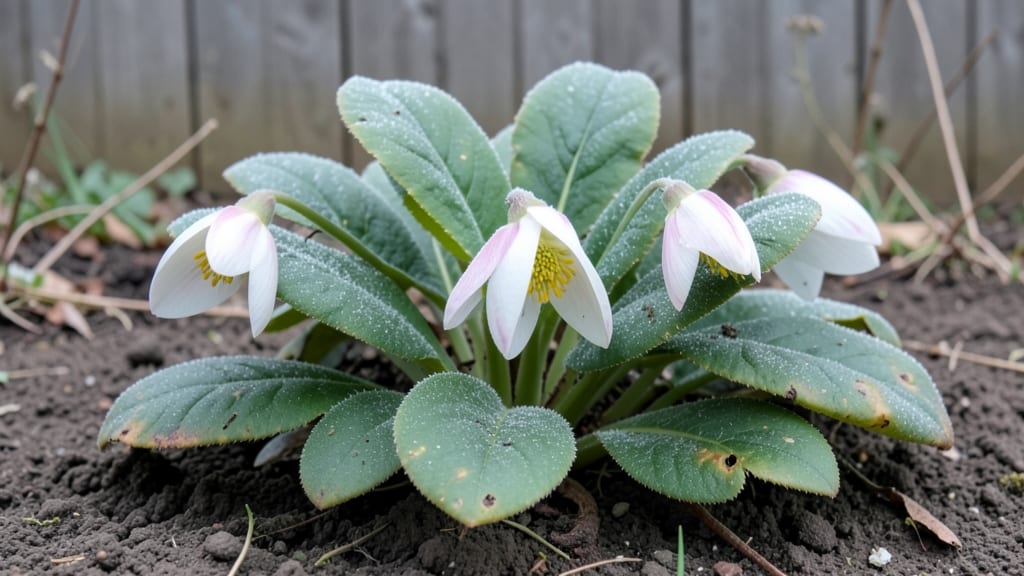
These flowers that live in winter—hellebores, winter jasmine, and snowdrops—prove that cold seasons can still burst with color. 🌱 I’ve learned that these hardy plants thrive when others sleep, turning frosty days into vibrant displays. The secret? Choosing perennials that store energy underground and annuals bred for chill tolerance.
Most people assume winter flowers need coddling, but the best varieties handle frost like a breeze. Hellebores bloom in 30°F temps, snowdrops push through snow, and winter pansies laugh at light freezes. With proper mulching and strategic planting, you’ll have blooms from December through March—no greenhouse needed.
Imagine stepping outside in January to find delicate blooms nodding in the crisp air. These flowers don’t just survive winter—they outshine spring’s first tentative blooms. The key is selecting varieties that match your zone and giving them the right winter prep, from protective mulch to windbreaks.
Whether you’re in Zone 3 or 8, these cold-hardy stars deliver color when gardens are bare. Let’s dive into the plants that turn winter into your garden’s star season.
📚 In This Guide
- What you need
- Instructions
- Tips and common mistakes
- Wrapping up and next steps
What you need
- ● Cold-hardy flower bulbs/seeds: Hellebores (Lenten Rose) – 5–10 bulbs
- ● Snowdrops (Galanthus) – 10–20 bulbs
- ● Winter Aconite (Eranthis hyemalis) – 5–8 bulbs
- ● Crocuses (early varieties) – 15–30 bulbs
- ● Pansies or Violas – 12–24 plants (potted or seeds)
- ● Soil amendments: Compost or well-rotted manure (5–10 lbs)
- ● Organic mulch (straw, shredded bark, or leaves – 2–3 inches)
- ● Containers (if not planting in-ground): Well-draining pots (10–12 inches deep, 1–2 per plant)
- ● Gravel or perlite (for drainage, 1–2 cups per pot)
- ● Garden trowel or small shovel
- ● Gloves (waterproof for outdoor work)
- ● Watering can or hose with gentle spray nozzle
- ● Pruners (for trimming dead foliage)
- ○ Optional: Frost cloth or burlap (for extra protection in harsh winters)
- ○ Optional: pH testing kit (to ensure soil is slightly acidic, pH 6.0–7.0)
- ● Knowledge of your USDA Hardiness Zone (check USDA Plant Hardiness Zone Map)
- ● Sunlight assessment: Most winter flowers prefer partial shade (3–6 hours of sunlight/day)
- ● Well-draining soil (amend heavy clay with sand or compost)
- ● For indoor arrangements: Clean vases or containers (sterilized with vinegar or bleach)
How to select and plant cold-hardy flowers for winter interest
Here's how to build a winter garden that thrives when most plants retreat.
🌱 Step 1: Choose the Right Winter-Blooming Species
Select perennials that thrive in USDA Zones 3-7 and bloom during colder months. Hellebores, winter aconites, and snowdrops are my top picks—they push through snow for early color. Check your zone's minimum winter temperatures to ensure plants won't suffer frost damage.
For structure, add evergreen shrubs like boxwood or holly, which provide year-round interest. I always verify each plant's cold hardiness rating before purchasing—some labeled "winter hardy" may still need protection in extreme freezes. Look for varieties with thick stems and fuzzy foliage, as these traits indicate better cold tolerance.
☀️ Step 2: Plant in Late Summer or Early Fall
Timing matters most for winter bloomers. Plant in late August to early October so roots establish before frost, but avoid planting too early when summer heat stresses young plants. Dig holes twice as wide as the root ball but only as deep—burying stems too deeply suffocates them.
Amend the soil with compost or well-rotted manure to improve drainage, which prevents root rot in winter's saturated soil. Space plants 12-24 inches apart depending on mature size—crowding reduces airflow and increases disease risk. After planting, water deeply to settle soil around roots, then mulch with 3-4 inches of shredded bark to insulate roots.
✂️ Step 3: Provide Winter Protection and Maintenance
Once planted, protect tender perennials with burlap wraps or frost cloth during sudden cold snaps below 15°F. I never use plastic—it traps moisture and causes rot. For extra insulation, mound soil or mulch around the base of plants, especially for those with shallow root systems like winter jasmine.
Prune spent blooms in early spring to encourage new growth, but avoid cutting back until you see new shoots emerging. This prevents accidentally removing next year's flower buds. Fertilize lightly in early spring with a balanced 10-10-10 formula—winter bloomers don't need heavy feeding after establishment.
💧 Step 4: Monitor Moisture and Adjust Care
Winter's dry spells can stress plants just as much as cold. Water once a month during dry periods, focusing on the root zone. You'll know moisture is right when the soil feels damp but not soggy—overwatering in cold weather leads to root rot.
Watch for signs of stress: yellowing leaves often indicate overwatering, while crispy edges signal underwatering. I always check soil moisture by hand—stick your finger 2 inches deep; if it feels dry, it's time to water. Avoid wetting foliage during winter to prevent fungal diseases that thrive in cold, damp conditions.
Tips & tricks for perfect winter-blooming gardens
Building a garden that thrives through winter takes a few strategic moves—here's how to ensure your cold-hardy blooms not only survive but shine.
Zone-Specific Selection: Beyond just checking USDA Zones 3-7, verify each plant's minimum winter temperature tolerance. For example, hellebores handle 15°F well, but some varieties of winter jasmine may need protection at those temperatures. I always cross-reference plant tags with my local microclimate data—some urban areas can be 5-10°F colder than rural zones due to wind exposure.
Planting Timing Secret: That late August to early October window is critical for root establishment before frost. I've learned the hard way—planting too early in August can stress young roots in summer heat, while planting after October leaves them vulnerable to early freezes. For northern climates, aim for the earlier end of that range, while southern zones can plant slightly later.
Soil Preparation Upgrade: The instructions mention compost, but I take it further by adding a handful of perlite or coarse sand to the planting hole for winter bloomers. This improves drainage during winter's inevitable freeze-thaw cycles, which can turn heavy clay soil into a waterlogged mess. The extra aeration also helps roots breathe when the ground is frozen at the surface.
Winter Mulching Strategy: That 3-4 inches of shredded bark is a great start, but I double it for the first winter after planting. The extra insulation helps young roots survive their first freeze. For established plants, I use straw mulch instead—it breaks down more slowly and provides better long-term protection against temperature fluctuations. Just avoid piling mulch against stems to prevent rot.
Pro Tips for Flowers That Live In Winter
- Building a garden that thrives through winter takes a few strategic moves—here's how to ensure your cold-hardy blooms not only survive but shine.
- Zone-Specific Selection: Beyond just checking USDA Zones 3-7, verify each plant's minimum winter temperature tolerance.
- Planting Timing Secret: That late August to early October window is critical for root establishment before frost.
Frequently asked questions
Got questions about keeping your garden vibrant even in the chill? Here are some common ones—and their answers—to help you grow winter flowers like a pro!
Which flowers can survive the coldest winters?
Hardy winter flowers like Hellebores (Lenten Rose), Snowdrops, Winter Aconite, and Crocuses thrive in freezing temps (down to 0°F/-18°C or lower). For extreme climates, opt for Pansies or Violas, which tolerate light frosts. Always check your USDA Hardiness Zone for local recommendations!
Do winter flowers need special care in freezing temperatures?
Most cold-resistant blooms need minimal extra care—just protect them from heavy snow or ice buildup by gently brushing off debris. Mulch around the base (2-3 inches) to insulate roots, and avoid overwatering, as soggy soil can freeze. Pro tip: Group plants together to create a microclimate that traps warmth!
When should I plant winter flowers for best results?
For fall bloomers like Crocuses or Daffodils, plant bulbs in late summer or early fall (6-8 weeks before the first frost). For hardy perennials like Hellebores, plant in early spring or fall. Timing ensures roots establish before winter sets in!
What if my winter flowers don’t bloom? Troubleshooting tips?
No blooms? Check these fixes:
- Not enough light: Winter sun is weaker—ensure plants get 6+ hours of sunlight daily.
- Poor soil: Amend with compost before planting for nutrients.
- Overcrowding: Thin out plants if they’re too dense.
- Dormant phase: Some flowers (like Snowdrops) bloom early—patience!
Are there winter flowers that attract pollinators?
Winter Jasmine, Mahonia, and Crocuses (especially early-blooming varieties) draw bees and butterflies. Plant them near early spring bloomers like Pansies to create a pollinator-friendly sequence. Bonus: Their bright colors add cheer to gray winter days!
Wrapping up and next steps
Discovering flowers that live in winter is like unlocking a secret garden—one that thrives even when the world seems still and gray! 🌸 From hardy perennials to evergreen shrubs, these beauties prove that cold weather doesn’t have to mean colorless landscapes.
Whether you’re a gardener looking to extend your blooms or simply someone who loves a touch of nature’s resilience, these plants offer year-round inspiration.
Ready to bring life to your winter days? Start small—plant a few cold-resistant blooms in a pot or along your walkway—and watch your outdoor space transform. Your next step? Pick one from this list and give it a try—you’ll be rewarded with months of cheerful surprises!