
Flowers
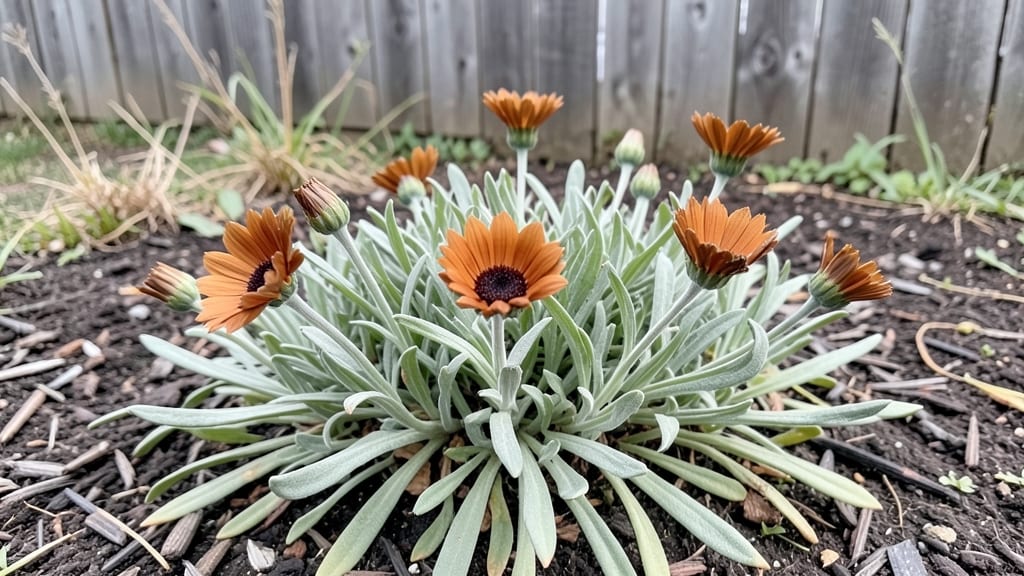
The gazania daisy flower thrives where others wilt—bright, sun-drenched spots that beg for bold color. I’ve grown them in everything from window boxes to full sun borders, and they’ve never let me down.
Their velvety petals stay vibrant even when temperatures climb, making them the perfect low-maintenance star for hot, dry climates.
These sun-lovers demand just three things: well-draining soil, full sun exposure, and minimal watering—once established, they’ll bloom from spring to frost with almost no fuss. The secret to their resilience?
A mix of sandy loam and a sprinkle of compost, paired with watering only when the top inch of soil feels dry. Overwatering is their only real enemy.
By late summer, you’ll be rewarded with clusters of buttery yellow, fiery orange, or deep red blooms that open at dawn and close by dusk—like tiny sun-worshipping faces. They’re also drought-tolerant, meaning they’ll outlast thirsty neighbors and keep your garden looking lively even during heatwaves.
The best part? They self-seed easily, so you’ll have new volunteers popping up year after year.
Whether you’re filling containers, lining a path, or adding drama to a border, gazanias bring effortless charm. They’re pest-resistant (deer and rabbits usually skip them) and thrive in USDA zones 8-11, though many gardeners treat them as tender annuals in cooler areas.
Let’s get them growing—and keep your garden buzzing with color all season long.
📚 In This Guide
- What you need
- Instructions
- Tips and common mistakes
- Wrapping up and next steps
What you need
- ● Gazania seeds or seedlings: 1–2 seed packets (50–100 seeds) for direct sowing, or 6–12 healthy seedlings (for faster blooms)
- ● Well-draining potting mix or garden soil: 1–2 cubic yards (for in-ground planting) or 1–2 gallon pots (for container gardening)
- ● Organic compost or fertilizer: 1 cup (for soil amendment) or Slow-release granular fertilizer (10-10-10 ratio)
- ○ Mulch (optional but recommended): 1–2 inches of straw, pine bark, or gravel (to retain moisture)
- ● Garden trowel or transplanting spade (for digging)
- ● Watering can or hose with a gentle spray nozzle
- ○ Gloves (optional but handy for soil work)
- ● Sunny location: At least 6–8 hours of direct sunlight daily (gazanias thrive in full sun!)
- ● Drought-tolerant mindset: Gazanias hate soggy roots—ensure excellent drainage!
- ● Pruning shears (for deadheading spent blooms)
- ● Epsom salt (1 tbsp/month for magnesium boost)
- ● Decorative rocks or pebbles (for a polished container look)
- ● Shade cloth (if your climate has intense afternoon sun)
How to grow gazania daisy flowers for vibrant year-round color
These sun-loving perennials thrive with minimal fuss once you nail their light and soil needs.
Select the Right Location and Prepare the Soil
Gazania daisies demand full sun—at least 6-8 hours of direct sunlight daily—to bloom continuously. Choose a spot where they'll receive unfiltered light all season. I always test potential locations by observing where other sun-loving plants like lavender or succulents thrive; gazanias need similar conditions.
Amend the soil with 2-3 inches of coarse sand or perlite if your native soil drains poorly. Gazanias despise soggy roots, and even a slight improvement in drainage makes all the difference. Work the amendment into the top 6 inches of soil, breaking up any compacted layers. A soil test reveals pH—gazanias prefer 6.0-7.0, so adjust with lime if needed.
Plant at the Correct Depth and Spacing
Set each plant 12-18 inches apart in rows spaced 18-24 inches apart. This spacing prevents overcrowding, which leads to leggy stems and fewer blooms. Dig a hole just deep enough to accommodate the root ball without burying the crown—gazanias rot quickly when planted too deep.
Gently remove the plant from its container and tease apart any circling roots. Place it in the hole so the top of the root ball sits level with the surrounding soil. Backfill with native soil, pressing lightly to eliminate air pockets. Water deeply immediately after planting to settle the soil and encourage root contact.
Water Deeply but Infrequently
Gazania daisies are drought-tolerant once established, but they need consistent moisture during their first growing season. Water deeply once or twice weekly, soaking the soil to a depth of 6 inches. You'll know you've watered enough when excess moisture runs out the drainage holes—this ensures roots grow deep rather than staying shallow.
Allow the top 1-2 inches of soil to dry out between waterings. Overwatering is the fastest way to kill gazanias, as their roots rot in soggy conditions. In containers, check soil moisture by sticking your finger in—if it feels damp past 1 inch, wait before watering again.
Fertilize Lightly for Continuous Blooms
Feed gazanias with a balanced, slow-release fertilizer (10-10-10) at half-strength every 4-6 weeks during the growing season. Too much fertilizer produces lush foliage but fewer flowers. I mix the fertilizer into the top 2 inches of soil rather than applying it to the surface, which prevents root burn.
After the first flush of blooms, trim back spent flowers by pinching off the stems just above the next set of leaves. This encourages bushier growth and more abundant reblooming. Gazanias respond well to pruning, so don't hesitate to cut back leggy stems in early summer—it keeps the plant compact and flowering.
Protect from Frost and Winter Care
Gazania daisies are tender perennials, so they won't survive frost. In colder climates, dig up tubers in fall, trim back the foliage, and store them in a cool, dry place (40-50°F) until spring. I label each tuber with its variety to avoid confusion when replanting.
In mild winter climates, mulch the base of plants with 2-3 inches of straw to insulate roots from temperature swings. Remove the mulch in early spring once nighttime temperatures stay above 50°F. Gazanias resume growth quickly, so don't rush to replant—wait until the soil warms to 60°F before setting them back outside.
Tips & tricks for perfect gazania daisy flower growth
These sun-loving perennials reward patience with vibrant blooms—here’s how to maximize their potential from day one.
Location Scouting: Gazanias thrive where other sun-chasers like lavender or succulents excel. Test potential spots by observing how long they receive direct sunlight—aim for the sunniest area of your garden, even if it means sacrificing a shadier spot. Morning sun with afternoon shade works in hotter climates, but full sun all day yields the most continuous blooms.
Soil Preparation: The 2-3 inches of coarse sand or perlite you’re mixing into the top 6 inches of soil isn’t just about drainage—it’s about creating an airy environment that mimics their native habitat. If your soil feels compacted, break it up with a garden fork before adding amendments. A simple pH test kit (available at garden centers) will tell you if you need to adjust the pH to that ideal 6.0-7.0 range.
Planting Precision: When setting those 12-18 inch spacings, think of it as creating an open-air sculpture—crowded plants compete for sunlight and nutrients, resulting in leggy stems and fewer blooms. The key is to plant them level with the surrounding soil, not buried deeper. If you’re planting in containers, choose ones with drainage holes and use a cactus/succulent mix for optimal results.
Watering Wisdom: Those once or twice weekly deep waterings should soak the soil to 6 inches, but timing matters too. Water in the morning so foliage dries quickly, reducing fungal risks. The finger test for moisture—waiting until the top 1-2 inches feel dry—prevents the soggy soil that leads to root rot. In containers, check soil moisture daily during heatwaves, as they dry out faster.
Pro Tips for Gazania Daisy Flower
- These sun-loving perennials reward patience with vibrant blooms—here’s how to maximize their potential from day one.
- Location Scouting: Gazanias thrive where other sun-chasers like lavender or succulents excel.
- Soil Preparation: The 2-3 inches of coarse sand or perlite you’re mixing into the top 6 inches of soil isn’t just about drainage—it’s about creating an airy environment that mimics their native habitat.
Frequently asked questions
Got questions about gazania daisies?
Here are some of the most common ones—plus quick answers to help you grow these sun-loving beauties with ease!
How do I keep gazanias blooming all season long?
Prune spent blooms regularly (deadheading) to encourage new flowers. Pro tip: Feed them with a balanced fertilizer every 4–6 weeks during the growing season. These sun-worshippers thrive in full sun (6+ hours daily) and well-draining soil—so avoid overwatering!
Are gazanias frost-tolerant?
Nope! Gazanias are not frost-hardy. In colder climates, treat them as annuals or bring potted plants indoors before temps drop below 40°F. In warmer zones (USDA 9–11), they’ll often self-seed for year-round color!
Can I grow gazanias in containers?
They’re perfect for pots, hanging baskets, or window boxes. Use a lightweight, fast-draining mix (like cactus/succulent soil) and ensure containers have drainage holes. Bonus: Their trailing varieties add a pop to balconies and patios!
What pests or diseases should I watch for?
Gazania daisies are generally low-maintenance, but watch for aphids or whiteflies. Overwatering can lead to root rot, so let soil dry between waterings. Fungal issues (like powdery mildew) are rare but can occur in humid conditions—improve airflow to prevent them.
What’s the best alternative if gazanias don’t thrive in my climate?
Try portulaca (another drought-tolerant sun-lover) or zinnia for similar vibrant blooms. For cooler areas, calendula or cosmos are great substitutes with less frost sensitivity.