
Planting
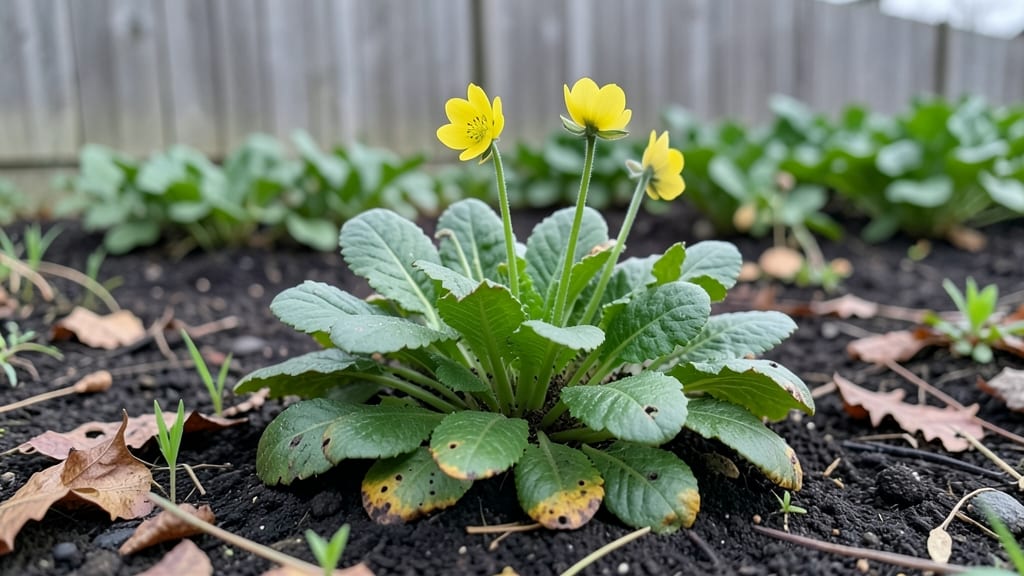
That cheerful little yellow flower plant might just be the Pacific Northwest's best-kept secret—coreopsis thrives in our sun-soaked patches where other perennials struggle. 🌻 I’ve watched mine dance through summer heatwaves while neighbors’ gardens wilt, and the secret lies in its stubborn resilience paired with effortless charm.
The trick is simple: full sun (6+ hours daily), well-draining soil (even rocky spots work), and occasional watering once established. Most varieties like ‘Moonbeam’ or ‘Early Sunrise’ grow 1-3 feet tall, perfect for borders or cutting gardens.
They bloom from early summer until frost, giving you nonstop color with almost no fuss.
What you’ll love most is how they multiply—each plant sends up cheerful faces year after year, while hummingbirds and bees can’t resist their nectar. The foliage stays tidy, and they rarely suffer from pests or diseases. Even my black thumb can’t kill these.
Works in containers, meadow-style plantings, or as a pollinator magnet. Once you try one, you’ll be hunting for more—just don’t blame me when your yard turns into a sunlit yellow sea. Let’s get yours growing!
📚 In This Guide
- What you need
- Instructions
- Tips and common mistakes
- Wrapping up and next steps
What you need
- ● Little Yellow Flower Plant: 1-3 seedlings (from a nursery or garden center)
- ● OR 1-2 potted plants (3-6 inches tall)
- ● OR seeds (if starting from scratch; check packet for variety, e.g., Erigeron speciosus or Coreopsis)
- ● Well-draining soil: 1 bag (50 lbs) of garden loam mixed with compost (or 1 part perlite/sand for sandy soil)
- ● Sunlight: Full sun (6+ hours/day) or partial shade (4-6 hours/day) in hotter climates
- ● Water: Hose with adjustable nozzle or watering can (1-2 gallons per plant, depending on soil dryness)
- ● Garden trowel (for digging holes, 6-8 inches deep)
- ● Gloves (to protect hands from thorns or rough soil)
- ● Mulch (1-2 inches of wood chips or straw to retain moisture)
- ○ Fertilizer (optional): Balanced 10-10-10 fertilizer (1 tbsp per plant, applied in early spring)
- ● Slow-release granules (sprinkle around base at planting time)
- ○ Stakes or cages (optional): For taller varieties (e.g., Coreopsis) to prevent flopping
- ○ Pruners (optional): For trimming spent blooms or shaping plants
Step-by-Step guide to growing Pacific Northwest's sun-loving yellow perennial
Here's how to cultivate this hardy, cheerful addition that thrives in PNW's unique climate and lighting.
🌱 Step 1: Select the Right Location and Prepare the Soil
Choose a spot with full sun exposure (6-8 hours daily)—this plant adores the PNW's brightest locations, even in partial shade if summers are hot. I always test soil pH first using a simple kit; aim for 6.0-7.0 since alkaline soil causes yellowing leaves. Amend heavy clay soil with 2-3 inches of compost and mix thoroughly to improve drainage.
Loosen the top 6-8 inches of soil with a garden fork to encourage root penetration. The PNW's cool, moist climate means soil can become compacted easily. You'll know you've done it right when the soil crumbles easily between your fingers rather than forming hard clods.
🌱 Step 2: Plant at the Correct Depth and Spacing
Dig holes twice as wide as the root ball but only as deep as the container. This prevents burying the crown, which can cause rot in our wet winters. Gently remove your plant from its container and tease apart any circling roots—this encourages outward growth rather than root-bound circles.
Space plants 18-24 inches apart to allow airflow and prevent fungal diseases common in our damp climate. I like to plant them in small groups of 3-5 for that natural, cottage-garden look. Water each hole deeply before placing the plant in, then fill around the roots with native soil, pressing gently to eliminate air pockets.
☀️ Step 3: Establish a Watering Routine for PNW Conditions
Water deeply once a week during the first growing season, providing 1-1.5 inches of water per session. The PNW's frequent drizzle means you'll need to supplement during dry spells—check soil moisture by pushing your finger 2 inches deep. If it feels dry, water again.
Mulch heavily with 3-4 inches of wood chips or straw to conserve moisture and regulate soil temperature. This is especially important in spring and fall when temperatures fluctuate dramatically. You'll notice fewer weeds competing with your plant, and the mulch breaks down slowly to feed the soil.
✂️ Step 4: Prune for Continuous Blooming and Winter Prep
Deadhead spent blooms regularly to encourage continuous flowering—this plant rewards you with nearly year-round blooms in the PNW's mild climate. Cut back stems to just above a set of leaves or a bud, using clean, sharp pruners. I always sterilize my tools with rubbing alcohol between cuts to prevent spreading any potential diseases.
In late fall, cut back the entire plant by one-third to promote bushier growth next season. This also prevents snow accumulation from breaking stems during our wet winters. The plant's natural hardiness means it will bounce back beautifully in spring.
🌿 Step 5: Monitor for Common PNW-Specific Issues
Watch for powdery mildew on leaves during humid summers—this plant occasionally struggles with our damp air. Improve airflow by thinning crowded stems and applying a baking soda spray (1 tsp baking soda + 1 quart water + a drop of dish soap) if you spot white powder on leaves.
Yellowing leaves often signal overwatering in our climate. Let the top 2 inches of soil dry out between waterings, especially in winter when rainfall increases. The plant's natural resilience means it can handle our PNW's variable weather patterns beautifully once established.
Tips & tricks for perfect Pacific Northwest perennial blooms
These practical insights will help you coax the most vibrant, resilient growth from your sun-loving perennial in the PNW's challenging climate.
Soil Preparation Secret: For Step 1, I recommend adding a handful of native PNW compost to your planting holes—this introduces beneficial microbes that thrive in our damp climate. The 6.0-7.0 pH range is crucial because alkaline soil (common in our region) causes chlorosis (yellowing) by preventing iron uptake. Test your soil before planting to avoid this common issue.
Root System Strategy: When loosening the 6-8 inches of soil in Step 1, focus on breaking up any horizontal layers rather than just vertical tilling. This creates channels for roots to grow deeper, which is especially important during our wet winters when surface soil can become waterlogged. Think of it like creating a root highway system.
Watering Wisdom: The once-weekly watering in Step 3 works perfectly for established plants, but newly planted specimens need twice-weekly watering for the first month. Use the 2-inch soil moisture test as your guide—this prevents overwatering while ensuring roots establish properly. In summer heatwaves, you might need to water every 4-5 days instead.
Pruning Precision: For Step 4's fall pruning, I like to use clean, sharp pruners and make cuts at a 45-degree angle just above a leaf node. This encourages new growth from the sides rather than just the top. The one-third reduction gives you plenty of structure for spring while preventing snow damage—a critical consideration in our region's wet winters.
Pro Tips for Little Yellow Flower Plant
- These practical insights will help you coax the most vibrant, resilient growth from your sun-loving perennial in the PNW's challenging climate.
- Soil Preparation Secret: For Step 1, I recommend adding a handful of native PNW compost to your planting holes—this introduces beneficial microbes that thrive in our damp climate.
- Root System Strategy: When loosening the 6-8 inches of soil in Step 1, focus on breaking up any horizontal layers rather than just vertical tilling.
Frequently asked questions
Got questions about your little yellow flower plant? You’re not alone! Here are some of the most common queries from gardeners in the Pacific Northwest—and beyond.
What’s the best time to plant a little yellow flower plant in my region?
For the Pacific Northwest’s Erigeron speciosus (or similar sun-loving perennials), aim for early spring (March–April) or early fall (September–October). This gives roots time to establish before summer heat or winter frost. Avoid planting in peak summer—drought stress can stunt growth.
How often should I water this plant, especially in PNW’s rainy climate?
Young plants need weekly watering to keep soil moist but not soggy. Once established (after 1–2 years), these drought-tolerant beauties thrive with rainfall alone. Overwatering is the real enemy—yellowing leaves or moldy stems are red flags. Pro tip: Water at the base, not the foliage, to prevent fungal issues.
Why aren’t my little yellow flowers blooming this year?
Common culprits include over-fertilizing (too much nitrogen = leafy, no flowers), poor sunlight (they need 6+ hours of sun), or crowded roots. Deadhead spent blooms to encourage reblooming. If the plant looks weak, check for pests (like aphids) or root rot from soggy soil.
Can I grow these in containers, or do they need garden beds?
Use a 5-gallon pot minimum with drainage holes and well-draining soil. Choose containers in full sun and repot every 2–3 years to refresh the soil. Just avoid tiny pots—they’ll struggle to support the plant’s spreading roots. Bonus: Container-grown plants bloom earlier in spring!
What pests should I watch for with these yellow flowers?
Keep an eye out for aphids (tiny green/black bugs on new growth), spider mites (webbing on leaves), and slugs (chewed leaves at night). For mild infestations, spray with soapy water. Severe cases? Try neem oil or introduce beneficial insects like ladybugs. Prevention tip: Mulch around the base to deter slugs.
Still stumped? Snap a photo of your plant’s symptoms and ask in local PNW gardening groups—help is always just a post away!
Wrapping up and next steps
From the vibrant Erigeron speciosus to the delicate Coreopsis, these little yellow flower plants are the Pacific Northwest’s hidden gems—packed with low-maintenance charm and season-long color.
Whether you’re brightening a shady corner or reclaiming a sunny slope, these sun-loving perennials prove that beauty thrives with minimal effort—just give them the right spot and a little patience. 🌸
Ready to transform your garden? Start small: snag a cutting from a local nursery, test a patch in your yard, and watch your outdoor space bloom with effortless joy. Happy planting! 🌱