
Flowers
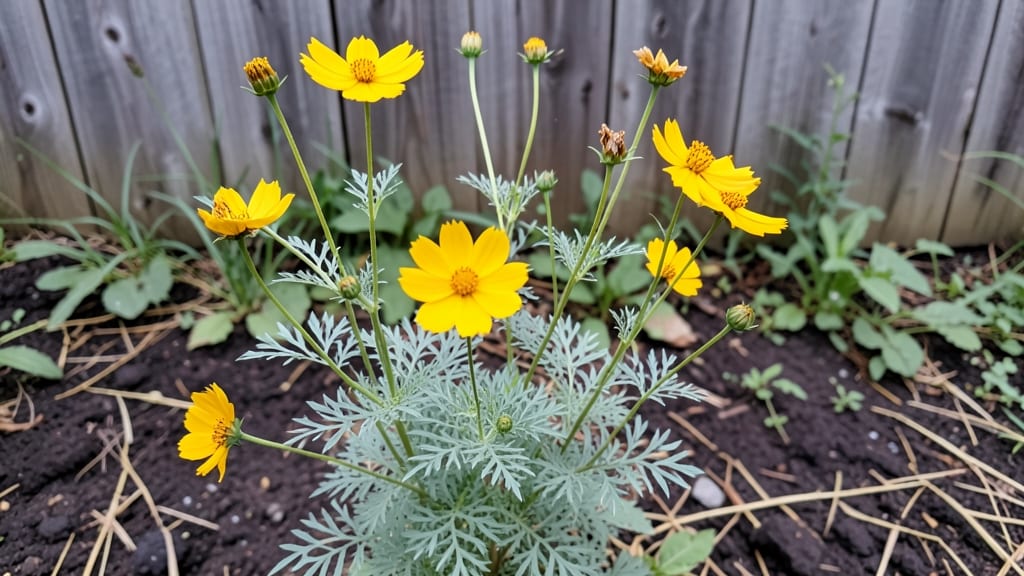
Golden cosmos flowers bring effortless sunshine to your Pacific Northwest garden—frost-resistant, drought-tolerant, and hummingbird magnets that thrive where other blooms fail. 🌻 I planted my first patch last spring after struggling with finicky perennials, and these cheerful yellow daisies didn’t just survive—they thrived, blooming from July until hard frost.
The secret lies in their adaptability: they handle our region’s cool, wet springs and unpredictable summers better than anything I’d tried before.
You’ll need just three things to get started: well-draining soil (they hate soggy roots), full sun (at least 6 hours daily), and minimal fuss. Skip the fancy amendments—cosmos grow best in average garden soil, and they self-seed like crazy, meaning fewer replanting headaches each year.
Space plants 12-18 inches apart in rows, and watch them shoot up to 3-4 feet tall with almost no effort on your part. The real magic happens when hummingbirds discover them, turning your garden into a buzzing, blooming oasis.
What you’ll end up with is a nonstop summer display of bright yellow blooms that last longer than most annuals, plus a garden teeming with pollinators. The flowers stay fresh in vases for weeks, and the plants keep producing until frost—no deadheading required.
Even my black thumb can’t kill these, and they handle our region’s cooler summers better than many heat-loving annuals. Once you plant them, you’ll wonder why you didn’t try them sooner.
They’re equally at home in container gardens (try 5-gallon pots for patio displays) or mixed borders, and they pair beautifully with lavender, salvia, or other drought-tolerant perennials. The only challenge? Resisting the urge to save every seed for next year. Let’s get those bright yellow blooms growing!
📚 In This Guide
- What you need
- Instructions
- Tips and common mistakes
- Wrapping up and next steps
What you need
- ● Seeds: Cosmos sulphureus (Golden Cosmos) – 20–50 seeds (or 1–2 seed packets for a small garden). Choose heirloom or organic varieties for best results.
- ● Potting mix: 1–2 bags of well-draining, organic potting soil (or a blend of 60% garden soil + 40% compost). Avoid heavy clay soils!
- ○ Containers (optional for starting indoors): 4–6 biodegradable seedling pots (2–3 inches deep) or
- ● 1–2 seed trays with drainage holes.
- ● Fertilizer: Balanced organic fertilizer (e.g., 5-5-5 or 10-10-10) – 1–2 tablespoons per plant at planting time.
- ○ Slow-release granules (optional) for long-term nourishment.
- ● Watering can or hose with a gentle spray nozzle (to avoid disturbing seeds).
- ● Garden twine or stakes (4–6 inches tall) – for supporting taller varieties if needed.
- ● Sunlight: A full-sun spot (6+ hours/day). Golden cosmos thrives in partial shade but blooms best with plenty of light!
- ● Climate: Hardiness zones 3–11 (perfect for the PNW’s frost!). Start seeds 4–6 weeks before last frost or direct-sow after soil warms.
- ● Soil pH: Slightly acidic to neutral (6.0–7.0). Test your soil or amend with lime if needed.
- ● Spacetime: 12–18 inches apart for bushy varieties (or 6–12 inches for dwarf types).
- ● Mulch: Straw or shredded leaves to retain moisture and suppress weeds.
- ● Compost tea – Boosts soil microbes and plant health.
- ● Hummingbird feeder – Place near flowers to attract pollinators! 🐦⬛
- ● Pruning shears – For deadheading spent blooms (encourages more flowers!).
Step-by-Step instructions for growing golden cosmos in the Pacific Northwest
Golden cosmos thrives in our cool, damp climate—here's how to coax those cheerful blooms through frost and into summer.
🌱 Step 1: Choose the Right Location and Prepare Soil
Golden cosmos adores full sun—at least 6-8 hours daily—but tolerates light shade in hot afternoons. In the Pacific Northwest, a south-facing spot with afternoon shade works perfectly. Avoid heavy, clay soils; cosmos roots need well-draining, slightly sandy loam to prevent rot.
Amend your soil with 2-3 inches of compost and mix in a handful of perlite or coarse sand per square foot. Work it into the top 12 inches of soil to improve drainage. I like to test the soil pH first—golden cosmos prefers 6.0-7.0. If your soil is too acidic, sprinkle lime and till it in a few weeks before planting.
🌱 Step 2: Sow Seeds Directly After Frost Danger Passes
Golden cosmos seeds germinate best in warm soil—wait until mid-to-late spring when nighttime temperatures stay above 50°F. Scatter seeds ¼ inch deep and 12 inches apart in rows 18 inches apart. I tap the seed packet gently to release seeds evenly—planting too many in one spot leads to weak, crowded stems.
Lightly cover with soil and mist the area until the surface looks damp but not soggy. Cosmos seeds need light to germinate, so don’t bury them too deeply. Expect sprouts in 7-14 days—you’ll see the first tiny leaves emerge when the soil feels warm to the touch in the afternoon.
☀️ Step 3: Provide Consistent Moisture and Minimal Fertilizer
Water deeply once a week (or more during dry spells) to encourage deep root growth. Let the top 2 inches of soil dry out between waterings—cosmos hate soggy roots. I water in the early morning to reduce fungal risks from evening moisture.
Skip heavy fertilizers—golden cosmos thrive in lean soil. Side-dress with compost tea or a low-nitrogen (5-10-10) fertilizer every 4-6 weeks to promote blooms over foliage. Too much nitrogen results in lush stems but few flowers, which is the opposite of what we want!
✂️ Step 4: Deadhead and Support for Longer Blooms
Pinch back the first set of true leaves when seedlings are 4-6 inches tall to encourage bushier growth. As flowers fade, deadhead spent blooms by snipping stems just above the next set of leaves. This redirects energy into new buds instead of seed production.
Tall cosmos varieties may need staking or lightweight cages to prevent flopping in wind or rain. I use bamboo stakes tied loosely with twine—tight knots can damage stems as they grow. In the Pacific Northwest’s damp climate, watch for powdery mildew on leaves. Space plants properly and water at the base to keep foliage dry.
🐦 Step 5: Enjoy Hummingbird Visits and Extend the Season
Golden cosmos attract hummingbirds like magnets—plant near seating areas or windows to watch them feed. The blooms last from mid-summer to first frost, but you can prolong flowering by cutting back stems by half after the first hard freeze. New growth often reblooms the following spring.
Save seeds from the best plants by letting a few flowers go to seed. Collect the dry seed heads in late fall, store them in a paper bag, and plant them the following spring. I’ve found that homegrown cosmos often outperform store-bought varieties in our climate!
Tips & tricks for perfect golden cosmos flower growth
A few strategic moves will help your golden cosmos thrive in our Pacific Northwest climate—where cool nights and damp conditions can challenge even the hardiest flowers.
Soil Preparation Secret: In Step 1, don't just amend the top 2-3 inches of soil—work that compost and perlite mix down to the full 12 inches. This creates a consistent moisture profile that cosmos roots love, especially during our rainy seasons. I've found that adding a handful of rice hulls to the mix helps with drainage in heavier soils, preventing that dreaded rot that can set in during our frequent cloudy spells.
Timing is Everything: For Step 2's 7-14 day germination window, I've learned to track the soil temperature using a simple soil thermometer. Aim for consistently above 60°F during the day—cosmos seeds need that warmth to break dormancy. In cooler springs, you might want to start seeds indoors in peat pots 4-6 weeks before your last frost date, then transplant when soil warms up. This gives you a head start on the 6-8 hours of sunlight they crave.
Watering Wisdom: When Step 3 calls for watering once a week, pay attention to the top 2 inches of soil drying out between waterings. In our Pacific Northwest climate, this can happen faster than you'd expect—especially if you're in the rain shadow areas. I water deeply in the morning, then check again after heavy rain to avoid over-saturation. The key is keeping those roots happy without creating soggy conditions that invite fungal issues.
Pacific Northwest-Specific Care: For Step 4's deadheading and staking, I've found that bamboo stakes work best in our windy conditions, but you can also use tomato cages for a more rustic look. When our first frost arrives, don't be afraid to cut back those stems by half—this rejuvenates the plant and often gives you a second flush of blooms in spring. Just make sure to save some seed heads for next year's planting!
Pro Tips for Golden Cosmos Flower
- A few strategic moves will help your golden cosmos thrive in our Pacific Northwest climate—where cool nights and damp conditions can challenge even the hardiest flowers.
- Soil Preparation Secret: In Step 1, don't just amend the top 2-3 inches of soil—work that compost and perlite mix down to the full 12 inches.
- Timing is Everything: For Step 2's 7-14 day germination window, I've learned to track the soil temperature using a simple soil thermometer.
Frequently asked questions
Got questions about growing the stunning golden cosmos flower in the Pacific Northwest? You’re not alone! Here are some of the most common queries—and their answers—to help you cultivate this frost-resistant beauty like a pro.
Can golden cosmos grow in cold climates like the PNW?
Golden cosmos (Cosmos sulphureus) thrives in the PNW’s cooler temperatures, especially in zones 5–9. While it prefers warmth, it’s surprisingly frost-tolerant—just plant after the last frost (late spring) for best results. Start seeds indoors 4–6 weeks early if you’re eager to beat the season!
How long does it take for golden cosmos to bloom?
From seed to flower, golden cosmos typically blooms in 60–70 days under ideal conditions. In the PNW, expect vibrant blooms from mid-summer to frost. For faster results, opt for transplants (they’ll flower in 4–6 weeks)!
Why aren’t hummingbirds visiting my golden cosmos?
Hummingbirds adore golden cosmos, but a few fixes can attract them faster:
- Ensure flowers are fully open (they love tubular blooms).
- Plant near water sources or feeders.
- Avoid pesticides—chemicals repel pollinators!
- Try companion plants like bee balm or salvia for extra appeal.
Are there drought-resistant alternatives to golden cosmos?
Yes! If your PNW garden needs low-maintenance, drought-tolerant blooms, try:
- Black-eyed Susan (Rudbeckia) – Thrives in poor soil and drought.
- Yarrow (Achillea) – Drought-proof and long-blooming.
- Blanket flower (Gaillardia) – Vibrant and heat-resistant.
What should I do if my golden cosmos gets powdery mildew?
Powdery mildew (a white, dusty fungus) can strike in humid PNW summers. Act fast:
- Prune affected leaves immediately and dispose of them.
- Space plants for better airflow (12–18 inches apart).
- Spray with a baking soda mix (1 tsp baking soda + 1 quart water + a drop of soap).
- Avoid overhead watering to keep foliage dry.
Wrapping up and next steps
The golden cosmos flower isn’t just a stunning addition to your Pacific Northwest garden—it’s a low-maintenance, frost-resistant superstar that hummingbirds adore! 🌸 With its vibrant blooms and easy-care nature, it’s perfect for both beginners and seasoned gardeners alike.
Whether you’re drawn to its cheerful appearance or its ability to thrive in cooler climates, this flower promises beauty with minimal effort.
Ready to transform your garden? Grab your seeds, pick a sunny spot, and start planting—your future hummingbird visitors (and your neighbors!) will thank you. Happy growing! 🌱