
Planting
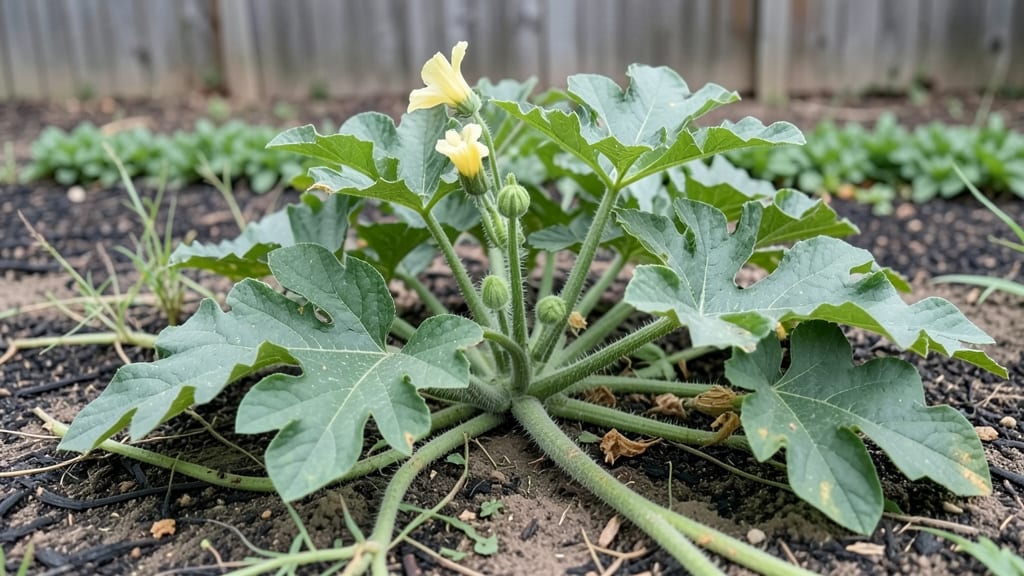
Those delicate, fragrant watermelon plant flowers are where the magic happens—each one holds the potential for a juicy harvest. 🌿 I’ve watched them unfurl at dusk, their sweet scent drawing hummingbirds that become my garden’s tiny pollinators, and I know the difference between a thriving vine and a fruitless one comes down to these blooms.
The flowers themselves are a study in contrast: bright yellow with a deep red center, they only open for a few hours each evening.
But what you can’t see is just as important—the male flowers (with long stems) and female flowers (with tiny fruit bumps) play distinct roles in fruit production. Get this right, and you’ll end up with melons; ignore it, and you’ll have a vine full of pretty (but useless) blossoms.
By the time your flowers start appearing, you’ll be ready to support them—whether that means inviting hummingbirds, hand-pollinating in greenhouses, or troubleshooting why some flowers drop off without setting fruit. The payoff? A vine heavy with melons by midsummer, all thanks to those first fragrant blooms.
This works for backyard gardens, container growing, or even small-space setups—just adjust your pollination approach. Let’s make sure every flower counts toward your harvest.
📚 In This Guide
- What you need
- Instructions
- Tips and common mistakes
- Wrapping up and next steps
What you need
- ● Watermelon Seeds: Choose a fragrant-flowering variety like ‘Moon and Stars’ or ‘Sugar Baby’ (10–20 seeds for a small patch).
- ● Well-Draining Soil: Mix 1 part compost with 2 parts potting soil (or garden soil amended with aged manure).
- ○ Containers (Optional): 5-gallon pots or larger (if growing in containers). Ensure pots have drainage holes!
- ● Support Structures: Trellises or cages (for vining varieties—2–3 feet tall for small patches).
- ● Garden Gloves (to protect from thorns and soil).
- ● Trowel or Transplant Spade (for digging and planting).
- ● Watering Can or Hose with Nozzle (gentle watering avoids disturbing roots).
- ● Pruning Shears (for trimming dead flowers or vines).
- ○ pH Test Kit (Optional)—ideal soil pH: 6.0–6.8.
- ● Red Flowers Nearby (e.g., bee balm or salvia) to complement watermelon blooms.
- ● Shallow Birdbath or Dripper (hummingbirds love water sources!).
Step-by-step guide to encouraging watermelon flowers
Here's how to coax those fragrant nighttime blooms from your watermelon vines.
🌱 Step 1: Plant in Full Sun with Proper Spacing
Watermelon flowers need full sun exposure—at least 8-10 hours daily. Choose a location where they'll receive unfiltered sunlight, as partial shade reduces flowering. I plant my vines 3-4 feet apart in rows spaced 6-8 feet apart to allow for proper air circulation, which prevents disease and encourages vigorous growth.
Use well-draining soil with a pH between 6.0 and 6.8. Amend heavy clay soil with compost to improve drainage. Watermelons are heavy feeders, so incorporate 2-3 inches of compost into the planting area before setting out your plants. This gives them the nutrients they need to produce abundant flowers.
💧 Step 2: Water Deeply and Consistently
Watermelon flowers are sensitive to moisture stress, so keep the soil evenly moist but not waterlogged. Water 1-2 inches per week, aiming for the base of the plant rather than overhead. I water early in the morning to allow foliage to dry before evening, which helps prevent fungal diseases like powdery mildew.
Deep watering encourages strong root development, which in turn supports more vigorous flowering. You'll know you're watering correctly when the top 1-2 inches of soil feel dry to the touch before the next watering. Avoid wetting the leaves or flowers, as this can lead to blossom end rot or other issues.
☀️ Step 3: Fertilize for Flowering and Fruit Set
Use a balanced fertilizer, like a 10-10-10 or 5-10-10 blend, when the plants are about 4-6 weeks old and again when flowers begin to appear. I switch to a low-nitrogen, high-phosphorus fertilizer, like 0-10-10 or 5-20-20, once flowers start forming to encourage fruit development.
Apply fertilizer according to package instructions, but cut back by half if your soil is already rich in organic matter. Over-fertilizing can lead to excessive leafy growth at the expense of flowers. You'll see the best results when the plants have plenty of nutrients but aren’t overwhelmed by them.
✂️ Step 4: Prune and Train Vines for Better Airflow
Prune watermelon vines to remove any yellow or diseased leaves, as well as any suckers growing below the first 6-8 inches of the main vine. This redirects the plant’s energy toward producing more flowers and fruit. I also train the main vines to spread out rather than grow vertically, which improves airflow and reduces the risk of disease.
Use soft ties or cloth strips to guide the vines along the ground or a trellis. Avoid using wire or anything that could damage the delicate stems. Pruning and training also make it easier to monitor for pests and diseases, so you can address issues before they become severe.
🌿 Step 5: Attract Pollinators with Companion Planting
Watermelon flowers rely on bees and other pollinators for fertilization. Plant companion flowers like marigolds, nasturtiums, or sunflowers nearby to attract these beneficial insects. I also avoid using pesticides during the flowering season, as they can harm pollinators and reduce fruit set.
If you're growing watermelons in an area with few pollinators, hand-pollinate the flowers by gently transferring pollen from the male flowers (which have long stems and no fruit at the base) to the female flowers (which have small watermelons at the base). Do this in the early morning when the flowers are fully open and the pollen is fresh.
Tips & tricks for perfect watermelon flowers
Here's what nobody tells you about getting those stunning nighttime blooms from your watermelon plants.
Sunlight Secret: Those 8-10 hours of daily sunlight aren't just about growth—they're crucial for triggering the flowering process. If your plants aren't getting full sun, you might see fewer flowers. I've found that even a few hours of afternoon shade can delay blooming, so choose your planting location carefully. For container growers, place pots where they'll get maximum sunlight throughout the day.
Soil Preparation Tip: The 2-3 inches of compost I mentioned isn't just about nutrients—it's about creating the perfect environment for roots to thrive. I like to mix in a handful of worm castings too, which add beneficial microbes that help the plants absorb nutrients more efficiently. This gives your watermelons a head start on producing those fragrant flowers.
Watering Wisdom: That 1-2 inches of water per week guideline is perfect, but timing matters just as much. I've learned the hard way that watering in the evening can lead to fungal issues. Instead, water early in the morning so the foliage has plenty of time to dry out. This keeps your plants healthy and ready to produce those beautiful night-blooming flowers.
Pruning Pro Tip: When you're removing those suckers below the first 6-8 inches of the main vine, don't be afraid to be aggressive. I've found that the more you prune back, the more energy the plant puts into producing flowers rather than extra foliage. Just remember to use clean, sharp pruners to avoid damaging the stems.
Pro Tips for Watermelon Plant Flowers
- Here's what nobody tells you about getting those stunning nighttime blooms from your watermelon plants.
- Sunlight Secret: Those 8-10 hours of daily sunlight aren't just about growth—they're crucial for triggering the flowering process.
- Soil Preparation Tip: The 2-3 inches of compost I mentioned isn't just about nutrients—it's about creating the perfect environment for roots to thrive.
Frequently asked questions
Why aren’t my watermelon flowers producing fruit?
Watermelon flowers are perfectly normal—but only the female flowers (with tiny fruit at their base) bear melons. If you see only male flowers (long stems, no fruit), check for these fixes:
- Pollination issues: Hand-pollinate with a paintbrush or invite bees and hummingbirds (they love the fragrant blooms!).
- Temperature stress: Watermelons need warmth (75–90°F) to set fruit. Cool nights (<60°F) can halt production.
- Nutrient imbalance: Add phosphorus-rich fertilizer (like 5-10-10) to encourage fruiting.
How long do watermelon flowers last before wilting?
Watermelon flowers are ephemeral—most last just 1–2 days before wilting, even if pollinated! The female flowers may linger slightly longer (up to 3 days) as the tiny fruit forms. Don’t panic! Healthy vines produce new flowers daily for weeks, especially with proper care.
Why do my watermelon flowers only open at night?
Many watermelon varieties (especially heirlooms like Moon and Stars) are nocturnal bloomers—their flowers open in the evening to attract night-flying pollinators like moths and hummingbirds. This is normal! If you’re hand-pollinating, check flowers early morning (they’ll be fresh and fragrant).
Can I eat watermelon flowers? Are they edible?
Absolutely!
Watermelon flowers are 100% edible and delicious—both raw and cooked. Try them in:
- Salads (toss with feta and honey ).
- Garnishes (sprinkle on soups or gazpacho).
- Stir-fries (they add a mild, slightly sweet crunch).
- Infused oils or vinegars (steep in olive oil for 24 hours).
What does it mean if my watermelon flowers are yellow or brown?
Color changes can signal problems—here’s what to watch for:
Issue
Cause
Fix
Yellowing flowers
Overwatering, fungal infection (like powdery mildew), or nutrient deficiency (nitrogen).
Improve airflow, reduce watering, and spray with neem oil.
Brown, crispy flowers
Underwatering, heat stress, or blossom end rot (calcium deficiency).
Water consistently and add crushed eggshells to soil.
Wrapping up and next steps
Growing watermelon plant flowers isn’t just about the sweet fruit—their fragrant, night-blooming beauty and hummingbird magnetism make them a garden standout! 🌙 With the right soil, sunlight, and care, you’ll enjoy vibrant blooms and a bountiful harvest.
Whether you’re a seasoned gardener or a curious beginner, every step you take brings you closer to that perfect sweet, juicy payoff.
Ready to dive in? Start by planting your seeds or seedlings this season—your future watermelon patch (and happy hummingbirds!) will thank you. Happy growing! 🌱