
Flowers
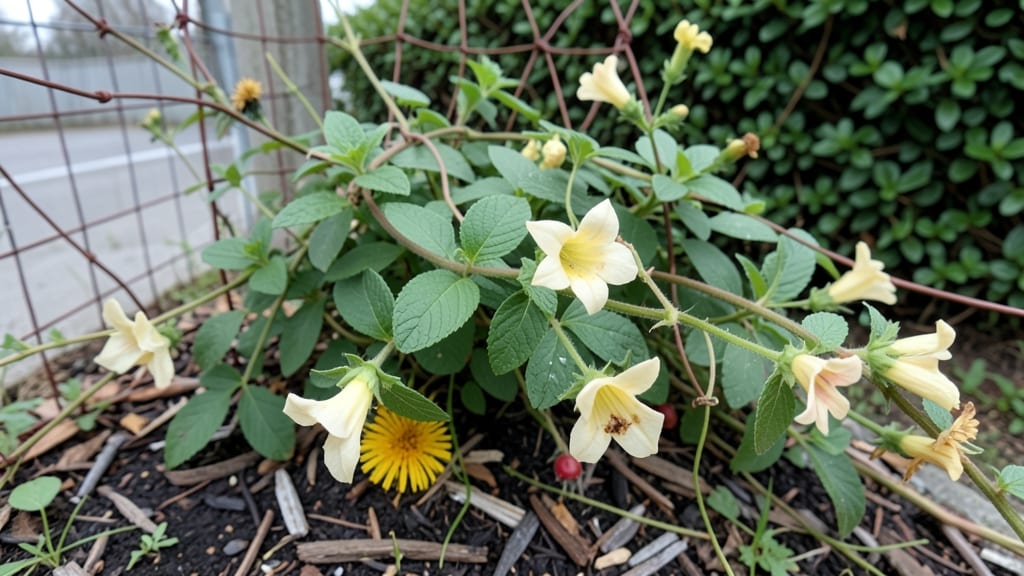
Growing honey suckle flowers in the Pacific Northwest means you can enjoy their sweet fragrance year after year, even when frost rolls in. 🌿 These hardy climbers and shrubs thrive where many plants struggle, and their ability to handle our damp, cool summers makes them a standout choice for local gardens.
The secret to success starts with the right spot—partial shade and well-draining soil are key. Most varieties tolerate our region’s wet winters, but planting on a slight slope helps prevent root rot. Choose between vigorous climbers like Lonicera sempervirens or compact shrubs like Lonicera pileata for different garden styles.
By early summer, you’ll be rewarded with clusters of tubular blooms that hummingbirds adore. The scent lingers long after the flowers fade, and many varieties produce edible berries later in the season. Pruning in late winter keeps them tidy and encourages fresh growth.
Whether you’re draping them over a trellis or using them as a privacy screen, honey suckles bring effortless charm to any Pacific Northwest garden. Let’s get yours established for years of fragrant beauty.
📚 In This Guide
- What you need
- Instructions
- Tips and common mistakes
- Wrapping up and next steps
What you need
- ● Honey suckle plants: 1–3 Lonicera varieties (e.g., Lonicera periclymenum ‘Graham Thomas’ or Lonicera sempervirens ‘Halliana’). Choose frost-resistant cultivars for PNW’s climate.
- ● Note: Buy from reputable nurseries (bare-root or potted) to ensure disease-free, healthy starts.
- ● Soil: 5–10 gallons of well-draining, slightly acidic soil (pH 5.5–6.5). Mix in compost (1 part compost to 3 parts native soil) for fertility.
- ○ Optional: Perlite or sand (10%) to improve drainage in heavy clay soils.
- ● Planting location: Sunlight: Partial shade to full sun (6+ hours of light daily, but protect from harsh afternoon sun in hot summers).
- ● Space: 3–6 feet apart (depending on variety; check tag guidelines).
- ● Support: A trellis, arbor, or fence (6–8 ft tall) for climbing varieties like Lonicera sempervirens.
- ● Basic tools: Garden trowel or shovel
- ● Pruning shears (sterilized with rubbing alcohol)
- ○ Gloves (optional but recommended for thorny varieties)
- ● Fertilizer: Balanced, slow-release fertilizer (10-10-10 or 5-10-10 NPK ratio). Apply once in early spring and again after flowering.
- ○ Optional: Organic options like worm castings or fish emulsion (follow package rates).
- ● Mulch: 2–3 inches of wood chips or shredded bark to retain moisture and regulate soil temperature.
- ● Watering supplies: Garden hose with a gentle spray nozzle or drip irrigation system.
- ● Watering can (for container gardening).
- ● 🌡️ Frost protection: If planting in early spring, cover young plants with frost cloth for the first 2–3 weeks.
- ● ✨ Pollinator-friendly: Add a small water source (birdbath or shallow dish) nearby to attract bees and hummingbirds!
- ● 🔥 Disease prevention: Avoid overhead watering to prevent fungal issues like powdery mildew.
Step-by-step instructions for growing Pacific Northwest honey suckle flowers
Here’s how to cultivate these hardy, fragrant climbers that thrive in our rainy climate.
🌱 Step 1: Choose the Right Honey Suckle Variety for Your Site
Pacific Northwest gardeners should prioritize native varieties like Lonicera ciliosa (Catalina ironwood) or Lonicera hispidula (bush honeysuckle), which handle our cool, wet summers and cold winters. Avoid tropical species—they’ll sulk in our climate. Check your site’s sun exposure: most honeysuckles need full sun to partial shade (at least 4-6 hours of direct light daily).
If planting near a fence or trellis, measure the mature width of your chosen variety—some sprawl 10-15 feet wide while others stay compact. I always plant mine 3-6 feet from structures to allow airflow and prevent mildew. Dig a hole twice as wide as the root ball but no deeper—honeysuckles hate soggy roots.
☀️ Step 2: Plant in Well-Draining Soil with Winter Protection
Amend heavy clay soil with 3-4 inches of compost mixed into the top 12 inches of native soil. Honey suckles tolerate poor soil but bloom best with fertile, slightly acidic conditions (pH 5.5-6.5). Test your soil—PNW clay often runs alkaline, and lime-loving plants will suffer. If needed, add sulfur or peat moss to lower pH before planting.
Plant in early spring (March-April) when soil warms to 50°F. Water deeply before planting, then place the root ball in the hole so the top sits 1 inch above ground level. Backfill with native soil, tamp gently, and water again until soil settles. Mulch with 3 inches of wood chips, keeping mulch 6 inches away from stems to prevent rot.
💧 Step 3: Water Deeply and Prune for Structure
Water once weekly during the first growing season, aiming for 1 inch of water per week. Let the top 2 inches of soil dry between waterings—overwatering causes root rot, especially in our damp climate. After establishment (year 2), honeysuckles are drought-tolerant but will reward you with more blooms if you keep soil consistently moist during summer.
Prune in late winter (February) before new growth starts. Remove dead, crossing, or weak stems at the base. Thin crowded canes to improve airflow—this prevents fungal diseases like powdery mildew, which thrives in PNW’s humid summers. Cut back overly vigorous growth by ⅓ to encourage bushier blooms.
✂️ Step 4: Encourage Blooms with Seasonal Care
Fertilize in early spring with a balanced 10-10-10 fertilizer (use ½ cup per plant). Avoid high-nitrogen fertilizers—they produce lush foliage but fewer flowers. I swear by compost tea in June to boost blooms without burning roots. Stop fertilizing after July 1 to let plants harden off for winter.
Watch for aphids or spider mites—they love honeysuckle’s sweet nectar. Spray with neem oil if you see sticky residue on leaves. Deadhead spent blooms in late summer to encourage a second flush of flowers. By October, cut back any remaining foliage by ⅔ to reduce winter dieback.
🪴 Step 5: Protect from Frost and Winter Wind
Mulch heavily (4-6 inches) with straw or leaves in November to insulate roots. Young plants (under 2 years) benefit from burlap wraps around stems in exposed sites. Mature honeysuckles handle 20°F without issue, but windburn can scorch new growth. Plant near a windbreak like a fence or evergreen hedge.
In March, remove winter protection and prune any frost-damaged stems. You’ll know it worked when bright green leaves appear within 2-3 weeks. Honey suckles are low-maintenance once established—just water in droughts and prune annually. Within 3-5 years, you’ll have a fragrant, wildlife-friendly privacy screen.
Tips & tricks for perfect Pacific Northwest honey suckle flowers
Here's what I've learned from years of growing these fragrant climbers in our rainy climate—tricks that'll help you avoid common pitfalls and get the most out of your honeysuckles.
The Variety Matters: When selecting your honeysuckle, pay close attention to the mature size listed on the tag. That 10-15 feet wide measurement isn't just marketing—it's real. I planted a compact variety near my patio and had to prune it back aggressively after just two years. Measure your space carefully and choose accordingly. For small gardens, Lonicera hispidula stays more compact while still producing abundant blooms.
Soil Prep is Non-Negotiable: Don't skip the soil test! PNW clay often tests alkaline, and honeysuckles prefer slightly acidic conditions (pH 5.5-6.5). I've seen gardeners skip this step and end up with yellowing leaves and poor blooms. If you're unsure about your soil pH, grab a test kit from your local garden center—it's worth the $10 investment. For heavy clay, mix in 3-4 inches of compost and consider adding sulfur if your soil tests above 7.0.
Pruning Timing is Critical: That February pruning in Step 3 isn't just about removing dead growth—it's about setting up the plant for maximum blooms. I learned this the hard way by pruning in spring instead. The key is to prune before new growth starts. Look for swollen buds along the stems—when you see those, it's time to prune. Cut back overly vigorous growth by ⅓ to encourage bushier, more productive canes. This is when you'll get the most flowers the following season.
Winter Protection Secrets: While honeysuckles handle 20°F well, young plants (under 2 years) need extra care. I've seen frost damage on new growth when plants aren't properly protected. For exposed sites, wrap stems in burlap and add an extra 2-3 inches of mulch around the base. In windy areas, consider planting near a windbreak like a fence or evergreen hedge. This simple step can make the difference between a plant that thrives and one that struggles.
Pro Tips for Honey Suckle Flowers
- Here's what I've learned from years of growing these fragrant climbers in our rainy climate—tricks that'll help you avoid common pitfalls and get the most out of your honeysuckles.
- The Variety Matters: When selecting your honeysuckle, pay close attention to the mature size listed on the tag.
- Soil Prep is Non-Negotiable: Don't skip the soil test!
Frequently asked questions
Got questions about growing honey suckle flowers in the Pacific Northwest?
Here are some of the most common ones—and their answers—to help you cultivate these fragrant, frost-resistant blooms with confidence.
When is the best time to plant honey suckle flowers in the PNW?
Plant honey suckle flowers in early spring (March–April) or fall (September–October) for the best results. This timing lets roots establish before summer heat or winter frost. Avoid planting in extreme heat or cold—both stress young plants.
How do I encourage more blooms on my honey suckle?
Prune your honey suckle after flowering (late winter/early spring) to remove dead wood and shape the plant. Avoid heavy pruning—these vines bloom on old wood, so cutting back too much may reduce flowers. Fertilize lightly in spring with a balanced, slow-release fertilizer for steady growth.
Are honey suckle flowers truly frost-resistant? What if we get a late freeze?
Yes! Honey suckle flowers are highly frost-resistant and thrive in the PNW’s cold winters. However, new growth in spring can be vulnerable to late frosts. Protect tender shoots with frost cloth or a light mulch if temperatures dip below 25°F. Most varieties bounce back quickly once warm weather returns.
Can I grow honey suckle flowers in containers? What size pot do I need?
Honey suckle vines do well in containers if given enough space. Use a large pot (at least 15–20 gallons) with drainage holes and a well-draining potting mix. Choose a trellis or sturdy support for climbing. Just remember: container-grown vines may need more frequent watering and winter protection (move pots indoors or wrap in burlap).
Do honey suckle flowers attract bees or other pests? Should I be concerned?
Honey suckle flowers are bee magnets—great for pollinators! However, they can also attract aphids or spider mites if stressed. Monitor leaves for sticky residue or webs. Treat infestations early with neem oil or insecticidal soap. Most pests won’t cause major harm, and the flowers’ fragrance often keeps bigger critters away.
What’s the best alternative if honey suckle flowers don’t thrive in my yard?
If your soil or climate isn’t ideal, try Pacific ninebark, red twig dogwood, or Oregon grape—all are PNW-friendly, fragrant, and frost-tolerant. For climbing alternatives, consider clematis or hops. Just ensure they match your light and moisture needs!
Wrapping up and next steps
Growing honey suckle flowers in the Pacific Northwest isn’t just about adding beauty to your garden—it’s about embracing a fragrant, resilient, and low-maintenance plant that thrives in your climate.
Whether you’re drawn to their sweet scent, wildlife-friendly appeal, or frost-hardy nature, these blooms are a game-changer for any outdoor space. 🌿
Ready to dive in? Start small—plant a single vine or a cluster—and watch your garden transform with seasonal color and charm. Before you know it, you’ll be sharing tips (and maybe even cuttings!) with fellow PNW gardeners. Happy planting! 🌸