
Propagation
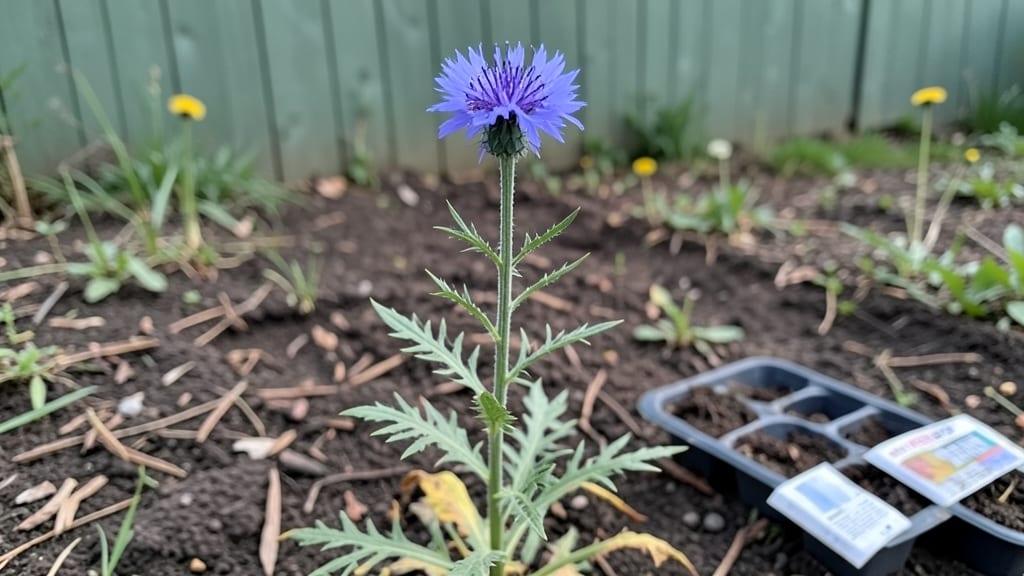
Growing cornflowers from seed is the fastest way to fill your garden with those striking blue blooms that hummingbirds can't resist. 🌿 I remember my first batch—scattered seeds in early spring, then waiting for those delicate stems to push through the soil like tiny blue flags.
The payoff? A summer of effortless color and pollinators that keep returning.
These hardy annuals thrive in poor soil and full sun, making them perfect for beginners or neglected patches. You’ll need just 1/4-inch planting depth, consistent moisture (but no soggy soil), and patience—germination can take 10-20 days if the soil stays cool.
Once established, they’re nearly indestructible, blooming from midsummer until frost.
By late June, you’ll have vibrant blue, pink, or white spikes towering over your garden, their papery petals catching sunlight like scattered jewels. Hummingbirds will hover just inches away, and you’ll understand why these old-fashioned flowers were once called the "farmer’s friend."
Works in borders, wildflower meadows, or even containers—just give them 6+ hours of sun and forget about fussing. Here’s how to get them started without the guesswork.
📚 In This Guide
- What you need
- Instructions
- Tips and common mistakes
- Wrapping up and next steps
What you need
- ● Cornflower seeds: 1 packet (typically contains 500–1,000 seeds; enough for a full garden bed or containers). Choose Centaurea cyanus for classic blue or heirloom varieties like 'Black Star' for drama.
- ● Seed-starting mix: 1 bag (1–2 cubic feet) of sterile, well-draining potting soil (look for "seed-starting" or "organic" blends). Avoid garden soil—it’s too dense for tiny seeds!
- ● Containers or trays: Option 1: Seedling trays with cells (50+ cells) or small pots (2–3 inches deep).
- ● Option 2: Biodegradable peat pots (if direct-sowing outdoors).
- ● Grow lights or sunny windowsill: A full-spectrum LED grow light (12–16 inches above seedlings) or a south-facing window with 6+ hours of sunlight daily.
- ● Spray bottle: With water (for gentle seedling hydration).
- ○ Fertilizer (optional but helpful): A balanced liquid fertilizer (5-5-5 or 10-10-10) diluted to half-strength for young plants.
- ● Heat mat: For faster germination (70–75°F is ideal).
- ● Humidity dome: Keeps moisture in while seeds sprout.
- ● Twine or stakes: For supporting taller varieties later.
- ● Compost or worm castings: Mix 10% into soil for extra nutrients.
- ● Hummingbird feeder: Place near mature plants to attract pollinators! 🐦⬛
Step-by-Step instructions for growing cornflowers from seed
Here's my foolproof method for coaxing these cheerful blue blooms from tiny seeds into a hummingbird magnet.
🌱 Step 1: Prepare Seeds and Planting Site
Cornflowers thrive in full sun and poor soil—don't over-fertilize, or you'll get lush foliage but few flowers. Scatter seeds directly into the garden in early spring, about 4-6 weeks before your last frost date, when soil temperatures reach at least 50°F. I like to broadcast seeds thinly across prepared beds since they self-sow readily.
Cornflower seeds don't need light to germinate, so you can plant them ½ inch deep without worrying about covering them too heavily. Lightly rake the soil surface to ensure good seed-to-soil contact, which helps moisture reach every seed. If your soil is rocky or compacted, mix in a thin layer of compost to improve drainage—cornflowers despise soggy roots.
☀️ Step 2: Provide Consistent Moisture and Sun
Keep the planting area evenly moist until germination, which typically occurs in 10-14 days. You'll notice tiny green shoots pushing through the soil when conditions are right. Once sprouted, reduce watering to once weekly unless your region experiences extreme heat—cornflowers are drought-tolerant once established.
Place your cornflowers in a location receiving full sun (6+ hours daily). These plants grow 2-4 feet tall, so they make excellent back-of-the-border plants or cut flowers. If you're growing them in containers, choose pots at least 12 inches deep to accommodate their taproots. Watch for leggy growth—this signals insufficient light, and you may need to move plants closer to a sunny window.
🌿 Step 3: Thin Seedlings and Encourage Blooms
When seedlings reach 2-3 inches tall, thin them to stand 12-18 inches apart. I use small scissors to snip unwanted seedlings at soil level rather than pulling, which disturbs nearby roots. Cornflowers self-seed prolifically, so thinning ensures your strongest plants get proper nutrients and air circulation.
Once flowers appear, deadhead spent blooms regularly to encourage continuous flowering. I pinch off faded blooms with my fingers—no need for pruners. This simple step extends the blooming season from early summer until frost. Cornflowers attract pollinators like hummingbirds and bees, so resist the urge to remove all seed heads if you want next year's crop to appear naturally.
⏰ Step 4: Maintain Through the Growing Season
Cornflowers require minimal care once established. Water deeply once weekly during dry spells, focusing on the soil rather than the foliage to prevent fungal diseases. These plants handle poor soil conditions beautifully, so don't amend the soil with rich compost unless you're growing them in containers.
Watch for powdery mildew in humid climates. If you notice white powder on leaves, improve air circulation by spacing plants further apart or pruning nearby foliage. Cornflowers are generally pest-free, but you might encounter aphids on new growth. A strong spray of water usually dislodges them without chemicals—these flowers are tough survivors.
🪴 Step 5: Harvest and Enjoy the Blooms
Cut flowers when buds begin to open for the longest vase life. Use clean pruners to snip stems at a 45-degree angle just above a leaf node. Remove lower leaves to prevent water contamination in your vase. Cornflowers make excellent cut flowers, lasting 5-7 days when properly cared for.
For a continuous display, stagger your planting times by 2-3 weeks in early spring. This ensures blooms appear throughout the summer. Save seeds from your healthiest plants by allowing a few flowers to mature fully. Collect dried seed heads in late summer, store them in a cool, dry place, and plant them next year for an easy, self-sustaining garden feature.
Tips & tricks for perfect cornflower cultivation
These insider secrets will help you coax vibrant blue blooms from tiny seeds with minimal fuss—because even the hardiest gardeners need a little help getting started.
Soil Temperature Matters: That 50°F minimum soil temperature in Step 1 is non-negotiable for germination. I've learned the hard way that planting too early in chilly soil leads to seeds sitting dormant for weeks. Use a soil thermometer to confirm—it's worth the investment. If your spring starts cold, consider starting seeds indoors in 70°F conditions for 2 weeks before transplanting outdoors once soil warms.
Thinning Technique: When your seedlings reach 2-3 inches tall in Step 3, resist the urge to pull—those taproots are fragile! Use clean scissors to snip at soil level instead. I've found that thinning in stages over 2 weeks reduces stress on remaining plants. Space them 12-18 inches apart to give their roots room to establish properly, which translates to stronger stems and more abundant blooms.
Deadheading Strategy: The key to continuous flowering is consistent deadheading—pinch off spent blooms regularly as mentioned in Step 3. I've noticed that removing faded flowers at their base (where the stem meets the flower head) rather than pulling the whole bloom prevents seed formation and encourages new growth. This simple habit can extend your blooming season by 4-6 weeks—the difference between a summer display and a fall spectacle.
Container Growing Hack: For those growing in pots, remember that 12-inch depth is minimum—deeper containers yield stronger plants. I've had success with 18-inch deep pots that accommodate the full taproot length, which results in plants that reach their full 2-4 feet height without flopping. Add a layer of gravel at the bottom to prevent waterlogging, which cornflowers absolutely despise.
Pro Tips for Growing Cornflowers From Seed
- These insider secrets will help you coax vibrant blue blooms from tiny seeds with minimal fuss—because even the hardiest gardeners need a little help getting started.
- Soil Temperature Matters: That 50°F minimum soil temperature in Step 1 is non-negotiable for germination.
- Thinning Technique: When your seedlings reach 2-3 inches tall in Step 3, resist the urge to pull—those taproots are fragile!
Frequently asked questions
Got questions about growing cornflowers from seed? You’re not alone! Here are answers to the most common ones—so you can dive in with confidence and watch those vibrant blooms take over your garden.
When is the best time to plant cornflower seeds?
Cornflowers thrive when sown directly in the garden after the last frost date in spring (around April–May in most zones). For a longer bloom time, you can also do a second sowing in early summer. If you’re in a warm climate, fall planting is possible too—just avoid winter frost. Pro tip: Seeds germinate best in soil that’s at least 60°F (15°C).
How long does it take for cornflower seeds to germinate?
Cornflower seeds are fast! You’ll typically see sprouts in 7–14 days if the soil is warm and moist. Keep the soil consistently damp (but not soggy) during this time. If germination takes longer, check that your seeds are fresh and the soil isn’t too cold. Patience pays off—those first blue spikes are worth the wait!
Why aren’t my cornflowers attracting hummingbirds?
Hummingbirds love cornflowers, but a few things might be keeping them away: deadhead spent blooms to encourage new flowers, ensure your plants get 6+ hours of sun daily, and avoid pesticides (they’re toxic to pollinators). If birds still ignore them, try planting near other nectar-rich flowers like bee balm or salvia for a stronger draw. Bonus: Red or pink cornflowers often get more attention than blue!
Can I grow cornflowers in containers or small spaces?
Cornflowers are perfect for containers—they’re compact (1–3 feet tall) and thrive in pots at least 6 inches deep. Use well-draining soil and place them in full sun. Just be sure to deadhead regularly to keep them blooming all season. For small spaces, try dwarf varieties like ‘Little Goblin’ or ‘Thunderbird’ for a pop of color without the height.
What should I do if my cornflower seedlings look leggy or weak?
Leggy seedlings usually mean they’re stretched for light. If this happens, thin them out to give each plant 12–18 inches of space and move the container to a sunnier spot. If you’re starting indoors, use a grow light 12–14 inches above the seedlings for 14–16 hours a day. Once outdoors, harden them off gradually to avoid shock. Remember: Strong roots = strong stems!
Do cornflowers need special care in hot or dry climates?
Cornflowers are drought-tolerant once established, but young plants need consistent moisture. In hot climates, water deeply 1–2 times per week and mulch around the base to retain soil moisture. If blooms wilt in heat, give them a morning drink (watering in the evening can encourage fungal issues). They’ll bounce back quickly—these tough little plants are built for resilience!
Wrapping up and next steps
Growing cornflowers from seed is a rewarding journey that brings vibrant blue blooms and cheerful hummingbirds to your garden! 🌸 With just a little patience and care, you can enjoy their striking beauty all summer long.
Now that you’re armed with the right tips, why not take the next step? Start your seeds indoors or sow them directly in the soil this spring—your garden (and local pollinators!) will thank you.