
Container Gardens
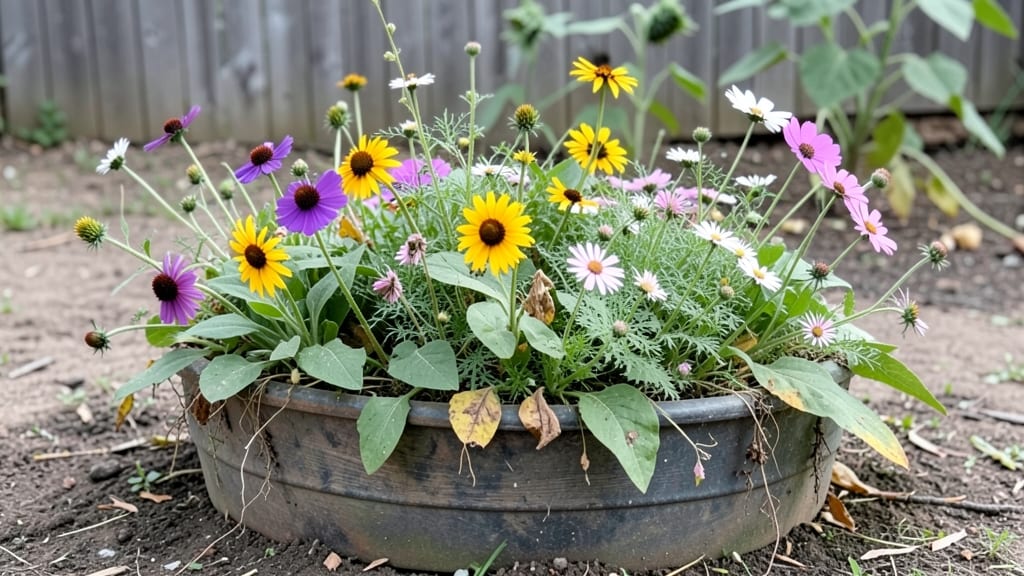
Growing wildflowers in containers turns even tiny balconies into buzzing pollinator paradises. 🌸 I first tried this after my neighbor's yard became a magnet for bees and butterflies—and I wanted that magic without the weeds or digging.
The secret lies in the right mix of seeds, soil, and containers that let roots breathe while keeping water where it belongs.
You’ll need shallow but wide containers (at least 6 inches deep) with drainage holes, a lightweight potting mix, and a wildflower seed blend suited to your sun exposure. No fancy tools—just a trowel, gloves, and patience.
The best part? These flowers thrive in partial shade to full sun, so even apartment balconies work. Just avoid overcrowding by spacing seeds properly.
By midsummer, you’ll have a riot of color—think purple coneflowers, golden black-eyed Susans, and delicate baby’s breath—while supporting local bees and butterflies. The maintenance is minimal: water when the top inch of soil dries, deadhead spent blooms, and enjoy zero weeding compared to in-ground gardens.
Even my black thumb keeps these alive.
Works for urban patios, rooftops, or even windowsills with enough light. The only rule? Don’t skimp on drainage—wildflowers hate soggy feet. Ready to turn your containers into a pollinator party?
📚 In This Guide
- What you need
- Instructions
- Tips and common mistakes
- Wrapping up and next steps
What you need
- ● Containers: 1–3 well-draining containers (5–10 gallons each, with drainage holes). Options: ceramic pots, fabric grow bags, or repurposed buckets.
- ● Window boxes or hanging baskets (for vertical gardens, 6–12 inches deep).
- ● Wildflower Seeds: Native wildflower mix (1–2 oz per container, or follow package instructions). Choose sun-loving varieties like cosmos, black-eyed Susans, or coneflowers.
- ● Pre-mixed pollinator blends (for attracting bees and butterflies!).
- ● Growing Medium: Potting soil (1 bag for 3–4 containers). Opt for a lightweight, well-draining mix (e.g., 60% potting soil + 40% perlite or sand).
- ● Tools: 1 hand trowel (for planting seeds).
- ● 1 spray bottle (for gentle watering).
- ● 1 measuring cup (for soil and seed quantities).
- ● Slow-release fertilizer (granular, 1 tbsp per container at planting time).
- ● Mulch or pebbles (to retain moisture and suppress weeds).
- ● Drip irrigation kit (for hands-off watering).
- ● Garden gloves (to keep hands clean!).
- ● Label markers (to track seed varieties).
Step-by-Step instructions for growing wildflowers in containers
Here's how to create vibrant, low-maintenance container displays that bloom all season without the weeds.
🪴 Step 1: Select the Right Containers and Drainage
Choose containers with drainage holes—wildflowers despise soggy roots. I prefer 12-18 inch wide pots or window boxes for maximum impact, but even 6-inch pots work for small varieties. Terra cotta breathes best, but any material works as long as it has drainage. Place a 1-inch layer of gravel or broken pottery at the bottom to prevent soil compaction and improve aeration.
For 4 containers, select pieces with varied heights and textures—this creates visual interest while keeping the wildflower aesthetic. Group shallow containers together for a natural meadow feel, and deeper pots work well for taller varieties like coneflowers or black-eyed Susans. Avoid glossy finishes; matte surfaces help soil dry faster and prevent overheating.
🌱 Step 2: Prepare Lightweight, Well-Draining Soil Mix
Wildflowers thrive in lean, gritty soil that mimics their natural habitats. Mix equal parts potting soil and coarse sand or perlite—this prevents compaction and allows excess water to escape. I add a 10-20-10 fertilizer at a rate of 1 tablespoon per gallon of mix to give seedlings a nutrient boost without encouraging weeds.
Fill containers to 2 inches below the rim—wildflowers hate wet feet, so leave space for watering. Tap the sides gently to settle the mix, then water thoroughly until moisture runs freely from the drainage holes. Let it drain completely before planting; soggy soil smothers delicate wildflower roots. For 4 containers, prepare about 10 gallons total of this mix.
☀️ Step 3: Choose and Plant Wildflower Seeds
Select a mix of annual and perennial wildflowers for continuous color. For 4 containers, I recommend 1/4 cup of mixed seeds per container, including sun-loving varieties like cosmos, zinnias, and black-eyed Susans. Scatter seeds evenly—wildflowers don’t need precision planting. Press them 1/4 inch deep into the soil; most need only light coverage to germinate.
Water gently with a spray bottle until the soil surface is damp but not soaked. Place containers in a sunny spot with 6+ hours of direct sunlight daily. Germination takes 7-21 days, depending on the variety and temperature. Keep the soil consistently moist (but never soggy) until seedlings appear—this is the most critical phase. Thin seedlings to 3-4 inches apart once they reach 2 inches tall to prevent overcrowding.
💧 Step 4: Water and Maintain for Continuous Blooms
Once established, wildflowers are drought-tolerant, but containers dry out faster than garden beds. Water deeply every 2-3 days until water runs from the drainage holes, then let it dry between waterings. Mulch with 1 inch of gravel or decorative stones to retain moisture and suppress weeds—wildflowers compete fiercely with invasive plants.
Deadhead spent blooms by snipping stems just above the first set of leaves to encourage more flowers. Fertilize lightly every 4-6 weeks with a 5-10-5 fertilizer to support blooming without promoting leafy growth. In late summer, reduce watering slightly to harden off perennials for winter. Move containers to a sheltered spot if frost is expected.
✂️ Step 5: Overwinter and Renew for Next Season
After the first frost, cut back dead foliage to 2 inches above the soil line to tidy containers and remove potential disease sites. For tender perennials, wrap containers in burlap and move them to a 40-50°F garage or unheated shed. Most annuals will die back naturally, but their seeds will often self-sow for next year’s display.
In early spring, refresh the soil with a 1-inch layer of compost and replant any missing spots. Wildflowers are remarkably resilient—many will reseed themselves, creating a self-sustaining meadow in containers. Rotate containers annually to prevent soil depletion and introduce new varieties to keep the color show vibrant.
Tips & tricks for perfect wildflower container gardens
Here's what I've learned from years of growing wildflowers in containers—these tips will help you avoid common pitfalls and create stunning displays.
Container Selection Wisdom: In Step 1, when choosing containers, prioritize materials that breathe—terra cotta is ideal because it wicks moisture away from roots, preventing the soggy soil wildflowers hate. For larger containers (12-18 inches), consider adding a second drainage hole if your container only has one at the bottom. I've found that grouping containers of similar size creates a more natural meadow effect while allowing proper air circulation between plants.
Soil Mix Strategy: The equal parts potting soil to sand/perlite ratio in Step 2 is crucial, but don't skimp on the perlite—it's what creates that essential air space wildflowers need. For Step 2's 10 gallons of mix, I recommend adding 1 tablespoon of compost to each gallon along with the 10-20-10 fertilizer. This extra organic matter helps retain moisture while still maintaining that lean, gritty texture wildflowers prefer.
Germination Game-Changer: During the critical germination phase in Step 3, place a clear plastic bag over each container to create a mini greenhouse effect. This maintains humidity while still allowing light penetration—wildflower seeds need consistent moisture to germinate, but they'll rot if kept too wet. Remove the bags once you see sprouts, typically within 7-14 days. Just be sure to prop them open slightly for ventilation to prevent mold.
Seasonal Maintenance: In Step 4, when deadheading spent blooms, use clean, sharp scissors rather than your fingers. This prevents spreading disease between plants. For containers on patios or decks, I recommend adding a layer of landscape fabric under your gravel mulch—this blocks weeds while still allowing water to penetrate. The fabric lasts multiple seasons and makes cleanup much easier when it's time to refresh your containers.
Pro Tips for Growing Wildflowers In Containers
- Here's what I've learned from years of growing wildflowers in containers—these tips will help you avoid common pitfalls and create stunning displays.
- Container Selection Wisdom: In Step 1, when choosing containers, prioritize materials that breathe—terra cotta is ideal because it wicks moisture away from roots, preventing the soggy soil wildflowers hate.
- Soil Mix Strategy: The equal parts potting soil to sand/perlite ratio in Step 2 is crucial, but don't skimp on the perlite—it's what creates that essential air space wildflowers need.
Frequently asked questions
Got questions about growing wildflowers in containers?
Here are some of the most common ones—and their answers—to help you get started with confidence!
What’s the best container size for wildflowers?
Most wildflower mixes thrive in containers at least 6–12 inches deep and 12–18 inches wide. Shallow pots (like window boxes) work for tiny varieties, but deeper containers support taller blooms and better root growth. Pro tip: Drill drainage holes if they’re not already there—wildflowers hate soggy feet!
When is the best time to plant wildflower seeds in containers?
For fastest results, sow seeds in early spring (after the last frost) or late summer (6–8 weeks before the first frost). If you’re in a warm climate, fall planting can also work. Key trick: Chill seeds in the fridge for 1–2 weeks before planting to mimic winter—this breaks dormancy and boosts germination rates!
Can I reuse soil from last year’s container garden?
It’s possible, but sterilize it first to kill weeds, fungi, or pests. Bake soil in the oven at 200°F for 30 minutes or microwave it in 1-cup portions for 2 minutes. Better yet: Mix old soil with fresh potting mix (60/40 ratio) and add compost for nutrients. Wildflowers are low-maintenance, but they’ll thank you for a clean start!
How do I keep pests (like aphids or slugs) away from my container wildflowers?
Prevent pests with prevention! Use neem oil (mix 1 tbsp with 1 quart water) as a spray, or introduce beneficial insects like ladybugs. For slugs, set up beer traps (bury a shallow dish filled with beer) or use copper tape around container edges. Bonus: Plant marigolds or basil nearby—they repel pests naturally!
Do wildflowers in containers need as much water as in-ground plants?
Yes! Containers dry out much faster, so check soil moisture daily during hot spells. Water deeply early in the morning to reduce evaporation, and avoid overhead watering (it can spread disease). Let the top inch of soil dry out between waterings—wildflowers are drought-tolerant once established, but seedlings need consistent moisture.
What can I do if my wildflowers aren’t germinating?
Try these fixes: Press seeds lightly into soil (they need light to sprout), keep soil consistently moist (not soggy), and ensure temps stay between 60–75°F. If using a mix, some seeds may take 2–3 weeks to appear—patience is key! Troubleshoot: Test seed viability by soaking a few in water; if they sink, they’re likely good.
Wrapping up and next steps
Growing wildflowers in containers is a joyful, low-maintenance way to bring vibrant color and life to your space—no weeds or digging required! 🌸 Whether you’re a seasoned gardener or a beginner, these hardy blooms thrive in pots, balconies, or even window boxes with just a little sunlight and care.
Start small, experiment with mixes, and let nature do the rest.
Ready to dive in? Pick your favorite wildflower seeds and give container gardening a try—your future garden (and pollinators!) will thank you. Happy planting! 🌿