
Size
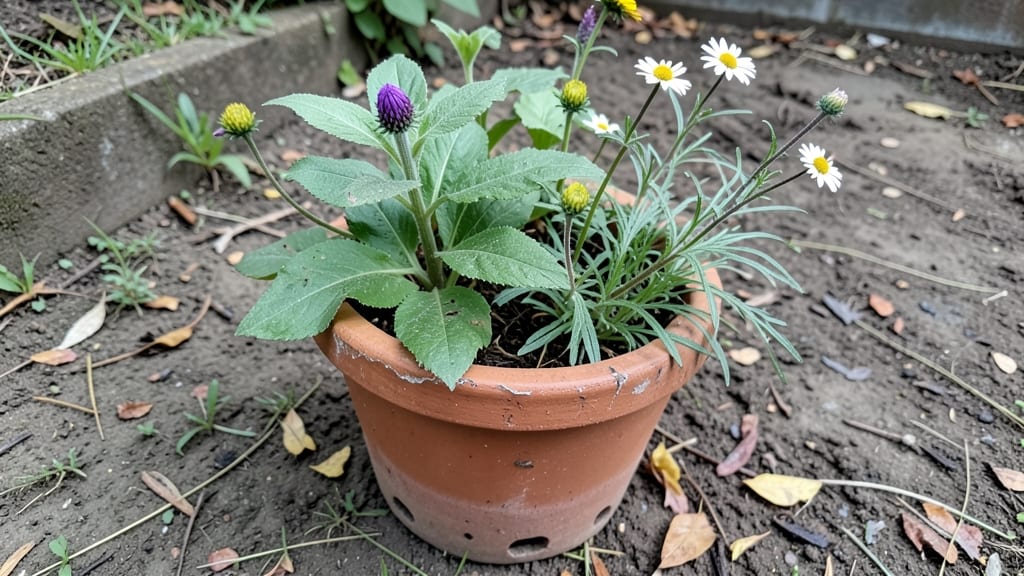
Growing wildflowers in pots turns even the smallest balcony into a buzzing pollinator paradise—no yard required. 🌸 I started with just three thrift-store planters and a handful of native seeds, and now my tiny space attracts hummingbirds, bees, and butterflies year-round.
The key isn't fancy equipment but matching the right wildflowers to your light, containers to your space, and a watering routine that keeps roots happy without drowning them.
You'll need containers with drainage holes (even old colanders work), a mix of potting soil and sand for aeration, and seeds suited to your climate—annuals for quick color, perennials for lasting beauty.
Most wildflowers thrive in full sun but adapt to partial shade, making them perfect for city balconies or shaded patios. The best part? They require almost no maintenance once established, unlike fussy annuals that demand constant deadheading.
By midsummer, you'll have a riot of color—purples, yellows, and whites—that keeps blooming until frost. The air hums with pollinators, and your neighbors will ask how you pull off such effortless beauty.
Overcrowding? Just thin seedlings or split pots. Drainage issues? Add gravel to the bottom. It's gardening that actually gets easier with time.
This method works for urban apartments, fire escapes, or even windowsills with enough light. Start with a single pot to test what thrives in your space, then expand next season. The payoff isn't just pretty flowers—it's a tiny ecosystem that supports wildlife while requiring less work than a single houseplant.
📚 In This Guide
- What you need
- Instructions
- Tips and common mistakes
- Wrapping up and next steps
What you need
- ● Containers: 1–3 pots per wildflower type (5–12 inches deep, with drainage holes). Choose lightweight materials like terra cotta, plastic, or fabric grow bags.
- ● Potting Mix: 1 bag (1–2 cubic feet) of well-draining, seed-starting mix (avoid garden soil—it compacts too much!).
- ● Wildflower Seeds: Native or drought-tolerant seed blends (e.g., cosmos, black-eyed Susans, or poppies). Buy 1–2 packets per pot (check planting density on the label).
- ● Drainage Layer: Small pebbles, perlite, or coarse sand (½ inch at the pot’s bottom).
- ● Watering Can or Spray Bottle: With a narrow spout for gentle watering.
- ● Gloves & Hand Trowel: For easy handling and soil prep.
- ● Slow-Release Fertilizer: A balanced, organic pellet (5–10g per pot) to boost early growth.
- ● Mulch: A light layer of gravel or straw to retain moisture.
- ● Self-Watering System: Wick pots or drip irrigation for busy gardeners.
- ● Sunlight Meter or App: To track light exposure (wildflowers need 6+ hours of sun/day).
- ● Decorative Stones or Paint: To customize pots and add charm!
Step-by-Step instructions for growing wildflowers in containers
Here’s how to create a vibrant balcony garden with wildflowers that thrive in pots year-round.
🌱 Step 1: Select the Right Containers and Drainage
Choose pots with drainage holes at least 6-8 inches deep for most wildflower species—shallow-rooted varieties like cosmos and zinnias do well in 4-inch pots, while deeper-rooted types like black-eyed Susans need 12-inch containers. I prefer terracotta because it breathes and prevents root rot, but plastic works too if you drill extra holes.
Line the bottom of each pot with 1-2 inches of gravel or broken pottery to improve drainage. This prevents soggy soil, which wildflowers hate—especially in cooler months when evaporation slows. If your pots lack drainage, elevate them on saucers or stands to catch excess water.
🌿 Step 2: Use a Well-Draining Soil Mix
Wildflowers thrive in loose, gritty soil that mimics their native prairie or meadow habitats. Mix 50% potting soil with 30% perlite or coarse sand and 20% compost for nutrients. Avoid garden soil—it compacts and suffocates roots. I add a handful of horticultural charcoal to deter fungal issues, especially in humid climates.
Fill pots to 1 inch below the rim, leaving room for watering. Press the mix lightly to remove air pockets but don’t compact it—wildflowers need aerated roots. For 4 pots, you’ll need about 3 gallons of this blend total. Moisten the mix until damp (like a wrung-out sponge), but don’t soak it.
🌱 Step 3: Plant Seeds or Transplants Correctly
For seeds, scatter them lightly on the soil surface—most wildflowers don’t need deep planting. Press them in gently with your fingers (no burying!) and cover with a thin layer of vermiculite to retain moisture. Water gently with a spray bottle until the soil is evenly moist. Seeds like cosmos and bachelor’s buttons germinate best in 65-75°F soil, so use a heat mat if your balcony runs cooler.
If using transplants, dig holes twice as wide as the root ball but no deeper. Space small varieties (less than 6 inches tall) 3-4 inches apart; taller types (12+ inches) need 8-12 inches of space. Tap the pot edges to loosen roots before removing, and water immediately after planting to settle the soil.
☀️ Step 4: Provide Sun and Water Strategically
Wildflowers need full sun (6+ hours daily) for vibrant blooms, but a few varieties (like shade-loving asters) tolerate 4-6 hours. Place pots where they’ll get morning sun and afternoon shade in hot climates. Rotate pots weekly to prevent leaning. I use self-watering containers for summer to avoid overwatering—wildflowers wilt fast but bounce back quickly if soil dries out.
Water deeply 2-3 times per week (more in heatwaves) until water runs through the drainage holes. Let the top 1 inch of soil dry between waterings—this mimics their drought-resistant nature. Overwatering causes root rot, which kills wildflowers faster than underwatering. Fertilize lightly with balanced 10-10-10 once a month during growing season.
✂️ Step 5: Deadhead and Maintain for Continuous Blooms
Pinch back spent blooms regularly to encourage new flowers—this is key for year-round color. Use clean scissors to cut just above the next set of leaves. For self-seeding varieties (like poppies or coreopsis), leave some seed heads to scatter naturally. I harvest 10-20% of blooms for bouquets to prolong the plant’s energy.
In fall, reduce watering as growth slows. Trim back woody stems by half after the first frost, but leave basal foliage for early spring regrowth. Mulch with 1 inch of straw in winter to insulate roots. With proper care, your wildflowers will return stronger each year, filling your balcony with color from spring to frost.
Tips & tricks for perfect wildflower container gardens
A few key strategies will help your wildflowers thrive in pots and bring that balcony paradise to life.
Container Selection: Terracotta pots are ideal because they wick away excess moisture, but if you choose plastic, drill extra drainage holes along the sides near the bottom. For 4-inch pots, select varieties like cosmos or zinnias—they’re shallow-rooted and perfect for smaller containers. If you’re growing black-eyed Susans, opt for the 12-inch containers mentioned in Step 1 to give their deeper roots room to spread. I’ve found that grouping pots of similar size creates a cohesive look while allowing each plant to access the right amount of space.
Soil Mix Mastery: The 50-30-20 mix of potting soil, perlite/sand, and compost is non-negotiable for wildflowers—they despise compacted soil. When mixing, sift the perlite through a fine mesh to avoid large chunks that could disrupt root growth. For extra insurance against fungal issues, especially in humid climates, add 1 tablespoon of horticultural charcoal per gallon of mix. This subtle addition creates a barrier against pathogens without altering the soil structure. Remember to fill pots to just 1 inch below the rim—this prevents spills during watering while leaving room for root expansion.
Seed Starting Secrets: When planting seeds in Step 3, use a spray bottle to moisten the soil rather than pouring water directly. This prevents seeds from washing away or becoming waterlogged. For seeds like cosmos and bachelor’s buttons that prefer 65-75°F soil, place pots on a heat mat set to 70°F until germination occurs. I’ve seen germination rates double when using this method—especially important if you’re starting seeds indoors before the last frost. Once seedlings appear, remove the vermiculite cover and keep the soil consistently moist but never soggy.
Year-Round Care Calendar: The weekly rotation mentioned in Step 4 isn’t just about aesthetics—it ensures even sun exposure, which prevents lopsided growth. In summer, increase watering to every other day during heatwaves while maintaining the 1-inch dry topsoil rule between waterings. For winter care, reduce watering as growth slows, but don’t let pots dry out completely. The 1-inch straw mulch recommendation in Step 5 works wonders for insulation, but remove it in early spring to prevent moisture buildup that could encourage rot.
Pro Tips for Grow Wildflowers In Pots
- A few key strategies will help your wildflowers thrive in pots and bring that balcony paradise to life.
- Container Selection: Terracotta pots are ideal because they wick away excess moisture, but if you choose plastic, drill extra drainage holes along the sides near the bottom.
- Soil Mix Mastery: The 50-30-20 mix of potting soil, perlite/sand, and compost is non-negotiable for wildflowers—they despise compacted soil.
Frequently asked questions
Got questions?
Growing wildflowers in pots is easier than you think—but here are answers to the most common ones to help you bloom with confidence!
When is the best time to plant wildflower seeds in pots?
For spring-blooming varieties, sow seeds indoors 6–8 weeks before your last frost date. Summer-bloomers can go straight into pots after the soil warms (around 60°F/15°C). Perennials (like coneflowers) often need a cold snap—try a stratification trick: mix seeds with damp sand, freeze for 2 weeks, then plant!
How often should I water potted wildflowers?
Water when the top inch of soil feels dry—usually every 2–3 days in summer, but less in cooler months. Pots dry out faster than ground soil! Pro tip: Use a tray under pots to catch excess water and prevent root rot. Overwatering is the #1 killer—let them thirst a little for hardier blooms!
Can I reuse old pots or containers for wildflowers?
Clean, drainage-friendly containers work great—just add holes if missing. Skip plastic without holes (roots rot!) and avoid treated wood (chemicals may harm seeds). Upcycle: Terracotta pots, hanging baskets, or even old boots (with drainage) can host wildflowers!
Why aren’t my wildflower seeds germinating?
Common culprits: too-deep planting (cover seeds lightly with soil), cold soil, or old seeds (store-bought seeds last 1–2 years). Try warmth (place pots on a sunny windowsill) and patience—some wildflowers take 2–4 weeks to sprout! If nothing happens, test a few seeds in damp paper towels to check viability.
Do wildflowers need fertilizer in pots?
Most wildflowers thrive with minimal fertilizer—they’re used to poor soil! Use a light application of balanced, slow-release granular fertilizer (like 10-10-10) once at planting time. Avoid high-nitrogen feeds—they promote leafy growth over blooms. Compost tea is a great organic alternative!
Wrapping up and next steps
Growing wildflowers in pots is a rewarding way to bring vibrant color and life to even the smallest spaces—no green thumb required! 🌸 With the right containers, soil, seeds, and care, you’ll create a thriving balcony garden that blooms year-round.
Start small, experiment with mixes, and enjoy the beauty (and benefits) of nature right outside your door.
Ready to dive in? Pick your favorite wildflower seeds today and let your balcony transform into a pollinator paradise! 🐝✨ Browse seed varieties or grab a quick care checklist to keep your pots flourishing.