
Flowers
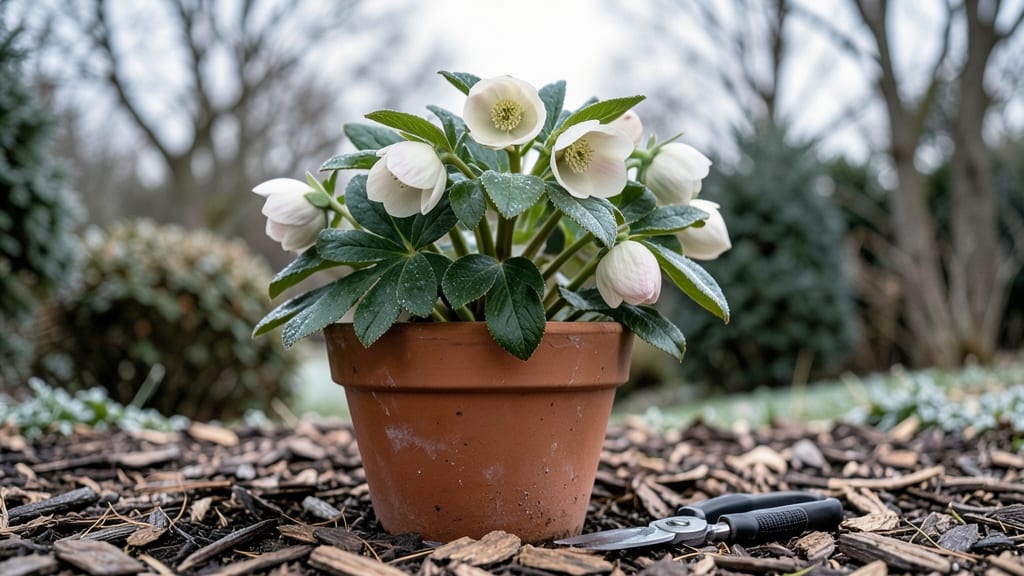
Hellebore winter flowers prove that beauty doesn’t need summer to shine—these frost-proof blooms burst into color when most gardens are still asleep under snow. 🌿 I remember the first time I spotted their delicate petals peeking through last year’s fallen leaves, a quiet promise that spring was coming.
They thrive where other plants give up, turning shady corners into vibrant focal points even in January.
The secret to their resilience lies in their deep roots and thick leaves, which insulate buds from freezing temperatures. Unlike finicky spring flowers, hellebores ask for almost nothing: a spot with dappled shade, well-draining soil, and occasional watering when winter thaws.
They outlast pests, resist deer nibbles, and bloom for weeks—long after tulips have faded. My garden’s darkest corner now hosts a drift of nodding blooms, their colors ranging from pure white to deep purple.
What you’ll love most is how effortlessly they transform a winter garden into a showstopper. Imagine clusters of velvety petals in soft pinks, creamy whites, and deep burgundies, their fragrant blooms attracting early pollinators.
They even reward you with foliage interest long after the flowers fade, their leathery leaves adding texture through all four seasons. Once planted, they multiply over time, creating natural drifts that require almost no maintenance.
Perfect for gardeners who want low-maintenance winter interest or those with shady spots that feel neglected. They’re equally at home in cottage gardens, woodland settings, or even container plantings on patios. Here’s how to make them thrive in your coldest months—and why they’re the unsung heroes of early spring.
📚 In This Guide
- What you need
- Instructions
- Tips and common mistakes
- Wrapping up and next steps
What you need
- ● Hellebore bulbs or plants: Choose from varieties like Helleborus niger (Christmas rose), Helleborus orientalis (Lenten rose), or Helleborus argutifolius. Buy 3–5 bulbs for a small cluster or 10+ for a full border.
- ○ Well-draining potting mix or garden soil: Amend heavy clay soil with compost (50%) and perlite or sand (30%) to prevent root rot. Optional: Add a handful of bone meal (1 tbsp per plant) for phosphorus.
- ● Organic mulch: Use 2–3 inches of shredded bark, wood chips, or leaf mold to insulate roots in winter.
- ● Slow-release fertilizer: A balanced 10-10-10 or low-nitrogen (5-10-10) fertilizer applied in early spring (1 tbsp per plant).
- ● Garden trowel or hand fork: For digging planting holes (6–8 inches deep and wide).
- ● Pruning shears: To trim dead foliage in late spring (after blooming) and shape plants.
- ● Garden gloves: Protect your hands from prickly stems (especially H. argutifolius).
- ● Watering can or hose with a gentle spray nozzle: Hellebores hate soggy roots—water deeply but infrequently (1–2 gallons per plant during dry spells).
- ○ Optional: Stakes or pebbles: To weigh down stems and prevent flopping in heavy blooms.
- ● Frost cloth: For young plants in harsh winters (Zone 5 or colder).
- ● pH test kit: Ideal soil pH is 6.0–7.0; amend with lime if too acidic.
- ● Sunlight: Partial to full shade (2–6 hours of sun daily). Avoid scorching afternoon rays in hot climates.
- ● Climate zone: Hardy in USDA Zones 4–9. Pro tip: In Zone 3, plant in sheltered microclimates or use mulch for insulation. ❄️
- ● Patience: Hellebores grow slowly—expect blooms in 2–3 years from seed or 1–2 years from bulbs.
Step-by-Step guide to planting and caring for hellebores
Here's how I grow these stunning winter bloomers—no fuss, just beauty.
🌱 Step 1: Choose the Perfect Planting Location
Hellebores thrive in partial to full shade, making them perfect for woodland gardens or under trees where other plants struggle. I always look for spots with morning sun and afternoon shade—this prevents leaf scorch while keeping flowers vibrant. The soil should drain well but stay moist; hellebores hate soggy roots but won’t tolerate dry spells either.
Test your spot by pressing your finger into the soil—it should feel damp but not wet. If your yard has heavy clay, amend with 2-3 inches of compost to improve drainage. I plant mine near the base of shrubs where fallen leaves provide natural mulch and protect roots from freezing temperatures.
🪴 Step 2: Plant Hellebores at the Right Depth and Spacing
Dig a hole twice as wide as the root ball but only as deep as the container’s height—hellebores dislike being buried too deep. Gently remove the plant from its pot and loosen any circling roots with your fingers. Place it in the hole so the top of the root ball sits just below soil level—this prevents crown rot while keeping the plant stable.
Space plants 12-18 inches apart for a natural, lush look. I like to plant in small clusters of 3-5 for a dramatic winter display. Water deeply right after planting to settle the soil and remove any air pockets around the roots. Avoid disturbing the soil surface—hellebores have shallow roots that need to stay undisturbed.
☀️ Step 3: Mulch and Water for Winter Success
Spread a 3-inch layer of organic mulch (like shredded leaves or bark) around each plant, keeping it 2 inches away from the stem to prevent rot. This mulch acts like a blanket, protecting roots from freezing temperatures down to 10°F while keeping soil moisture steady. I top up mulch in late fall before the first hard frost for extra winter protection.
Water once a week during the growing season (spring and fall), but reduce to every 2-3 weeks in winter unless we have a dry spell. You’ll know it’s time to water when the top 1-2 inches of soil feel dry—hellebores are drought-tolerant once established but won’t bloom as prolifically if stressed. Avoid overhead watering in winter to prevent fungal diseases.
✂️ Step 4: Deadhead and Divide for Long-Term Health
After flowers fade, snip spent blooms just above the first set of leaves with clean pruners. This encourages more blooms and keeps the plant tidy. I do this in late spring when new foliage emerges—never cut back the leaves, as they photosynthesize for next year’s flowers. Fertilize lightly in early spring with a balanced 10-10-10 fertilizer to support new growth.
Every 3-4 years, divide hellebores in early spring before new shoots appear. Dig up the clump, separate the roots gently, and replant the healthiest sections. This rejuvenates the plant and prevents overcrowding, which leads to fewer flowers. I always keep the crowns at the same depth—they won’t tolerate being buried deeper than they were originally planted.
⏰ Step 5: Protect from Pests and Winter Damage
Hellebores are generally pest-free, but slugs and snails may munch on young leaves in damp conditions. I set out copper barriers around new plantings or use diatomaceous earth as a natural deterrent. If you see holes in leaves, remove damaged foliage immediately to prevent spread. Deer usually avoid hellebores, but if they’re a problem in your area, a light frost cloth in winter can deter them.
In extreme cold zones (below 0°F), mound an extra 2-3 inches of mulch around the base of the plant for added insulation. Hellebores are hardy, but young plants benefit from this extra protection. Come spring, remove the mulch gradually to avoid shocking the plant—just pull back a little each week until it’s fully exposed by late April.
Tips & tricks for perfect hellebore winter gardens
Here's what I've learned after years of growing these resilient winter stars—tricks that'll help your hellebores thrive from planting to next spring.
Soil Test Tip: Before planting, do a simple soil test by pressing your finger into the soil—it should feel damp but not wet. If your soil feels too dry, water the area thoroughly a day before planting. Too wet? Mix in a handful of coarse sand to improve drainage. Hellebores are particular about moisture balance, and getting this right in Step 1 makes all the difference for winter survival.
Planting Depth Secret: When you're planting in Step 2, pay special attention to the crown placement—it should sit just below soil level, never buried deeper than it was in its container. I've seen beginners bury these too deep, which leads to crown rot. Think of it like planting potatoes: the eyes should be facing up, ready to sprout next spring.
Mulch Layer Strategy: That 3-inch mulch layer in Step 3 isn't just decoration—it's winter protection. For extra insurance in zones below 0°F, I double the mulch thickness around young plants. Use shredded leaves or straw for best results, as they break down slowly and provide consistent insulation. Remember to keep mulch 2 inches away from stems to prevent rot.
Watering Wisdom: The once-a-week watering in growing season might seem generous, but hellebores actually appreciate consistent moisture. I set a reminder in my phone for this because irregular watering causes stress that shows up as fewer blooms. In winter, check that top 1-2 inches of soil before watering—if it's dry, it's time. The plants will tell you what they need!
Pro Tips for Hellebore Winter Flowers
- Here's what I've learned after years of growing these resilient winter stars—tricks that'll help your hellebores thrive from planting to next spring.
- Soil Test Tip: Before planting, do a simple soil test by pressing your finger into the soil—it should feel damp but not wet.
- Planting Depth Secret: When you're planting in Step 2, pay special attention to the crown placement—it should sit just below soil level, never buried deeper than it was in its container.
Frequently asked questions
Got questions about growing and enjoying hellebore winter flowers? You’re not alone! Here are some of the most common queries—plus quick, practical answers to keep your garden thriving.
Are hellebores really frost-proof? Can they survive harsh winters?
Hellebores are winter warriors—they thrive in cold climates (USDA Zones 4–9) and often bloom before snow melts. Their thick, leathery foliage and deep roots shield them from frost. Just ensure they’re planted in well-draining soil to avoid soggy roots, which can lead to rot. Mulch lightly in extreme cold for extra protection.
When is the best time to plant hellebores for early spring blooms?
Plant them in early fall or late winter (before new growth starts) for the best results. This gives roots time to establish before spring. If transplanting mature plants, do it in fall or early spring—avoid summer heat, which stresses them. Pro tip: Water deeply after planting to reduce transplant shock!
Why aren’t my hellebores blooming? What could be wrong?
No blooms? Don’t panic! Common culprits include:
- Too much shade: They need partial shade (3–6 hours of dappled light). Too little light = fewer flowers.
- Over-fertilizing: Hellebores are low-maintenance—skip high-nitrogen fertilizers. They prefer poor soil!
- Young plants: Give them 2–3 years to mature before expecting blooms.
- Deadheading spent flowers (if desired) can encourage reblooming in some varieties.
Can I grow hellebores in containers? What’s the best setup?
Yes! Containers work well for hellebores, especially in small spaces or urban gardens. Use a 12–14” pot with drainage holes and a mix of potting soil + perlite for aeration. Place in bright, indirect light (like under a tree). Water when the top inch of soil is dry, and fertilize lightly in spring with a balanced 10-10-10 mix.
Are hellebores deer-resistant? What pests should I watch for?
Great news: Deer and rabbits usually avoid hellebores thanks to their toxic sap (not harmful to humans but unappealing to critters). Pests to monitor:
- Slugs/snails: They love young leaves. Use copper tape or beer traps.
- Aphids: Spray with water or introduce ladybugs for natural control.
- Fungal issues: Ensure good airflow to prevent powdery mildew.
What are some stunning hellebore varieties for beginners?
Start with these easy-care picks:
Variety
Color/Feature
Height
Helleborus niger (Christmas Rose)
Pure white blooms, fragrant
12–18"
Helleborus orientalis (Lenten Rose)
Pink, purple, or green blooms; long season
12–18"
Helleborus ‘HGC Snowdrift’
Double white flowers, very hardy
12–15"
All three are low-maintenance and perfect for shady spots!
Wrapping up and next steps
Hellebores are the unsung heroes of winter gardens—bold, resilient, and breathtakingly beautiful when most flowers bow out. Whether you’re drawn to their delicate petals, easy-care nature, or early-season charm, these winter bloomers prove that cold weather can be the perfect time to show off your green thumb. 🌿❄️
Ready to bring their magic to your space? Start small—plant a single hellebore in a pot or tuck it into a shady corner of your garden. Need more inspiration? Explore seasonal planting guides or local nurseries to find the perfect variety for your climate. Your winter garden’s star is waiting!