
Tools
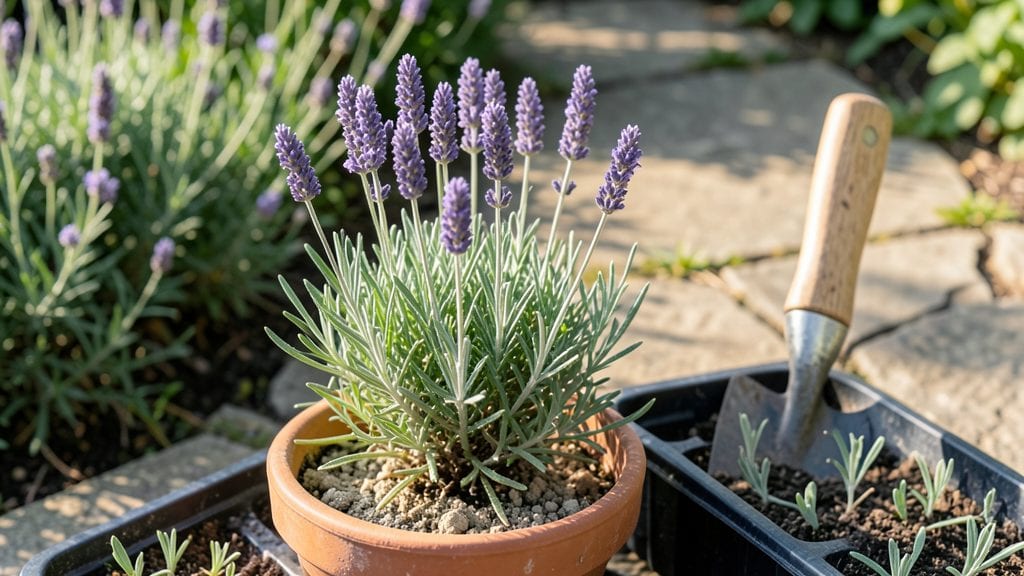
Creating a flower garden in the Pacific Northwest means choosing plants that thrive through chilly springs and damp winters—without sacrificing color or charm. 🌸 I learned the hard way that skipping frost-resistant varieties leads to sad, wilted blooms by June, but the right mix keeps your garden vibrant year-round.
The secret starts with location and soil: pick a spot with at least 6 hours of sunlight, then amend heavy clay soil with compost to improve drainage. My first garden failed because I ignored this step—now I test soil pH and add organic matter before planting.
For the PNW, focus on perennials like heuchera, astilbe, and hardy geraniums that bounce back after frost.
By layering plants by height and color, you’ll create a garden that looks intentional from day one. Tall delphiniums in the back, mid-height peony bushes, and low creeping thyme in the front create depth, while cool-toned blues and purples stand out against the region’s lush greenery.
Add 2-3 inches of mulch to protect roots and retain moisture.
Once established, maintenance is simple: deadhead spent blooms, water deeply once a week, and fertilize in early spring. The payoff? A garden that stays lush and colorful even when neighbors’ plants are struggling. Ready to design yours?
📚 In This Guide
- What you need
- Instructions
- Tips and common mistakes
- Wrapping up and next steps
What you need
- ● Soil: 5+ bags (2–3 cubic feet each) of well-draining, organic-rich soil (e.g., Miracle-Gro Garden Soil or Black Gold Natural & Organic). For clay-heavy PNW soil, add 2–3 bags of compost or 1–2 cubic yards of topsoil.
- ● Frost-resistant plants: Choose from: Perennials: Heuchera (Coral Bells), Hellebores (Lenten Rose), Astilbe, or Pacific Coast Iris (5–10 plants).
- ● Annuals: Sweet Alyssum, Pansies, or Lobelia (10–20 plants).
- ● Shrubs: Oregon Grape Holly or Rhododendrons (2–4 plants).
- ● Mulch: 4–6 bags of cedar chips or pine bark (3–4 inches deep) to insulate roots.
- ● Fertilizer: 1–2 bags of slow-release, organic fertilizer (e.g., Espoma Garden-Tone or Fish Emulsion).
- ● Hand trowel (for small plants).
- ● Garden shovel (for digging).
- ● Pruners (sharp, sterilized).
- ● Garden hose or watering can (with a spray nozzle).
- ● Measuring tape (for spacing plants).
- ● Garden gloves (to protect your hands!).
- ● Row covers or frost cloth (for early/late frosts).
- ● Drip irrigation system (for consistent watering).
- ● Garden kneeler or stool (for comfort).
- ● Soil pH tester (PNW soil is often acidic; aim for 5.0–6.5 for most flowers).
Step-by-step guide to designing a frost-resistant flower garden
Let’s create a resilient flower garden tailored for Pacific Northwest winters—where beauty thrives with the climate, not against it.
🌱 Step 1: Select Native and Cold-Hardy Species
Start with plants that naturally thrive in your region’s USDA Zone 7b-9a conditions. Pacific Northwest natives like sword ferns, salal, and Pacific coast iris handle frost beautifully, while hardy perennials such as lupines, columbines, and bleeding hearts return year after year. Avoid tropical imports—they’ll sulk through winter and demand extra care.
I always check each plant’s USDA hardiness zone and chilling requirement (the number of hours below 40°F it needs to bloom reliably). For example, Western columbine (Aquilegia formosa) thrives in zones 3-9 and blooms best after 1,000-1,500 hours of winter chill. Mix early bloomers (like heather or winter aconite) with late-season stars (such as asters or sedum) to extend your garden’s show from spring to frost.
🪴 Step 2: Prepare the Soil for Winter Resilience
Pacific Northwest soil is often acidic and dense, so amend it with 2-3 inches of compost and a balanced organic fertilizer (like 5-5-5) to boost nutrient retention. Test your soil’s pH—most native flowers prefer slightly acidic to neutral (6.0-7.0). If your garden sits in a low-lying or frost pocket, mix in sand or perlite to improve drainage and prevent waterlogged roots.
I like to double-dig the soil: loosen the top 12 inches, then mix in 1 inch of worm castings for microbial activity. This ensures roots establish deeply before winter, making plants more drought- and frost-tolerant. Avoid fresh manure—it can burn tender roots and attract pests.
☀️ Step 3: Plan for Sun, Wind, and Microclimates
Map your garden’s sun exposure—Pacific Northwest gardens often have partial shade from trees or morning sun with afternoon clouds. Group sun-lovers (like beard tongues or blanket flowers) in the brightest spots, while shade-tolerant plants (such as heuchera or foamflower) thrive under dappled light. Use windbreaks (like evergreen shrubs or ornamental grasses) to protect delicate stems from winter winds, which can desiccate foliage.
Here’s the thing—microclimates matter. A south-facing slope warms faster in spring, while a north-facing bed stays cooler. I always plant frost-sensitive species (like dahlias) on the warmer side of the garden and hardy perennials (like sage or lavender) in cooler spots. If your garden has frost pockets, avoid planting tender annuals there—they’ll get nipped before they bloom.
⏰ Step 4: Time Planting for Seasonal Success
For spring-blooming perennials (like lupines or peony), plant in early fall (September-October) so roots establish before winter. Summer-blooming varieties (such as black-eyed Susans or coneflowers) can go in late winter to early spring (February-March), once the soil is workable but before bud break. Mulch heavily (3-4 inches) with straw or wood chips after planting to insulate roots—this prevents frost heave (when freezing/thawing cycles push plants out of the ground).
Don’t rush! Planting too early in wet or frozen soil compacts roots and invites rot. Press the soil gently around each plant to eliminate air pockets, then water deeply to encourage root spread. If frost is forecast within 48 hours, protect new plantings with frost cloth or a lightweight row cover until they’re established.
✂️ Step 5: Maintain Through Winter for Next Year’s Bloom
Leave seed heads (like coneflower or rudbeckia) through winter—they provide winter interest and bird habitat. Cut back dead foliage in late winter (February) to encourage fresh growth, but leave basal leaves (like orchard grass or sedge) for insulation. Apply a thin layer of mulch (1-2 inches) in early winter to protect shallow roots from freeze-thaw cycles.
I always prune in stages: First, remove dead or diseased stems in early spring. Then, shape perennials after they’ve finished blooming (never cut back last year’s growth—it’s the plant’s energy reserve). For woody shrubs (like rhodies or pieris), prune in late winter before new growth starts. This timing ensures you don’t accidentally remove next year’s flower buds.
Tips & tricks for creating a frost-resistant flower garden
Building a garden that thrives through Pacific Northwest winters takes strategy—not just plant selection. These tips will help you create a landscape that's as resilient as it is beautiful.
Plant Selection Strategy: Beyond just choosing native species, focus on plants with high chilling requirements—like 1,000-1,500 hours below 40°F—to ensure reliable blooms. I always cross-reference USDA hardiness zones with local microclimates. For example, Pacific coast iris handles coastal fog better than inland varieties. Consider adding evergreen ground covers like salal or creeping mahonia between perennials—they provide year-round structure and protect tender roots from frost heave.
Soil Prep Secret: The double-digging technique in Step 2 is worth the effort—it creates a 12-inch deep root zone that's crucial for winter survival. For heavy clay soils, mix in coarse sand or perlite to improve drainage, but avoid over-amending with compost in frost pockets where water can pool. I've found that adding 1 inch of worm castings during planting boosts microbial activity, which helps roots establish faster before winter sets in.
Microclimate Mastery: Use evergreen shrubs as windbreaks on exposed sites, but position them to avoid casting dense shade that could suppress flowering. For frost pockets, I recommend planting tolerant perennials like heuchera or Japanese forest grass—they handle cooler spots better than most. A simple trick: Place a thermometer in your garden for a week to map temperature variations before finalizing your layout.
Seasonal Planting Timing: When planting spring-blooming perennials in early fall, water them deeply 2-3 times after planting to encourage root growth before winter. For summer-bloomers, I always plant in late winter—just before bud break—when soil is workable but still cool. This timing helps establish roots before the heat of summer arrives. If frost threatens within 48 hours of planting, cover new additions with frost cloth until they're established.
Pro Tips for How Do You Make A Flower Garden
- Building a garden that thrives through Pacific Northwest winters takes strategy—not just plant selection.
- Plant Selection Strategy: Beyond just choosing native species, focus on plants with high chilling requirements—like 1,000-1,500 hours below 40°F—to ensure reliable blooms.
- Soil Prep Secret: The double-digging technique in Step 2 is worth the effort—it creates a 12-inch deep root zone that's crucial for winter survival.
Frequently asked questions
Got questions about creating your dream flower garden in the Pacific Northwest?
You’re not alone! Here are some of the most common concerns—and practical solutions—to help you garden with confidence, even with frost in the forecast.
What are the best frost-resistant flowers for the Pacific Northwest?
Opt for hardy perennials like heuchera (coral bells), astilbe, saxifraga, and lupine, which thrive in zones 6–9. Annuals like pansies and snapdragons also handle cooler temps well. Check your microclimate—valleys may need extra protection!
When is the best time to plant a flower garden in the PNW?
Start in early spring (March–April) after the last frost date (usually late May in coastal areas, earlier inland). For fall planting, aim for September–October to give roots time to establish before winter. Mulch after planting to insulate soil!
Can I make a flower garden on a budget?
Skip expensive nursery plants—start with seeds (cheaper and diverse) or divide existing perennials. Use free mulch (leaves, grass clippings) and repurpose containers (buckets, pallets). Local plant swaps or Facebook Marketplace often have discounted plants too!
How do I protect my flowers from slugs and frost?
Slugs? Try beer traps (bury a shallow dish of beer) or diatomaceous earth. For frost, use cloche covers (plastic bottles) or row covers on tender plants. Group heat-loving flowers together to create a microclimate—like a "hug" for your garden!
Do I need to fertilize my flower garden in the PNW?
Not always! Many PNW soils are nutrient-rich. Test your soil first (local extension offices offer cheap tests). If needed, use a balanced, slow-release fertilizer (like 10-10-10) in spring. Over-fertilizing can harm plants—less is often more in our damp climate!
Wrapping up and next steps
Creating a flower garden in the Pacific Northwest doesn’t have to be overwhelming—just start small, choose the right frost-resistant plants, and let nature do the rest! 🌸 With the right soil prep, spacing, and seasonal care, you’ll soon enjoy a vibrant, resilient garden that thrives even in cooler climates.
The key is patience and passion; your blooms will reward you with color and life year after year.
Ready to take the next step? Sketch your design, gather your tools, and plant that first seed or bulb today! Every garden begins with a single step—yours starts now. 🌱