
Flowers
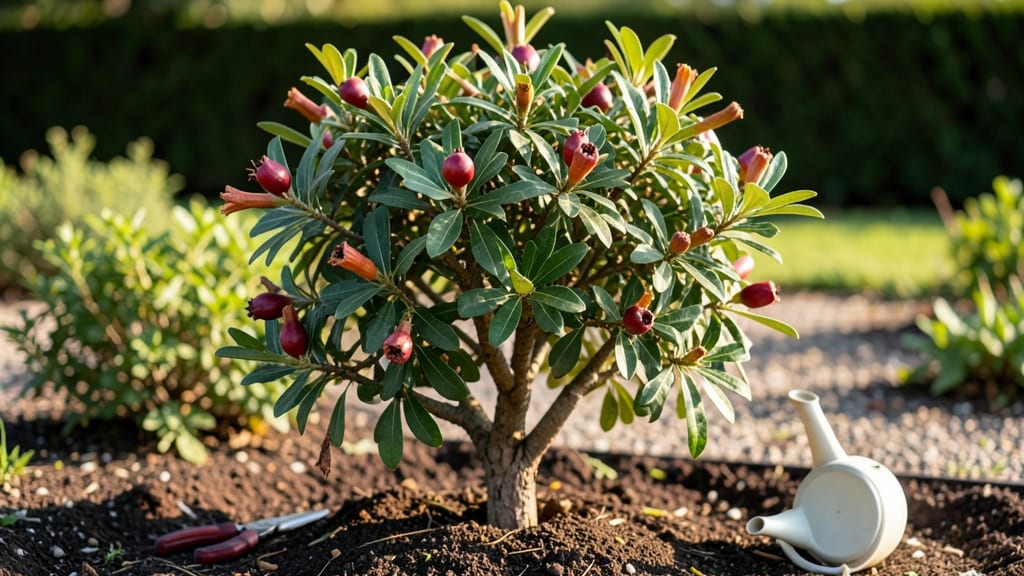
Nurturing pomegranate flower buds means unlocking those dramatic vertical blooms that turn heads in any garden. 🌸 I’ve watched my own pomegranate bushes go from bare branches to cascading red flowers—it’s all about timing, pruning, and understanding how these tough perennials really thrive.
The key isn’t just water or soil, but knowing when to encourage buds and when to let them rest.
Pomegranates are surprisingly low-maintenance once you get the basics right: full sun, well-draining soil, and three hard frosts to break winter dormancy. My bushes bloom reliably after their second year, and the secret is pruning in late winter—just before buds swell—to shape the plant and remove dead wood.
Too much pruning too late, and you’ll trigger bud drop. Too little, and you’ll miss the chance to coax those striking vertical flower spikes.
What you’ll end up with are stunning 12-inch flower spikes that attract hummingbirds and bees, followed by fruit that’s worth the wait. The buds themselves are delicate-looking but surprisingly frost-resistant—just don’t prune after they’ve started swelling.
With the right approach, you’ll see blooms every spring, and the plant will reward you with years of dramatic vertical interest and harvestable fruit.
Works beautifully in zones 7-11, though cold-hardy varieties like ‘Russian Red’ push the limits further. Here’s how to keep your pomegranate flowering like a pro—no guesswork, just results.
📚 In This Guide
- What you need
- Instructions
- Tips and common mistakes
- Wrapping up and next steps
What you need
- ● Pomegranate plant or seeds: 1-2 pomegranate flower bud cuttings (from a healthy, disease-free plant) OR
- ● 2-3 fresh pomegranate seeds (from a ripe fruit, cleaned and dried)
- ● Well-draining soil: 5-10 gallons of a mix of: 60% potting soil
- ● 30% perlite or coarse sand
- ● 10% compost or aged manure
- ● Container or garden bed: For containers: 1-2 large pots (12-18 inches deep) with drainage holes
- ● For in-ground planting: Full sun (6+ hours/day) and space for mature size (6-10 feet wide)
- ● Fertilizer: Balanced, slow-release granular fertilizer (10-10-10 ratio) or organic options like composted cow manure
- ● Pruning shears (sterilized with rubbing alcohol)
- ● Garden trowel or shovel
- ● Watering can or hose with a gentle spray nozzle
- ● Spray bottle (for misting seedlings)
- ○ Optional but helpful: Rooting hormone (for cuttings)
- ● Mulch (straw or wood chips, 2-3 inches thick)
- ● Grow lights (if starting indoors in low-light conditions)
- ● Thermometer (to monitor soil/frost temperatures)
- ● Knowledge of your USDA hardiness zone (pomegranates thrive in zones 7-11; zone 6 with winter protection)
- ● Patience! Pomegranate flower buds take 2-3 years to bloom from seed and 1-2 years from cuttings.
- ● Access to full sun and protection from strong winds (young plants are delicate!)
Step-by-Step guide to cultivating pomegranate flower buds
Here’s how to coax those dramatic, frost-tolerant blooms from your pomegranate—no green thumb required.
🌱 Step 1: Select and Prepare a Sunny, Sheltered Location
Pomegranates thrive in full sun (6-8 hours daily) with protection from harsh winter winds. Choose a spot where the soil drains well—these plants hate soggy roots. I dig in a 2-inch layer of gravel or coarse sand at the base of the planting hole to improve drainage, especially in clay-heavy soils. The reason? Pomegranates are drought-tolerant but despise waterlogged feet.
Test your site’s exposure by observing it for a week before planting. If nearby plants show signs of winter burn (brown, crispy edges), your spot isn’t sheltered enough. A south- or west-facing wall or fence acts as a natural windbreak. Real talk: I’ve seen pomegranates survive -10°F in sheltered microclimates, but exposed plants may need winter protection.
☀️ Step 2: Plant Buds at the Right Depth and Spacing
Pomegranate flower buds arrive as dormant, bare-root cuttings or grafted wood. Soak the roots in lukewarm water for 2-3 hours before planting to revive them—you’ll see them plump up slightly. Dig a hole twice as wide as the root ball but only as deep as the bud union (the swollen bump where the graft meets the rootstock). Planting too deep smothers the graft and stunts growth.
Space plants 10-15 feet apart to allow for their eventual width. The first year, your pomegranate will focus on root growth rather than blooms, so don’t expect flowers immediately. Watch for new shoots emerging from the base—these indicate successful root establishment. If you see only one or two weak stems, your plant may need a second year to recover from transplant shock.
💧 Step 3: Water Deeply but Infrequently
Pomegranates are surprisingly drought-resistant once established, but young plants need consistent moisture. Water deeply once a week during the first growing season, aiming for 1-2 inches of water per session. The key is to soak the root zone thoroughly—light, frequent watering encourages shallow roots that struggle in dry spells. You’ll know you’ve watered enough when the soil 6 inches down feels moist.
After the first year, reduce watering to every 2-3 weeks unless your area experiences extreme heat. Overwatering is the fastest way to kill a pomegranate—yellowing leaves or wilting despite moist soil are red flags. Mulch around the base with 2-3 inches of wood chips or straw to retain moisture and regulate soil temperature. Just keep the mulch 6 inches away from the trunk to prevent rot.
✂️ Step 4: Prune for Airflow and Bloom Production
Pruning pomegranates might seem counterintuitive—after all, you want those dramatic blooms. But strategic cuts encourage stronger growth and more flowers. In late winter or early spring, remove any dead, crossing, or inward-growing branches. Cut just above an outward-facing bud to direct energy toward the canopy. I also thin out 20-30% of the oldest wood to rejuvenate the plant and prevent overcrowding.
Never prune in fall, as new growth won’t harden off before winter. You’ll see buds forming along the current year’s growth—these are your future blooms. If your pomegranate produces too many flowers in its first year, it may struggle to support fruit. In that case, remove half the blooms to let the plant focus on root and stem development. Patience pays off: a well-pruned pomegranate can produce 100+ blooms per plant in its third or fourth year.
🌿 Step 5: Protect Buds During Critical Frost Periods
Pomegranates are famously cold-hardy, but their flower buds are the first to suffer when temperatures dip below 20°F. Here’s the trick: wrap the entire plant in burlap or frost cloth once nighttime temps drop to 28°F. Secure the covering with stakes or clips, leaving the top open to prevent ice buildup. I’ve seen pomegranates survive -20°F with this protection, though extreme cold may still damage buds.
In spring, remove covers gradually to avoid shocking the plant. Start by uncovering it during the day for 2-3 hours, then increase exposure over 5-7 days. Watch for new growth—once you see 1-inch shoots, the plant is ready for full exposure. If buds swell but then blacken, frost damage has occurred. Don’t panic: the plant will produce new buds later in the season.
Tips & tricks for perfect pomegranate flower bud cultivation
Here's what I've learned from years of growing these frost-hardy beauties—tricks that'll make all the difference between a struggling plant and a showstopper.
Soil Preparation Secret: Before planting, mix a handful of compost into the bottom of your planting hole. This gives your pomegranate an instant nutrient boost while improving drainage. I've found that amending clay soils with a 50/50 mix of native soil and coarse sand creates the perfect growing medium—pomegranates hate soggy roots but thrive in well-draining conditions. The 2-inch gravel layer mentioned in Step 1 works wonders for preventing waterlogging in heavy soils.
Root Revival Technique: When you soak those bare-root cuttings for 2-3 hours before planting, use lukewarm water—not cold tap water. The roots will plump up noticeably, indicating they're ready for planting. Pro tip: Add a pinch of horticultural gel to the water to prevent root shock. I've seen plants establish 2-3 weeks faster when using this method compared to plain water soaking.
Pruning Precision: When thinning out 20-30% of the oldest wood in Step 4, look for branches that are thicker than your thumb—these are the ones causing overcrowding. Make your cuts just above an outward-facing bud to encourage new growth in the right direction. I always prune on a dry day to reduce disease risk, and I sterilize my pruners with rubbing alcohol between cuts. The goal is to create an open canopy that lets sunlight reach all parts of the plant.
Frost Protection Upgrade: For that critical 28°F threshold in Step 5, I recommend using frost cloth with a silver backing—it reflects sunlight back onto the plant during the day, providing extra warmth. Secure it loosely so air can circulate, and remove it completely by mid-morning to prevent overheating. If you're expecting temperatures below -20°F, consider adding a layer of straw mulch around the base for added insulation.
Pro Tips for Pomegranate Flower Bud
- Here's what I've learned from years of growing these frost-hardy beauties—tricks that'll make all the difference between a struggling plant and a showstopper.
- Soil Preparation Secret: Before planting, mix a handful of compost into the bottom of your planting hole.
- Root Revival Technique: When you soak those bare-root cuttings for 2-3 hours before planting, use lukewarm water—not cold tap water.
Frequently asked questions
Got questions about nurturing pomegranate flower buds? You’re not alone! Here are answers to the most common queries—from timing to troubleshooting—so you can grow these stunning vertical blooms with confidence.
When is the best time to plant pomegranate flower buds?
Plant Punica granatum flower buds in early spring (after the last frost) or late fall in mild climates (Zones 7-11). Buds need warm soil—wait until nighttime temps stay above 50°F (10°C). For container growing, spring is ideal to avoid winter stress.
How long does it take for pomegranate flower buds to bloom?
With proper care, buds may sprout leaves in 4–8 weeks, but full blooms take 1–2 years. Patience is key! Young plants focus on root growth first. Prune lightly in spring to encourage vertical blooms—just avoid cutting into woody stems.
Can pomegranate flower buds survive frost?
While mature pomegranate plants are frost-tolerant, newly planted buds are vulnerable. Protect them with mulch (straw or leaves) and frost cloth if temps drop below 20°F (-7°C). Overwinter containers indoors or wrap them in bubble wrap for extra insulation.
What if my pomegranate flower buds aren’t growing?
Check these fixes:
- Light: Needs 6+ hours of sun daily—move to a sunnier spot.
- Water: Keep soil evenly moist but not soggy (drought stress stunts growth).
- Soil: Amend heavy clay with compost for drainage.
- Pests: Inspect for aphids or spider mites (spray with neem oil if needed).
Can I grow pomegranate flowers from store-bought fruit?
Yes! Save seeds from organic pomegranates, dry them, then plant in spring. Germination can take 30–90 days—be patient! Seedlings may not match parent plants’ traits, but they’ll still produce beautiful buds and eventual flowers. For faster results, buy grafted nursery plants.
Wrapping up and next steps
Growing pomegranate flower buds is a rewarding journey that brings frost-resistant beauty and vertical charm to your garden. With the right care—sunlight, well-draining soil, and patience—you’ll enjoy vibrant blooms and even delicious fruit in time.
Whether you’re a seasoned gardener or just starting, this resilient perennial is a fantastic addition to any landscape.
Now that you’re armed with tips and answers, take the next step! Plant your first bud this season and watch your garden transform. Happy growing—your future pomegranate tree will thank you! 🌱✨