
Flowers
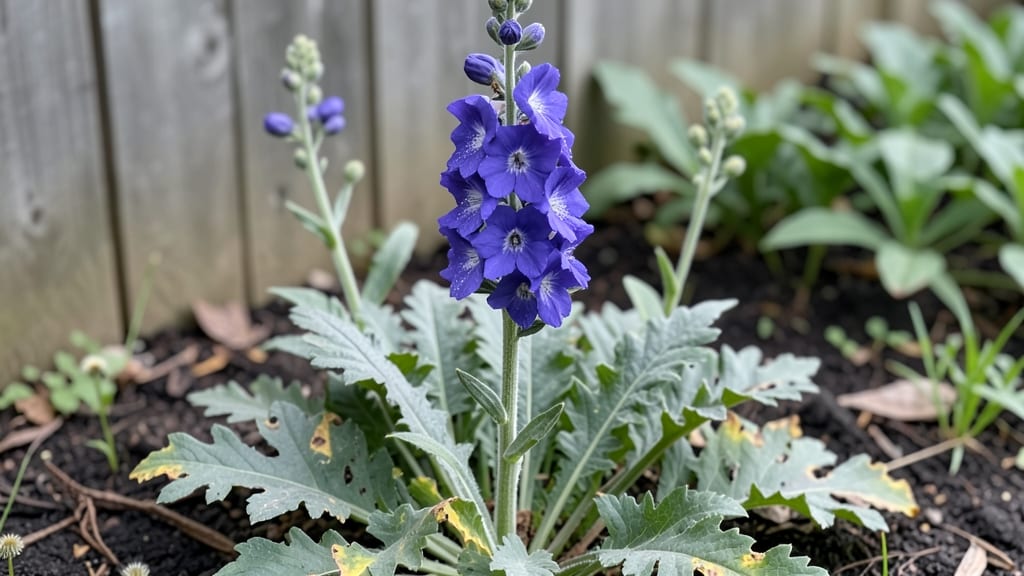
Those perennial flowers—delphiniums—turn any garden into a storybook scene with their towering, jewel-toned spikes that dance in the breeze. 🌿 I’ll never forget the first time I saw them in full bloom—like living sculptures reaching toward the sky.
These perennials aren’t just pretty; they’re foolproof once you know their secrets, thriving for years with minimal fuss.
Their success starts with the right conditions: full sun (at least 6 hours daily), well-draining soil rich in organic matter, and spacing that gives them room to grow—18-24 inches apart for those dramatic spikes.
Water consistently but avoid soggy roots, and you’ll reward yourself with stems that stay strong and upright, not flopping like overgrown weeds.
By midsummer, you’ll have vibrant blue, purple, or white blooms that last for weeks, drawing hummingbirds and bees to your garden like an all-you-can-eat buffet. The key to keeping them coming back?
A little deadheading after each flush and a light winter mulch to protect their roots—no fancy tricks, just good gardening basics.
Even their challenges are manageable: powdery mildew can be prevented with proper air circulation, and flopping stems happen when plants get too crowded. With these simple adjustments, your delphiniums will stand tall for seasons to come, year after year.
📚 In This Guide
- What you need
- Instructions
- Tips and common mistakes
- Wrapping up and next steps
What you need
- ● Delphinium plants or seeds: Choose Perennial Delphinium varieties like Delphinium elatum or Delphinium grandiflorum for long-lasting blooms.
- ● Seeds: 50–100 seeds (if starting from scratch).
- ● Plants: 3–5 mature plants (for quicker results).
- ● Well-draining soil: Mix 60% topsoil, 30% compost, and 10% perlite or sand for optimal aeration.
- ● Sunlight: A spot with full sun (6+ hours/day)—delphiniums thrive in bright light!
- ● Watering can or hose: With a gentle spray nozzle for consistent moisture.
- ● Stakes or cages: 3–4 wooden stakes (6–8 ft tall) or tomato cages per plant to support tall stems.
- ● Balanced fertilizer (10-10-10 or 5-10-5): 1–2 lbs per 100 sq ft of garden bed.
- ● Garden gloves (to protect your hands from prickly stems).
- ● Pruning shears (for deadheading spent blooms).
- ● Mulch (straw or shredded bark): 2–3 inches to retain moisture and suppress weeds.
- ● Slow-release granules (like Osmocote) for low-maintenance feeding.
- ● Colorful pebbles or decorative stones (to enhance garden aesthetics around plants).
Step-by-step instructions for cultivating perennial delphiniums
Here's how to grow these stately blooms with confidence—no fancy tools, just smart timing and care.
🌱 Step 1: Choose the Perfect Planting Spot
Delphiniums thrive in full sun—at least 6-8 hours daily—so scout your yard for the sunniest, most sheltered location. They hate soggy roots, so avoid low spots where water pools. I always test soil drainage by digging a 6-inch hole, filling it with water, and timing how long it takes to drain. If it holds water past 2 hours, amend with 2-3 inches of compost or plant in a raised bed.
These plants grow 3-6 feet tall, so place them where they won’t shade smaller perennials. A southeast-facing border works best—morning sun prevents leaf scorch while avoiding harsh afternoon heat. If your climate runs hot, provide light afternoon shade during peak summer months to keep foliage vibrant.
🪴 Step 2: Prepare Soil and Plant Crowns Correctly
Delphiniums demand well-draining, fertile soil with a pH of 6.5-7.5. Before planting, mix 3-4 inches of compost into the top 12 inches of soil and work in a slow-release granular fertilizer (10-10-10 ratio) at ½ cup per plant. Their deep taproots need loose soil to establish—if your native soil is heavy clay, add 20% perlite or coarse sand to improve aeration.
Plant bare-root crowns in early spring (after last frost) or fall (6 weeks before first frost). Set the crown 1-2 inches below soil level—burying too deep causes rot, while planting too shallow invites winter heaving. Space plants 2-3 feet apart in rows for air circulation. Water deeply immediately after planting to settle soil around roots.
☀️ Step 3: Water Deeply and Fertilize Strategically
Water deeply once weekly (or more in extreme heat) to encourage deep root growth. You’ll know it’s right when the top 4-6 inches of soil feel dry—stick your finger in to check. Overwatering leads to root rot, while underwatering causes floppy stems and weak blooms. I always water in the early morning to reduce fungal risks from evening moisture.
Feed plants twice during the growing season: once in early spring with a balanced fertilizer (10-10-10) at ¼ cup per plant, and again in mid-summer with a low-nitrogen, high-phosphorus formula (5-10-10) to boost flowering. Stop fertilizing 6-8 weeks before first frost—new growth won’t harden off in time for winter.
✂️ Step 4: Prune for Health and Encourage Second Flushes
Deadhead spent blooms immediately to redirect energy into new flowers. I snip stems just above the first set of healthy leaves with clean, sharp pruners—this prevents disease entry points. After the first flush of blooms (usually late spring), cut back one-third of the plant height to encourage a second flush in early fall. This works best in USDA Zones 5-8 where winters aren’t brutal.
In fall, cut back all stems to 6 inches tall after the first hard frost. This prevents flopping and makes the plant easier to mulch. Apply 3-4 inches of organic mulch (straw or shredded leaves) to insulate roots through winter. In Zone 4 or colder, add an extra 2 inches of mulch or cover with burlap for protection.
🌿 Step 5: Divide and Propagate Every 3-4 Years
Delphiniums form dense clumps over time, so divide them every 3-4 years in early spring or fall. Dig up the entire plant and separate crowns with a sharp knife, ensuring each section has 3-5 healthy buds. Replant divisions immediately in prepared soil. This rejuvenates plants and prevents bloom decline—a common issue with overcrowded delphiniums.
For propagation, take basal cuttings in early summer from non-flowering stems. Dip cuttings in rooting hormone, plant in sandy soil mix, and keep consistently moist under partial shade. Roots form in 6-8 weeks. This method preserves your favorite varieties and fills gaps in the garden without buying new plants.
Tips & tricks for perfect Delphinium cultivation
These insider tips will help you avoid common pitfalls and ensure your delphiniums reach their full, majestic potential with minimal fuss.
The Sunlight Secret: While 6-8 hours of daily sun is ideal, these plants can actually handle up to 10 hours in cooler climates (Zones 5-6). The key is monitoring leaf health—if you notice yellowing or wilting during peak afternoon heat, that's your cue to provide light afternoon shade using shade cloth. I've found that a 30% shade cloth works perfectly for my Zone 6 garden during July and August.
Soil Test Tip: Before amending your soil, test its pH using a simple garden kit (available for under $10). Delphiniums thrive at 6.5-7.5 pH, but many garden soils run acidic. If your test shows pH below 6.5, mix in dolomitic lime at the rate of 5 pounds per 100 square feet and retest in 2-3 months. This prevents the need for constant fertilizer adjustments later.
Planting Depth Visual: When planting bare-root crowns, use your finger to create a small trench that's 1-2 inches deep—about the width of two stacked nickels. This makes it easy to position the crown correctly without guessing. I also make a small mound of soil beside the hole to help settle roots as I water. The crown should sit just below soil level, with no part exposed above ground.
Watering Technique: The finger-check method for soil moisture works best when you insert your finger 2 inches deep—this is where the roots actually are. For the first 4-6 weeks after planting, water every 3-4 days rather than weekly to help establish those deep taproots. This initial investment pays off with plants that handle drought much better later in the season.
Pro Tips for Perennial Flowers Delphinium
- These insider tips will help you avoid common pitfalls and ensure your delphiniums reach their full, majestic potential with minimal fuss.
- The Sunlight Secret: While 6-8 hours of daily sun is ideal, these plants can actually handle up to 10 hours in cooler climates (Zones 5-6).
- Soil Test Tip: Before amending your soil, test its pH using a simple garden kit (available for under $10).
Frequently asked questions
Got questions about growing these showstopper perennials? You’re not alone! Here are answers to the most common queries about delphiniums
—from planting to troubleshooting—so you can enjoy their towering beauty with confidence.
When is the best time to plant delphiniums?
Plant Delphinium seeds in early spring or late summer for best results. Transplants can go in the ground in early spring after the last frost, or in fall (6–8 weeks before your first frost). Pro tip: Delphiniums love cool weather—avoid planting in sweltering heat!
How often should I water delphiniums?
Water deeply 1–2 times per week (more in extreme heat or drought). Keep soil consistently moist but not soggy—delphiniums hate "wet feet." Mulch around the base to retain moisture and protect roots. Morning watering prevents fungal issues!
What pests or diseases should I watch for?
Delphiniums are tough but can fall prey to aphids, slugs, or powdery mildew. Prevent pests by spacing plants for airflow and removing debris. Treat aphids with soapy water; slugs? Use beer traps or diatomaceous earth. Fungal issues? Prune for airflow and avoid overhead watering.
Can I grow delphiniums in containers?
Yes! Choose large containers (at least 12–18 inches deep) with drainage holes. Use well-draining potting mix and fertilize regularly. Dwarf varieties (like ‘Pacific Giant’ or ‘Blue Bird’) work best. Note: Containers dry out faster—monitor moisture closely!
Why aren’t my delphiniums blooming?
Common culprits: over-fertilizing (too much nitrogen = leafy growth, no flowers), poor sunlight (they need 6+ hours of sun), or not deadheading spent blooms. Try a balanced fertilizer (10-10-10) in early spring and prune leggy stems to encourage new growth.
What are some great delphinium alternatives?
If delphiniums aren’t your vibe, try these tall, drama-loving perennials:
- Larkspur – Similar spikes, annual but fast-growing.
- Hollyhock – Rustic charm, drought-tolerant.
- Foxglove – Bell-shaped blooms, biennial.
- Russian Sage – Drought-resistant, aromatic.
Wrapping up and next steps
Delphiniums are the dreamy divas of perennial gardens—offering striking height, bold color, and effortless charm with just a little care. Whether you’re drawn to their romantic spires or their ability to thrive with minimal fuss, these flowers prove that big impact doesn’t require big effort.
Now that you’re armed with the right knowledge, it’s time to roll up your sleeves and bring their magic to your garden!
🌱 Next step: Pick your favorite variety, grab your gloves, and plant with confidence—your future blooms will thank you! 🌸