
Size
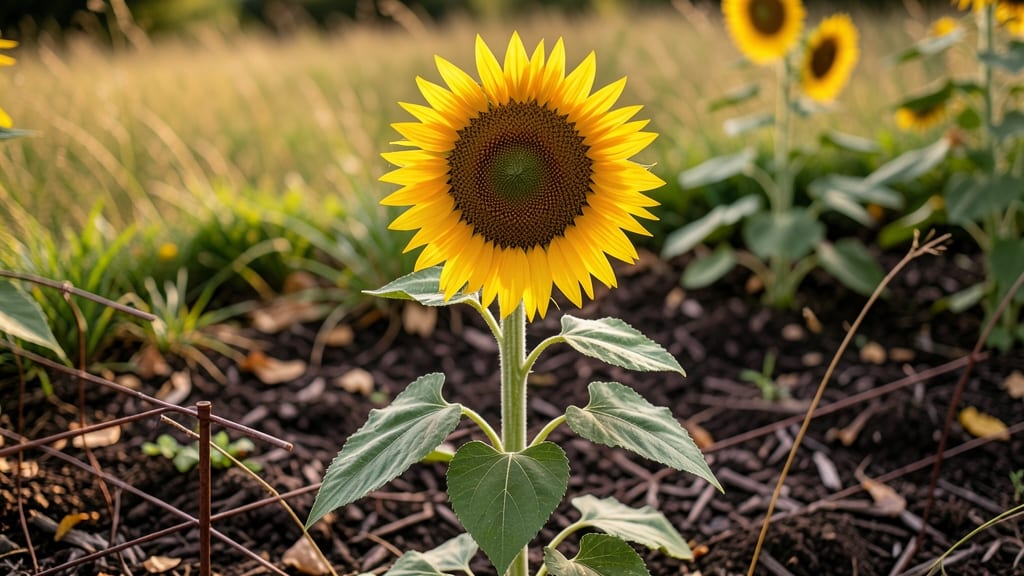
Learn how to grow huge sunflowers with stems thicker than your wrist and blooms wider than your hat by starting with the right variety and a little extra care—like the 'Russian Giant' I planted last spring. 🌻 By July, their towering stalks were already rivaling my height, and the golden faces? wrist—something I never expected from a backyard garden.
The secret isn’t just water or sun; it’s the way you prep the soil and support those towering stems before they even sprout.
You’ll need well-draining soil mixed with compost, stakes taller than your sunflowers, and a sunny spot with at least 8 hours of direct light daily.
Most gardeners overlook the importance of deep planting—bury the seeds 1-2 inches deep, twice as deep as they are wide, to encourage strong roots. Spacing matters too: give each plant 18-24 inches of room so they don’t compete for nutrients, which is where those giant blooms come from.
By midsummer, you’ll see stems thick enough to support a child’s weight and blooms that dwarf store-bought varieties. The key is consistent watering—deep soaks once a week rather than daily light sprinkles—and removing side buds early to focus the plant’s energy on one massive bloom.
Weak stems? Add a 3-foot stake at planting and tie the stem loosely as it grows.
This method works for any large sunflower variety, from 'Mammoth' to 'Autumn Beauty,' and adapts to containers if your space is limited. The payoff? Sunflowers so tall they block your view of the neighbor’s fence—and blooms that make every summer picnic feel like a celebration.
Let’s get those seeds in the ground.
📚 In This Guide
- What you need
- Instructions
- Tips and common mistakes
- Wrapping up and next steps
What you need
- ● Sunflower seeds: Choose giant varieties like ‘Russian Giant’ or ‘Mammoth’ (save 10–20 seeds per plant for harvest).
- ● Well-draining soil: Mix 50% garden soil + 50% compost (or potting mix for containers). Aim for a pH of 6.0–7.5.
- ● Fertilizer: Balanced 10-10-10 (1 tbsp per plant at planting).
- ● High-phosphorus (5-10-10) when buds form (1 tbsp per plant).
- ● Watering can or hose: With a gentle spray nozzle (sunflowers hate soggy roots!).
- ● Stakes or cages: 6–8 ft bamboo stakes or tomato cages (1 per plant for windy areas).
- ● Garden trowel (for planting).
- ● Measuring tape (to track growth—aim for 12+ ft!).
- ● Pruning shears (to trim lower buds for taller stems).
- ○ Mulch (optional): Straw or wood chips (2–3 inches) to retain moisture.
- ○ Sunflower-specific fungicide (optional): For powdery mildew prevention (e.g., Neem oil).
- ● Sunlight: 6+ hours of direct sun daily (no shade allowed!).
- ● Space: 18–24 inches between plants (giants need room to stretch!).
- ● Warmth: Plant after last frost when soil is 55°F+.
Step-by-step instructions for growing towering sunflowers
Here's how I grow sunflowers that reach 12 feet tall with blooms wider than my hand.
🌱 Step 1: Choose the Right Variety and Plant at the Perfect Time
For maximum height, select a giant variety like 'Russian Giant' or 'Mammoth'—these can grow 10-12 feet tall with 16-inch blooms. Plant seeds 2-3 weeks after your last frost date when soil temperatures reach 60°F or warmer. I always check the frost date in my area and mark the calendar—planting too early in cold soil delays growth and weakens stems.
Sunflowers love warmth, and cooler soil slows root development. You'll see faster, stronger growth when planted in well-warmed soil—just press your hand into the ground for a second. If it feels cool to your fingers, wait a few more days. I plant mine in late spring for summer blooms, but some varieties can tolerate early fall plantings if given enough time to mature.
🪴 Step 2: Prepare Deep, Well-Draining Soil and Plant Seeds Properly
Sunflowers need deep, fertile soil—at least 18-24 inches of loose, well-draining mix. Amend your garden bed with 2-3 inches of compost and a handful of 5-10-10 fertilizer per planting hole. I dig holes 1 inch deep and 6 inches apart in rows 2-3 feet apart to give roots plenty of room to spread.
Drop 2-3 seeds per hole (they germinate easily) and cover with 1 inch of soil. Press lightly to ensure good seed-to-soil contact—this prevents air pockets that can delay germination. Water gently but thoroughly right after planting. You'll see sprouts in 7-10 days, but don't be surprised if some take up to 14 days in cooler conditions.
☀️ Step 3: Provide Full Sun and Consistent Watering
Sunflowers need 6-8 hours of direct sunlight daily—the more sun, the taller and stronger they grow. I plant mine in the southernmost part of my garden where they get unobstructed afternoon sun. If you notice stems bending or leaves yellowing, they're not getting enough light—move them to a sunnier spot immediately.
Water deeply 1-2 times per week, soaking the soil to 12 inches deep. Let the top 2-3 inches of soil dry out between waterings to prevent root rot. I use a soaker hose for even moisture—this keeps stems sturdy and prevents weak, leggy growth. Mulch around the base with 2-3 inches of straw to retain moisture and suppress weeds.
✂️ Step 4: Support Tall Stems and Remove Side Buds
Once stems reach 3-4 feet tall, they'll need support to prevent snapping in wind or rain. I tie each stem to a 6-foot bamboo stake with soft garden twine, securing it at the base and mid-stem. Avoid tight ties—sunflowers grow fast, and constricted stems can crack. You'll see stems thicken and strengthen as they mature.
To encourage a single, massive bloom, pinch off side buds when they're 2-3 inches long. This redirects the plant's energy into one giant flower instead of multiple smaller ones. I do this every 2-3 weeks until the main bud forms. If you leave side buds, you'll get more flowers but smaller overall size.
🌿 Step 5: Harvest at Peak Maturity for Maximum Size
Sunflowers are ready to harvest when the back of the bloom turns yellow and the outer petals face downward. I check daily in late summer—missed timing means smaller blooms or seeds that won’t store well. Cut stems with clean pruners, leaving 6-12 inches of stem attached. Hang them upside down in a dry, dark place for 1-2 weeks to dry completely.
For seeds, let the blooms stay on the plant until they turn brown and dry. Twist the seed head off the stem and store in a cool, dry place for up to 6 months. If you want to save seeds for next year, dry them thoroughly—moisture will cause mold. You'll know they're ready when the seeds rattle inside the dried bloom.
Tips & tricks for growing towering sunflowers
Here's what I've learned over years of growing sunflowers that reach for the sky—these tricks make all the difference between average blooms and showstopping giants.
Variety Matters: The 'Russian Giant' and 'Mammoth' varieties are worth the investment for their massive size, but don't overlook 'Autumn Beauty' if you want colorful petals too. I've found that planting a mix gives you both height and beauty—just space them properly. The key is to stick with proven giant varieties rather than smaller ornamental types if you want those 10-12 foot stems.
Soil Prep Secret: Don't skimp on the soil preparation—sunflowers need that deep, fertile mix to support their towering growth. I always test my soil first and add extra compost if needed. The 18-24 inches of loose soil is non-negotiable for those deep roots. You'll notice the difference in stem strength when you handle them later.
Sunlight Strategy: Those 6-8 hours of direct sunlight are crucial, but timing matters too. Plant in the southernmost part of your garden to maximize afternoon sun exposure. If your garden has limited sun, consider growing them in containers where you can move them to follow the sun's path throughout the day.
Watering Wisdom: Deep watering 1-2 times per week is better than daily shallow watering. The goal is to soak the soil to 12 inches deep—this encourages strong root development. I've seen weak, leggy stems when people water too frequently. Let that top 2-3 inches dry out between waterings to prevent root rot while keeping the soil moist enough for consistent growth.
Pro Tips for Grow Huge Sunflowers
- Here's what I've learned over years of growing sunflowers that reach for the sky—these tricks make all the difference between average blooms and showstopping giants.
- Variety Matters: The 'Russian Giant' and 'Mammoth' varieties are worth the investment for their massive size, but don't overlook 'Autumn Beauty' if you want colorful petals too.
- Soil Prep Secret: Don't skimp on the soil preparation—sunflowers need that deep, fertile mix to support their towering growth.
Frequently asked questions
Got questions about growing sunflowers that reach the sky? You’re not alone! Here are some of the most common queries—and their answers—to help you cultivate those jaw-dropping giants with confidence.
How long does it take for sunflowers to grow to their full size?
Most giant sunflower varieties reach their peak height (8–12 feet!) in 80–100 days from planting. However, blooms may appear as early as 60–70 days, depending on the variety and growing conditions. Patience is key—these towering beauties need time to soak up sunlight and nutrients!
Can I grow sunflowers from store-bought seeds, or do I need special seeds?
You can grow sunflowers from store-bought seeds (like those from sunflower hearts), but they’ll likely be smaller and less uniform. For giant sunflowers (10+ feet tall), opt for heirloom or hybrid seeds labeled for size, like ‘Russian Giant’ or ‘Mammoth.’ Check seed packets for height guarantees!
Why are my sunflower stems weak or bending over? How do I fix it?
Weak stems are usually caused by overcrowding, poor soil, or lack of support. To fix it:
- Thin seedlings to 12–18 inches apart for better airflow.
- Stake tall varieties early with bamboo stakes or cages.
- Ensure well-draining soil rich in phosphorus (use bone meal or compost).
Do sunflowers need full sun? What if I only have partial shade?
Sunflowers thrive in full sun (6+ hours daily), but they’ll tolerate partial shade (4–6 hours)—though blooms may be smaller. If growing in shade, choose shorter varieties like ‘Teddy Bear’ and ensure fertile soil to compensate. Monitor for pests, as shaded plants can attract aphids more easily.
Can I grow sunflowers in containers? What’s the best pot size?
Yes! Sunflowers adapt well to containers if given enough space. For giant varieties, use pots at least 12–18 inches deep and wide (5+ gallons). Smaller varieties (3–5 feet) can thrive in 5-gallon buckets. Ensure pots have drainage holes and use a balanced fertilizer every 2–3 weeks to support root growth.
Are sunflowers hard to grow? What’s the biggest mistake beginners make?
The biggest mistake? Overwatering or underwatering. Sunflowers need 1–1.5 inches of water per week, but soggy soil causes rot. Other pitfalls:
- Planting too late (seeds need warm soil to germinate).
- Ignoring pests (birds love seeds—use netting!).
- Skipping mulch (retains moisture and deters weeds).
Wrapping up and next steps
Growing huge sunflowers is all about patience, the right conditions, and a little extra love! With the perfect soil, plenty of sunlight, and consistent care, you’ll be rewarded with towering stems and breathtaking blooms in just a few months. 🌻✨
Now that you’re armed with the knowledge, grab those seeds and get planting—your garden (and your neighbors!) will thank you. Ready to take it further? Try experimenting with varieties or even sunflower competitions for even bigger challenges!