
Size
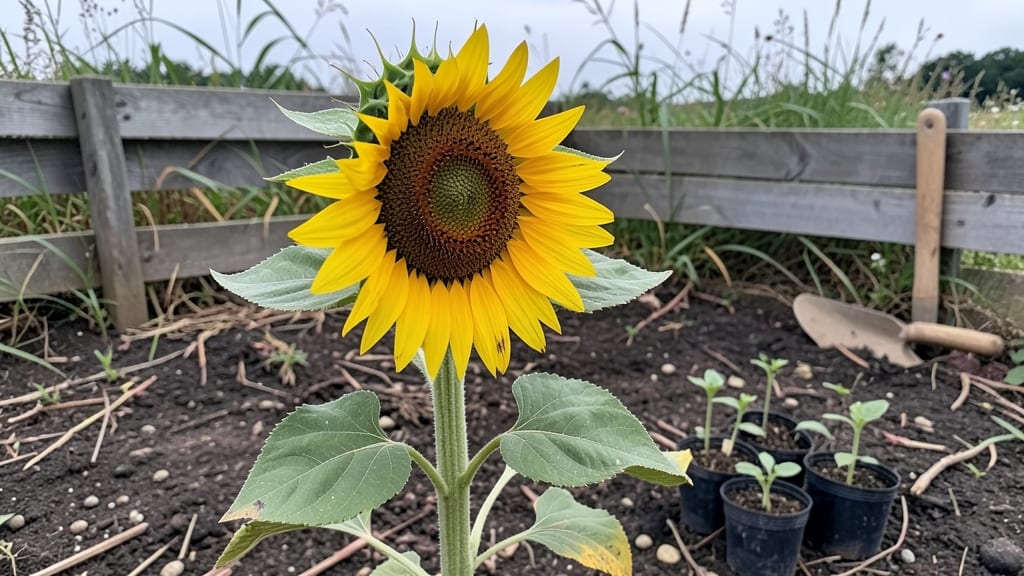
Growing sunflowers in Florida means skipping the frost battles and embracing a year-round advantage—but heat-resistant varieties make all the difference. 🌻 I’ve learned that Florida’s humidity and summer temperatures demand specific choices, like ‘Moulin Rouge’ or ‘Autumn Beauty,’ which handle the heat without bolting too early.
The key isn’t just planting; it’s matching the right variety to your timeline, whether you want towering stems by July or late-season blooms for fall weddings.
Start with well-draining soil mixed with compost, and plant after the last frost—though in Florida, that’s often February or March for spring blooms. Space seeds 12–18 inches apart in full sun, and water deeply once a week once established (overwatering invites fungal diseases).
The real trick? Mulching with straw to keep roots cool and moisture steady—something I wish I’d known my first year when my plants wilted under the midday sun.
You’ll end up with sunflowers that top 6–10 feet tall, their petals glowing against the blue sky even in August. The birds will adore the seeds, and you’ll enjoy cutting stems for arrangements that last weeks.
Just watch for leaf spot—remove affected leaves promptly—and avoid crowded plants to improve airflow. Florida’s long growing season means multiple harvests if you stagger plantings every 6 weeks.
Bonus: Sunflowers here grow faster than in cooler climates, so you can experiment with giant varieties like ‘Russian Giant’ if you’re patient. Just be ready to stake them—those stems need support when they hit 10+ feet.
The payoff? A garden that stays vibrant when other flowers fade, proving sunflowers aren’t just summer’s stars—they’re Florida’s year-round showstoppers.
📚 In This Guide
- What you need
- Instructions
- Tips and common mistakes
- Wrapping up and next steps
What you need
- ● Sunflower seeds: Choose heat-tolerant varieties like ‘Moulin Rouge’ or ‘Autumn Beauty’ (100–200 seeds, depending on desired yield).
- ● Well-draining soil: Mix 1 part compost with 2 parts native Florida soil (or potting mix for containers). Aim for a pH of 6.0–7.5.
- ● Sunflower pots or garden bed: For containers: 5–7 gallon pots (1–2 plants per pot) with drainage holes.
- ● For in-ground: 6–12 inches of space between plants (adjust based on variety size).
- ● Watering can or hose with a gentle nozzle: Sunflowers need 1–2 inches of water per week, especially during Florida’s dry spells.
- ○ Fertilizer (optional but helpful): Balanced 10-10-10 fertilizer at planting (1 tbsp per plant).
- ● Low-nitrogen 5-10-10 fertilizer mid-season for blooms (follow package instructions).
- ● Garden trowel or hand shovel for planting.
- ● Pruners or scissors for deadheading spent blooms (encourages more flowers!).
- ○ Gloves (optional) to protect hands from prickly stems.
- ● Mulch (straw or pine needles) to retain moisture and suppress weeds.
- ○ Stakes or cages (optional) for tall varieties (e.g., ‘Russian Giant’) to prevent flopping in wind or rain.
- ● Timing: Plant seeds 2–3 weeks after the last frost (typically mid-February to early March) for spring blooms, or late summer (August–September) for fall flowers.
- ● Sun exposure: Full sun (6+ hours daily)—Florida’s heat is no match for sunflowers if they get enough light!
- ● Heat tolerance: Avoid varieties sensitive to 90°F+ temps; opt for ‘ProCut’ or ‘Teddy Bear’ for smaller, heat-hardy options.
- ● Pest watch: Keep an eye out for sunflower moths or birds (use netting if needed).
Step-by-step guide to growing sunflowers in Florida’s heat
Florida’s intense sun and humidity demand a strategic approach—here’s how to grow sunflowers that stand tall and vibrant.
🌱 Step 1: Select Heat-Tolerant Varieties and Prepare the Soil
Florida’s summer heat rules out many sunflower varieties, but Moulin Rouge and Autumn Beauty thrive in 90°F+ temperatures and handle humidity better than standard types. These varieties also resist common fungal diseases that plague sunflowers in damp climates. Start with 1-2 plants per person—sunflowers grow fast and need space.
Test your soil’s drainage first. Sunflowers despise soggy roots, so amend heavy clay with 2-3 inches of compost or sand to improve aeration. Work the amendments into the top 12 inches of soil using a garden fork. The goal is loose, well-draining soil that warms quickly—a must in Florida’s slow-starting spring. I like to add a balanced 10-10-10 fertilizer at planting time to give them a nutrient boost without overwhelming them.
☀️ Step 2: Time Planting for Florida’s Microclimates
Sunflowers grow best when soil temperatures reach 60°F+, which in Florida means late February to early March in northern zones or January in southern areas. Planting too early risks cold snaps, while waiting too long means summer’s heat arrives before they establish strong roots. For four plants, space them 2-3 feet apart in rows 4 feet apart to allow airflow and prevent mildew.
Dig holes twice as wide as the root ball but only as deep as the container. This encourages roots to spread horizontally. Water deeply before planting to settle the soil around roots, then water again immediately after. Mulch with 2 inches of straw to retain moisture and suppress weeds—critical in Florida’s intense sun. I always plant in the late afternoon to reduce transplant shock from midday heat.
💧 Step 3: Water Deeply and Protect from Florida’s Humidity
Sunflowers need 1-2 inches of water weekly, but Florida’s humidity means you’ll water less frequently than in drier climates. The key is deep, infrequent watering: soak the soil to 12 inches deep every 5-7 days instead of daily shallow watering. Wet leaves invite fungal diseases like powdery mildew, so always water at the base and avoid overhead sprinkling.
Watch for yellowing lower leaves—this signals either overwatering or nutrient deficiency. If the soil feels damp to the touch, hold off on watering. For extra protection, spray plants with a neem oil solution (1 tbsp per gallon of water) every 2 weeks starting when buds form. This prevents mildew without harming pollinators. I also stake taller varieties like Russian Giant at planting to prevent wind damage from Florida’s summer storms.
✂️ Step 4: Harvest and Extend the Season
Sunflowers are ready to harvest when back of the flower head turns brown and the petals begin to droop. Cut stems with 6 inches of stalk attached and hang upside-down in a dry, dark place for 2-3 weeks to dry fully. For Florida’s long growing season, you can sow a second crop in late summer (August-September) for fall blooms. Choose varieties like ProCut if you’re growing for cut flowers—they hold their shape longer.
Save seeds from your healthiest sunflowers by drying the heads completely, then rubbing the dried flowers between your hands to release seeds. Store them in a cool, dry place for next year’s planting. Florida’s heat means sunflowers grow 30-50% faster than in cooler climates, so expect 8-10 foot stalks in 8-10 weeks if conditions are ideal. The trade-off? You’ll need to harvest quickly before pests like sunflower moths become an issue.
Tips & tricks for perfect sunflower growth in Florida’s climate
Florida’s heat and humidity can turn sunflower gardening into a challenge—but these expert strategies will help you grow sunflowers that stand tall and thrive.
Variety Selection: While Moulin Rouge and Autumn Beauty are your best bets for Florida’s 90°F+ summers, consider Russian Giant if you want extra height (up to 12 feet!). These varieties handle humidity better and resist fungal diseases that plague other types. For cut flowers, ProCut varieties hold their shape longer in the heat.
Soil Preparation: Don’t skip the soil test—Florida’s clay-heavy soils can suffocate sunflower roots. Mix in 2-3 inches of compost or sand to the top 12 inches of soil for perfect drainage. I’ve found that adding a 10-10-10 fertilizer at planting gives them a strong start without overwhelming them. For container growing, use a fast-draining potting mix with perlite.
Planting Timing: Florida’s microclimates matter! Northern areas should plant in late February to early March when soil hits 60°F+, while southern zones can start in January. Planting in the late afternoon reduces transplant shock from midday heat. Pro tip: Use a soil thermometer to confirm temperatures—cold snaps can still happen in Florida’s unpredictable spring.
Pest Prevention: Sunflower moths and powdery mildew are the biggest threats in Florida’s humidity. Apply a neem oil solution (1 tbsp per gallon) every 2 weeks starting when buds form. For extra protection, stake taller varieties at planting to prevent wind damage from summer storms. I also recommend removing any yellowing lower leaves promptly—they’re entry points for pests.
Pro Tips for Grow Sunflowers In Florida
- Florida’s heat and humidity can turn sunflower gardening into a challenge—but these expert strategies will help you grow sunflowers that stand tall and thrive.
- Variety Selection: While Moulin Rouge and Autumn Beauty are your best bets for Florida’s 90°F+ summers, consider Russian Giant if you want extra height (up to 12 feet!).
- Soil Preparation: Don’t skip the soil test—Florida’s clay-heavy soils can suffocate sunflower roots.
Frequently asked questions
Got questions about growing sunflowers in Florida’s sunny (and sometimes stubborn) climate? You’re not alone! Here are answers to the most common queries—from timing to troubleshooting—so you can grow those golden giants with confidence.
When is the best time to plant sunflowers in Florida?
Sunflowers thrive in Florida’s warm but not scorching weather. Plant seeds after the last frost (mid-March to early April) for spring blooms, or late summer (August–September) for fall flowers. Avoid peak summer heat (May–July), which can stress seedlings. Pro tip: Use shade cloth for early seedlings if temperatures exceed 90°F!
Can I grow sunflowers from store-bought seeds, or do I need special varieties?
Store-bought seeds will grow, but Florida’s humidity and pests may challenge them. Opt for heat-tolerant, disease-resistant varieties like ‘Moulin Rouge’ (dwarf) or ‘Russian Giant’ (tall). For extra resilience, choose Florida-friendly hybrids from local nurseries or seed catalogs specializing in Southern climates.
How do I protect sunflowers from pests in Florida?
Florida’s pests—like aphids, squash bugs, and deer—love sunflowers! Preventative tips:
- Use row covers for young plants.
- Spray neem oil or insecticidal soap on aphids.
- Set up deer repellents (like hot pepper spray) if wildlife is a problem.
- Plant marigolds nearby to deter pests naturally.
Why are my sunflower seedlings wilting or dying?
Wilted seedlings often mean overwatering, underwatering, or fungal issues. Florida’s heat + humidity = perfect conditions for damping off (a fungal disease). Fix it:
- Water only at the base (avoid wetting leaves).
- Ensure well-draining soil (mix in compost).
- Space seedlings 12+ inches apart for airflow.
- Use fungicide if damping off appears.
What can I do with sunflowers if they don’t bloom?
No blooms? Don’t toss them! Sunflowers still offer value even without flowers:
- Leaves: Great for mulch or compost.
- Stems: Use as natural trellises for vining plants.
- Seeds: Roast and eat (if pest-free) or save for next year!
- Bird feeders: Leave dried seed heads for local birds.
Wrapping up and next steps
Growing sunflowers in Florida is totally doable—even with the heat and humidity! 🌞 By choosing the right heat-resistant varieties, preparing your soil, and following a few simple steps, you’ll soon be enjoying towering blooms and maybe even some tasty seeds.
Whether you’re a first-time gardener or a seasoned pro, these sunflowers will reward your efforts with vibrant color and a touch of rustic charm.
Now that you’re armed with the know-how, why not grab those seeds and get planting? Start small with a few plants, experiment with different varieties, and watch your garden bloom with sunshine! 🌻