
Propagation
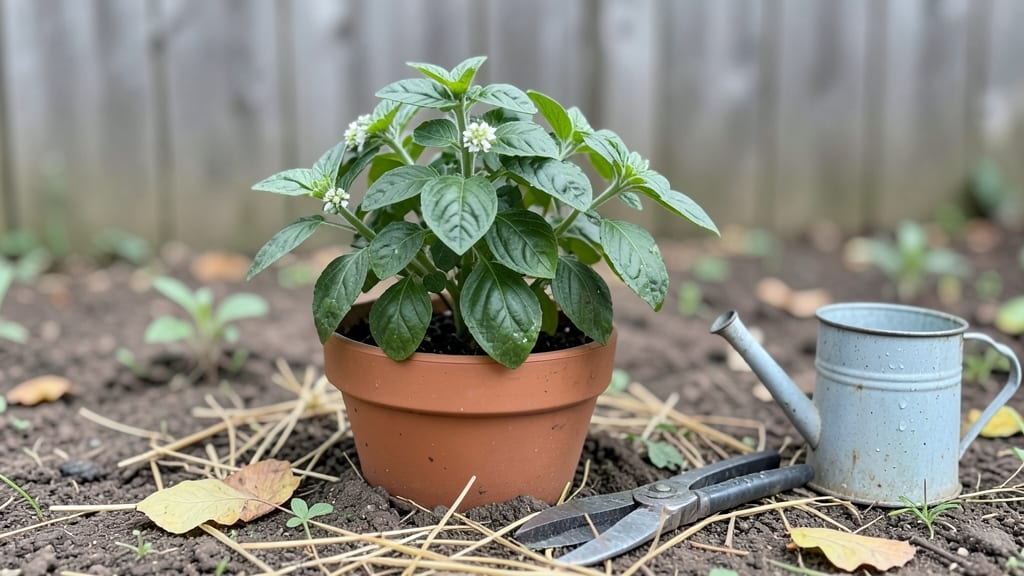
Learn how to prevent basil from flowering before it ruins your harvest—those white blooms signal the end of your fresh leaves, and I’ve wasted seasons watching them take over. 6-8 weeks with the right technique. The key isn’t just cutting flowers; it’s understanding why they appear in the first place.
Basil bolts when stressed—too much heat, not enough water, or simply reaching maturity. But here’s the good news: you can reset the plant’s focus back to leaf growth with simple pruning.
All you need are clean scissors, a sunny windowsill or garden spot, and a little patience. The payoff? Lush, flavorful leaves for pesto, salads, and cooking all season long.
By pinching off flower buds early and harvesting leaves regularly, you’ll keep your basil bushy and productive. The secret’s in timing—prune in the morning when oils are highest, and always cut just above a leaf node.
Even if flowers sneak through, don’t toss the plant: those buds turn into basil seeds you can save for next year.
This method works for both container-grown basil and garden beds, whether you’re growing Genovese, Thai, or purple basil. The only rule? Stay consistent with pruning and watering, and your plants will reward you with bold, aromatic leaves until the first frost. Ready to save your harvest?
📚 In This Guide
- What you need
- Instructions
- Tips and common mistakes
- Wrapping up and next steps
What you need
- ● Fresh basil plant(s) – Potted or in-ground (at least 6–8 inches tall for best results).
- ● Clean, sharp pruning shears – Small bypass pruners (avoid dull tools to prevent damage).
- ○ Gloves (optional but recommended) – Nitrile or cotton gloves to protect hands from sap and dirt.
- ● Watering can or hose with a gentle nozzle – For post-pruning hydration.
- ● Well-draining potting mix (if repotting) – A high-quality blend with perlite or vermiculite (e.g., 60% potting soil + 40% organic matter).
- ● Plant food or liquid fertilizer – Balanced 10-10-10 or organic options like fish emulsion (diluted to half-strength).
- ● Pruning spray (70% isopropyl alcohol) – To sterilize shears between cuts and prevent disease.
- ● Grow lights or shade cloth – If your basil is indoors or in hot climates (to manage light exposure).
- ● Small containers or jars – For propagating cuttings if you want to multiply your basil!
How to keep your basil lush and leafy: pinch and prune like a pro
Here's exactly how I keep my basil thriving and flowering-free for months of fresh harvests.
Identify the Right Time to Prune
Watch for the first signs of flowering—tiny buds forming at the top of stems. This usually happens when your basil reaches about 6-8 inches tall. The moment you spot these buds, take action immediately. Waiting even a day lets the plant divert energy from leaves to flowers, and once buds open, the leaves turn bitter.
I like to prune in the morning when the plant is fully hydrated. The leaves will be crisp, and you'll see the new growth points more clearly. Run your fingers gently down the main stems—you'll feel the small, hard buds before they're visible. That's your cue to grab those pruning shears.
Pinch Back the Flowering Stems
Use clean, sharp scissors or your fingers to pinch off the flowering stems just above a set of leaves where new growth can emerge. Never cut into the woody stem—this stresses the plant. Instead, look for the leaf node where side shoots can form. You'll know you're in the right spot when you see small buds or leaves beginning to form there.
Don't worry about the size of the cut—even if it looks drastic, the plant will bounce back. After pinching, the basil redirects its energy to producing more leaves. I usually remove 2-3 inches of the flowering stem, but the exact length doesn't matter as long as you're cutting above a leaf node. This encourages bushier growth and keeps the plant productive.
Prune for Bushier Growth
After removing the flowering stems, focus on shaping the plant. Cut back the main stems by about one-third to encourage branching. This is where you'll see the most dramatic change—new side shoots will form within 7-10 days. The goal is to create a fuller, more compact plant with multiple stems rather than one tall, leggy one.
I always prune just above a leaf node where two leaves meet the stem. This is where the plant naturally produces new growth. Avoid cutting into the center of the plant—this creates a "donut hole" that traps moisture and invites disease. Instead, work from the outside in, giving the plant room to breathe and grow outward.
Maintain Regular Pruning for Continuous Harvests
Once you've pinched back the first set of flowers, keep pruning every 2-3 weeks to maintain growth. Always remove any new flower buds as soon as you see them—this prevents the plant from shifting its energy away from leaves. I also harvest leaves regularly, cutting just above a leaf node to encourage more growth. This keeps the plant productive and delays flowering.
Pay attention to the plant's overall health. If the leaves start to yellow or the growth slows, it might be time to adjust your pruning. Over-pruning can stress the plant, while under-pruning lets it become leggy. The key is balance—keep the plant bushy, remove flowers immediately, and harvest leaves regularly. With this routine, you'll enjoy fresh basil for months.
Tips & tricks for preventing basil flowering
Here's what I've learned after years of growing basil—these small adjustments make all the difference between a plant that flowers quickly and one that stays leafy for months.
The Timing Secret: In Step 1, those 6-8 inches are your magic number. I've found that basil plants left to grow taller than 8 inches before pruning are far more likely to flower. The moment you see even the tiniest buds, act immediately—delaying just a day can make the difference between bitter leaves and flavorful harvests. I check my plants every morning after watering, when the stems are firm and buds are easiest to spot.
Pruning Precision: When you're pinching back those flowering stems in Step 2, focus on cutting just above a leaf node where two leaves meet the stem. This is where new growth emerges most vigorously. I always use my fingers rather than scissors for small stems—it gives me better control. The 2-3 inches I mentioned isn't set in stone; what matters is cutting above that leaf node to encourage branching.
Growth Acceleration: After pruning in Step 3, you'll notice new side shoots appear within 7-10 days—this is your plant's natural response to being pruned. To speed this up, place your basil in a sunny spot (at least 6 hours of direct sunlight daily) and water consistently. I've seen plants that were leggy and weak transform into bushy, productive plants in just two weeks with proper care after pruning.
Maintenance Routine: The 2-3 weeks between prunings in Step 4 is flexible—adjust based on your plant's growth rate. If you notice new flower buds forming before the 2-week mark, don't wait! Remove them immediately. I keep a small pair of clean scissors by my basil plants to make quick cuts when needed. This regular attention prevents the plant from diverting energy to flowers and keeps it focused on leaf production.
Pro Tips for Prevent Basil From Flowering
- Here's what I've learned after years of growing basil—these small adjustments make all the difference between a plant that flowers quickly and one that stays leafy for months.
- The Timing Secret: In Step 1, those 6-8 inches are your magic number.
- Pruning Precision: When you're pinching back those flowering stems in Step 2, focus on cutting just above a leaf node where two leaves meet the stem.
Frequently asked questions
Got questions about keeping your basil lush and leafy? Here are answers to common concerns—so you can enjoy fresh basil for weeks (or even months!) without those pesky flowers.
Why does basil flower so quickly?
Basil flowers as a natural response to stress, heat, or long daylight hours. Once it blooms, the leaves turn bitter, and the plant focuses energy on seeds instead of growth. Pinching off flowers early resets the plant’s cycle and encourages bushier, tastier foliage.
How often should I pinch basil to prevent flowering?
Start pinching when your basil reaches 6–8 inches tall, then repeat every 2–4 weeks during the growing season. For container-grown basil, you might pinch more frequently (every 2 weeks) since it grows faster. Pro tip: Stop pinching in late summer to let the plant naturally slow down as temperatures drop.
Can I still use basil if it starts flowering?
Yes! While the lower leaves stay flavorful, the newer leaves near the flowers turn bitter. Harvest these lower leaves first, then pinch the flower stems to redirect energy back to the plant. If the bitterness is too strong, harvest and compost the flowered leaves and focus on regrowing fresh basil.
Does heat or drought cause basil to flower faster?
Basil bolts (flows to flower) when stressed by high heat (above 90°F) or inconsistent watering. To slow flowering:
- Provide afternoon shade in hot climates.
- Water deeply 1–2 times per week (let the top inch of soil dry out between waterings).
- Avoid overcrowding—ensure 6+ inches of space between plants for airflow.
What if my basil keeps flowering even after pinching?
If your basil keeps reblooming, it may be due to genetics (some varieties bolt faster) or over-maturity. Try these fixes:
- Switch to a slower-bolting variety like ‘Genovese’ or ‘Sweet Basil’ for longer harvests.
- Move pots to a cooler, shadier spot (like a porch or under a tree).
- For extreme cases, regrow basil from cuttings—snip healthy stems, strip the leaves, and root them in water for a fresh start!
Bonus Tip: Extend the season with these tricks!
| Problem | Solution |
|---|---|
| Early spring/summer flowering | Start basil indoors 6–8 weeks before last frost for a head start. |
| Late-season slowdown | Harvest leaves aggressively in fall to encourage regrowth until frost. |
| Container-growing challenges | Use larger pots (12+ inches) and fertilize lightly every 2 weeks. |
Wrapping up and next steps
Preventing basil from flowering is all about timely care and consistency—pinching, pruning, and providing the right conditions will keep your plants lush and productive for weeks to come! 🌿 With these simple techniques, you’ll enjoy a steady harvest of flavorful leaves, perfect for your favorite dishes. Ready to take the next step? Try experimenting with different pruning schedules or even grow lights to see what works best for your basil’s growth cycle.
Happy gardening, and may your kitchen always be filled with fresh, vibrant basil! 🌱