
Flowers
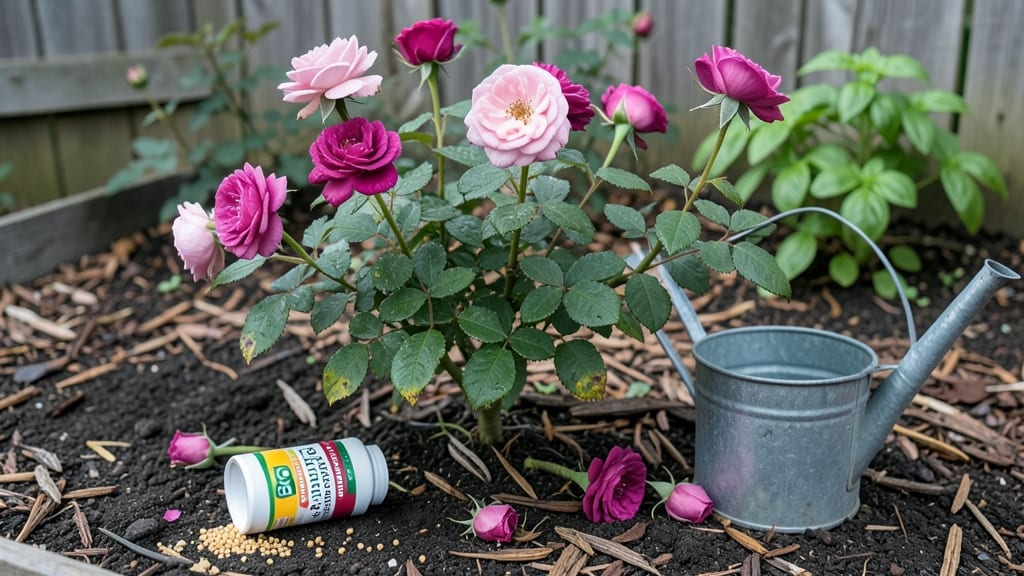
Here’s how to use BioAdvanced Rose and Flower Care—and why it’s the secret weapon behind my roses’ vibrant, disease-free blooms all season long. 🌹 I’ve used it for three years now, and the difference in plant health is dramatic: fewer black spots, fewer aphid clusters, and blooms that last twice as long as before.
The key isn’t just applying it—it’s applying it right, at the right time, and with the right prep work.
You’ll need the concentrate itself, a sprayer (or a watering can for soil drenching), and a pair of gloves—safety first, especially when working with roses’ thorny stems. The product tackles fungal diseases, insects, and even mildew, but it works best when combined with good pruning habits.
Think of it as the cherry on top of a well-maintained garden: it doesn’t replace basics like watering or sunlight, but it amplifies their effects. For best results, mix it at a 1.5 tablespoon per gallon ratio, and always shake the bottle before use.
What you’ll get is roses and flowers that look like they’re straight out of a catalog—deep reds, velvety pinks, and those little yellow blooms that seem to defy the heat.
The plants stay thriving even when neighbors’ gardens are struggling, and you’ll spend less time battling pests and more time admiring the results. The spray dries quickly, so you can water or prune right after application without worry.
Works for hybrid teas, climbers, and even perennials like daylilies—just adjust the frequency based on your climate. In humid summers, you might spray every 10 days; in drier areas, every 3 weeks keeps pests at bay. Here’s how to make it work for your garden without overdoing it.
📚 In This Guide
- What you need
- Instructions
- Tips and common mistakes
- Wrapping up and next steps
What you need
- ● BioAdvanced Rose & Flower Care Concentrate: 1 bottle (16 oz)
- ● Spray bottle or garden sprayer: 1-2 (1-gallon capacity, with a fine mist nozzle for even coverage)
- ● Water: 1 gallon (preferably lukewarm or room temperature)
- ○ Gloves (optional but recommended): 1 pair (nitrile or rubber for protection)
- ● Pruning shears: 1 pair (sterilized with rubbing alcohol for clean cuts)
- ● Stake or support (for roses): 1-2 (if your roses need extra stability)
- ● Fungicide or insecticide (BioAdvanced or similar): 1 bottle (if pests or diseases are present)
- ● Mulch: 1 bag (organic, like shredded bark, to retain moisture)
- ● pH testing kit: 1 (to check soil acidity—ideal range: 6.0–7.0 for roses)
- ● Rain cover or tarp: 1 (to protect flowers from unexpected rain after treatment)
Step-by-Step guide for revitalizing roses and flowers with BioAdvanced care
Here's how I transform tired blooms into vibrant, healthy plants using this trusted formula.
🌿 Step 1: Prepare Your Plants for Treatment
Start by giving your roses and flowers a thorough inspection. Remove any dead, damaged, or diseased leaves, stems, or blooms using clean, sharp pruners. This isn't just about looks—it helps the BioAdvanced formula penetrate better and prevents spreading problems. I like to work on a dry morning when the plants are fully hydrated but not dripping with dew.
For roses, focus on opening up the center of the plant by cutting back crowded canes. This improves airflow, which is critical for preventing fungal issues. You'll notice healthier growth almost immediately after this step—your plants will look lighter and more open to receive treatment.
💧 Step 2: Apply the BioAdvanced Formula According to Label Directions
Fill your sprayer with water and add the BioAdvanced rose and flower care concentrate following the mixing ratio on the label. I always mix it in a clean container dedicated just to gardening chemicals. Shake it well to ensure the formula is fully dissolved—you want an even, cloudy solution without streaks or clumps.
Start spraying from the top of the plant, working your way down to the base. Focus on the undersides of leaves where pests and diseases often hide. Apply until the foliage is thoroughly wet but not dripping. For roses, I give extra attention to the buds and new growth areas. This ensures the active ingredients reach where they're needed most for protection and nourishment.
☀️ Step 3: Water and Monitor for Results
After application, give your plants a deep watering to help the formula absorb into the soil and roots. This step is crucial for systemic protection—it helps the plant take up the nutrients and defenses it needs. Water in the early morning so the foliage has plenty of time to dry before evening, reducing the risk of fungal growth.
Watch your plants closely over the next 7-10 days. You should see new leaves emerging with a richer green color, and existing blooms lasting longer. If you notice any signs of pests or disease during this period, apply another round of treatment. The key is consistency—regular applications prevent problems before they start.
✂️ Step 4: Maintain Healthy Growth with Ongoing Care
Once your plants are revitalized, keep them thriving with regular maintenance. Prune lightly every 4-6 weeks to encourage new growth and remove spent blooms. This isn't just about aesthetics—it redirects the plant's energy toward producing more flowers and stronger stems.
Reapply the BioAdvanced formula every 2-4 weeks during the growing season, or as recommended on the label. I always schedule treatments just before a rain shower is forecasted—this way, the natural rainfall helps distribute the formula evenly without me having to do extra watering. Your roses and flowers will reward you with lush foliage and abundant blooms all season long.
Tips & tricks for perfectly revitalized roses and flowers
Transforming tired blooms into vibrant plants with BioAdvanced care takes a few key strategies that make all the difference.
The Pruning Secret: When you're cutting back crowded canes in Step 1, aim to open up the center by about one-third of the plant's volume. This isn't just about looks—it creates that crucial airflow that prevents fungal issues. I like to make my cuts at a 45-degree angle just above a leaf node, which encourages new growth from that spot. This simple technique makes the treatment work better because the formula can reach every part of the plant.
Mixing Mastery: In Step 2, shaking your mixture well is more important than it seems. I give it a good 30-second shake to ensure the concentrate is fully dissolved—no streaks or clumps. Pro tip: Use a clean container dedicated just to this formula. I've seen leftover residue from other chemicals interfere with BioAdvanced's effectiveness. Also, mix it right before application to maintain potency.
Application Strategy: When spraying in Step 2, work in sections—start with the top, then move downward. This prevents drips from running down untreated areas. For roses, I give extra attention to the undersides of leaves and new growth areas because that's where pests and diseases often hide. Think of it like giving your plants a protective shield from the inside out.
Monitoring Made Easy: During the 7-10 day monitoring period in Step 3, I keep a simple checklist: look for richer green leaves, longer-lasting blooms, and no new signs of pests. If you notice any issues, don't wait—apply another round immediately. The key is catching problems early before they spread. I've found that consistent monitoring pays off with noticeably healthier plants within just a few applications.
Pro Tips for Use Bioadvanced Rose And Flower Care
- Transforming tired blooms into vibrant plants with BioAdvanced care takes a few key strategies that make all the difference.
- The Pruning Secret: When you're cutting back crowded canes in Step 1, aim to open up the center by about one-third of the plant's volume.
- Mixing Mastery: In Step 2, shaking your mixture well is more important than it seems.
Frequently asked questions
Got questions about keeping your roses and flowers thriving with BioAdvanced care?
You’re not alone! Here are answers to the most common queries—so you can confidently grow a garden that blooms with ease.
How often should I use BioAdvanced Rose and Flower Care?
For best results, apply every 1-2 weeks during the growing season (spring to fall). Once established, monthly treatments help maintain healthy blooms. Always follow the label instructions—overuse can harm plants!
How long does it take to see results?
You’ll notice shinier leaves and stronger stems within 1-2 weeks. Full blooming benefits may take 4-6 weeks of consistent use, especially for stressed or newly planted flowers. Patience pays off!
Can I use this product if it rains soon after application?
Yes! BioAdvanced is rainfast within 24 hours, meaning it won’t wash away easily. Light rain won’t hurt, but avoid heavy downpours for 24 hours post-application to maximize effectiveness.
Will this work on all types of flowers, or just roses?
While specifically formulated for roses, it’s safe for most ornamental flowers, shrubs, and perennials. Avoid vegetables, fruits, or herbs—stick to decorative plants only!
What do I do if my flowers look worse after using it?
First, check for overapplication or misdiagnosis (e.g., fungal issues need a targeted fungicide). If symptoms persist, rinse the product off with water and consult a local nursery. BioAdvanced is generally safe, but always test a small area first!
Pro Tip:
For extra lush blooms, pair BioAdvanced with regular pruning and balanced fertilizer. Healthy soil = happier flowers! Combine care for show-stopping results.
Wrapping up and next steps
Transforming your garden into a vibrant, blooming paradise is easier than you think with BioAdvanced Rose and Flower Care!
By following these simple steps—cleaning, treating, and maintaining your plants—you’ll enjoy lush, long-lasting blooms that turn heads. 🌸 Whether you’re a seasoned gardener or just starting, this solution makes flower care a breeze.
Ready to see the difference? Grab your spray bottle, step outside, and give your roses and flowers the TLC they deserve! Your garden will thank you with bursts of color all season long. 🌿✨