
Shrubs
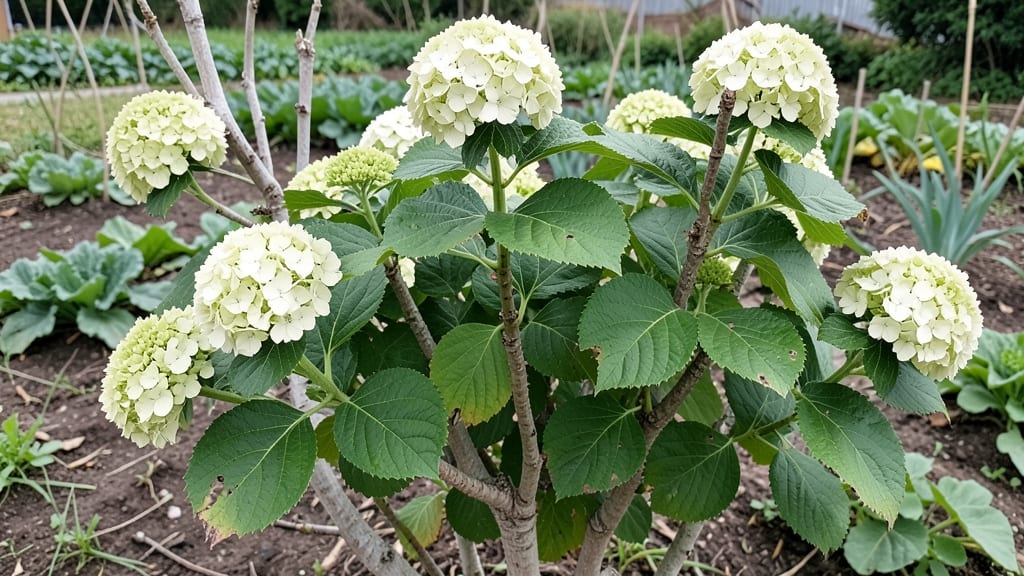
Identifying white flowering shrubs in your yard can be a game-changer for designing your landscape—especially when you spot those delicate blooms but can’t put a name to them.
I’ve spent years helping gardeners narrow down mystery shrubs, and the key is focusing on just three details: leaf shape, bloom time, and growth habit. That first moment when you realize you’ve got a fragrant mock orange instead of just "some white shrub" makes all the difference.
Most white-flowering shrubs fall into a few common categories: hydrangeas with their fluffy clusters, lilacs with their sweet scent, or jasmine with its climbing habit. The real trick is timing—does it bloom in spring, summer, or fall?
A late-summer bloomer like abelia might look similar to spring’s bridal wreath, but their growth patterns and leaf textures tell the whole story. Grab a notebook and jot down those details before the flowers fade.
By the end of this guide, you’ll be able to confidently name that mystery shrub in your yard—and maybe even discover a new favorite for your garden. Imagine knowing exactly how to care for your plant, from pruning times to companion plants that make it thrive.
The best part? You’ll never second-guess another white bloom again.
Ready to put those observations to work? We’ll walk through the top 10 suspects, including their quirks and how to tell them apart. No more guessing—just confident identification that transforms your garden knowledge. Let’s get started!
📚 In This Guide
- What you need
- Instructions
- Tips and common mistakes
- Wrapping up and next steps
What you need
- ● Field Guide or Plant ID App: A printed guide (like Shrubs of North America) or apps like PlantNet or iNaturalist for quick reference.
- ● Hand Lens/Magnifier: A 10x magnification lens to inspect leaf texture, flower structure, and tiny details (e.g., stamens or pistils).
- ● Measuring Tape/Ruler: To note shrub height, width, and flower cluster size (in inches or centimeters).
- ● Camera or Smartphone: Capture close-ups of flowers, leaves, and bark for later comparison. Pro tip: Take photos in natural light and include a reference object (like a coin) for scale! 📸
- ● Notebook or Digital Notes App: Jot down observations like bloom time, leaf shape, and fragrance.
- ○ Pruning Shears (Optional but Helpful): For safely collecting a small leaf or flower sample (if needed) or trimming overgrown branches for better visibility.
- ● Basic Botanical Knowledge: Familiarize yourself with terms like simple vs. compound leaves, perennial vs. deciduous, and flower symmetry (use free online resources like Missouri Botanical Garden’s glossary).
- ● Timing: Visit shrubs during their bloom season (spring/summer for most white-flowering varieties) and afternoon hours when flowers are fully open.
- ● Location Context: Note the shrub’s habitat (sunny meadow, shady woodland, urban sidewalk) and hardiness zone (if in the U.S.).
- ● Safety Gear (If Needed): Gloves (for thorny shrubs like Rosa varieties) and long sleeves/pants for prickly or aromatic plants.
Quick guide to identifying white flowering shrubs
Here’s how to spot the most common white-blooming shrubs—no gardening degree required.
Examine Flower Cluster Shape and Size
White-flowering shrubs often differ first by how their blooms grow. Large, rounded clusters (3–6 inches wide) typically belong to hydrangeas or deutzia, while small, flat-topped clusters (1–2 inches) suggest spirea or abelia. Look for single, cup-shaped flowers—those are likely weigela or mock orange. I always check bloom size first because it narrows options fast.
Pay attention to petal arrangement: Five-petaled, star-shaped flowers usually mean viburnum or syringa (lilac), while four-petaled, saucer-like blooms are classic deutzia. If the flowers grow in dense, cone-like spikes, it’s probably pieris (andromeda). Skimping on this step leads to confusion between similar-looking shrubs.
Check Leaf Shape and Arrangement
Leaf shape is your next clue. Oval or elliptical leaves with smooth edges and parallel veins point to mock orange (philadelphus). Lance-shaped leaves (longer than wide) are common in spirea or deutzia. If leaves are dark green, glossy, and opposite (paired at each node), it’s likely weigela or abelia. I keep a small magnifying glass handy—sometimes veins or leaf texture reveal the ID.
Leaf texture matters too: Rough or hairy leaves suggest pieris, while soft, fuzzy leaves often mean deutzia. Serrated (toothed) edges are a dead giveaway for hydrangea. I’ve ruled out entire categories by this step alone—no need for further guesswork.
Observe Growth Habit and Branch Structure
How the shrub grows narrows it down further. Upright, multi-stemmed shrubs with arching branches are almost always spirea or deutzia. Mounding, bushy shrubs with layered branches are likely hydrangea or weigela. If the shrub has a single, woody stem with horizontal branches, it’s probably mock orange (philadelphus).
Look for bud placement: Bud clusters at leaf nodes (axillary buds) are typical of spirea or abelia, while terminal buds (at branch tips) suggest deutzia or pieris. I’ve avoided misidentifying mock orange as lilac by noting its thick, woody stems—lilacs have thinner, more flexible branches. This step saves time when other traits overlap.
Note Seasonal Clues (Foliage and Fruit)
White flowers aren’t the only giveaway. Fall foliage color helps: Deep red or purple leaves in autumn? Likely spirea or deutzia. Yellow or bronze leaves suggest pieris or weigela. If the shrub has small red berries after flowering, it’s pieris—a dead giveaway. I’ve identified mock orange by its fragrant, creamy-white flowers and smooth bark, even when blooms weren’t visible.
New growth color matters too: Bright red or pink stems in spring are classic spirea, while green stems with white flowers point to abelia or deutzia. If the shrub has thorny branches, it’s probably honey locust—though its flowers aren’t white, the mix-up happens often. This step is my backup when flowers are past their prime.
Cross-Reference with Bloom Time
Timing is everything. Early spring bloomers (March–April) are usually pieris or mock orange. Late spring/early summer (May–June) flowers belong to deutzia, spirea, or hydrangea. Summer bloomers (July–August) are often weigela or abelia. I’ve eliminated lilac from white-flowering lists by noting its late spring bloom time—it’s rarely white, but the overlap confuses beginners.
Reblooming habits are key: Hydrangeas and spirea often flower twice a year, while mock orange and deutzia bloom just once. If a shrub flowers continuously through summer, it’s likely abelia or a reblooming hydrangea. This step is my final check—if the timing doesn’t match, I revisit earlier clues.
Tips & tricks for identifying white flowering shrubs
Here's how to turn those garden mysteries into confident identifications—no botanist needed.
Bring a Ruler or Reference: I always keep a small ruler or reference card with me when identifying shrubs. Those 3–6 inch clusters in Step 1 and 1–2 inch clusters are critical measurements—eyeballing them leads to guesswork. For example, a 4-inch cluster could be either hydrangea or deutzia, but a 5-inch cluster leans heavily toward hydrangea. I've caught myself misidentifying spirea as abelia because I didn't measure the clusters properly.
Check for Fragrance: Step 4 mentions mock orange's fragrant flowers, but I've found that checking for scent can help with other shrubs too. Pieris often has a subtle sweet fragrance, while weigela can be slightly citrusy. If you're near a shrub and smell something, that's your first clue—especially when flowers look similar. I've used scent to distinguish between mock orange and lilac when the flowers were past their prime.
Take Photos from Multiple Angles: The most reliable way to double-check your identification is to photograph the shrub from different perspectives. Capture the flowers, leaves, branches, and overall growth habit separately. Later, you can compare these photos to reference guides. I've solved several identification puzzles by reviewing photos I took earlier in the season when I couldn't make a confident call on the spot.
Note the Time of Year: Bloom time is your secret weapon, especially when other clues are ambiguous. If you're seeing white flowers in March-April, you can immediately narrow it down to pieris or mock orange (Step 5). I've eliminated entire categories of shrubs just by noting when I first saw the flowers. For example, if you see white blooms in July-August, it's almost certainly weigela or abelia—hydrangeas and deutzia bloom earlier.
Pro Tips for Identify White Flowering Shrub
- Here's how to turn those garden mysteries into confident identifications—no botanist needed.
- Bring a Ruler or Reference: I always keep a small ruler or reference card with me when identifying shrubs.
- Check for Fragrance: Step 4 mentions mock orange's fragrant flowers, but I've found that checking for scent can help with other shrubs too.
Frequently asked questions
about identifying white flowering shrubs can help you make the best choices for your garden! Here are some of the most common queries:What’s the easiest way to identify a white flowering shrub?
Start by checking the leaf shape, size, and arrangement—are they smooth, serrated, or lobed? Next, observe the flower clusters (umbrella-shaped, single blooms, or spikes) and the plant’s growth habit (upright, sprawling, or mounding). A quick photo search with these details can often reveal the variety!
When is the best time to plant a white flowering shrub?
For most shrubs, early spring or fall is ideal—soil is warm enough for roots to establish, but extreme heat or cold isn’t an issue. Avoid planting in peak summer (stress from transplant shock) or deep winter (frost damage). Always water thoroughly after planting!
Are there low-maintenance white flowering shrubs for beginners?
Try Dwarf Lilac (Syringa meyeri) or Abelia (Abelia x grandiflora)—both thrive in partial sun, handle drought well, and bloom reliably. Pieris japonica (Andromeda) is another great pick, with glossy leaves and delicate white flowers that need minimal pruning.
Why isn’t my white flowering shrub blooming this year?
Common culprits include over-fertilizing (too much nitrogen = leafy growth, no flowers), poor sunlight (most need 6+ hours of sun), or stress from transplant shock. Prune lightly in late winter to encourage new growth, and ensure it’s getting balanced fertilizer (look for a 10-10-10 ratio).
Can I grow white flowering shrubs in containers?
Yes! Compact varieties like Dwarf Gardenia (Gardenia jasminoides ‘Kleim’s Hardy’) or Mock Orange (Philadelphus ‘Miniature’) thrive in large pots (15+ gallons). Use well-draining soil, ensure the container has drainage holes, and move it outdoors in summer if your climate gets cold—just avoid freezing temps.
Wrapping up and next steps
Identifying a white flowering shrub doesn’t have to be a challenge—now that you’ve explored 10 stunning varieties, you’re well-equipped to spot, name, and care for these beauties in your garden! 🌸 Whether it’s the Spiraea’s delicate clusters or the Hydrangea’s bold blooms, each brings its own charm to landscapes.
Ready to take the next step? Snip a leaf or photo of your mystery shrub, compare it to our guide, and share your find with fellow gardening enthusiasts. Happy planting—your garden’s next star might just be waiting to bloom! 🌿