
Flowers
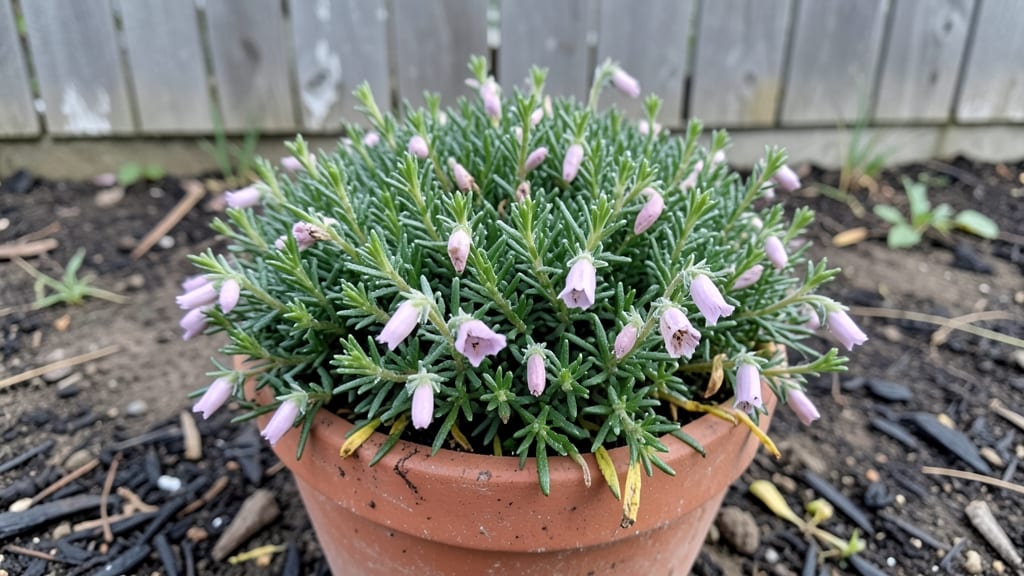
The Italian heather flower steals the show in sunbaked gardens, where its silvery foliage and delicate blooms thrive in heat while other perennials wilt. and drought makes it a standout. The key is mimicking its native conditions: well-draining soil, full sun, and minimal fuss once established.
Varieties like 'White Heather' and 'Pink Heather' add soft color contrasts that last from late spring through summer.
The secret to vibrant blooms lies in three simple requirements: soil that drains fast (mix sand or gravel if yours is heavy), a sunny location with at least 6 hours of direct light daily, and watering that mimics Mediterranean rains—deep but infrequent.
Once rooted, Italian heather becomes nearly self-sufficient, making it perfect for low-maintenance gardens. Prune lightly after flowering to encourage bushier growth next season.
You'll love how this plant transforms dry corners into lush, fragrant displays with minimal effort. The silvery-green foliage provides year-round interest, while the tiny flowers attract pollinators without competing with other plants.
For long-term health, avoid heavy fertilizers and focus on occasional trimming to maintain shape. Within a season, you'll have a sun-loving perennial that outshines trendy but high-maintenance alternatives.
Works beautifully in rock gardens, borders, or even containers—ideal for small spaces or urban gardens. The varieties adapt well to different climates, though they prefer USDA zones 5-9. Here's how to get started with foolproof care that keeps your Italian heather thriving for years.
📚 In This Guide
- What you need
- Instructions
- Tips and common mistakes
- Wrapping up and next steps
What you need
- ● Italian Heather Plants: 3–5 nursery-grown plants (perennial, hardy in USDA zones 5–9)
- ● OR 1–2 packets of seeds (slow-growing; germination takes 4–6 weeks)
- ● Soil: Well-draining, acidic soil (pH 4.5–5.5). Mix in: 2 parts peat moss or coconut coir
- ● 1 part perlite or coarse sand
- ○ 1 part pine bark fines (optional, for extra acidity)
- ● Fertilizer: Slow-release acid-loving plant fertilizer (e.g., 10-10-10 or 16-4-8)
- ● OR organic options like fish emulsion or composted pine needles
- ● Tools: Trowel or small shovel
- ● Garden gloves (to protect from prickly stems)
- ● Watering can with a rose attachment (for gentle watering)
- ● Pruning shears (sterilized with rubbing alcohol)
- ● Mulch: Pine straw or wood chips (to retain moisture and acidity)
- ● Garden stakes or rings (for support if planting in windy areas)
- ● pH test kit (to monitor soil acidity)
- ● Slow-release iron chelate (if leaves appear yellow—common in alkaline soils)
- ● Decorative rocks or gravel (for a Mediterranean-style border)
Step-by-step guide to planting and cultivating Italian heather
Italian heather thrives in sunny, well-drained spots—here’s how to establish it for years of vibrant blooms.
Select the Perfect Planting Site
Italian heather (Erinacea italica) demands full sun—at least 6-8 hours of direct sunlight daily—to produce its signature rosy-pink flowers. Choose a location with well-draining soil to prevent root rot, as this Mediterranean native cannot tolerate soggy conditions. Rocky or sandy soils suit it best, but amending heavy clay with coarse sand or gravel improves drainage.
Test your soil’s moisture by digging a 6-inch hole—if water pools after 30 minutes, amend the area with 3-4 inches of gritty material like perlite or crushed stone. Avoid low spots where water collects after rain. Italian heather’s compact growth habit (typically 12-18 inches tall and wide) makes it ideal for borders, slopes, or rocky gardens.
Prepare the Soil and Plant Bare-Root Starts
For bare-root plants, soak the roots in lukewarm water for 1-2 hours before planting to rehydrate them. Dig a hole slightly wider and just as deep as the root ball, ensuring the crown (where roots meet stems) sits level with the soil surface. This prevents rot if planted too deep or poor establishment if too shallow.
Mix the excavated soil with a handful of coarse sand or gravel to improve drainage, then backfill the hole while gently pressing the soil around the roots to eliminate air pockets. Space plants 12-18 inches apart to allow airflow and prevent fungal diseases. Water deeply immediately after planting to settle the soil and remove any air gaps.
Establish Watering and Mulching Routines
Italian heather is drought-tolerant once established, but newly planted specimens need consistent moisture for the first 2-3 weeks. Water deeply once every 2-3 days until the soil feels dry 1-2 inches below the surface. Overwatering is the fastest way to kill it—yellowing leaves signal soggy roots.
Apply a 2-inch layer of gravel or small stones around the base (but not touching the stems) to suppress weeds and retain soil moisture without smothering roots. Avoid organic mulch like wood chips, which can compact and trap moisture. After the first year, reduce watering to once every 7-10 days unless your region experiences prolonged dry spells.
Prune for Shape and Encourage Blooms
Prune Italian heather immediately after flowering (typically late spring) to maintain its compact form. Use clean, sharp pruners to trim back one-third of the oldest growth—this stimulates new shoots and ensures dense, bushy foliage. Avoid heavy pruning in fall or winter, as the plant relies on mature stems for winter hardiness.
Deadhead spent blooms throughout the season to redirect the plant’s energy toward new flowers rather than seed production. If growth becomes leggy, shear lightly to encourage branching. Italian heather rarely needs fertilizing—too much nitrogen promotes leafy growth at the expense of flowers. A light application of balanced 10-10-10 fertilizer in early spring suffices for nutrient-poor soils.
Overwinter and Protect from Harsh Conditions
While Italian heather tolerates USDA Zones 5-9, it benefits from winter protection in colder climates (Zones 5-6). Once temperatures drop below 20°F, mound 2-3 inches of gravel or bark mulch around the base to insulate roots. Avoid organic mulch, which can rot and harm the plant.
If your winters are particularly brutal (below 10°F), cover the plant with a layer of burlap or frost cloth secured loosely to allow airflow. Remove protective materials in early spring once new growth appears. Italian heather’s evergreen foliage provides year-round interest, but severe winter dieback is normal—prune back dead stems in late winter to reveal fresh growth.
Tips & tricks for perfect Italian heather cultivation
These pro tips will help you avoid common pitfalls and ensure your Italian heather thrives for seasons to come.
Site Selection is Everything: When evaluating potential planting spots, pay special attention to the 6-8 hours of direct sunlight requirement. Southern exposures get the most sun, but east-facing slopes also work well. I've found that morning sun with afternoon shade prevents leaf scorch in hotter climates. Test your site's drainage by digging a 6-inch hole—if water lingers after 30 minutes, you'll need to amend the soil with 3-4 inches of gritty material like perlite or crushed stone before planting.
Root Preparation Matters: The 1-2 hour soak for bare-root plants isn't just about hydration—it helps prevent transplant shock. I always use lukewarm water (around 80°F) to avoid temperature shock to the roots. After soaking, gently swirl the roots to remove any clinging soil while keeping the root ball intact. This ensures the delicate roots don't dry out during the 30-minute window between soaking and planting.
Pruning Precision: When trimming back one-third of the oldest growth immediately after flowering, focus on removing woody stems rather than just cutting randomly. I use clean, sharp pruners and make cuts just above a set of healthy leaves. This encourages bushier growth while maintaining the plant's natural shape. The key is timing—waiting too long after flowering reduces the plant's ability to establish new growth before winter.
Winter Protection Strategy: In colder climates (Zones 5-6), the 20°F threshold is critical for winter protection. I've learned that adding 2-3 inches of gravel mulch around the base creates an insulating air pocket that prevents temperature fluctuations. For temperatures below 10°F, I use a loose burlap wrap secured with twine—this allows airflow while protecting from harsh winds. The wrap should be removed in early spring once new growth appears to prevent overheating.
Pro Tips for Italian Heather Flower
- These pro tips will help you avoid common pitfalls and ensure your Italian heather thrives for seasons to come.
- Site Selection is Everything: When evaluating potential planting spots, pay special attention to the 6-8 hours of direct sunlight requirement.
- Root Preparation Matters: The 1-2 hour soak for bare-root plants isn't just about hydration—it helps prevent transplant shock.
Frequently asked questions
What’s the best time to plant Italian heather?
Plant Italian heather in early spring or fall when temperatures are mild. Avoid extreme heat or frost, as young plants are sensitive. If planting in summer, choose cool mornings and keep soil moist to reduce transplant shock.
How long does it take for Italian heather to bloom?
With proper care, Italian heather typically blooms within 1–2 years after planting. First-year plants may focus on root growth, but mature bushes (3+ years old) produce vibrant pink or purple flowers from late spring to summer. Patience pays off!
How often should I water Italian heather?
Water deeply 1–2 times per week during the first year to establish roots, then reduce to weekly watering once established. Italian heather is drought-tolerant but thrives with well-draining soil. Avoid soggy roots—mulch helps retain moisture.
Can I grow Italian heather in containers? If so, what’s the ideal pot size?
Yes! Italian heather adapts well to containers. Use pots at least 12–14 inches wide with drainage holes. Opt for terracotta or fabric pots to prevent root rot. Place containers in full sun and refresh potting mix yearly for best results.
Why isn’t my Italian heather blooming?
Common culprits include:
- Insufficient sunlight: Needs 6+ hours of direct sun daily.
- Over-fertilizing: Too much nitrogen = leafy growth, fewer flowers.
- Poor drainage: Roots rot in soggy soil.
- Age: Young plants (under 2 years) may not bloom yet.
Are there alternatives to Italian heather for sunny, dry gardens?
If Italian heather isn’t your style, consider these drought-tolerant, sun-loving perennials:
- Lavender (Lavandula) – Fragrant and low-maintenance.
- Russian Sage (Perovskia atriplicifolia) – Silvery foliage, purple blooms.
- Catmint (Nepeta) – Long-lasting purple flowers.
- Sedum (‘Autumn Joy’) – Succulent-like with late-season color.
Wrapping up and next steps
The Italian heather flower is a stunning, sun-loving perennial that brings Mediterranean charm to any garden with its delicate blooms and low-maintenance care. Whether you're a seasoned gardener or a beginner, this resilient plant offers beauty and ease—perfect for brightening up borders, containers, or rocky landscapes. 🌸
Ready to bring a touch of Italy to your garden? Start by selecting the right variety, prepping your soil, and giving your heather the love it deserves. Plant one today and watch your outdoor space transform!