
Flowers
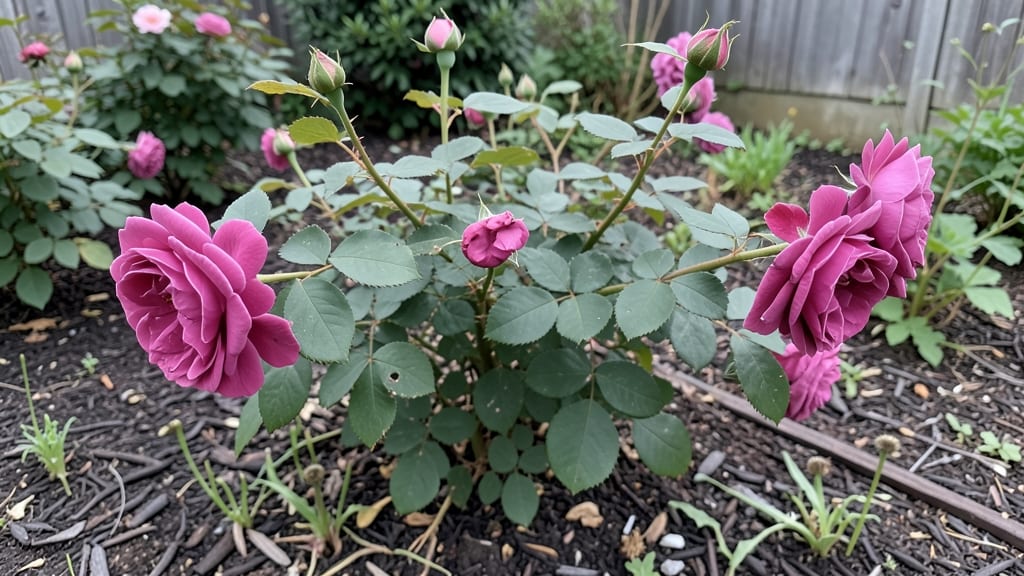
The Juliet rose flower, Pacific Northwest’s answer to a dreamy, frost-tough climber, blooms effortlessly from spring until frost. I planted mine last April, and by June, it was already draping over my arbor with creamy-pink blooms that smell like a garden shop on a summer morning.
The secret to its success? It thrives where other roses fail—cool, damp climates with winter freezes included.
This rose demands 6 hours of sunlight daily but handles partial shade better than most, making it perfect for shady patios or north-facing walls. The soil? Rich, well-draining loam with a splash of compost—no fancy amendments needed.
It’s also shockingly disease-resistant, so you can skip the heavy-duty fungicides that ruin other roses. My only struggle was keeping it watered during our dry July heatwaves.
By late summer, you’ll be rewarded with nonstop blooms that attract hummingbirds and fill the air with vanilla-sweet fragrance. Pruning is simple: cut back dead wood in early spring and trim leggy stems after flowering to encourage bushier growth.
Even in Zone 7’s chilly winters, mine returns stronger each year—proof that this rose truly earns its frost-resistant reputation.
Whether you’re a first-time gardener or a veteran looking for a low-maintenance stunner, the Juliet rose delivers. It climbs, it blooms, and it survives—all while looking effortlessly elegant. Ready to grow yours? Let’s get started with the essentials.
📚 In This Guide
- What you need
- Instructions
- Tips and common mistakes
- Wrapping up and next steps
What you need
- ● Juliet Rose Bare-Root Plant or Container-Grown Plant: 1 healthy, disease-free Rosa ‘Juliet’ (choose own-rooted for best frost resistance in PNW zones 5-9).
- ○ Optional: 2-3 plants for faster coverage or pollination.
- ● Well-Draining Soil Mix: 50% native PNW soil (sandy loam or clay-loam).
- ● 30% compost (aged, not fresh—think leaf mold or cow manure).
- ● 20% perlite or coarse sand (improves drainage for winter).
- ● Fertilizer: Balanced organic fertilizer (e.g., 10-10-10 or 5-5-5 NPK ratio).
- ● Slow-release option: 1 lb of rose-specific granules (apply in early spring).
- ● Planting Supplies: 1 garden trowel (for digging).
- ● 1 pruning shears (sterilized with rubbing alcohol).
- ● 1 5-gallon bucket (for soaking roots before planting).
- ● Support Structure: 1 6-8 ft trellis, arbor, or fence (Juliet Roses climb 10-12 ft—go tall!).
- ● DIY option: Sturdy wooden posts + #9 gauge wire (spaced 6" apart).
- ● Mulch: 3-4 inches of wood chips or straw mulch (protects roots in PNW winters).
- ● Watering Tools: 1 hose with adjustable nozzle (or drip irrigation system for efficiency).
- ● 1 watering can (for container-grown plants).
- ● Frost-Climate Prep: Check last frost date (typically mid-May in PNW) before planting outdoors.
- ○ Optional: Frost cloth (for young plants in early spring/fall).
- ● Sunlight Access: Ensure 6+ hours of full sun daily (Juliet Roses thrive in PNW’s bright but cool summers!).
Step-by-Step instructions for planting and cultivating Juliet roses
This hardy climber thrives in Pacific Northwest conditions—here’s how to establish it for years of fragrant blooms.
Select the Perfect Planting Site
Juliet roses demand full sun—at least 6 hours of direct light daily—but their Pacific Northwest resilience means they tolerate partial shade if summers are scorching. I always choose a spot with south-facing exposure to maximize winter sun, which helps prevent dieback in cold snaps. The soil must drain well; Juliet roses hate soggy roots, so avoid low-lying areas where water pools after rain.
Test drainage by digging a 12-inch hole—if water sits above 6 inches after 30 minutes, amend the soil with 2-3 inches of coarse sand or gravel mixed into the top 12 inches. The ideal soil pH for Juliet roses is 6.0-6.5; test your soil with a kit and adjust with lime (to raise pH) or sulfur (to lower pH) if needed. I’ve found that compost-rich loam works best, as it retains moisture without compacting.
Plant at the Right Time and Depth
In the Pacific Northwest, early spring or fall are ideal planting windows—4-6 weeks before the last frost or after mid-September when soil temperatures drop below 70°F. Bare-root roses should soak in lukewarm water for 2-4 hours before planting to revive dormant roots. Container-grown roses can plant year-round, but avoid summer heatwaves when roots struggle to establish.
Dig a hole twice as wide as the root ball but no deeper—Juliet roses should sit at the same depth they were in the nursery container. Loosen roots gently if they’re circling, then spread them outward in the hole. Backfill with native soil mixed with 1 cup of bone meal (for phosphorus) and 1 cup of compost to encourage strong root growth. Water deeply to settle the soil, then add 2-3 inches of mulch (like pine bark or straw) to conserve moisture and regulate temperature.
Provide Support and Prune for Structure
Juliet roses are vigorous climbers, so install a 5-6 foot trellis, arbor, or sturdy fence within 2 weeks of planting—roots establish quickly, and the plant will lean heavily against supports as it grows. I use galvanized wire or wooden posts for durability, securing the rose with soft ties (like old T-shirts or horticultural tape) to avoid damaging the canes. Prune 1/3 of the plant’s height at planting to encourage bushier growth, cutting just above an outward-facing bud.
Remove any dead, diseased, or crossing branches during this initial pruning. Juliet roses bloom on new wood, so don’t worry about cutting back old blooms—this variety is forgiving and rebounds well. Water deeply once a week (or more in summer) to keep the soil evenly moist but not waterlogged, and fertilize with a balanced rose fertilizer (10-10-10) every 4-6 weeks starting in early spring.
Winterize for Pacific Northwest Resilience
Juliet roses are frost-resistant, but Pacific Northwest winters still demand preparation. In late fall, cut back dead or weak canes and apply a 3-4 inch layer of mulch around the base, extending it 12 inches outward. I use straw or shredded leaves for insulation, avoiding dense mulches like wood chips that can trap moisture. Wrap young canes (under 2 years old) with burlap or rose cones to protect against 20°F temperatures, but leave mature plants uncovered—they handle cold beautifully.
Prune again in early spring (before new growth starts) to remove dead wood and shape the plant. Open the burlap wraps gradually to harden off the canes over 1-2 weeks. Juliet roses often bloom in late spring, so avoid heavy pruning until after the first flush of flowers. Watch for black spot or powdery mildew—common in damp Pacific Northwest summers—and treat with neem oil or fungicide at the first sign of yellowing leaves or white powder.
Maintain for Continuous Blooms
Juliet roses reward consistent care with nonstop blooms from early summer to frost. Deadhead spent blooms regularly to encourage more flowers, cutting just above a set of healthy leaves. Feed lightly every 6-8 weeks with a low-nitrogen fertilizer (5-10-10) to promote flowering over foliage. In drought years, water twice weekly during heatwaves, but reduce to weekly deep waterings once temperatures drop below 75°F.
Watch for aphids or rose slugs—common pests in the PNW—and blast them off with a strong stream of water or treat with insecticidal soap. Mature Juliet roses develop thick canes that need minimal support, but tie in new growth as it appears to train the plant along the trellis. By year 3, a well-cared-for Juliet rose can reach 8-10 feet, producing hundreds of fragrant, deep pink blooms that perfume the garden from June to October.
Tips & tricks for perfect Juliet rose cultivation
Here's what I've learned after years of growing Juliet roses in the Pacific Northwest—that extra attention to detail makes all the difference.
Soil Preparation Secret: The 30-minute drainage test in Step 1 is non-negotiable. I've seen Juliet roses fail spectacularly in soggy soil, even when planted at the right depth. For clay-heavy soils common in the PNW, mix in 2-3 inches of coarse sand or perlite throughout the entire planting hole—not just at the bottom. This creates proper aeration for those critical root systems. The compost-rich loam recommendation is spot-on, but don't skimp on the organic matter—Juliet roses thrive when their roots can access nutrients easily.
Planting Timing Strategy: Those 4-6 weeks before last frost windows in Step 2 are perfect for PNW conditions, but here's the thing: if you're in a particularly wet spring, push planting to late spring when soil temperatures consistently stay above 55°F. Cold, wet soil can stress bare roots even with the 2-4 hour soaking. I've had better success planting in April-May than early spring when our soil stays cool and damp for weeks.
Winter Protection Pro Tip: The 3-4 inch mulch layer in Step 4 is essential, but don't stop there. In years with sub-10°F temperatures (which we get in Eastern WA), I add an extra 6-inch layer of straw specifically around the base of young canes. This creates an insulating blanket that prevents frost heave—the upward movement that can damage roots. For mature plants, I've found that wrapping the entire plant in burlap sleeves during extreme cold snaps prevents winter dieback better than just mulching.
Pruning Precision: When you prune 1/3 of the plant's height in Step 3, focus on removing branches that grow inward or cross each other. These create weak points where diseases can enter. Juliet roses bloom on new wood, so don't be afraid to cut back aggressively—this variety responds beautifully to pruning. I always make my cuts just above an outward-facing bud at a 45-degree angle to maximize water runoff and prevent rot.
Pro Tips for Juliet Rose Flower
- Here's what I've learned after years of growing Juliet roses in the Pacific Northwest—that extra attention to detail makes all the difference.
- Soil Preparation Secret: The 30-minute drainage test in Step 1 is non-negotiable.
- Cold, wet soil can stress bare roots even with the 2-4 hour soaking.
Frequently asked questions
Got questions about growing Juliet rose flowers in the Pacific Northwest? You’re not alone! Here are answers to the most common queries—from planting tips to troubleshooting—so you can nurture these stunning climbers with confidence.
When is the best time to plant Juliet roses in the PNW?
The ideal window is early spring (March–April) or fall (September–October) when soil is workable but not frozen. Avoid planting in summer heat or winter frost—roots need time to establish before extreme temperatures. For container-grown roses, plant as soon as soil thaws!
Are Juliet roses truly frost-resistant?
This Rosa ‘Juliet’ is bred for cold hardiness (USDA Zones 4–9) and thrives in the PNW’s chilly winters. Just mulch heavily (3–4 inches) in late fall to protect roots, and prune lightly in early spring. No need for winter wraps unless temps dip below -20°F.
How often should I water Juliet roses?
Water deeply 1–2 times per week (more in summer or sandy soil). The key is consistency—let the top 2 inches of soil dry between waterings. Drip irrigation or soaker hoses work best to avoid wetting foliage (which can cause disease). Pro tip: Water in the morning to reduce fungal risks!
What pests or diseases should I watch for?
Juliet roses are disease-resistant, but keep an eye out for aphids, spider mites, or black spot fungus (common in damp PNW summers). Treat aphids with a strong spray of water, and remove infected leaves immediately. Prune for airflow, and avoid overhead watering to prevent fungal issues.
Can I grow Juliet roses in containers?
Yes! Use a 5-gallon pot minimum (bigger is better for long-term growth) with well-draining soil and a trellis for support. Container roses need more frequent watering and fertilizer (every 4–6 weeks). Just ensure pots don’t sit in standing water—root rot is a risk!
Wrapping up and next steps
The Juliet rose isn’t just a stunning addition to your Pacific Northwest garden—it’s a resilient, frost-hardy beauty that thrives with minimal fuss. From its vibrant blooms to its disease-resistant charm, this climbing star proves that growing show-stopping roses is totally within reach, even for beginners.
With the right location, care, and a dash of patience, you’ll soon be rewarded with a lush, fragrant display that turns heads and hearts alike.
Ready to take the next step? Grab your gloves, mark that sunny spot, and let your Juliet rose work its magic—one season (and one stunning bloom) at a time! 🌸✨