
Flowers
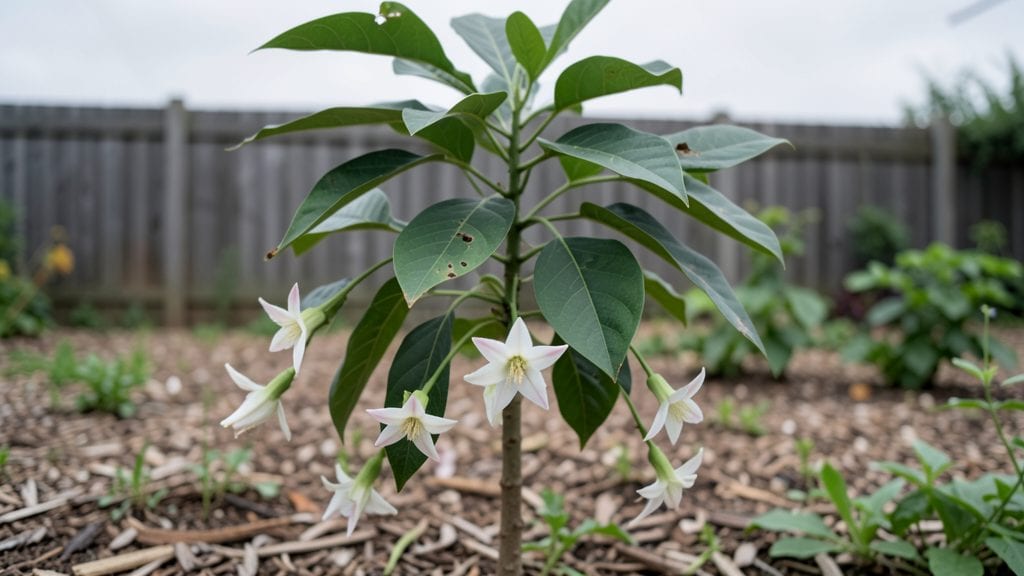
Growing star fruit flowers means welcoming fragrant, star-shaped blooms that turn into sweet tropical fruit year-round. 🌺 I’ve watched my own plants burst into white, five-petaled flowers that smell like honey—each one a promise of the distinctive star-shaped fruit to come.
The key isn’t just warm weather; it’s the balance of sunlight, soil, and patience that turns a struggling sapling into a productive tree.
These flowers thrive in zones 10-12, but with the right care, they’ll reward you even in containers in cooler climates. You’ll need well-draining soil, 6+ hours of sun daily, and a trick to encourage pollination—because those tiny flowers need help to set fruit.
The payoff? A tree that blooms continuously when happy, producing fruit that tastes like a mix of pineapple and citrus.
Once established, your star fruit tree will flower twice a year in tropical climates, with some varieties blooming year-round. The flowers themselves are delicate but hardy—just don’t let them dry out, or they’ll drop before fruiting.
With the right setup, you’ll go from bare branches to dozens of blooms within a few seasons, each one a step closer to harvesting your own star fruit.
Even in smaller spaces, this tree adapts—just choose a dwarf variety if space is tight. The real magic happens when those flowers turn into fruit, and the scent of ripe star fruit fills your garden. Let’s get those blooms started!
📚 In This Guide
- What you need
- Instructions
- Tips and common mistakes
- Wrapping up and next steps
What you need
- ● Star fruit plant: 1-2 healthy saplings (age 6-12 months, or
- ● Fresh seeds from organic star fruit (harvested and dried for 3-5 days)
- ● Well-draining soil: 50% tropical potting mix (e.g., Miracle-Gro Tropical Blend)
- ● 30% perlite or coarse sand (for aeration)
- ● 20% compost or worm castings (for nutrients)
- ● Container or garden bed: Container: 15-20 gallon pot with drainage holes (for indoor/patio growing)
- ● Garden bed: Full sun spot (6+ hours daily) with acidic soil (pH 5.5-6.5)
- ● Fertilizer: Balanced liquid fertilizer (10-10-10 or 20-20-20, diluted to half-strength)
- ○ Citrus-specific slow-release granules (optional, for nutrient boost)
- ● Hand trowel or small shovel
- ● Pruning shears (sterilized with rubbing alcohol)
- ● Spray bottle (for misting seedlings)
- ● pH testing kit (to monitor soil acidity)
- ○ Optional (but helpful): Mulch (pine bark or straw, to retain moisture)
- ● Support stake or trellis (if growing in windy areas)
- ● Humidity dome (for seedling germination)
- ● Automatic drip irrigation system (for large garden beds)
- ● Hardiness: USDA Zones 10-12 (or indoors in cooler climates with grow lights)
- ● Temperature: Ideal range: 65–90°F (18–32°C); avoid frost (below 32°F/0°C)
- ● Light: Full sun exposure (no shade for optimal flowering)
- ● Water: Drought-tolerant once established; water deeply 2-3x/week during dry spells
Step-by-Step guide to cultivating star fruit flowers
Here’s how to coax those stunning, fragrant star fruit flowers into bloom—even in less-than-tropical climates.
🌱 Step 1: Select and Acclimate Your Star Fruit Tree
Star fruit (Averrhoa carambola) thrives in USDA Zones 10-12, but with the right approach, you can grow it in containers in cooler zones. Start with a dwarf grafted variety (like ‘Arka Surya’ or ‘Fwang Tao’) for easier management. If purchasing a young tree, ensure it’s at least 3-4 feet tall—smaller specimens often struggle to bloom.
Acclimate any new plant gradually to your growing conditions. If moving an outdoor tree indoors for winter, place it in a bright, east-facing window for 1-2 weeks before introducing it to grow lights. Star fruit flowers demand bright, indirect light—direct midday sun can scorch delicate blooms. Watch for yellowing leaves as a sign of too much sun exposure.
☀️ Step 2: Optimize Light and Temperature for Blooming
Star fruit trees need full sun (6-8 hours daily) to set flowers, but in cooler climates, supplement with a 1,000-watt LED grow light positioned 12-18 inches above the canopy. Run lights for 14-16 hours daily during winter months. Without sufficient light, buds form but fail to open, leaving you with aborted flowers that drop prematurely.
Temperature is critical—star fruit blooms best when daytime highs reach 75-85°F and nights stay above 60°F. If your climate dips below 50°F, move potted trees indoors near a sunny window or under grow lights. Avoid drafts, especially cold windows, which can cause bud drop within 24-48 hours of exposure.
💧 Step 3: Master Watering and Fertilizing for Flower Production
Water deeply 2-3 times per week during active growth, ensuring the top 6 inches of soil dry out between waterings. Overwatering leads to root rot, which stunts flowering. In containers, check soil moisture by sticking your finger 2 inches deep—if it’s damp, wait before watering again. Star fruit trees are drought-tolerant once established but respond to consistent moisture with heavier blooming.
Fertilize monthly from spring through summer with a balanced 10-10-10 or 8-3-9 formula, reducing to half-strength in winter. I switch to a low-nitrogen, high-phosphorus (5-10-10) fertilizer in late summer to encourage flower bud formation. Avoid high-nitrogen feeds—they promote leafy growth at the expense of blooms. You’ll know you’re on track when you see small, green flower buds forming in leaf axils by mid-fall.
✂️ Step 4: Prune Strategically to Encourage Blooms
Prune lightly in late winter (February) to remove dead, crossing, or inward-growing branches. Star fruit flowers form on new wood, so avoid heavy pruning—never cut more than 20% of the canopy at once. Focus on opening the center of the tree to improve airflow, which reduces humidity-related diseases like anthracnose that can kill buds.
After the first flush of blooms (usually spring to early summer), prune again to shape the tree and remove any suckers growing from the base. I also trim back overly long branches to encourage shorter, bushier growth, which produces more flower clusters. Watch for new growth at pruning cuts—this signals the tree is recovering well and will soon set more buds.
🌿 Step 5: Protect Flowers and Fruit for a Successful Harvest
Star fruit flowers are highly sensitive to frost—even a light freeze (below 32°F) can kill blooms overnight. In cooler zones, use frost cloth or a small greenhouse tent over the tree during spring and fall blooming periods. Hand-pollinate flowers by gently shaking branches early in the morning when bees are least active, or use a soft paintbrush to transfer pollen between flowers.
Once fruit sets, reduce watering slightly to concentrate sweetness. Harvest when fruit is slightly underripe (just turning from green to yellow) for the best flavor. You’ll know it’s ready when the skin yields slightly to gentle pressure and the seeds inside are fully formed. Store harvested fruit in the fridge for up to 2 weeks to extend freshness.
Tips & tricks for perfect star fruit flower cultivation
Here's what I've learned after helping multiple star fruit trees burst into bloom—these tricks make all the difference in getting those fragrant flowers year-round.
Lighting Strategy: In Step 2, when setting up your 1,000-watt LED grow light, position it slightly higher than the 12-18 inch recommendation if your tree is still young. The extra distance prevents heat stress on delicate new growth while still providing the essential 14-16 hours of light. I've found that raising it to 20-22 inches for smaller trees creates a more even light distribution without scorching the leaves.
Temperature Recovery: If your tree experiences a temperature drop below 50°F that causes bud drop, don't give up! Star fruit trees are surprisingly resilient. After the 24-48 hour exposure period, move the tree back to optimal conditions (75-85°F days, above 60°F nights) and within 2-3 weeks, you'll often see new flower buds forming on the same branches. The tree recognizes the stress and actually responds by producing more vigorous growth.
Pruning Timing: When pruning in late winter (Step 4), I recommend doing it on a dry, sunny day when temperatures are above 60°F. The warm conditions help prevent shock to the tree. Also, make your cuts just above a leaf node or bud—this ensures new growth will emerge from that point, creating more opportunities for flower formation on that new wood.
Fertilizer Transition: The switch to low-nitrogen, high-phosphorus fertilizer in late summer (Step 3) is crucial, but timing matters. I start making this transition when I notice the first signs of flower buds forming in the leaf axils. This typically happens around mid-August in most climates. The phosphorus boost gives those developing buds the energy they need to mature properly, while the reduced nitrogen prevents leafy growth that would compete with flowering.
Pro Tips for Star Fruit Flower
- Here's what I've learned after helping multiple star fruit trees burst into bloom—these tricks make all the difference in getting those fragrant flowers year-round.
- Lighting Strategy: In Step 2, when setting up your 1,000-watt LED grow light, position it slightly higher than the 12-18 inch recommendation if your tree is still young.
- Temperature Recovery: If your tree experiences a temperature drop below 50°F that causes bud drop, don't give up!
Frequently asked questions
How long does it take for a star fruit tree to flower and produce fruit?
A star fruit tree (Averrhoa carambola) typically takes 3–5 years to flower and bear fruit from seed. However, grafted trees can bloom in as little as 1–2 years with proper care. Patience is key—provide full sun, well-draining soil, and consistent watering to encourage early flowering.
When is the best time of year to plant star fruit flowers?
The ideal time to plant star fruit trees or cuttings is during the spring or early summer, when temperatures are warm but not extreme. Avoid planting in frost-prone areas or during the monsoon season, as excessive moisture can stress young plants. If you’re in a tropical climate, year-round planting is possible with proper drainage.
Why aren’t my star fruit flowers blooming? Troubleshooting tips.
If your star fruit tree isn’t flowering, check these common issues:
- Insufficient sunlight: Star fruit trees need 6+ hours of direct sun daily. Move yours to a sunnier spot if possible.
- Overwatering: Root rot can stunt growth. Ensure the soil is well-draining and water only when the top 2 inches are dry.
- Nutrient deficiency: Feed with a balanced fertilizer (high in phosphorus for blooms) every 2–3 months.
- Young age: Trees under 3 years old may not bloom yet—be patient!
If the problem persists, consider testing soil pH (ideal: 5.5–6.5) or consulting a local arborist.
Can I grow star fruit flowers indoors? What are the challenges?
While possible, growing star fruit flowers indoors is challenging due to their tropical needs. You’ll need:
- A large container (15+ gallons) with drainage holes.
- A south-facing window or grow lights for 12+ hours of light daily.
- High humidity (use a pebble tray or humidifier).
- Consistent warmth (65°F+ year-round).
Outdoor growth is far easier, but if you’re determined, a greenhouse or sunroom can work!
Are star fruit flowers edible? Can I eat the blossoms?
Yes! Star fruit flowers are edible and delicious, often used in Thai and Vietnamese cuisine. The petals and buds can be stir-fried, added to soups, or used as a garnish. Just ensure your tree isn’t treated with pesticides—organic care is best for culinary use. The flowers have a mild, slightly sweet flavor with a hint of tartness.
Wrapping up and next steps
Growing star fruit flower (Averrhoa carambola) is a rewarding journey that brings vibrant blooms and exotic fruit to your garden. With the right care—sunlight, well-draining soil, and patience—you’ll enjoy its stunning flowers and sweet rewards year-round.
Whether you’re a seasoned gardener or just starting, this tropical beauty is worth the effort!
Ready to take the next step? Start with a healthy plant, monitor its needs, and soon you’ll be harvesting both fragrant blooms and delicious fruit. Happy gardening! 🌺✨