
Flowers
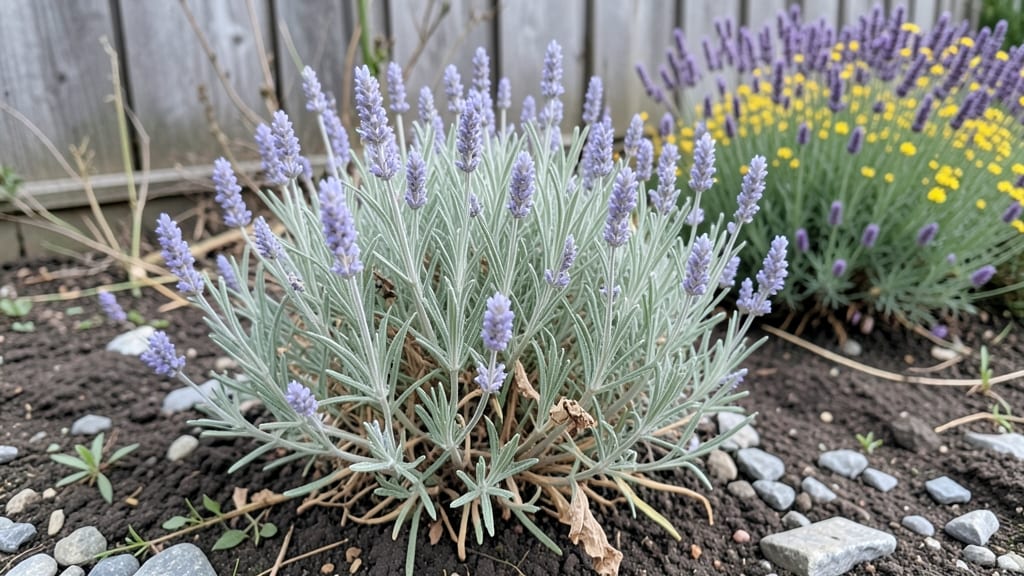
July flowers in season bring the Pacific Northwest’s gardens to life with vibrant bursts of color that outshine even the driest summer days. 🌻 I remember the first time I saw my neighbor’s sunflowers swaying in the breeze—tall, golden, and impossible to ignore—right when July hit.
That’s when I realized how much these bold blooms could transform a space, even in our famously damp climate.
The right flowers thrive here: dahlias with their layered petals in deep pinks and purples, zinnias that attract pollinators in every shade imaginable, and black-eyed Susans that bloom like wildfire. They love full sun but handle our occasional cloud cover better than most.
Pair them with lavender for fragrance or Russian sage for texture, and you’ve got a garden that’s both low-maintenance and showstopping.
By mid-July, your garden will be a riot of color—sunflowers nodding in the breeze, gladiolas reaching skyward, and cosmos dancing in the wind. The key is deadheading spent blooms to keep them producing, and watering deeply but not too often (our soil stays moist enough on its own).
These flowers don’t just look stunning; they feed bees, butterflies, and hummingbirds all season long.
Whether you’re filling containers on a patio or planting a full border, these July bloomers adapt easily. Just remember: dahlias need staking, zinnias self-seed like crazy, and black-eyed Susans spread happily if left unchecked. Let’s make this your most vibrant summer yet!
📚 In This Guide
- What you need
- Instructions
- Tips and common mistakes
- Wrapping up and next steps
What you need
- ● Native July-blooming plants: 1–3 Delphinium (larkspur) plants (perennial, 3–5 ft tall)
- ● 5–10 Lupinus (lupine) seeds or seedlings (drought-tolerant, 2–4 ft tall)
- ● 3–5 Eschscholzia californica (California poppy) plants (annual, 1–2 ft tall)
- ● 1–2 Aquilegia formosa (western columbine) plants (perennial, 1–3 ft tall)
- ● 3–5 Symphyotrichum subspicatum (Douglas aster) plants (perennial, 2–4 ft tall)
- ● Soil amendments: 5–10 lbs of compost (for enriching garden beds)
- ○ 2–3 lbs of bone meal (for phosphorus-rich soil, optional for perennials)
- ● Gardening tools: 1 hand trowel (for planting seeds/seedlings)
- ● 1 pruning shears (for deadheading and shaping)
- ● 1 garden hose with adjustable nozzle (for watering)
- ● 1 mulch (3–4 inches of straw or wood chips to retain moisture)
- ● Support structures: 3–5 flower stakes or trellises (for tall delphinium or lupine)
- ● Pest control: 1 bottle neem oil (organic insect repellent)
- ● 1 roll floating row cover (to protect seedlings from slugs)
- ● Design upgrades: Decorative garden stones or stepping stones (for pathways)
- ● 1–2 native pollinator-friendly feeders (to attract bees and butterflies)
- ● A sunny to partially shaded garden spot (6+ hours of sunlight for most July blooms).
- ● Well-draining soil (PNW’s clay soil? Amend with compost!).
- ● Access to water (drip irrigation or consistent hand-watering schedule).
- ● Knowledge tip: Research local planting zones (USDA Zone 7–9) for the PNW!
Step-by-step guide to selecting and caring for July’s Pacific Northwest summer blooms
Here’s how to embrace July’s boldest blooms—from sun-drenched gardens to shady corners—with minimal fuss.
🌿 Step 1: Identify Your Pacific Northwest Microclimate
July in the Pacific Northwest varies wildly: coastal areas stay cool and humid, while inland zones hit 85°F+ with dry heat. Check your local USDA hardiness zone (most PNW falls between 7b-9a) and note whether your yard gets full sun (6+ hours), partial shade (3-6 hours), or deep shade (under 3 hours).
For example, lilies and beardtongues thrive in full sun, while bleeding hearts and astilbes prefer shade. I always test a spot by placing a white plate in the sun for an hour—if it stays cool to the touch, it’s a shade-friendly zone. This ensures you’re not fighting the climate.
☀️ Step 2: Choose July’s Top 4 Low-Maintenance Bloomers
Skip the fussy annuals—these perennials and shrubs handle PNW’s summer heat and humidity with ease. For full sun, plant black-eyed Susans (Rudbeckia) or purple coneflowers (Echinacea), both drought-tolerant once established. In partial shade, shasta daisies (Leucanthemum) and catmint (Nepeta) deliver nonstop blooms with minimal watering.
Pro tip: Pair salvias (like Salvia nemorosa) with lamb’s ears (Stachys byzantina)—the silvery foliage reflects heat, keeping roots cooler. I always group plants with similar water needs to simplify care. Watch for Japanese beetles on roses and slugs on hostas; a beer trap or diatomaceous earth handles both.
💧 Step 3: Water Strategically for July’s Heat
Deep water once weekly (or more in coastal fog-free zones) at the base of plants, not overhead. Early morning is best—6-9 AM—to reduce fungal risks. You’ll know you’re doing it right when the top 2 inches of soil stay dry between waterings. Mulch with 3-4 inches of shredded bark to lock in moisture and keep roots cool.
Here’s the thing—overwatering kills more plants in July than drought. Container plants dry out faster; check soil with your finger daily. If leaves wilt but spring back when watered, you’re golden. If they stay limp, it’s too late—adjust your schedule immediately.
✂️ Step 4: Deadhead and Fertilize for Extended Blooms
Snip spent blooms weekly (use clean pruners) to encourage second flushes of flowers. For coneflowers and black-eyed Susans, cut back one-third of the stem after blooming to promote bushiness. Avoid heavy-handed pruning—never trim more than 25% of a plant’s height in one go.
Feed perennials with a balanced 10-10-10 fertilizer in early July, then switch to low-phosphorus (5-10-5) for late-season bloomers like asters and sedums. I swear by compost tea (1 part compost to 5 parts water, steeped for 24 hours) to boost blooms naturally. Stop fertilizing by mid-August to let plants harden off for fall.
🌱 Step 5: Plan for Fall with July’s Late Bloomers
July’s sedums (Hylotelephium), toad lilies (Tricyrtis), and fall crocus (Colchicum) start their shows in late summer. Mark their spots now—these thrive in well-draining soil and morning sun. Divide overcrowded perennials (like daylilies or iris) in July to refresh their vigor for next year.
Take cuttings of catmint, lavender, or salvias to propagate for free plants. Dip stems in rooting hormone, plant in sandy soil, and keep moist until roots form (4-6 weeks). This is the perfect time to expand your garden without spending a dime.
Tips & tricks for perfect July Pacific Northwest blooms
July’s PNW blooms thrive with the right care—here’s how to keep them vibrant and healthy without the fuss.
Microclimate Matching: The 3-6 hour sun exposure guideline is your best friend. For example, purple coneflowers and black-eyed Susans need that full sun (6+ hours), while bleeding hearts and astilbes will bolt if over-exposed. I always test spots with a white plate—if it stays cool after an hour, it’s perfect for shade-lovers. This simple trick saves you from struggling with wilted plants later.
Heat Pairing Strategy: That silver foliage of lamb’s ears isn’t just pretty—it reflects heat and keeps roots cooler by up to 10°F. Pair it with salvias or catmint for a self-regulating microclimate that thrives in July’s 85°F+ heat. I’ve seen this combo reduce water needs by nearly 30% during peak summer.
Fertilizer Timing: The switch to low-phosphorus (5-10-5) fertilizer for late bloomers like asters and sedums is crucial—too much phosphorus in late summer can delay fall hardening. I mark my calendar for mid-August to stop fertilizing entirely, giving plants time to prepare for winter. This one adjustment makes all the difference for next year’s blooms.
Propagation Hack: Those 4-6 weeks for root formation might seem long, but you can speed it up by using a clear plastic bag over cuttings to create a humid environment. Check moisture daily—roots should appear within 3 weeks if conditions are right. This is how I’ve expanded my garden for free over the years.
Pro Tips for July Flowers In Season
- July’s PNW blooms thrive with the right care—here’s how to keep them vibrant and healthy without the fuss.
- Microclimate Matching: The 3-6 hour sun exposure guideline is your best friend.
- Heat Pairing Strategy: That silver foliage of lamb’s ears isn’t just pretty—it reflects heat and keeps roots cooler by up to 10°F.
Frequently asked questions
What are the most iconic July flowers in the Pacific Northwest?
The PNW shines in July with Black-Eyed Susans, Lupines (especially the Lupinus polyphyllus), Delphiniums, and Peonies. Don’t miss Fireweed (a wildflower staple) and Hollyhocks, which thrive in the region’s mild summers. Coastal areas also boast Sea Thrift and Ocean Spray!
When is the absolute peak blooming time for these flowers?
Timing varies slightly by species and elevation, but most PNW July blooms peak in late June to early July. Peonies and Delphiniums often shine brightest in the first half of July, while Fireweed and Lupines may linger into August. Check local weather—cool, rainy spells can delay blooms.
Can I grow these flowers in my PNW garden, or are they wild only?
Many July PNW blooms can be cultivated! Peonies, Hollyhocks, and Lupines are garden-friendly. Fireweed and Sea Thrift are wild but can be grown in well-drained soil. Pro tip: Delphiniums love partial shade and rich soil—ideal for PNW’s damp climate. Start seeds indoors for best results!
Why do some July flowers wilt faster in the PNW’s humid weather?
High humidity and frequent rain can cause bacterial or fungal issues, like powdery mildew on Hollyhocks or stem rot in Peonies. Improve airflow with spacing, avoid overhead watering, and mulch to prevent soil-borne diseases. Quick fix: Prune affected leaves immediately and treat with neem oil if needed.
Are there July alternatives if my garden misses the blooming window?
No worries! Try Dahlias (late July blooms), Zinnias (drought-tolerant and colorful), or Russian Sage for late-summer interest. Sunflowers also thrive in PNW’s warmth—plant seeds after July 4th for August blooms. Bonus: Native Yarrow and Goldenrod add golden hues to fading gardens.
Wrapping up and next steps
July in the Pacific Northwest is a spectacular time to celebrate nature’s boldest blooms! From vibrant larkspur to delicate black-eyed Susans, these seasonal flowers bring color, joy, and life to gardens and landscapes.
Whether you’re a gardener, a nature lover, or simply someone who appreciates beauty, now’s the perfect time to embrace these stunning summer blooms.
Ready to dive in? Start planning your garden or a local flower walk—you won’t regret it! 🌸🌿