
Flowers
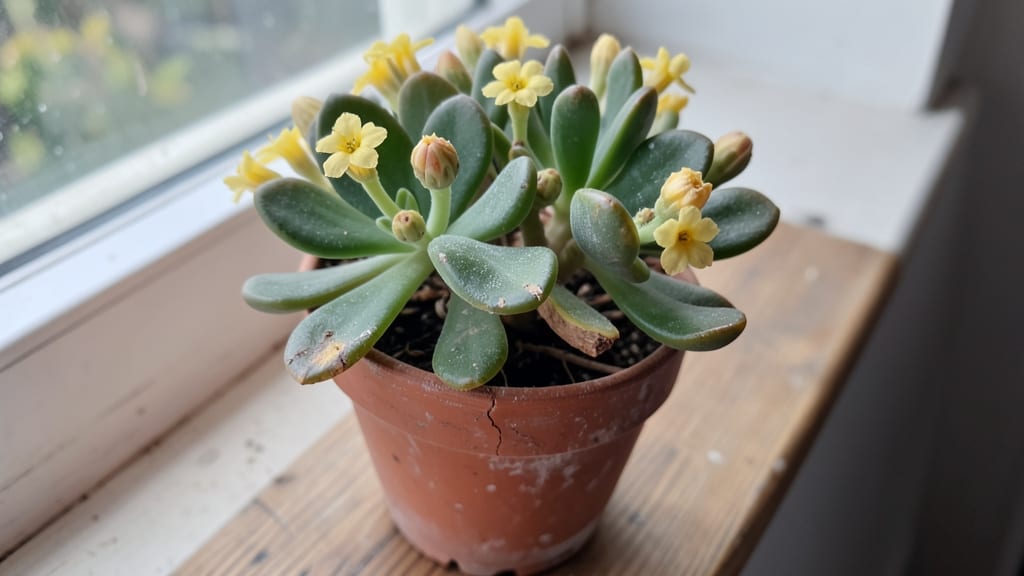
This bright kalanchoe succulent with yellow flowers isn’t just pretty—it’s a zero-fuss plant that thrives when you ignore it. 🌟 I’ve had mine burst into color for months with nothing but a sunny windowsill and occasional neglect, proving this succulent is the ultimate indoor plant for busy people.
The secret starts with bright, indirect light—think east or west-facing windows—and a soil mix that drains like a desert. Water only when the top inch feels bone-dry, and you’ll avoid the two biggest mistakes: root rot from overwatering or leggy stems from stretching for light.
Even the air in your home will feel fresher with these little bloomers around.
By winter, you’ll have clusters of vibrant yellow flowers that last 6-8 weeks, far outlasting any cut bouquet. The best part? Prune after flowering to encourage bushier growth, and you’ll get another round of blooms next season. No greenhouse, no fuss—just reliable cheer year-round.
Works in apartments, offices, or sunrooms—anywhere with decent light. Let’s get yours thriving without the drama.
📚 In This Guide
- What you need
- Instructions
- Tips and common mistakes
- Wrapping up and next steps
What you need
- ● Kalanchoe plant: 1 mature plant (with yellow blooms) or 1-2 healthy cuttings (3-4 inches long)
- ○ Seeds (optional, if starting from scratch—requires patience!)
- ● Well-draining soil: 1 bag (5-10 quarts) of cactus/succulent mix or regular potting soil amended with perlite or coarse sand (20-30%)
- ● Container: 1 pot with drainage holes (6-8 inches in diameter for mature plants; 4 inches for cuttings)
- ● Terracotta or ceramic recommended (avoids root rot)
- ● Drainage: Small pebbles, pumice, or gravel (½ cup) for the pot’s base layer
- ● Pruning shears or sharp knife (for cuttings or deadhead removal)
- ● Spray bottle (for misting cuttings or seedlings)
- ○ Fertilizer (optional): Balanced liquid fertilizer (5-5-5 or 10-10-10, diluted to half-strength)
- ● OR slow-release succulent granules
- ○ Grow lights (optional): LED full-spectrum bulb for 12-14 hours/day if indoors with low light
- ○ Rooting hormone (optional): Speeds up propagation for cuttings
Step-by-Step instructions for cultivating Kalanchoe with vibrant yellow blooms
This hardy succulent thrives on neglect—here’s how to coax those cheerful yellow flowers year-round with minimal effort.
🪴 Step 1: Select the Right Pot and Soil for Optimal Drainage
Kalanchoe roots despise soggy soil, so choose a terracotta pot with drainage holes—unglazed pots wick away excess moisture naturally. A 4-6 inch diameter container per plant works perfectly, giving roots room to spread without overcrowding. Skip the fancy decorative pots unless they have drainage; waterlogged roots will turn the leaves yellow and stunt blooms.
Use a cactus/succulent mix (or blend 50% potting soil with 50% perlite or coarse sand). This gritty texture prevents compaction and mimics the arid conditions where Kalanchoe thrives. Tap the pot gently to settle the soil, then water just enough to moisten it—it should feel like a wrung-out sponge, not a dripping sponge.
☀️ Step 2: Position for Bright, Indirect Light and Controlled Watering
Place your Kalanchoe near an east-facing window where it gets 4-6 hours of morning sun—direct afternoon sun can scorch the leaves. If you notice leaves turning pale or stretching (a sign of legginess), move it slightly closer to the light. Artificial grow lights work too, but keep them 12-18 inches away for 12-14 hours daily to prevent weak growth.
Water only when the top 1-2 inches of soil feel completely dry—stick your finger in to check. Overwatering is the #1 killer of Kalanchoe; if the soil stays damp for more than 3-4 days, reduce watering. In winter, cut back to every 3-4 weeks—these plants store water in their leaves and can survive drought better than most.
✂️ Step 3: Prune and Fertilize for Long-Lasting Blooms
After flowering, the stems will look leggy. Pinch back the tips of the longest stems just above a leaf node to encourage bushier growth. This also triggers a second flush of blooms in 6-8 weeks. Avoid heavy pruning—just a light trim keeps the plant compact and prevents it from becoming top-heavy.
Feed with a balanced liquid fertilizer (10-10-10) diluted to half-strength every 6-8 weeks during spring and summer. Skip fertilizer in fall and winter—these plants go semi-dormant and don’t need extra nutrients. Yellowing leaves after feeding? You’re overdoing it—flush the soil with water to prevent salt buildup.
🌱 Step 4: Propagate and Refresh for Continuous Color
Once your Kalanchoe finishes blooming, the old flower stems will turn woody. Snip these off at the base to redirect energy into new growth. Use those cuttings to propagate! Place the 3-4 inch stem cuttings in dry soil (no water needed) and wait 3-5 days for the cut end to callus. Then, lightly press them into fresh soil—they’ll root in 2-4 weeks.
Repot every 2-3 years when the plant outgrows its container. Spring is the best time—choose a pot 1-2 inches larger in diameter. The shock of repotting often triggers a fresh round of blooms, so time it right for a mid-spring color boost. Avoid repotting during winter when the plant is dormant.
Tips & tricks for perfect Kalanchoe care
Here's what I've learned to keep my Kalanchoe thriving with those stunning yellow blooms—no green thumb required.
Pot Selection Wisdom: In Step 1, the terracotta pot recommendation isn't just about drainage—it's about the material's natural moisture-wicking properties. If you don't have terracotta, any pot with drainage holes works, but avoid plastic containers that trap moisture. Pro tip: Place a small layer of pebbles at the bottom of the pot before adding soil to create an extra moisture barrier. This prevents the roots from sitting in water during those critical 3-4 days between waterings.
Lighting Strategy: For that perfect 4-6 hours of morning sun in Step 2, I rotate my plant every few weeks so all sides get even light exposure. This prevents lopsided growth and keeps those yellow blooms vibrant. If you notice leaves stretching toward the light, it's time to move it closer—this "legginess" is your plant's way of telling you it needs more light. Artificial grow lights work beautifully, but keep them 12-18 inches away to prevent heat stress that can scorch delicate leaves.
Pruning Technique: When you pinch back those leggy stems in Step 3, aim for a clean cut just above a leaf node. This isn't just about aesthetics—it's a growth hack that triggers branching. The 6-8 weeks until your next flush of blooms is actually a countdown to more flowers! I like to do this pruning right after the first blooms fade, giving the plant energy to redirect into new growth rather than maintaining old stems. Use clean, sharp scissors to avoid crushing the stems.
Propagation Hack: That 3-5 day callusing period in Step 4 is crucial—it prevents rot when you plant your cuttings. I find that placing cuttings on a paper towel in a warm, dry spot speeds up this process. Once rooted, these new plants make perfect gifts! The 2-4 week rooting time can vary with temperature, so be patient and keep the soil just barely moist during this period. This is how I've multiplied my collection without spending a dime.
Pro Tips for Kalanchoe Succulent With Yellow Flowers
- Here's what I've learned to keep my Kalanchoe thriving with those stunning yellow blooms—no green thumb required.
- Pot Selection Wisdom: In Step 1, the terracotta pot recommendation isn't just about drainage—it's about the material's natural moisture-wicking properties.
- Lighting Strategy: For that perfect 4-6 hours of morning sun in Step 2, I rotate my plant every few weeks so all sides get even light exposure.
Frequently asked questions
Got questions about your Kalanchoe succulent with yellow flowers? You’re not alone! Here are some of the most common queries—plus quick, easy answers to keep your plant thriving.
Why aren’t my Kalanchoe flowers turning yellow?
If your Kalanchoe isn’t blooming or flowers stay green, it’s likely due to light deprivation or over-fertilizing. These plants need bright, indirect light (6+ hours/day) and a rest period (6-8 weeks of cooler temps, ~60°F or less) to trigger flowering. Skip fertilizing during this time!
Can Kalanchoe survive winter outdoors?
Most Kalanchoe varieties are tender perennials and can’t handle frost (<32°F). If you live in a mild climate (Zones 9-11), keep them in a sheltered spot. For colder areas, bring them indoors before temps drop—they’ll reward you with spring blooms!
How often should I water my yellow Kalanchoe?
Water only when the soil is bone-dry—usually every 2-3 weeks (less in winter). Overwatering is the #1 killer! Stick your finger 1 inch deep; if it’s dry, water thoroughly until it drains from the bottom. Yellow leaves? Often a sign of too much water.
What’s the best alternative if I can’t find Kalanchoe?
Try these low-maintenance, long-blooming succulents with a similar vibe:
- Echeveria ‘Lola’ – Rosette-shaped, drought-tolerant, and loves sun.
- Sedum ‘Autumn Joy’ – Hardy, pink-purple blooms, and thrives in partial shade.
- Haworthia ‘Zebra’ – Striped, compact, and nearly indestructible.
Why are my Kalanchoe leaves turning brown and crispy?
Crispy edges usually mean underwatering or sunburn. Check the soil first—if dry, water deeply. If leaves are bleached or white, move your plant to bright, indirect light (east or north-facing windows are ideal). Avoid harsh afternoon sun!
Wrapping up and next steps
Bringing a Kalanchoe succulent with yellow flowers into your space is like inviting a burst of sunshine indoors—no green thumb required! 🌸 With its low-maintenance charm and vibrant blooms, this plant thrives on neglect, making it perfect for busy plant parents.
Whether you’re a beginner or a seasoned gardener, this cheerful succulent rewards you with year-round color and confidence.
Ready to level up your plant collection? Start by picking your favorite variety, grabbing a pot, and giving this resilient beauty a try—your home (and future plant babies) will thank you! 🌱