
Flowers
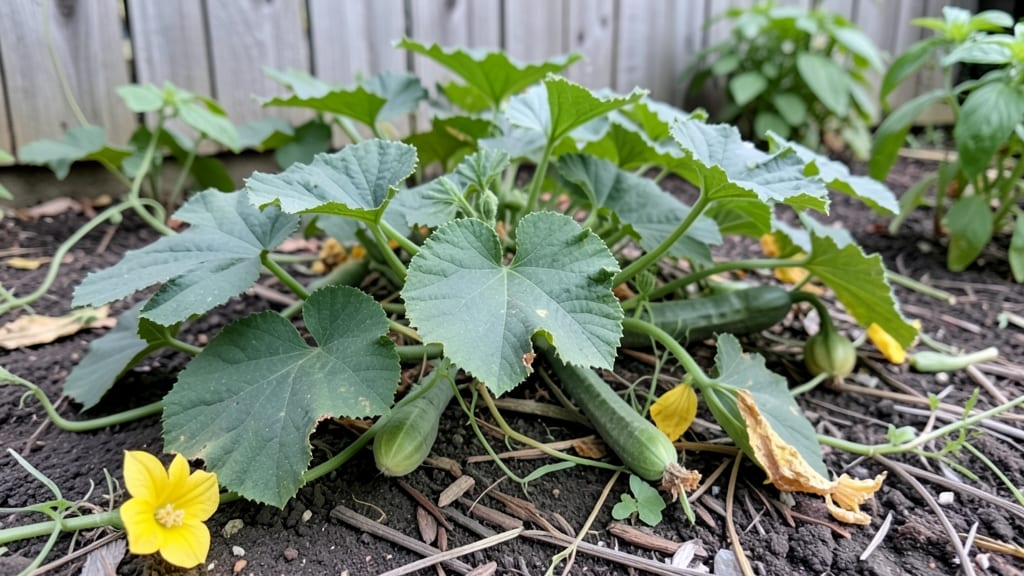
The first time I saw lemon cucumber flowers, I knew this was the vine for my Pacific Northwest garden—frost-resistant and buzzing with hummingbirds by early spring. 🌸 Their tiny, star-shaped blooms pack a citrusy punch, and the vines handle our damp, cool summers better than most.
The secret to those fragrant flowers? Understanding male and female blooms (yes, they’re different), then giving them the right conditions to thrive.
Most gardeners miss the mark by focusing only on soil or water, but flowering depends on light, temperature swings, and consistent moisture—especially in our cloudy climate.
Plant in full sun where temps hover between 55°F and 75°F during the day, and watch for those delicate yellow flowers appear within 6-8 weeks of planting. The key?
Male flowers open first and must pollinate female blooms (the ones with tiny cucumbers forming at their base) for fruit to develop.
You’ll know you’re on track when vines explode with blooms by late spring, attracting hummingbirds that become your free pollinators. Even in greenhouses, a quick hand-pollination with a paintbrush ensures every female flower sets fruit. By midsummer, you’ll be harvesting lemon-scented cucumbers that taste like sunshine—no frost damage in sight.
For PNW gardeners, this vine is a game-changer: disease-resistant, cold-tolerant, and productive even in partial shade. The only real challenge? Overwatering, which causes blossom drop. Stick to 1-2 inches of water weekly and watch those flowers turn into harvests. Ready to grow yours?
📚 In This Guide
- What you need
- Instructions
- Tips and common mistakes
- Wrapping up and next steps
What you need
- ● Seeds: 10–20 lemon cucumber flower seeds (organic or heirloom varieties work best for frost resistance).
- ● Potting soil: 1–2 bags of well-draining, organic potting mix (avoid garden soil if planting in containers).
- ● Containers or garden bed: Containers: 5–10 gallon pots with drainage holes (if growing in pots).
- ● Garden bed: A sunny spot with at least 6 hours of direct sunlight daily (partial shade is fine in hotter PNW summers).
- ● Compost or fertilizer: 1 cup of balanced organic fertilizer (5-5-5 or similar) or compost tea for nutrient boost.
- ● Gloves: A pair of gardening gloves to protect your hands from prickly vines.
- ● Trowel or small shovel: For planting seeds or transplanting seedlings.
- ● Watering can or hose with a gentle spray nozzle: Lemon cucumber flowers love moisture but hate soggy roots.
- ○ Mulch (optional): Straw or shredded leaves to retain soil moisture and suppress weeds.
- ○ Trellis or small stakes (optional): To support vines if they grow taller than 1–2 feet (common in warmer months).
- ○ Frost cloth (optional but helpful in PNW): A lightweight frost blanket to protect young plants during late spring frosts.
How to grow lemon cucumber flowers in the Pacific Northwest
This hardy, fragrant vine thrives in cooler climates—here's how to coax those cheerful blooms and hummingbird visits.
🌱 Step 1: Select the Right Variety and Planting Site
Choose a frost-resistant lemon cucumber flower variety like Melothria scabra or Bryonia dioica, both of which tolerate 20-25°F dips. These perennials spread aggressively, so plant them in a sunny to partially shaded location with well-draining soil—they hate soggy roots. I always test soil pH first (aim for 6.0-7.0) because acidic conditions stunt growth.
In the Pacific Northwest, where summers are mild, these vines appreciate morning sun and afternoon shade to prevent leaf scorch. If your garden gets hot afternoons, plant near a north-facing wall or large shrub for natural shade. Mark the planting area with stakes—these vines can sprawl 6-10 feet in a single season.
🪴 Step 2: Prepare Soil and Plant at the Right Time
Amend the soil with 2-3 inches of compost and a handful of bone meal (for phosphorus) to encourage robust root and flower development. Lemon cucumber flowers prefer loamy, fertile soil but won’t tolerate heavy clay. Work the compost into the top 12 inches of soil—this ensures roots access nutrients without competition.
Plant in early spring after the last frost (typically mid-April to early May in the PNW) or late summer for fall blooms. Dig a hole twice as wide as the root ball but only as deep—burying too deep suffocates the crown. Space plants 3-4 feet apart to allow for spreading. Water deeply right after planting to settle the soil around roots.
☀️ Step 3: Provide Support and Consistent Moisture
Install a trellis, arbor, or sturdy fence before planting—these vines twine clockwise and need support to climb. I use powder-coated wire trellises because they last years without rusting. Train the main vine along the support, and side shoots will naturally attach as they grow. Prune competing stems early to direct energy into flower production.
Water 1-2 times per week, keeping the soil evenly moist but not waterlogged. Lemon cucumber flowers are drought-tolerant once established, but deep, infrequent watering encourages deeper roots. You’ll know moisture is right when the soil feels like a damp sponge—not clinging to your fingers. Mulch with 2 inches of straw to retain moisture and suppress weeds.
✂️ Step 4: Encourage Blooms and Maintain Health
Deadhead spent flowers every 2-3 weeks to prolong blooming and prevent seed formation, which drains the plant’s energy. Snip stems just above a set of healthy leaves with clean, sharp pruners to avoid tearing tissue. I also pinch back overly leggy growth in early summer to promote bushier, flower-heavy vines.
Watch for aphids or powdery mildew—common in PNW humidity. If you spot sticky residue on leaves, spray with neem oil or insecticidal soap. For mildew, improve airflow by thinning vines and avoid overhead watering. Fertilize lightly in early summer with a balanced 10-10-10 formula to support flowering without encouraging excessive foliage.
🐝 Step 5: Enjoy the Flowers and Prepare for Winter
The tiny, lemon-scented flowers (white to pale yellow) appear in late summer to fall, attracting hummingbirds and bees. To extend the season, cut back 1/3 of the vine after the first frost—this rejuvenates growth for next year. In Zone 7-9, these perennials often survive winter with mulch protection, but in colder PNW microclimates, they may die back to the ground.
In early spring, trim back dead or weak stems to 6 inches tall and add fresh compost around the base. Lemon cucumber flowers are self-seeding, so you’ll likely find volunteers popping up nearby—transplant them to fill gaps. With minimal care, these vines reward you with years of fragrant blooms and pollinator visits.
Tips & tricks for perfect lemon cucumber flower growth
These pro tips will help you coax the most vibrant blooms from your frost-resistant vines—especially in the Pacific Northwest's unique climate.
Variety Selection Wisdom: While both Melothria scabra and Bryonia dioica handle frost well, Melothria scabra produces more abundant flowers and has a stronger lemon scent. For maximum fragrance, choose this variety if possible. I've found that plants grown from seed tend to be hardier than nursery starts in our cooler climate—consider starting seeds indoors 6-8 weeks before your last frost date for an earlier bloom time.
Soil Preparation Secret: The 2-3 inches of compost and bone meal in Step 2 aren't just about nutrients—they improve soil structure too. For heavy clay soils common in the PNW, mix in 25% perlite or coarse sand to prevent compaction. I've seen plants in unamended clay struggle to establish roots properly, even with proper watering. Test your soil's drainage by digging a hole and filling it with water—if it drains in less than 2 hours, you're good to go.
Climbing Support Strategy: When installing your trellis in Step 3, position it so the main vine can grow vertically along the north side of the support. This creates natural shade for the lower leaves while keeping the flowering tops exposed to maximum sunlight. I've had the best results with 6-foot tall trellises—taller ones can become top-heavy in windy PNW conditions. Use soft twine or plant ties to guide the vines without damaging the stems.
Watering Technique: The "damp sponge" test in Step 3 is key—this means the soil should hold together when squeezed but not leave water dripping. In our region's mild summers, I've found that watering in the early morning (before 8am) prevents fungal issues while still providing the deep moisture these plants crave. Consider installing a drip irrigation system near the base of your trellis for consistent moisture without overhead watering.
Pro Tips for Lemon Cucumber Flowers
- These pro tips will help you coax the most vibrant blooms from your frost-resistant vines—especially in the Pacific Northwest's unique climate.
- Variety Selection Wisdom: While both Melothria scabra and Bryonia dioica handle frost well, Melothria scabra produces more abundant flowers and has a stronger lemon scent.
- Soil Preparation Secret: The 2-3 inches of compost and bone meal in Step 2 aren't just about nutrients—they improve soil structure too.
Frequently asked questions
What’s the best time to plant Lemon Cucumber Flowers in the Pacific Northwest?
Plant in early spring (March–April) or early fall (September–October) when soil temps are cool but frost risk has passed. Avoid summer planting—heat stress can stunt root growth. PNW’s mild climate lets you extend planting into late fall, but aim for at least 6–8 weeks before first frost for best results.
How cold-hardy is this vine, and will it survive PNW winters?
This vine thrives in USDA Zones 5–9, making it perfect for the PNW! It tolerates temps down to -20°F (-29°C) once established. Pro tip: Mulch heavily with wood chips or straw in winter to protect roots. Young plants may need winter protection (like burlap wraps) their first year.
Do Lemon Cucumber Flowers need full sun, or can they grow in partial shade?
They prefer full sun (6+ hours daily) for optimal blooms, but they’ll tolerate partial shade (4–6 hours) in hotter PNW summers. In deep shade, growth slows, and flowers may be sparse. If using as a trellis vine, place it where it gets morning sun and afternoon shade for balanced growth.
Why aren’t my Lemon Cucumber Flowers attracting hummingbirds?
Check these fixes:
- Timing: Blooms peak in late spring to summer—hummingbirds may not be around yet if you’re in early spring.
- Nectar access: Ensure flowers aren’t overcrowded; trim dense foliage for better visibility.
- Water source: Add a shallow dish of water nearby—hummingbirds need it!
- Pesticides: Avoid chemicals; opt for neem oil or companion planting (like marigolds) to deter pests.
Can I grow Lemon Cucumber Flowers in containers, or do they need ground planting?
Yes! They adapt well to large containers (15+ gallons) with drainage holes. Use a well-draining potting mix and a trellis for support. Pro tip: In containers, they may need winter protection (move to a sheltered spot or wrap roots in bubble wrap). Prune aggressively in early spring to encourage bushier growth.
What should I do if my vine gets powdery mildew or leaf spots?
Act fast with these steps:
- Prune infected leaves immediately and dispose of them (don’t compost!).
- Improve airflow by spacing plants 3–4 feet apart and trimming nearby foliage.
- Water at the base (avoid overhead watering) and water early in the day so leaves dry quickly.
- Prevent recurrence: Apply a baking soda spray (1 tsp baking soda + 1 quart water + drop of soap) or neem oil as a fungicide.
Wrapping up and next steps
Incorporating lemon cucumber flowers into your Pacific Northwest garden isn’t just a creative choice—it’s a smart one! These vibrant, frost-resistant vines attract hummingbirds, add a zesty aroma to your space, and thrive with minimal fuss.
Whether you’re a seasoned gardener or a beginner, their versatility makes them a must-have for pollinator-friendly landscapes.
Ready to transform your garden? Start by gathering your supplies, following the planting tips, and watching your vine flourish. Your future hummingbird visitors will thank you! 🌸🐦