
Flowers
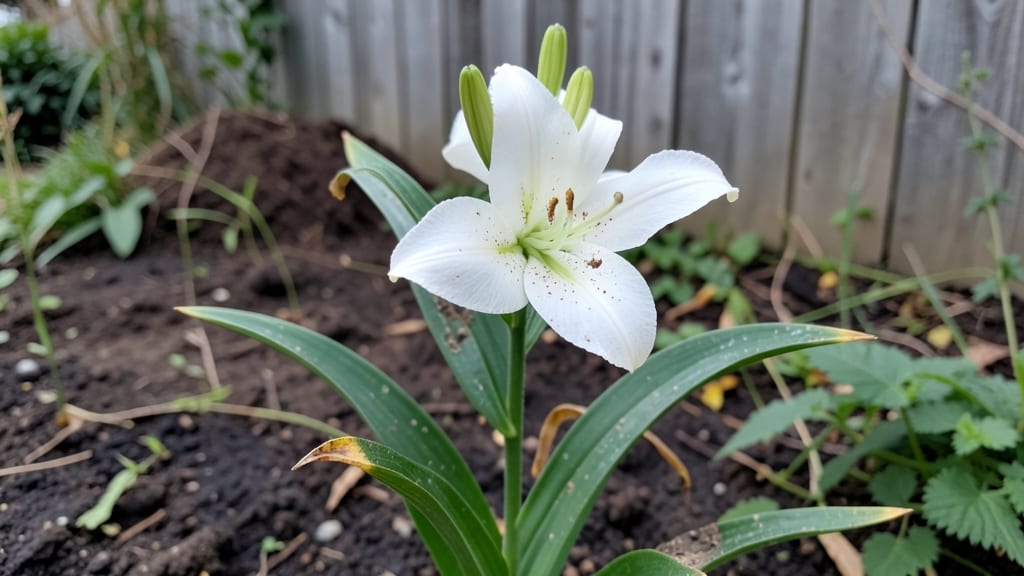
The Lilium candidum flower—also called Madonna Lily—releases its intoxicating scent at dusk, turning your garden into a moonlight perfumery. 🌙 I still remember the first time I caught its fragrance drifting through my backyard at twilight, like a secret shared between the night and the earth.
This isn’t just a flower; it’s a sensory experience that transforms any garden into a fragrant sanctuary.
Growing Lilium candidum thrives in USDA Zones 3-9, making it one of the hardiest lilies for cooler climates. It demands well-draining soil (mix in compost or sand if your soil is heavy) and full sun to partial shade, though it appreciates afternoon shade in hotter regions.
Plant the bulbs 6 inches deep in fall or early spring—just as the soil warms but before summer heat arrives. The key is patience; these bulbs take 2-3 years to reach their full, dramatic blooming potential, but the wait is worth it.
Once established, Lilium candidum rewards you with white, trumpet-shaped blooms that stand out against dark foliage. The scent—often described as sweet and citrusy—attracts moths at night but stays pleasant for humans.
To keep them thriving, water deeply once a week (more in extreme heat) and mulch heavily to protect the bulbs from winter freeze-thaw cycles. The biggest threats? Bulb rot (from soggy soil) and botrytis blight (gray mold), both preventable with proper spacing and air circulation.
Pair it with lavender, roses, or salvia for a classic cottage-garden look, or let it stand alone as a dramatic focal point. With the right care, your Lilium candidum will become the star of your evening garden, its fragrance lingering long after the sun sets.
Ready to grow one that steals the night?
📚 In This Guide
- What you need
- Instructions
- Tips and common mistakes
- Wrapping up and next steps
What you need
- ● Lilium candidum bulbs: 3–5 mature bulbs (size 12–14 cm in diameter for best blooms). Choose disease-free, firm bulbs from a reputable nursery.
- ● Well-draining soil: A mix of 60% garden soil, 30% compost, and 10% perlite or coarse sand (pH 6.0–7.0). Avoid heavy clay.
- ● Sunlight: A full-sun location (6+ hours of direct sunlight daily). Partial shade may reduce blooming.
- ● Watering can or hose: With a gentle spray nozzle to avoid damaging bulbs.
- ● Organic fertilizer: Balanced 10-10-10 or bulb-specific fertilizer (follow package instructions).
- ● Mulch: 2–3 inches of straw or shredded bark to retain moisture and regulate soil temperature.
- ● Garden trowel or bulb planter: For digging holes (12–15 cm deep, 3x bulb width apart).
- ● Pruners or shears: For trimming spent blooms and foliage.
- ● Stakes or trellis: If growing in windy areas (tall stems may need support).
- ● Pest control: Neem oil or insecticidal soap (for aphids or slugs).
- ● Garden gloves: To protect hands from thorns (some varieties have mild spines!).
- ○ Fragrance journal: 🌙 Optional but fun! Track bloom times and scent intensity.
Step-by-Step guide to cultivating Lilium candidum's enchanting blooms
Here’s how to coax those legendary night-scented white blooms from this historic Mediterranean treasure.
🌱 Step 1: Select and Prepare the Planting Site
Lilium candidum thrives in well-draining soil with a slightly alkaline pH (7.0-8.0)—think of it as mimicking its native limestone-rich habitats. Choose a location with partial shade (morning sun, afternoon dappled light) to prevent leaf scorch while allowing enough energy for robust blooms. I always dig in 2-3 inches of compost at planting time to enrich the soil without compacting it.
This bulb loves space—plant each 6-8 inches deep and 12 inches apart to prevent overcrowding. The deeper you plant, the more stable the stem will be when those heavy blooms appear. If your soil drains poorly, amend with coarse sand or perlite to create pockets of air around the roots. You’ll know you’ve done it right when the soil feels light and crumbly, like a well-aerated cake batter.
☀️ Step 2: Plant Bulbs at the Right Time and Depth
Timing is everything with lilies—plant bulbs in early fall (6-8 weeks before your first frost) so they establish roots before winter dormancy. I like to plant mine in late September or early October in most climates. Use your finger to dig a hole twice as deep as the bulb’s height (about 6-8 inches deep) and place the bulb with the pointy end facing up—this ensures the shoot grows upward.
Cover the bulb with soil, then water deeply to settle it in. The key here is not to disturb the bulb once planted—gentle handling prevents bruising, which can invite rot. After planting, mulch with 2-3 inches of straw or shredded leaves to insulate the soil and protect the bulb through winter’s chill. You’ll see the first shoots emerge in early spring, usually by March or April, depending on your climate.
💧 Step 3: Water and Fertilize for Strong Growth
Once shoots appear in spring, water deeply once a week—enough to moisten the soil 12 inches down, but avoid soggy conditions. Lilium candidum is drought-tolerant once established, but consistent moisture during the first growing season encourages sturdy stems and abundant blooms. I use a soaker hose to water at the base, which keeps the foliage dry and reduces fungal risks.
Fertilize lightly in early spring with a balanced 10-10-10 fertilizer (about ½ teaspoon per bulb) to promote leaf growth. Stop fertilizing once the flower stalks appear—too much nitrogen now will divert energy from blooms to foliage. You’ll know you’re on track when the leaves are deep green and upright, and the flower stalk reaches 3-4 feet tall before blooming. This is when the magic happens—the fragrant white trumpets unfurl in late spring to early summer, often opening at dusk to release their intoxicating scent.
✂️ Step 4: Support and Maintain for Long-Lasting Blooms
Lilium candidum’s tall, top-heavy blooms need support—install stakes or rings at planting time to prevent stems from bending or snapping. I use bamboo stakes tied loosely with soft twine to avoid damaging the stems. Once the flower stalks appear, gently weave the stems through the stakes as they grow to keep them upright.
Deadhead spent blooms promptly to encourage more flowers and prevent seed production, which drains the bulb’s energy. After flowering, allow the foliage to yellow naturally—this process recharges the bulb for next year’s blooms. Once the leaves turn brown, cut them back but leave the bulb in the ground—it’s hardy in USDA zones 3-9 and benefits from natural winter dormancy.
🌿 Step 5: Overwinter and Prepare for Next Season
In late fall, add a 2-inch layer of mulch (straw or shredded leaves) to insulate the soil and protect the bulb through winter. Lilium candidum is cold-hardy, but this extra layer prevents heaving and frost damage. In early spring, remove the mulch and water lightly to encourage new growth. You’ll notice the first shoots pushing through the soil in late winter or early spring, signaling it’s time to start the cycle again.
Here’s the thing—this bulb rewards patience. It may take 2-3 years for established plants to reach their full blooming potential, but once they do, you’ll be rewarded with dozens of fragrant white trumpets that perfume the night air. The secret? Consistency—give it space, good drainage, and minimal fuss, and it’ll thrive for decades.
Tips & tricks for perfect Lilium candidum blooms
These tried-and-true tips will help you coax the most fragrant, abundant blooms from your moonflower lilies.
Soil Science Matters: The slightly alkaline pH (7.0-8.0) is non-negotiable for Lilium candidum. If your soil tests lower, mix in crushed limestone (about 1 cup per square foot) before planting. I always test my soil first—this bulb won't tolerate acidic conditions, and you'll know it's right when the soil pH meter reads in that ideal range. The limestone not only adjusts pH but also mimics the Mediterranean limestone soils where this species thrives naturally.
Planting Precision: When digging the 6-8 inch deep hole in Step 2, use your finger to create small drainage channels around the bulb. This prevents waterlogging at the base where rot often starts. I like to make 3-4 small channels radiating from the planting hole—they act like tiny drainage tunnels. This is especially important if your soil feels heavy or clay-like when you squeeze a handful.
Support System Strategy: For the 3-4 foot tall flower stalks in Step 4, I recommend installing three stakes per plant in a triangular formation rather than just one. This creates a more stable support system that prevents the heavy blooms from toppling. Use soft garden twine to loosely tie the main stem to each stake—tight enough to support but not so tight it restricts growth. The extra support pays off when those heavy white trumpets unfurl.
Seasonal Care Calendar: Mark your calendar for these key dates: late September for planting, early spring for first watering, and late fall for mulching. I also note when my local frost date is to calculate the 6-8 week window before planting. This timing ensures the bulbs establish roots before winter dormancy. The calendar reminder system has prevented me from planting too early or late—both mistakes can lead to poor establishment.
Pro Tips for Lilium Candidum Flower
- These tried-and-true tips will help you coax the most fragrant, abundant blooms from your moonflower lilies.
- Soil Science Matters: The slightly alkaline pH (7.0-8.0) is non-negotiable for Lilium candidum.
- Planting Precision: When digging the 6-8 inch deep hole in Step 2, use your finger to create small drainage channels around the bulb.
Frequently asked questions
Got questions about the Lilium candidum—the elegant Moonflower with its intoxicating nighttime blooms? You’re not alone! Here are some of the most common queries, answered in a snap.
Why does Lilium candidum only bloom at night?
The Moonflower (or Madonna Lily) is a nocturnal pollinator, meaning it releases its fragrance and opens its petals after sunset to attract moths. This adaptation helps it thrive in its native Mediterranean climate, where cooler nights reduce water loss and attract pollinators when temperatures drop. Pro tip: If you’re growing it, avoid bright artificial lights near the plant—it may confuse the blooming cycle!
How long does a Lilium candidum flower last before wilting?
Each individual bloom typically lasts 1–2 days before wilting, but the plant produces multiple buds over weeks, ensuring a continuous display. To extend their life, deadhead spent blooms promptly and keep the soil moist but not soggy. With proper care, you’ll enjoy fresh flowers for 4–6 weeks during peak season (late spring to early summer).
Can I grow Lilium candidum in containers, or does it need a garden bed?
Yes! While they thrive in well-draining garden soil, Moonflowers adapt well to large containers (at least 12–18 inches deep) if you provide:
While not deadly, all parts of the Madonna Lily contain alkaloids that can cause mild stomach upset if ingested in large quantities. Symptoms may include vomiting or diarrhea. Keep plants out of reach of dogs, cats, and curious kids. Good news: They’re non-toxic to bees and butterflies, making them a great pollinator-friendly choice! No flowers? Don’t panic! Common culprits include:
Warning: Containers dry out faster—water deeply 2–3 times per week in summer.
Are Lilium candidum flowers toxic to pets or humans?
What can I do if my Lilium candidum isn’t blooming?
Try this: Move to sunnier spot, reduce watering in late summer, and mulch well for winter. Patience pays off—healthy bulbs often bloom 2–3 years after planting!
Wrapping up and next steps
The Lilium candidum—or moonflower—is a breathtaking symbol of elegance and mystery, gracing gardens with its luminous blooms under the moonlight. Whether you’re drawn to its fragrance, symbolism, or cultivation, this flower offers a magical touch to any space.
Now that you’re equipped with the knowledge to grow, care for, and appreciate it, why not plant one this season and let its enchanting beauty light up your nights? Start your moonflower journey today! 🌙✨