
Blooming
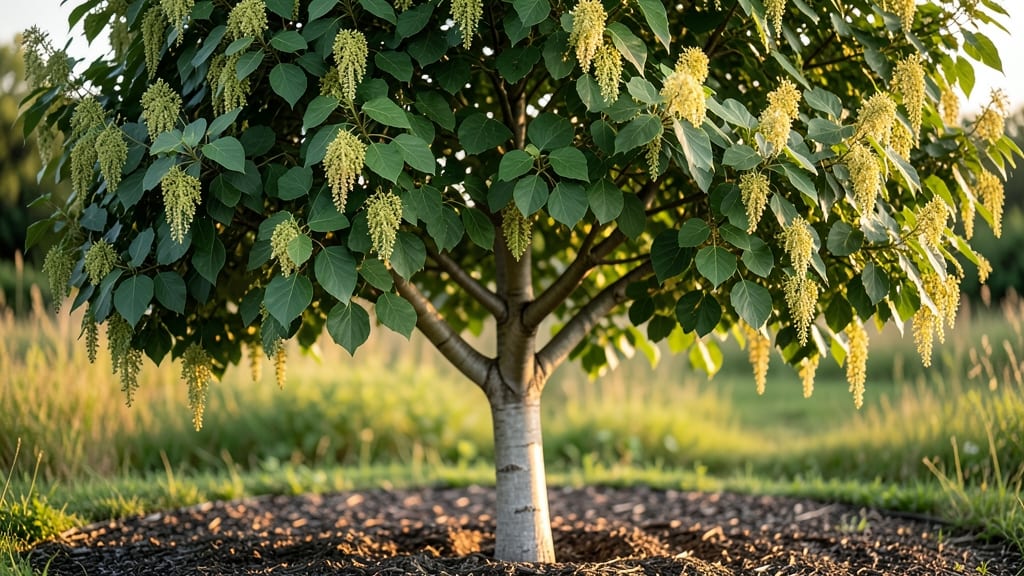
Your lime blossom flower’s intoxicating perfume isn’t just for show—it’s a hummingbird magnet that turns your yard into a year-round spectacle. 🌿 I’ve grown both edible lime trees and ornamental varieties, and the secret to those fragrant stems lies in mimicking their tropical roots while adapting to your climate.
The key starts with well-draining soil (think sandy loam mixed with compost) and morning sun with afternoon shade—especially in hot zones. Water deeply but let the top inch dry between soakings, and fertilize lightly with citrus-specific nutrients in spring.
Prune strategically: cut back leggy growth after blooms fade to encourage bushier, more fragrant stems.
You’ll know you’re doing it right when clusters of tiny white blossoms appear, filling the air with sweet citrus notes and attracting hummingbirds by the dozen. The ornamental varieties keep blooming all year, while fruit-bearing limes reward patience with juicy harvests.
Just watch for aphids—spray with soapy water at the first sign of sticky leaves.
Whether you’re growing for fruit or fragrance, lime blossoms thrive with minimal fuss once established. Container growers can even bring potted trees indoors during winter—just keep them near a sunny window. Let’s get those stems fragrant and flowering!
📚 In This Guide
- What you need
- Instructions
- Tips and common mistakes
- Wrapping up and next steps
What you need
- ● Lime blossom plants (Citrus aurantifolia or related varieties): 1–3 dwarf or standard-sized plants (for containers or garden beds)
- ○ Optional: Grafted varieties for faster blooms (e.g., ‘Mexican Lime’ or ‘Key Lime’)
- ● Potting soil or garden soil: 5–10 gallons of well-draining, slightly acidic soil (pH 6.0–7.0)
- ● Mix-in: Perlite or sand (1 part) for aeration (if planting in containers)
- ● Fertilizer: Balanced citrus fertilizer (10-10-10 or 8-3-9 ratio), 5–10 lbs
- ● Slow-release option: Osmocote Plus (14-14-14) for 3–4 months
- ● Garden trowel or small shovel
- ● Pruning shears (sterilized with rubbing alcohol)
- ● Watering can or hose with a gentle spray nozzle
- ○ Optional: Mulch (pine bark or straw) to retain moisture
- ● For containers: 15–25 gallon pots with drainage holes
- ● Full sun exposure (6+ hours daily)
- ● Warm climate (USDA Zones 9–11) or greenhouse setup for cooler regions
- ● Hummingbird-friendly location (near feeders or native plants)
How to grow lime blossom flowers for year-round hummingbird visits
Here's how I transform my patio into a hummingbird haven using fragrant lime blossoms that bloom continuously.
🌱 Step 1: Select the Right Variety and Planting Location
Choose a Mexican lime tree (Citrus aurantifolia) or Key lime tree (Citrus × aurantiifolia)—both produce the iconic fragrant white blossoms hummingbirds adore. These varieties thrive in USDA zones 9-11, but you can grow them in containers and bring them indoors during winter if you live in colder climates.
Position your tree where it receives full sun (6-8 hours daily)—the more sunlight, the more abundant the blossoms. I place mine near a south-facing window or patio where it gets morning sun and afternoon shade in hotter months. The blossoms open fully in direct light, releasing their sweet citrus fragrance that hummingbirds can't resist.
🪴 Step 2: Plant or Repot with Well-Draining Soil
If planting directly in the ground, dig a hole twice as wide as the root ball but only as deep. This encourages roots to spread outward rather than settling too low, which can cause rot. Amend the native soil with compost to improve drainage—lime trees despise soggy roots.
For container growing, use a 5-gallon pot or larger with drainage holes. Fill the bottom third with gravel or perlite to prevent compaction, then add a mix of cactus/succulent soil (60%) and organic potting mix (40%). This blend mimics their native sandy, well-draining conditions. Water thoroughly after planting to settle the soil around the roots.
☀️ Step 3: Water and Fertilize for Continuous Blooming
Water deeply once a week during the growing season, allowing the top 2 inches of soil to dry out between waterings. Overwatering causes blossoms to drop prematurely, and you'll lose that hummingbird magnet effect. In containers, I check moisture by sticking my finger in the soil—if it feels dry at 1 inch down, it's time to water.
Feed your lime tree with a balanced citrus fertilizer (6-6-6 or 8-8-8) every 4-6 weeks during spring and summer. I switch to a low-nitrogen, high-phosphorus fertilizer (5-10-10) when buds form to encourage more blossoms. Avoid high-nitrogen fertilizers—they promote leafy growth at the expense of flowers.
✂️ Step 4: Prune and Care for Year-Round Blooms
Prune lightly after the first flush of blooms to shape the tree and encourage new growth. Remove any dead, diseased, or crossing branches with clean, sharp pruners. I also trim back any leggy growth that develops—this redirects energy into producing more blossoms rather than tall, sparse stems.
To extend the blooming season, I bring potted lime trees indoors before the first frost. Place them near a south-facing window or under grow lights (14 hours/day) to maintain their blooming cycle. Keep the air humid with a pebble tray or occasional misting—dry indoor air causes buds to drop.
🐦 Step 5: Attract and Retain Hummingbirds
Hummingbirds are drawn to the sweet nectar of lime blossoms, but you can enhance their visit by adding a hummingbird feeder filled with 1 part sugar to 4 parts water (no dye or artificial sweeteners). Place the feeder 10-15 feet away from the tree so birds don't feel threatened while feeding.
Watch for the first hummingbirds within 2-3 days of the blossoms opening. They'll hover aggressively, darting in and out of the flowers. To keep them coming back, avoid pesticides—even natural ones can harm these delicate visitors. A few native milkweed or salvia plants nearby will give them additional foraging options while they're in your garden.
Tips & tricks for perfect lime blossom flowers
Transforming your space into a hummingbird magnet starts with these pro tips that ensure your lime blossoms thrive year-round.
The Light Factor: Those crucial 6-8 hours of sunlight aren't just about blooms—they're about fragrance too. Position your tree where it gets morning sun and afternoon shade in hotter months. I've noticed the blossoms release their sweetest citrus aroma when they've had this balanced light exposure. If you notice buds forming but not opening fully, your tree might need more direct light.
Soil Science: The 60/40 cactus/succulent to organic potting mix blend is non-negotiable for lime trees. This sandy mix mimics their native tropical conditions and prevents root rot that can cause blossoms to drop prematurely. I always add a handful of perlite to the bottom of containers—this creates tiny air pockets that roots absolutely love, especially during our weekly deep watering.
Fertilizer Timing: Switching to that low-nitrogen, high-phosphorus (5-10-10) fertilizer when buds form is what makes the difference between sporadic blooms and continuous flowering. I start this transition when I see the first tiny buds appear, usually in early spring. The key is consistency—don't skip a feeding once you begin this cycle, or you'll break the bloom pattern.
Winter Survival: For container growers in colder climates, that 14-hour grow light requirement is critical during winter months. I use full-spectrum LED grow lights positioned 6-12 inches above the tree. The lights should be on a timer to maintain that exact 14-hour cycle—this mimics summer daylight and prevents bud drop from indoor dryness. A pebble tray with water beneath the pot adds needed humidity without overwatering.
Pro Tips for Lime Blossom Flower
- Transforming your space into a hummingbird magnet starts with these pro tips that ensure your lime blossoms thrive year-round.
- The Light Factor: Those crucial 6-8 hours of sunlight aren't just about blooms—they're about fragrance too.
- Soil Science: The 60/40 cactus/succulent to organic potting mix blend is non-negotiable for lime trees.
Frequently asked questions
Got questions about the enchanting lime blossom flower? You’re not alone! Here are answers to the most common queries—from planting to troubleshooting—to help you grow a hummingbird haven with ease.
When is the best time to plant lime blossom flowers?
Plant lime blossom trees (Citrus aurantiifolia) in early spring or late fall when temperatures are mild (60–75°F). Avoid extreme heat or frost, which can stress young plants. If you’re in a warm climate, spring is ideal—just ensure the soil is well-drained to prevent root rot.
How long does it take for lime blossoms to bloom?
With proper care, lime trees typically produce fragrant white blossoms within 2–3 years of planting. Younger trees may bloom sporadically, but mature trees (5+ years) can flower year-round in tropical climates or spring/summer in cooler zones. Patience pays off—those sweet-scented blooms are worth the wait!
Why aren’t hummingbirds visiting my lime blossoms?
Hummingbirds love lime blossoms, but a few factors might deter them:
- Timing: Blooms peak in morning—observe when they’re most fragrant.
- Location: Plant near sunny windows or feeders for visibility.
- Pests: Aphids or fungus can damage flowers. Treat with neem oil if needed.
- Alternatives: Add a hummingbird feeder with sugar water (1:4 ratio) as a backup.
Can I grow lime blossoms in containers? Yes—but with caveats!
Use a large pot (15+ gallons) with drainage holes and well-draining soil. Choose a dwarf variety like ‘Mexican Lime’ for smaller spaces. Place in full sun and water deeply when the top inch of soil dries. Note: Container-grown trees may bloom less than in-ground plants but still attract pollinators.
My lime tree has yellow leaves—what’s wrong?
Yellow leaves are usually a sign of:
- Overwatering: Lime trees hate soggy roots. Let soil dry between waterings.
- Underwatering: Drooping leaves + dry soil? Water deeply but infrequently.
- Nutrient deficiency: Feed with citrus-specific fertilizer in spring/fall.
- Pests/disease: Check for scale insects or fungus. Prune affected areas and treat with copper fungicide if needed.
Pro Tip: Boost blooms by pruning lightly after flowering. Trim 1/3 of new growth to encourage bushier, more fragrant stems. Just avoid heavy pruning in winter—lime trees are sensitive!
Wrapping up and next steps
The lime blossom flower isn’t just a stunning sight—it’s a fragrant magnet for hummingbirds and a joy to cultivate year-round! 🌸 Whether you’re drawn to its delicate petals, sweet citrus scent, or the buzzing beauty it attracts, these blossoms bring life, color, and charm to any garden.
Start small: plant a single stem in a pot or tuck it into your landscape, and watch as it transforms your space into a hummingbird haven.
💡 Ready to take the next step? Research your local climate, grab a few cuttings, and dive in—your garden (and the hummingbirds!) will thank you. Happy planting! 🌱