
Shrubs
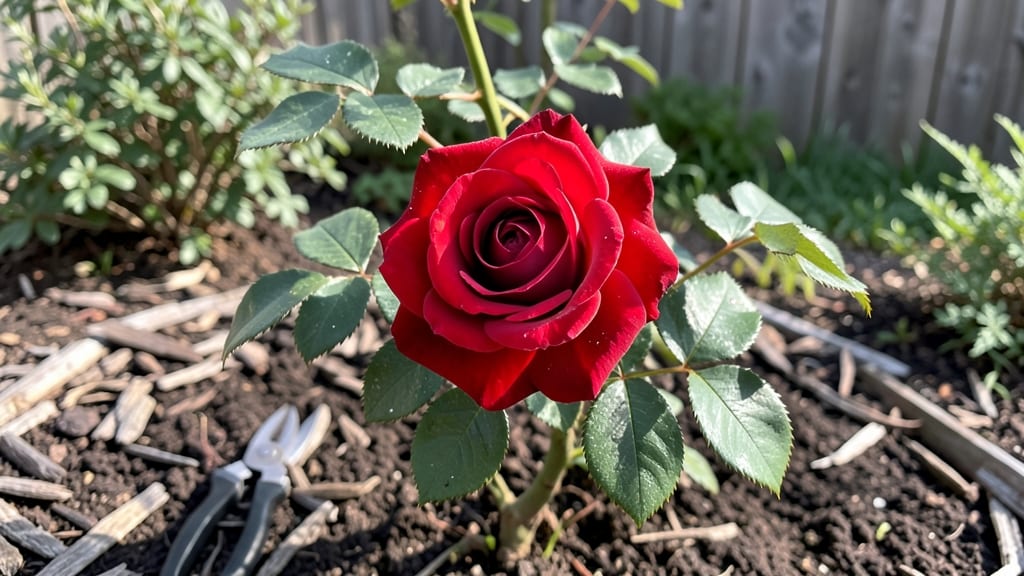
The love red rose flower isn’t just a bloom—it’s a Pacific Northwest treasure that hums with romance and attracts hummingbirds. 🌹 Every spring, my garden transforms into a fragrant sanctuary where these deep crimson blooms steal the show, their velvety petals catching morning dew while bees and hummingbirds dance around them.
The secret lies in pairing them with native ferns, lavender, and silver birch to create a lush, layered look that feels like a fairy tale.
What makes these roses truly special is how effortlessly they blend into romantic garden themes. Plant them near a winding path lined with peonies for a wedding-worthy entrance, or tuck them into a cottage-style border with climbing roses and hydrangeas.
The fragrance alone—sweet yet earthy—turns any space into a love letter to your garden. For maximum impact, group them in odd-numbered clusters (3, 5, or 7 bushes) so they feel intentional, not scattered.
Imagine strolling through your garden in late summer, the air thick with the scent of red roses, their petals glistening after a rain. The hummingbirds will be your constant companions, darting between the blooms, while the deep green foliage provides a stunning backdrop.
This isn’t just a garden—it’s a living poem, where every petal tells a story of love and devotion. Let’s bring that vision to life with plants that complement their drama.
From coastal gardens to woodland edges, these roses thrive in partial shade, making them perfect for Pacific Northwest climates. Pair them with native shrubs like salal or Oregon grape for a low-maintenance, high-impact design that feels both wild and refined.
The key is letting them shine—whether as a standalone focal point or woven into a tapestry of textures and colors. Your garden will become the kind of place people pause to admire, again and again.
📚 In This Guide
- What you need
- Instructions
- Tips and common mistakes
- Wrapping up and next steps
What you need
- ● Red rose bushes: 3–5 disease-resistant varieties (e.g., Knock Out® roses or David Austin English roses for fragrance). Choose Pacific Northwest-hardy types like ‘Bonica’ or ‘The Fairy’.
- ● Well-draining soil: 2–3 cubic yards of a mix of native soil (60%), compost (30%), and perlite/sand (10%) for aeration.
- ● Organic fertilizer: 5–10 lbs of balanced rose fertilizer (10-10-10 or 5-10-5) or a slow-release option like Oscozine.
- ● Mulch: 3–4 inches of wood chips or straw to retain moisture and suppress weeds.
- ● Watering system: A drip irrigation kit (e.g., Rain Bird) or a soaker hose for deep, consistent hydration.
- ● Pruning tools: 1 pair bypass pruners (for clean cuts).
- ● 1 pair loppers (for thicker stems).
- ● 1 pruning saw (for stubborn branches).
- ● Support stakes: 3–5 6-foot bamboo or metal stakes per bush (or rose trellises for climbing varieties).
- ● Garden gloves: Heavy-duty, nitrile-coated for thorn protection.
- ● pH test kit: To ensure soil pH is 6.0–6.5 (ideal for roses).
- ● Hummingbird feeders: 1–2 red glass feeders (fill with a 4:1 sugar-water solution).
- ● Pest control: Neem oil spray (for aphids/mites).
- ● Beneficial nematodes (to combat grubs).
- ○ Decorative elements (optional): Garden stakes with romantic tags (e.g., “Love Blooms Here”).
- ● Solar-powered garden lights for evening ambiance.
- ● Sunlight: A full-sun location (6+ hours/day)—Pacific Northwest’s partial shade may limit blooms.
- ● Water access: A hose connection or rain barrel nearby for consistent watering.
- ● Local climate prep: Protect young plants from spring frosts with frost cloth.
- ● Plan for winter mulching (add 4–6 inches of mulch in late fall).
Step-by-step guide to cultivating Pacific Northwest red roses for hummingbirds
Here's how to create a fragrant, hummingbird-friendly rose garden that thrives in our damp, mild climate.
🌱 Step 1: Choose the Right Varieties for Hummingbirds and Climate
Select disease-resistant red roses like 'Knock Out' or 'David Austin' varieties that hummingbirds adore. These thrive in the Pacific Northwest's USDA zones 7-9 and tolerate our cooler summers. I always buy bare-root plants in early spring—they establish faster than container-grown ones.
Look for healthy canes with 3-5 buds each. Avoid roses with yellowing leaves or black spots—those often carry fungal diseases that spread quickly in our damp air. Planting disease-resistant varieties means fewer chemicals and more time enjoying those hummingbird visits.
☀️ Step 2: Prepare the Planting Site for Optimal Growth
Choose a location with at least 6 hours of sunlight daily, though morning sun with afternoon shade works well in our climate. Amend the soil with 3-4 inches of compost to improve drainage—our heavy clay soils need this help. Dig a hole twice as wide as the root ball but only as deep.
Loosen the roots gently if they're circling. I like to make a small mound of soil in the hole first, then spread the roots over it. This prevents them from curling up at the bottom where they'll rot. Water the hole thoroughly before planting to settle the soil.
💧 Step 3: Plant and Water for Strong Establishment
Place the rose so the graft union (the swollen area near the base) sits 2 inches below soil level. This prevents it from being exposed when the plant matures. Fill the hole with soil, tamping gently as you go to eliminate air pockets. The top of the root ball should sit 1 inch below the surrounding soil line.
Water deeply right after planting—1-2 gallons per plant—to help roots settle. I always add 2 inches of mulch around the base (keeping it away from the stem) to conserve moisture and suppress weeds. This is especially important in our rainy climate where soil stays damp for long periods.
🌿 Step 4: Maintain Through the Growing Season
Feed roses with balanced organic fertilizer (10-10-10) in early spring and again after the first flush of blooms. Our cool summers mean roses grow slower, so I cut fertilizer amounts by half compared to warmer climates. Water deeply 1-2 times per week during dry spells—you'll know it's enough when water reaches 6 inches deep.
Deadhead spent blooms regularly to encourage continuous flowering. I also prune lightly in early summer to shape the plant and remove any crossing branches. This keeps air circulating and reduces fungal diseases that thrive in our humidity. Hummingbirds love the constant fresh blooms!
✂️ Step 5: Winter Care for Pacific Northwest Roses
In our mild winters, roses rarely need heavy protection. I simply mound 4-6 inches of soil or mulch around the base after the first hard frost. This insulates the roots without trapping too much moisture. Remove any dead or diseased canes in late winter before new growth begins.
Prune lightly in early spring before buds swell, cutting back to just above an outward-facing bud. This encourages strong new growth. I've found roses in our climate bloom best when pruned this way—it mimics our natural seasonal cues better than heavy pruning.
Tips & tricks for perfect Pacific Northwest red roses
Here's what nobody tells you about growing roses that'll have hummingbirds buzzing all summer.
Variety Matters: While 'Knock Out' and 'David Austin' roses are excellent choices, don't overlook 'Earth Kind' roses—these are specifically bred for our climate's challenges. They're tougher, more disease-resistant, and still produce gorgeous red blooms that hummingbirds can't resist. I've found they need about 30% less maintenance once established, which is a game-changer for busy gardeners.
Sunlight Strategy: That 6 hours of sunlight requirement can be tricky in our cloudy summers. If your location only gets morning sun, position your roses so they face east. For afternoon shade spots, choose varieties like 'Double Delight' that tolerate partial shade better. Remember, even partial shade means you'll get fewer blooms, but quality over quantity is what attracts hummingbirds.
Planting Hack: In Step 3, when you're planting, add a handful of mycorrhizal fungi to the hole before placing your rose. This natural soil additive helps roots establish faster by creating a beneficial relationship with the plant. It's especially helpful in our heavy clay soils where roots often struggle. You can find it at garden centers or online—it's worth the small investment for roses.
Watering Wisdom: After that initial 1-2 gallons per plant watering, I've found it's better to water deeply but less frequently. In our rainy climate, we often overwater without realizing it. Let the top 2 inches of soil dry out between waterings—you'll know it's time when you can't push a finger an inch into the soil without resistance. This prevents root rot while keeping your roses happy.
Pro Tips for Love Red Rose Flower
- Here's what nobody tells you about growing roses that'll have hummingbirds buzzing all summer.
- Variety Matters: While 'Knock Out' and 'David Austin' roses are excellent choices, don't overlook 'Earth Kind' roses—these are specifically bred for our climate's challenges.
- Sunlight Strategy: That 6 hours of sunlight requirement can be tricky in our cloudy summers.
Frequently asked questions
about the enchanting Love Red Rose Flower—your Pacific Northwest hummingbird magnet and fragrant romance in bloom.When is the best time to plant Love Red Roses?
The ideal planting window is early spring (March–April) or fall (September–October) when temperatures are mild. Avoid extreme heat or frost—these roses thrive in USDA Zones 6–9. For PNW gardeners, spring planting ensures they establish roots before summer humidity sets in.
How often should I water my Love Red Roses?
Water deeply 1–2 times per week (more in summer), ensuring the soil stays consistently moist but not soggy. Newly planted roses need daily watering for the first 2 weeks to help roots settle. Mulch around the base to retain moisture and protect from PNW’s cool nights.
Can I grow Love Red Roses in containers?
Yes! Choose a large container (at least 18" wide) with drainage holes and use a well-draining potting mix. Prune regularly to control size, and move containers to bright, indirect light in winter if frost threatens. Container roses bloom just as vibrantly—perfect for patios or balconies!
Why aren’t hummingbirds visiting my Love Red Roses?
Hummingbirds adore these flowers, but they need access to nectar-rich blooms. Ensure roses are healthy and in full bloom (prune dead flowers to encourage reblooming). Add a hummingbird feeder nearby with sugar water (1:4 ratio) if blooms are sparse. Also, avoid pesticides—chemicals can deter these tiny pollinators!
What’s the best companion plant for Love Red Roses?
Pair them with lavender, salvia, or catmint to attract pollinators and repel pests naturally. In the PNW, heuchera (coral bells) or ferns add lush texture without competing for nutrients. Avoid planting near boxwood or junipers, as they can stunt rose growth.
Wrapping up and next steps
The love red rose flower isn’t just a symbol of romance—it’s a vibrant, fragrant addition to the Pacific Northwest’s gardens that attracts hummingbirds while filling the air with sweetness. Whether you’re drawn to its timeless elegance or its ecological charm, this beauty thrives with the right care.
Now that you’re equipped with the knowledge to nurture it, why not plant a reminder of love in your own backyard? 🌸
Ready to take the next step? Start by selecting your perfect variety—whether for bouquets, pollinators, or pure joy—and let your garden bloom with passion! 🌿