
Shrubs
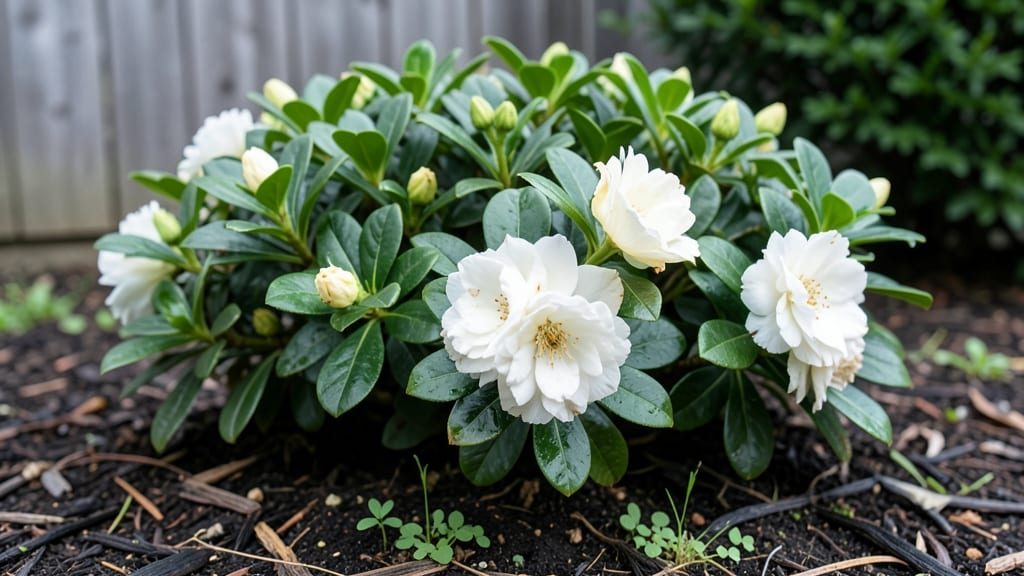
Low flowering bushes bring the Pacific Northwest's signature charm—soft colors that survive winter and bloom when spring feels far away. 🌿 I've designed entire gardens around these tough, compact plants because they deliver color without the fuss of taller shrubs or high-maintenance perennials.
The secret lies in their ability to handle our damp winters and short summers, while still putting on a show from early spring through frost.
Think creeping phlox spilling over borders, lavender adding fragrance to pathways, or dwarf hydrangeas creating lush hedges that never outgrow their space. These plants thrive in 3-4 feet of space between neighbors, making them perfect for tight spots where roses or lilacs would crowd out.
They also handle our acidic soils better than most, so you won't need to amend just to get them growing.
What you'll love most is how they transform ordinary spaces—turning dull corners into fragrant nooks, dull pathways into vibrant walkways, and even rocky slopes into living tapestries. The best part?
Many stay evergreen or semi-evergreen, so your garden never loses its structure, even when snow blankets the ground. I'll show you exactly which varieties work best for each situation.
We'll cover spacing tricks to avoid overcrowding, soil prep that works with our climate, and plant pairings that extend the season from spring through fall. These bushes don't just survive our weather—they thrive in it, giving you that coveted "wow" factor with minimal effort.
Let's get your garden looking effortlessly polished year-round.
📚 In This Guide
- What you need
- Instructions
- Tips and common mistakes
- Wrapping up and next steps
What you need
- ● Low-growing shrubs: 3–5 Pacific Ninebark (Physocarpus capitatus) (zones 4–8, 3–5 ft tall, drought-tolerant)
- ● 3–5 Dwarf Oregon Grape (Mahonia aquifolium 'Compacta') (zones 5–9, 2–3 ft tall, evergreen)
- ● 3–5 Cascade Oregon Grape (Mahonia × media 'Charity') (zones 5–8, 3–4 ft tall, winter interest)
- ● 3–5 Dwarf Cotoneaster (Cotoneaster dammeri 'Coral Beauty') (zones 5–8, 2–3 ft tall, red berries)
- ● Soil amendments (per 10 sq ft): 2–3 gallons compost (for nutrient-rich soil)
- ● 1 lb slow-release organic fertilizer (e.g., 10-10-10)
- ● Planting tools: 1 shovel or spade (for digging)
- ● 1 hand trowel (for precision planting)
- ● 1 garden hose or watering can (with a gentle spray nozzle)
- ● 1 pruning shears (for shaping after planting)
- ● Mulch: 2–3 inches wood chips or shredded bark (to retain moisture and suppress weeds)
- ● Erosion control fabric (if planting on a slope)
- ● Slow-release fertilizer spikes (for long-term nourishment)
- ● Decorative stones or edging (to define plant beds)
- ● Garden gloves (for comfort and hygiene)
- ● Plant tags or markers (to label varieties)
How to select and plant low flowering bushes for year-round Pacific Northwest color
Here's my foolproof approach to choosing and planting frost-resistant shrubs that thrive through PNW winters and bloom reliably.
🌱 Step 1: Choose the Right Frost-Resistant Varieties
For the Pacific Northwest's 10-20°F winters, focus on hardy evergreens and deciduous shrubs that bloom early and late in the season. My top picks include Oregon grape (Mahonia) for spring yellow flowers, red twig dogwood (Cornus sericea) for winter stems, and salmonberry (Rubus spectabilis) for dramatic spring blooms. These plants handle our rainy winters beautifully.
Look for USDA Zone 6-8 rated plants at local nurseries—they're already adapted to our climate. I always check for disease-resistant labels to avoid future headaches. The key is selecting plants that bloom on old wood (like lilacs) or have evergreen foliage (like boxwood) to maintain visual interest year-round.
☀️ Step 2: Select Planting Locations Based on Sunlight Needs
The PNW's partial shade conditions suit most low flowering bushes perfectly. Place sun-loving varieties like dwarf ninebark (Physocarpus) in 6+ hours of morning sun with afternoon shade protection. Shade-tolerant options like inkberry holly (Ilex glabra) thrive under 3-4 hours of filtered light in wooded areas.
I always avoid planting near large trees with aggressive root systems—they'll compete for water and nutrients. Instead, I place bushes 10-15 feet from tree trunks where they get dappled sunlight. The PNW's acidic soil works well for most shrubs, but I always do a simple pH test to confirm before planting acid-loving varieties like rhododendrons.
🪴 Step 3: Prepare Planting Holes and Amend Soil as Needed
Dig holes twice as wide as the root ball but only as deep—the plant should sit at the same depth it was in the container. The PNW's natural soil is often heavy clay, so I mix in 2-3 inches of compost into the bottom of each hole. For acid-loving plants, I add a handful of peat moss to the backfill mix.
Don't compact the amended soil—just place the plant in and fill around the roots with your mixture. Water immediately after planting to settle the soil and eliminate air pockets. I always add 1 inch of mulch around the base (keeping it 2 inches away from the stem) to protect roots from winter temperature swings and retain moisture.
💧 Step 4: Establish a Watering Schedule for First Two Seasons
Newly planted shrubs need 1-2 gallons of water weekly during the first growing season, more during our dry summers. I water deeply at the base rather than overhead to encourage deep root growth. The PNW's frequent rain means you'll water less in winter, but I still check soil moisture—top 2 inches dry is the right signal to water.
After two seasons, most low bushes establish strong root systems and become drought-tolerant. I always monitor for yellowing leaves which can indicate overwatering or poor drainage. The key is consistency—better to water deeply less often than frequent light waterings that encourage shallow roots.
✂️ Step 5: Prune Strategically for Year-Round Interest
Prune late winter or early spring before new growth begins. For flowering shrubs, I remove 1/3 of oldest stems each year to encourage new growth and flowering. Never prune spring-blooming shrubs after they flower—you'll sacrifice next year's blooms. For evergreens, I do light shaping prunes in late spring to maintain their form.
I always clean pruning tools with rubbing alcohol between cuts to prevent disease spread. The PNW's damp climate makes fungal issues common, so I avoid heavy pruning that can stress plants. A little strategic pruning keeps bushes healthy and flowering beautifully through all four seasons.
Tips & tricks for perfect low flowering bush plantings
These game-changing tips will help your frost-resistant shrubs thrive and flourish through every season in the Pacific Northwest.
Variety Selection: When choosing plants in Step 1, prioritize those labeled "disease-resistant" and "USDA Zone 6-8" - these are already battle-tested for our climate. For maximum winter interest, mix evergreens like boxwood with deciduous shrubs that offer winter stems like red twig dogwood. I've found that plants blooming on old wood (like lilacs) give you two seasons of color - spring blooms plus winter stems.
Soil Prep Strategy: In Step 3, don't skip the soil amendment! The PNW's heavy clay soil needs that 2-3 inches of compost to improve drainage and aeration. For acid-loving plants, that handful of peat moss makes all the difference - I've seen rhododendrons thrive where others struggle. Remember to keep mulch 2 inches away from stems to prevent rot while protecting roots from temperature swings.
Watering Wisdom: The 1-2 gallons weekly in Step 4 is perfect for establishing roots, but timing matters. Water in the morning so foliage has time to dry before evening - this prevents fungal issues in our damp climate. I check soil moisture by lifting a plant - if the soil sticks to roots, it's too wet. For dry summers, increase to 3 gallons weekly until plants establish after two seasons.
Pruning Precision: When pruning in Step 5, use clean tools and make cuts at a 45-degree angle just above a bud. For spring-blooming shrubs, always prune after flowering to preserve next year's blooms. I've learned the hard way that heavy pruning stresses plants in our damp climate - stick to removing 1/3 of oldest stems annually for best results.
Pro Tips for Low Flowering Bushes
- These game-changing tips will help your frost-resistant shrubs thrive and flourish through every season in the Pacific Northwest.
- Variety Selection: When choosing plants in Step 1, prioritize those labeled "disease-resistant" and "USDA Zone 6-8" - these are already battle-tested for our climate.
- Soil Prep Strategy: In Step 3, don't skip the soil amendment!
Frequently asked questions
Got questions about low flowering bushes for the Pacific Northwest? You're not alone!
Here are some common concerns—plus expert answers—to help you pick the perfect frost-resistant, year-round plants for your landscape.
What are the best low-growing bushes for PNW winters?
The Pacific Northwest’s mild but damp winters call for hardy, frost-resistant picks like Dwarf Oregon Grape (Mahonia aquifolium), Cascade Blueberry (Vaccinium corymbosum), or Creeping Cotoneaster (Cotoneaster dammeri). These thrive in zones 7–9, handle snow, and bloom year-round with minimal fuss!
When is the best time to plant low flowering bushes?
For the PNW, fall (September–November) is ideal—cooler temps help roots establish before winter. Spring (March–May) works too, but avoid planting in extreme heat. Pro tip: Water deeply after planting and mulch to retain moisture!
How do I keep low flowering bushes from spreading too much?
Most low bushes (like Dwarf Boxwood or Heather) stay compact, but some, like Creeping Juniper, spread aggressively. Prune annually in late winter, use root barriers, or choose cultivars labeled "dwarf" (e.g., 'Blue Rug' Juniper).
Why aren’t my low flowering bushes blooming?
Common culprits: over-fertilizing (too much nitrogen = leafy growth, no flowers), poor sunlight, or dormant-season stress. Try moving to sunnier spots, pruning spent blooms, or using a balanced 10-10-10 fertilizer in early spring. Most PNW natives bloom best with minimal intervention!
Are there evergreen low bushes that don’t need much maintenance?
Dwarf Holly (Ilex glabra 'Strongbox'), Emerald Green Arborvitae (Thuja occidentalis 'Smaragd'), and Dwarf Alaska Cedar (Chamaecyparis nootkatensis 'Lutea') are low-maintenance, frost-proof, and stay green all year. They tolerate shade, drought, and PNW’s wet winters with ease!
Wrapping up and next steps
Low flowering bushes are the perfect way to bring year-round color and resilience to your Pacific Northwest garden—even when frost rolls in! 🌿 Whether you're a seasoned gardener or just starting, these hardy plants offer beauty with minimal fuss.
Now that you’re armed with the best options and care tips, it’s time to roll up your sleeves and get planting!
🌱 Your Next Steps:
- Pick your favorites from this list and sketch a layout for your garden.
- Check local nurseries for these frost-resistant beauties—support small businesses while you’re at it!
- Start small and expand your garden as you gain confidence (and maybe even share cuttings with neighbors!).
Your dream low-maintenance, colorful garden is just digging away—happy planting! 🌸