
Orchid Care
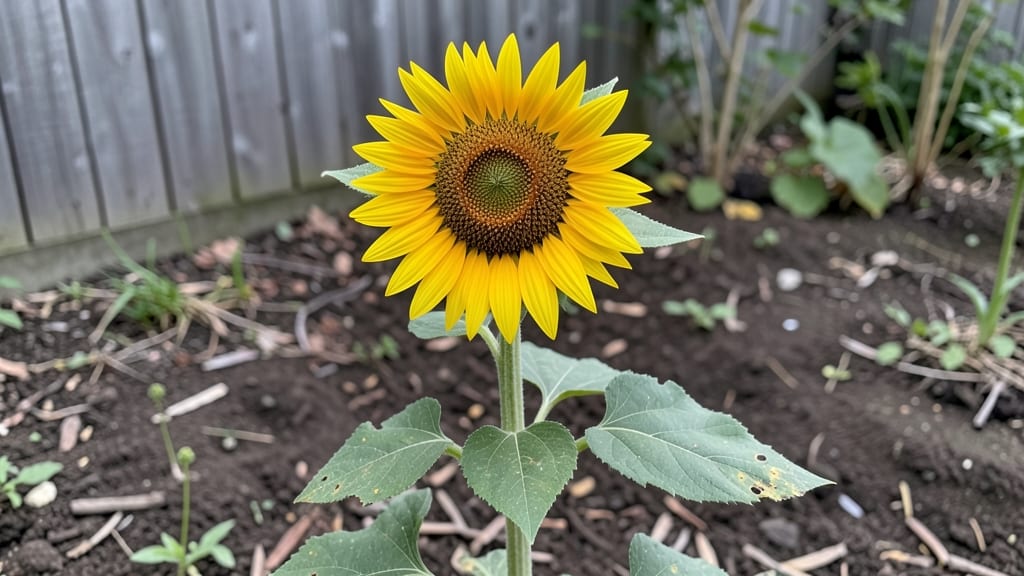
Mastering mammoth sunflower care in the Pacific Northwest turns your garden into a towering summer spectacle—tall enough to block out the rain and bold enough to turn neighbors green with envy. 🌻 I’ve grown these 10-foot giants for years, and the secret isn’t just patience; it’s knowing how to outsmart the region’s damp springs and short growing seasons.
The right soil mix, strategic watering, and a little extra support keep them standing tall even when storms roll in.
You’ll need well-draining soil (amend with compost), a sunny spot (at least 6 hours of direct light), and sturdy stakes—these monsters need them by midsummer. Start seeds indoors 4-6 weeks before last frost or direct-sow after soil warms to 55°F, because cold soil slows germination.
Fertilize lightly at planting (5-10-10) and again when stems reach 3 feet, but go easy—too much nitrogen makes them flop.
By July, you’ll have velvety-green leaves and stems thick enough to lean on, with buds the size of your fist. The real magic happens when the first yellow blooms open—each one a 12-inch-wide sun that draws bees and hummingbirds like a magnet.
Prune dead flowers to encourage more blooms, and harvest seeds in fall for next year’s plants. These aren’t just sunflowers; they’re the centerpiece of your garden.
For Pacific Northwest gardeners, the key is timing and support. Plant early, stake early, and don’t rush—these giants reward patience with summer-long drama. Even if you’ve never grown sunflowers before, mammoth varieties forgive mistakes better than most. Ready to grow something worth bragging about?
📚 In This Guide
- What you need
- Instructions
- Tips and common mistakes
- Wrapping up and next steps
What you need
- ● Seeds: Helianthus annuus ‘Mammoth’ or similar varieties (e.g., ‘Russian Giant’ or ‘American Giant’). Aim for 3–5 seeds per plant—they’re big and bold!
- ● Well-draining soil: A mix of 60% topsoil, 30% compost, and 10% perlite or coarse sand (to prevent root rot in PNW’s wet winters).
- ● Sunlight: Full sun (6+ hours/day)—these giants crave it! South-facing spots are ideal.
- ● Watering system: Drip irrigation or soaker hoses (to deliver 1–2 inches of water weekly, adjusting for rain).
- ● A 5-gallon watering can for seedlings (gentle watering to avoid disturbing roots).
- ● Support: Sturdy 8–10 ft bamboo stakes or metal cages (1–2 per plant to handle their 10+ ft height and 4–6 ft diameter).
- ● Soft garden twine or Velcro plant ties (to secure stems without cutting into them).
- ● Fertilizer: Balanced 10-10-10 or 5-10-10 granular fertilizer (apply 2 tbsp per plant at planting and again when stems reach 3 ft).
- ● Organic option: Composted manure or worm castings (rich in nitrogen for foliage growth).
- ● Mulch: 2–3 inches of straw or wood chips (to retain moisture and regulate soil temp in PNW’s cool, damp climate).
- ● Seed-starting kit: If sowing indoors (e.g., biodegradable peat pots for easy transplanting).
- ● Row covers: Lightweight fabric to protect seedlings from late frosts (common in PNW springs).
- ● Soil pH test kit: Aim for 6.0–7.0 (mammoth sunflowers prefer slightly acidic to neutral soil).
- ● Epsom salt: 1 tbsp dissolved in gallon of water (spray foliarly for magnesium boosts during budding).
- ● Pruning shears: For removing lower leaves to improve airflow (reduces disease risk in humid PNW summers).
Step-by-Step instructions for growing mammoth sunflowers
Here's my battle-tested approach to growing those towering sunflowers that turn heads in any Pacific Northwest garden.
🌱 Step 1: Choose and Prepare Your Planting Site
Mammoth sunflowers need full sun—at least 6-8 hours daily—and deep, well-draining soil. In the Pacific Northwest's cooler climate, I always plant them where they'll receive morning sun and afternoon shade if summers get hot. Test your soil's pH—ideal is 6.0-7.0—and amend with compost if it's heavy clay or sandy.
Loosen the soil to a depth of 12-18 inches to encourage deep root growth. These giants need space too: plant each seedling 18-24 inches apart in rows 3 feet apart. The wider spacing prevents fungal diseases from spreading and gives those massive stems room to support their weight.
☀️ Step 2: Plant at the Right Time and Depth
Wait until after the last frost date in your area—Mammoth sunflowers are cold-sensitive once sprouted. In the PNW, that's typically mid-to-late May, but check local forecasts. Plant seeds 1 inch deep and 1-2 inches apart in the row; they germinate best in 60-70°F soil. I like to soak seeds overnight before planting to speed germination.
Thin seedlings to 12-18 inches apart when they're 3-4 inches tall. This might seem harsh, but crowded sunflowers develop weak stems that snap under their own weight. Water deeply after thinning to help roots recover. Watch for the first true leaves—these are your signal that germination is complete and the plant is establishing itself.
💧 Step 3: Water Deeply and Consistently
Mammoth sunflowers need 1-2 inches of water weekly, but they're drought-tolerant once established. The key is deep watering: soak the soil to 12 inches deep every 5-7 days rather than light surface watering. This encourages deep root growth, which helps them stand upright and resist wind.
Water at the base of the plant in the early morning to reduce fungal risks. Avoid wetting the leaves—this is especially critical when plants are young. You'll know you're watering correctly when the soil feels damp 6 inches down but not soggy. Mulch with 2-3 inches of straw or wood chips to retain moisture and suppress weeds.
✂️ Step 4: Provide Support and Monitor Growth
As stems reach 3-4 feet tall, they'll need staking to prevent toppling. I use 8-foot bamboo stakes driven 6 inches deep beside each plant, then tie stems loosely with soft plant ties. Avoid tight bindings—the stems will thicken as they grow. Watch for first buds forming around 60-70 days after planting; this is when you'll see rapid vertical growth.
Remove any side shoots that form below the main bud—these divert energy from the primary flower. Deadhead spent blooms to encourage a second flush of flowers, though Mammoths often produce only one massive bloom. If powdery mildew appears (common in humid PNW summers), treat immediately with neem oil or a fungicide. Strong air circulation helps prevent this.
🌿 Step 5: Harvest and Extend the Season
Cut stems when the back of the bloom face turns yellow—this signals peak flavor and seed maturity. Use sharp shears and leave 6-12 inches of stem attached. Hang upside-down in a dry, dark place for 2 weeks to dry completely. Remove seeds once the heads are fully dry and store in a cool, dark place.
For next year's garden, save seeds from the largest, healthiest plants. Mammoth sunflowers are biennials, so they'll often self-sow if left to dry on the stem. In the PNW's mild winters, you might even see volunteers popping up in spring. Remove these early if you want to control their placement—otherwise, let them grow for a surprise display.
Tips & tricks for perfect mammoth sunflower care
These battle-tested secrets will help your sunflowers reach their full towering potential in the Pacific Northwest's unique climate.
Soil Preparation Secret: In Step 1, when loosening soil to 12-18 inches, mix in a handful of composted manure or worm castings for an extra nutrient boost. These giants need phosphorus for strong roots and potassium for disease resistance. I've found that adding a balanced 10-10-10 fertilizer at planting time gives them that extra growth kick, especially in our nutrient-poor volcanic soils.
Germination Game-Changer: For Step 2, that overnight seed soaking tip is non-negotiable in our cooler PNW climate. Fill a bowl with warm water (around 70°F), add seeds, and let them soak for 8-12 hours. This mimics the warm, moist conditions they'd experience in their native prairie habitats. Pro tip: Use a mesh bag to contain seeds while soaking—it makes transplanting easier later.
Watering Wisdom: In Step 3, when aiming for that 12-inch deep watering, consider using a soil probe or long screwdriver to check moisture levels. The PNW's unpredictable summer rains can make consistent watering tricky. I've had success with drip irrigation systems set on timers—just make sure they deliver that full 1-2 inches weekly. The key is maintaining even moisture without waterlogging.
Support System Strategy: For Step 4's staking, I've switched to using galvanized metal stakes instead of bamboo in windy areas. Drive them 8 inches deep (2 inches deeper than specified) for maximum stability. The wider base resists tipping in our frequent summer storms. When tying stems, use soft plant ties and leave room for growth—the stems will thicken by 50% as they mature.
Pro Tips for Mammoth Sunflower Care
- These battle-tested secrets will help your sunflowers reach their full towering potential in the Pacific Northwest's unique climate.
- Soil Preparation Secret: In Step 1, when loosening soil to 12-18 inches, mix in a handful of composted manure or worm castings for an extra nutrient boost.
- Germination Game-Changer: For Step 2, that overnight seed soaking tip is non-negotiable in our cooler PNW climate.
Frequently asked questions
Got questions about growing these towering beauties? You’re not alone—mammoth sunflowers are stunning but come with unique care needs! Here are answers to the most common queries to help you grow a thriving giant in your Pacific Northwest garden.
How tall will my mammoth sunflower grow, and how much space do I need?
Mammoth sunflowers typically reach 10–14 feet tall (or even taller in ideal conditions!). Give them 18–24 inches of space between plants to prevent overcrowding, which can stunt growth or invite pests. In windy PNW gardens, consider staking or planting near a fence for support—these giants need room to sway safely!
When is the best time to plant mammoth sunflowers in the Pacific Northwest?
Start seeds indoors 4–6 weeks before your last frost date (usually late March to early April in the PNW). Transplant outdoors after soil warms to at least 50°F (mid-to-late May). For direct sowing, wait until after Memorial Day when nighttime temps stay above 50°F—cold snaps can delay germination or damage young sprouts.
How often should I water mammoth sunflowers, and do they need special care?
Keep soil consistently moist but not soggy, especially during flowering (July–August). Water deeply 1–2 times per week, aiming for 1–2 inches of water per week. Mulch with straw or wood chips to retain moisture and protect roots. Drought stress can cause buds to drop, so prioritize hydration during dry PNW summers!
What pests or diseases should I watch for, and how do I prevent them?
Common threats include aphids, sunflower moths, and powdery mildew. Inspect leaves regularly and blast off aphids with water. For mildew, space plants for airflow and avoid overhead watering. Use neem oil or insecticidal soap as a preventive spray. If birds peck at buds, try bird netting—these sunflowers are a buffet for feathered friends!
Can I grow mammoth sunflowers in containers, or do they need in-ground planting?
While possible, containers aren’t ideal—mammoth sunflowers have deep taproots (up to 6 feet!) and need at least a 20-gallon pot with excellent drainage. If container-growing, use a lightweight, well-draining mix and fertilize regularly. For best results, plant in-ground where roots can stretch freely—these giants reward patience with show-stopping blooms!
Wrapping up and next steps
Growing mammoth sunflowers in the Pacific Northwest is a rewarding challenge—and with the right care, these towering beauties will flourish in your garden! 🌻 From selecting cold-hardy varieties to mastering soil prep and deadheading, each step brings you closer to a stunning, sun-drenched display. Don’t let their size intimidate you—these giants are worth the effort!
Ready to watch your sunflowers reach new heights? Start by planting your seeds or transplants this spring, then keep an eye on their progress. With patience and a little TLC, you’ll soon be showcasing nature’s skyscrapers in your very own backyard. Happy gardening! 🌱