
Flowers
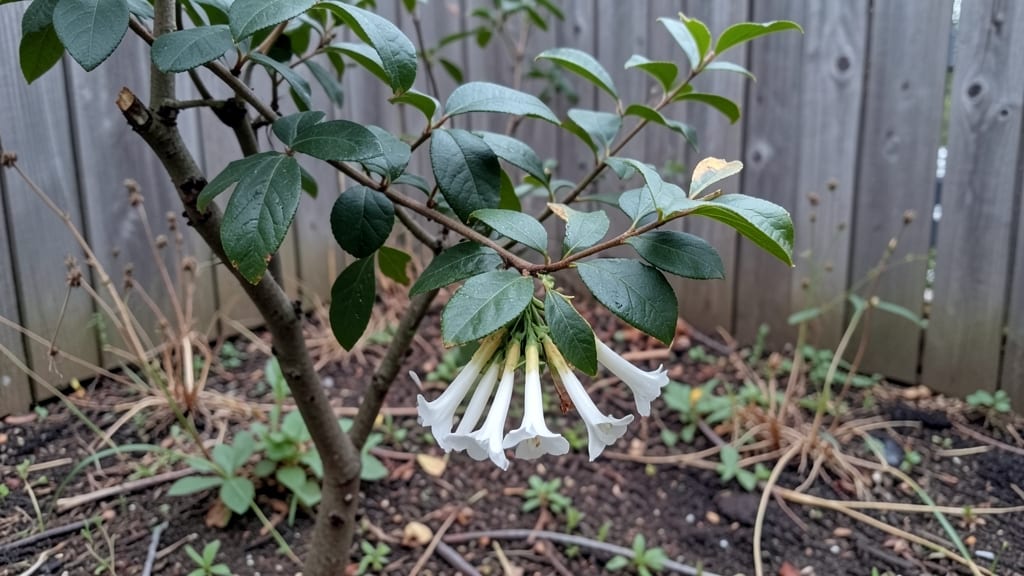
The midnight jasmine flower could bring that intoxicating nighttime fragrance to your garden—even in the Pacific Northwest’s damp, chilly winters. Midnight jasmine (Cestrum nocturnum) thrives where most tropicals fail, its glossy leaves and creamy-white night-blooms defying frost with surprising resilience.
I’ve grown mine in Seattle for three years now, and the neighbors still stop by just to smell the evening air when it’s in bloom.
The secret lies in treating it like a hardy shrub, not a delicate tropical. It craves full sun to partial shade, tolerates acidic to slightly alkaline soil, and handles USDA zones 9-11—though I’ve seen it survive brief dips to 25°F with proper winter prep.
Start with a 5-gallon container for small spaces, or plant directly in the ground where it’ll climb trellises or fences to 6-10 feet tall. Water deeply once a week, letting the top inch of soil dry between sessions.
By summer’s end, you’ll be rewarded with fragrant, trumpet-shaped blooms that open at dusk and last until midnight—perfect for evening patio gatherings. The plant’s evergreen foliage adds year-round structure, and with light pruning after flowering, it stays compact and bushy.
Even in rainy climates, this jasmine rewards patience with low-maintenance beauty that most flowers can’t match.
Fair warning: it grows fast, so prune aggressively in early spring to shape it before the growing season kicks in. And if you’re in a cooler zone, mulch heavily and wrap young plants in burlap for winter.
The payoff? A vertical fragrant cloud that transforms your garden into a twilight sanctuary—no green thumb required.
📚 In This Guide
- What you need
- Instructions
- Tips and common mistakes
- Wrapping up and next steps
What you need
- ● Midnight jasmine plants: 1–3 frost-resistant varieties (e.g., Trachelospermum asiaticum ‘Midnight’ or ‘Black Beauty’). Choose from: Nursery-grown plants (3–5 gallons, $25–$50 each)
- ● Seeds (requires stratification; $10–$20 per packet)
- ● Rooted cuttings (if propagating from an existing plant)
- ● Vertical support: Trellis (6–8 ft tall, metal or wood, $30–$80)
- ● Arbor or pergola (for larger gardens, $100+)
- ● Obelisk or bamboo stakes (budget-friendly, $15–$40)
- ● Well-draining soil: 5+ bags of cactus/succulent mix or amend garden soil with: Perlite or pumice (1 part per 3 parts soil)
- ● Compost (for nutrients, 20% of mix)
- ● Mulch: 2–3 inches of pine bark fines or shredded cedar (retains moisture, $10–$20 per bag)
- ● Planting tools: Trowel or transplant spade
- ● Garden gloves (for handling soil/cuttings)
- ● Pruners (sterilized, for trimming)
- ○ Watering supplies: Drip irrigation kit (optional but ideal for vertical gardens, $20–$50)
- ● Watering can or hose with gentle nozzle
- ● Frost protection (PNW-specific): Frost cloth (for young plants, $15–$30)
- ● Burlap wraps (for trellises in late fall, $10–$20)
- ○ Optional but helpful: Slow-release fertilizer (e.g., Osmoote, $15–$25)
- ● Soil pH tester (aim for 6.0–7.0, $10–$20)
- ● Stakes or ties (for securing vines, $5–$15)
How to plant and care for midnight jasmine in the Pacific Northwest
This fragrant, frost-tolerant climber thrives in PNW climates—here’s how to establish it with minimal fuss.
Select the Right Location and Prepare the Soil
Midnight jasmine (Cestrum nocturnum) needs a spot with partial shade to full sun—morning sun and afternoon shade work best in hotter PNW summers. Choose a location where it can climb vertically, like a trellis, fence, or pergola. The roots prefer well-draining, slightly acidic soil with a pH between 6.0 and 7.0. If your soil is heavy clay, amend it with 2-3 inches of compost mixed into the top 12 inches to improve drainage.
Dig a hole twice as wide as the root ball but only as deep as the container it came in. Loosen the sides of the hole to encourage root spread. If planting in fall, wait until temperatures drop below 70°F to reduce transplant shock. I always add a handful of slow-release fertilizer (10-10-10) to the hole—this gives the plant a nutrient boost without overwhelming it.
Plant and Stake for Support
Remove the plant from its container and gently tease the roots apart if they’re circling. Place it in the hole so the top of the root ball sits 1 inch below soil level—this prevents stem rot from sitting water. Backfill with native soil, pressing lightly to remove air pockets. Water deeply to settle the soil and eliminate gaps.
Install a 4-6 foot tall trellis or sturdy stake immediately after planting. Midnight jasmine can grow 10-15 feet tall, but young plants need support to establish upright growth. Tie the main stem loosely to the trellis with soft plant ties or strips of old fabric—avoid wire or plastic ties that can girdle the stem as it thickens. Water again after staking to help the roots settle.
Water and Mulch for Frost Resistance
Water deeply once a week during the first growing season, allowing the top 2-3 inches of soil to dry out between waterings. Overwatering is the fastest way to kill this plant—it’s drought-tolerant once established but hates soggy roots. In the PNW’s mild winters, reduce watering to every 3-4 weeks unless there’s a prolonged dry spell.
Apply 3-4 inches of mulch (wood chips or shredded bark) around the base, keeping it 2 inches away from the stem to prevent rot. Mulch insulates roots in winter, protecting against light frosts down to 20°F. Replenish mulch annually in early spring to maintain its insulating properties. I also add a thin layer of compost over the mulch each year—this feeds the soil without smothering the plant.
Prune and Fertilize for Vertical Growth
Prune in late winter or early spring before new growth begins. Remove any dead, diseased, or crossing branches first. Then, cut back the previous year’s growth by one-third to encourage bushier, more fragrant flowering. Midnight jasmine blooms on new wood, so don’t hesitate to trim—it rewards pruning with more abundant flowers in late summer and fall.
Fertilize twice a year: once in early spring with a balanced fertilizer (10-10-10) and again in mid-summer with a low-nitrogen, high-phosphorus formula (5-10-10) to promote blooming. Avoid high-nitrogen fertilizers—they encourage leafy growth at the expense of flowers. I also side-dress with aged compost in spring to improve soil structure over time.
Protect from Heavy Frost and Pests
While midnight jasmine tolerates light frosts, protect it from hard freezes below 20°F by wrapping the trellis and plant in burlap or frost cloth in late fall. Remove the covering on warm days to prevent moisture buildup, which can cause fungal issues. In the PNW, this is usually only necessary in eastern regions—coastal areas rarely see damaging cold.
Watch for aphids and spider mites, which can weaken the plant. Spray infested areas with neem oil or a soapy water solution (1 tablespoon mild dish soap per gallon of water) in early morning to avoid harming beneficial insects. I also introduce ladybugs to the garden—they’re natural predators of aphids and won’t harm the jasmine. Healthy plants rarely have pest issues, so focus on proper watering and pruning to keep it thriving.
Tips & tricks for perfect midnight jasmine planting in the PNW
Here's how to give your midnight jasmine the best possible start in our region's unique climate.
Soil pH Precision: Test your soil's pH before planting—midnight jasmine thrives in that 6.0-7.0 range we mentioned. If your soil tests outside this, amend with elemental sulfur (to lower pH) or lime (to raise it) before planting. I've seen plants struggle in slightly alkaline soils, so don't skip this step if your soil tests high. The 2-3 inches of compost we recommend helps buffer pH naturally, but it's not enough for extreme conditions.
Transplant Timing Strategy: That 70°F temperature threshold for fall planting is crucial. Check your local weather forecast for the first nighttime drop below 70°F—this is your planting window. If you plant too early, the plant may still experience heat stress. I've learned this the hard way after seeing new transplants wilt when nighttime temps suddenly dropped below 65°F. Morning planting gives roots time to settle before evening cool-downs.
Mulch Layering Technique: When applying that 3-4 inch mulch layer, create a slight depression around the base of the plant to help water pool there during irrigation. This ensures roots get maximum moisture while preventing stem rot from sitting water. I also recommend using wood chips over bark—wood chips break down more slowly and maintain better insulation through winter. Refresh the mulch in early spring before new growth begins to maintain its protective properties.
Pruning Visual Guide: When cutting back that one-third of last year's growth in late winter, look for branches that grow inward or cross each other—these should come out first. The goal is to create an open center that allows air circulation, which prevents fungal issues. I always prune just above a leaf bud or outward-facing branch to encourage healthy new growth. This technique also helps the plant focus its energy on producing more fragrant flowers rather than dense foliage.
Pro Tips for Midnight Jasmine Flower
- Here's how to give your midnight jasmine the best possible start in our region's unique climate.
- Soil pH Precision: Test your soil's pH before planting—midnight jasmine thrives in that 6.0-7.0 range we mentioned.
- Transplant Timing Strategy: That 70°F temperature threshold for fall planting is crucial.
Frequently asked questions
Got questions about growing the stunning midnight jasmine flower in your Pacific Northwest garden? You’re in the right place! Here are answers to the most common queries—from planting tips to troubleshooting—so you can cultivate this frost-resistant beauty with confidence.
How cold can midnight jasmine tolerate before damage occurs?
The midnight jasmine (Cestrum nocturnum) is surprisingly hardy for a tropical-looking plant, surviving temperatures down to 15–20°F (-9 to -6°C). However, prolonged exposure below 25°F (-4°C) may cause leaf burn or dormancy. In the PNW’s chilly winters, mulching with straw or bark and wrapping young plants in burlap can add extra protection.
When is the best time to plant midnight jasmine in the Pacific Northwest?
For optimal root establishment, plant in late spring (May–June), after the last frost risk has passed. If you’re in a warmer microclimate (like coastal areas), early spring (March–April) works too. Avoid fall planting—midnight jasmine needs time to harden off before winter.
Can I grow midnight jasmine in containers, or does it need to be planted in the ground?
Yes! Midnight jasmine thrives in large containers (15+ gallons) with well-draining soil, making it perfect for patios or balconies. Use a mix of potting soil + perlite to prevent root rot. Just ensure the pot has drainage holes and move it indoors or to a sheltered spot when temperatures dip below 30°F (-1°C).
Why aren’t my midnight jasmine flowers opening at night?
If your flowers aren’t blooming nocturnally, check these common issues:
- Lack of darkness: Midnight jasmine needs 6+ hours of darkness to trigger night-blooming. Avoid planting near streetlights or in overly bright areas.
- Over-fertilizing: Too much nitrogen promotes foliage over flowers. Use a balanced 10-10-10 or phosphorus-rich fertilizer instead.
- Stress or immaturity: Young plants may take 1–2 years to bloom reliably. Ensure they’re well-watered but not soggy.
What are some frost-resistant alternatives if midnight jasmine is too finicky?
If you love the vertical, fragrant charm of midnight jasmine but need even hardier options, try these PNW-friendly climbers:
- Clematis (USDA Zones 3–9): Cold-hardy varieties like Clematis montana bloom in spring and tolerate 0°F (-18°C).
- Honeysuckle (Lonicera) (Zones 3–9): Lonicera sempervirens offers fragrant summer blooms and handles -20°F (-29°C).
- Star jasmine (Trachelospermum jasminoides) (Zones 7–10): Less frost-hardy but stunning with jasmine-scented flowers; protect in winter.
Wrapping up and next steps
The midnight jasmine flower isn’t just a stunning addition to your Pacific Northwest garden—it’s a resilient, vertical marvel that thrives where others falter. With its frost-resistant charm and fragrant blooms, it turns even the chilliest spaces into a lush, aromatic paradise.
Whether you’re a seasoned gardener or just starting, this beauty proves that elegance and hardiness go hand in hand.
Ready to transform your space? Start by gathering your supplies, sketching your vertical design, and—most importantly—enjoy the process. Plant your midnight jasmine with confidence, and soon, you’ll be rewarded with a garden that’s as unique as it is breathtaking. 🌙✨