
Flowers
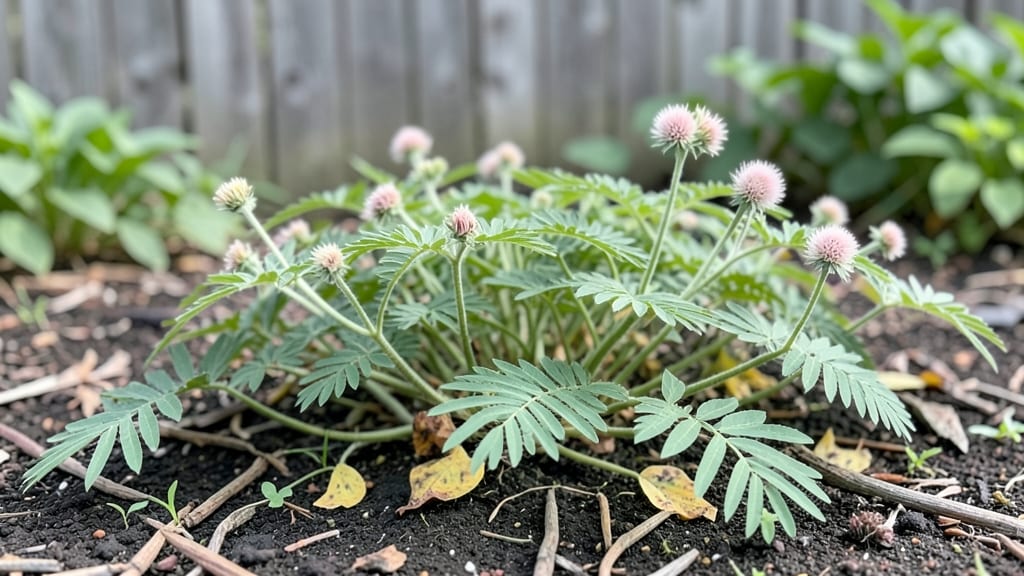
Growing the mimosa pudica flower feels like nurturing a living curiosity—its leaves fold at the slightest touch, a quirky reaction that never fails to amaze. 🌿 This sensitive plant thrives on attention (literally and figuratively), making it perfect for kids, science lovers, or anyone who enjoys a garden with personality.
The key? Mimicking its tropical roots with warmth, humidity, and just the right amount of playfulness in care.
You’ll need fast-draining soil, bright but indirect light, and a humidity tray or misting routine to keep those delicate leaves happy. Overwatering is the biggest villain—let the top inch dry between drinks—and watch out for pests like spider mites, which adore the same dry conditions you want to avoid.
The payoff? A plant that responds to your touch, grows fast (up to 6 inches a month!), and doubles as a conversation starter.
Outdoor gardeners can try it in warm zones (7-10) as an annual, while indoor growers will love its terrarium-friendly nature or its ability to bounce back from neglect. Just don’t expect perfection—its leaves might wilt dramatically when startled, but they always spring back, proving resilience is part of the charm.
Ready to grow something that grows back?
Here’s the secret weapon: patience and play. Mimosa pudica rewards curiosity with its reactions, whether you’re teaching kids about plant biology or just enjoying the thrill of making it jump. Start small with a single cutting or seed, and let the fun begin.
📚 In This Guide
- What you need
- Instructions
- Tips and common mistakes
- Wrapping up and next steps
What you need
- ● Mimosa pudica seeds – 5–10 seeds (ensure they’re fresh for best germination rates).
- ● Well-draining potting mix – 2–3 gallons (use a blend of peat moss, perlite, and coco coir for optimal aeration).
- ● Small pots or seed trays – 3–4 inches deep (with drainage holes).
- ● Spray bottle – For gentle watering (avoids disturbing delicate seedlings).
- ● Grow lights or sunny windowsill – 6–8 hours of indirect light daily (or a LED grow light for indoor setups).
- ○ Humidity dome or plastic wrap – To retain moisture during germination (optional but recommended).
- ● Fertilizer (balanced, low-nitrogen) – 5-10-5 or organic compost tea (dilute to half-strength).
- ● Pruning shears – For trimming leggy growth or harvesting seeds later.
- ○ Thermometer/hygrometer – Ideal soil temp: 70–80°F (21–27°C); humidity: 50–70% (optional but useful).
- ○ Gloves (optional) – Mimosa pudica can cause mild skin irritation in sensitive individuals.
Step-by-step instructions for growing mimosa pudica indoors
Here’s how to nurture this fascinating, touch-sensitive plant from seed to a thriving green wonder.
🌱 Step 1: Prepare Seeds and Planting Medium
Mimosa pudica seeds need warmth and moisture to germinate, so start by soaking them in lukewarm water for 12-24 hours. This softens the tough outer shell and speeds up sprouting. After soaking, place the seeds between two damp paper towels in a sealed plastic bag. Store them in a warm spot—75-80°F—until they sprout, which usually takes 7-14 days. You’ll know they’re ready when tiny white roots appear.
Use a light, well-draining potting mix (like a blend of peat moss and perlite) in small pots or seed trays. Fill the containers to about 1 inch below the rim and moisten the soil until it’s damp but not soggy. Mimosa pudica hates waterlogged roots, so ensure your pots have drainage holes. I like to use 4-inch pots for the first planting, as they’re perfect for the delicate seedlings.
🌿 Step 2: Plant the Sprouted Seeds
Once the seeds have sprouted, gently place each seedling into its own pot, pressing the soil lightly around the roots to secure them. Mimosa pudica seedlings are fragile, so handle them with care—avoid pressing too hard or disturbing the delicate stems. Plant them ¼ inch deep in the soil, just enough to cover the roots but leave the top of the seedling exposed.
After planting, water the soil gently with a spray bottle to avoid dislodging the seedlings. Keep the pots in a warm, humid environment—70-75°F—and cover them with a clear plastic dome or plastic wrap to retain moisture. Place the pots in bright, indirect light for the first week. Direct sunlight can scorch the tender seedlings, so avoid placing them in a south-facing window until they’ve grown stronger.
☀️ Step 3: Provide Optimal Light and Care
After the first week, gradually introduce the seedlings to bright, indirect sunlight. Mimosa pudica thrives in 4-6 hours of morning sun followed by shade for the rest of the day. If you notice the leaves turning pale or the stems stretching too much, your plant needs more light. Move it closer to the window or supplement with a grow light for 12-14 hours a day.
Water the plant when the top inch of soil feels dry to the touch. Mimosa pudica is drought-sensitive, so avoid letting the soil dry out completely. However, it also dislikes soggy conditions, so always ensure the pot has drainage and never let water pool in the saucer. Once the seedlings develop their first set of true leaves—small, feathery fern-like foliage—you can begin fertilizing lightly with a balanced liquid fertilizer diluted to half strength every 4-6 weeks.
✂️ Step 4: Encourage Growth and Handle with Care
Mimosa pudica is famous for its touch-sensitive leaves, which fold inward when disturbed—a defense mechanism to deter herbivores. You’ll start seeing this behavior once the plant is about 2-3 inches tall. To encourage bushier growth, gently pinch off the tips of the stems when the plant reaches 3-4 inches in height. This prompts the plant to branch out and grow fuller.
As the plant matures, you can transplant it into a slightly larger pot—6-8 inches in diameter—if it outgrows its current container. Mimosa pudica grows best in warm temperatures (65-80°F) and high humidity. If your home is dry, mist the leaves occasionally or place a tray of water near the plant to increase humidity. Avoid overcrowding, as the plant needs space to spread its delicate vines.
🌱 Step 5: Maintain and Enjoy Your Touch-Me-Not Plant
Once established, mimosa pudica is relatively low-maintenance. Continue providing bright, indirect light and watering when the top inch of soil is dry. You’ll know your plant is happy when it grows quickly, produces new leaves regularly, and responds vigorously to touch. If you notice yellowing leaves, it’s usually a sign of overwatering or poor drainage. Adjust your watering habits and ensure the pot has adequate drainage.
Mimosa pudica can bloom in ideal conditions, producing small, pink or purple flowers that add a charming touch to its unique foliage. While it’s not a long-lived houseplant, it can thrive for 1-2 years with proper care. If you want to propagate more plants, simply snip a healthy stem, place it in water or moist soil, and watch as it roots and grows into a new touch-sensitive wonder!
Tips & tricks for perfect mimosa pudica flower growth
Here's what I learned after growing this fascinating plant for years—these tricks will help you avoid common pitfalls and get the best results.
Germination Trick: When soaking seeds for 12-24 hours, use lukewarm water that feels comfortable to your wrist—not too hot. I place the sealed bag in a warm spot like on top of my fridge, which helps maintain that 75-80°F range without needing a heat mat. The key is keeping that bag consistently warm and moist—check daily for condensation and mist with water if the paper towels dry out.
Light Transition Strategy: Don't rush the first week of bright, indirect light. I gradually move my seedlings closer to the window over 3-4 days rather than shocking them with full sun. Watch for pale leaves or leggy stems—they're clear signs your plant needs more light. If you're using a grow light, place it just 6 inches above the seedlings to avoid burning them.
Humidity Hack: Mimosa pudica thrives in humidity levels above 50%. If your home is dry, create a mini greenhouse effect by placing a tray of water near your plant or grouping several pots together. I've had great success using a clear plastic tent over the pots during the first few weeks. Just remember to remove it once the seedlings are established to prevent mold.
Pinching Technique: When your plant reaches 3-4 inches and you're ready to pinch for bushier growth, use clean scissors or your fingers to make a clean cut just above a leaf node. Avoid tearing the stem—this can introduce bacteria. I like to pinch in the morning so the plant has time to recover before evening temperatures drop.
Pro Tips for Mimosa Pudica Flower
- Here's what I learned after growing this fascinating plant for years—these tricks will help you avoid common pitfalls and get the best results.
- Germination Trick: When soaking seeds for 12-24 hours, use lukewarm water that feels comfortable to your wrist—not too hot.
- Light Transition Strategy: Don't rush the first week of bright, indirect light.
Frequently asked questions
Got questions about growing Mimosa pudica—the famous "sensitive plant"? You’re not alone! Here are answers to the most common queries about this fascinating flower, from care tips to troubleshooting.
Is Mimosa pudica legal to grow in my area?
Mimosa pudica is generally legal in the U.S. and many other countries, but check local regulations—some areas classify it as invasive. In states like Hawaii or California, permits may be required. When in doubt, consult your agricultural extension office or a local gardening forum for updates.
How long does it take for Mimosa pudica to flower?
With ideal conditions (bright, indirect light and warm temperatures), you can expect tiny pink or white flowers to appear 3–6 months after planting. Patience is key—some varieties may take longer, especially if grown from seed. Pro tip: Pinch back leggy stems to encourage bushier growth and more blooms!
Why does my Mimosa pudica keep wilting or dying?
Wilting is often a sign of overwatering or root rot. Let the top inch of soil dry out between waterings, and ensure pots have drainage holes. Yellow leaves? It might be underwatering or nutrient deficiency. Try fertilizing lightly with a balanced, diluted solution every 4–6 weeks. Warning: Avoid cold drafts—this tropical plant hates temps below 50°F (10°C).
Can I grow Mimosa pudica indoors year-round?
Place it near a south- or west-facing window for bright, indirect light. Supplement with a grow light if natural light is insufficient. Keep humidity high (use a pebble tray or humidifier) and maintain temps between 70–85°F (21–29°C). Just avoid direct sunlight, which can scorch its delicate leaves.
What are some low-maintenance alternatives to Mimosa pudica?
If you love touch-sensitive plants but want easier care, try:
- Chameleon Plant (Houttuynia cordata) – Tolerates shade and moisture.
- Venus Flytrap (Dionaea muscipula) – Needs more attention but is fascinating.
- African Violet (Saintpaulia) – Thrives indoors with minimal fuss.
Wrapping up and next steps
The mimosa pudica flower isn’t just a fascinating plant—it’s a living marvel that responds to touch, thrives in modest conditions, and adds a touch of whimsy to any garden.
Whether you’re drawn to its unique sensitive plant charm or its low-maintenance appeal, growing this wonder is well within reach for curious green thumbs. 🌱
Ready to bring home this touch-sensitive wonder? Start by gathering your supplies, then follow the steps with confidence—your mimosa pudica will reward you with playful movements and delicate blooms. Next, share your progress with fellow plant enthusiasts or experiment with creative ways to showcase its quirky personality!