
Flowers
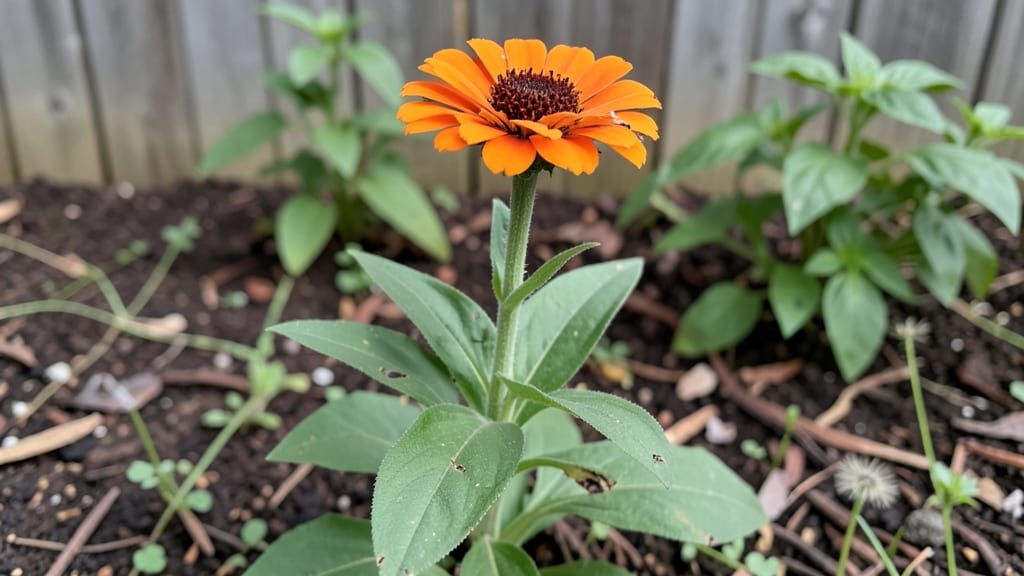
Growing orange zinnias from seed delivers sun-drenched blooms that turn heads all summer long. 🌻 I’ve grown them for years, and these fiery flowers are the easiest way to add instant color to any garden—no fancy tricks required.
The secret lies in their love for heat and full sun, which makes them perfect for hot climates or sunny patches where other flowers wilt.
You’ll need just three things to get started: zinia seeds, well-draining soil, and a sunny spot with at least 6 hours of direct sunlight daily. Plant seeds directly in the ground after the last frost, or start indoors 4-6 weeks before transplanting.
Once established, these plants are drought-tolerant and thrive with minimal fuss—just deadhead spent blooms to encourage more flowers.
What you’ll end up with is a nonstop parade of bright orange blooms from midsummer until frost. The flowers attract pollinators like crazy, and their bold color stands out against green foliage or in mixed borders.
With the right care, you’ll have cutting-garden-worthy stems that last for days in a vase.
Works just as well in containers as in garden beds, and they’re tough enough for beginners. Here’s how to keep them looking their best all season—no guesswork involved.
📚 In This Guide
- What you need
- Instructions
- Tips and common mistakes
- Wrapping up and next steps
What you need
- ● Orange Zinnia Seeds: Choose Zinnia elegans varieties like ‘Benary’s Giant’ or ‘Crystal’ (1 packet = ~50 seeds).
- ● Well-draining potting mix: 5–10 lbs (for containers) or enrich your garden soil with compost.
- ● Containers or garden bed: Containers: 6–8" deep pots (1–2 seeds per pot).
- ● Garden bed: Full sun (6+ hours/day) with loose, fertile soil.
- ● Watering can or hose: With a gentle spray nozzle for seedlings.
- ○ Fertilizer (optional): Balanced 10-10-10 or organic options like fish emulsion (mix 1 tbsp per gallon of water).
- ● Slow-release granules (follow package rates).
- ○ Gloves (optional): To protect hands from prickly stems.
- ● Hand trowel or small shovel: For transplanting seedlings.
- ○ Pruners (sterilized): Sharp scissors for deadheading (optional but recommended!).
- ○ Mulch (optional): Straw or shredded leaves to retain moisture.
- ○ Sunlight tracker (optional): To monitor 6+ hours of direct sun daily.
Step-by-Step guide to growing stunning orange zinnias
Here’s how to coax those vibrant orange blooms from seed to full, heat-loving glory.
🌱 Step 1: Start Seeds Indoors or Direct-Sow After Frost
Zinnias thrive in warm soil, so I recommend direct-sowing after your last frost date when soil reaches 60°F. If you prefer starting indoors, plant seeds 6-8 weeks before transplanting, using 2-3 inch deep biodegradable pots filled with sterile seed-starting mix. Press seeds ¼ inch deep—they need light to germinate, so don’t bury them too deeply.
Keep the soil consistently moist (not soggy) and maintain warmth at 70-75°F using a heat mat if needed. Germination takes 7-14 days, depending on temperature. Once seedlings have 2-3 true leaves, they’re ready for outdoor hardening. Here’s the thing—zinnias hate being transplanted, so if you start indoors, use individual pots to avoid root disturbance.
☀️ Step 2: Choose the Sunniest Spot in Your Garden
Zinnias demand full sun—at least 6-8 hours daily—for those bold orange blooms. I always pick the warmest, most exposed spot in my garden, even if it means sacrificing a shadier perennial bed. Amend the soil with compost to improve drainage, as zinnias despise soggy roots.
Space seedlings 12-18 inches apart to allow airflow and prevent fungal diseases like powdery mildew. Thin crowded seedlings immediately—don’t let them compete. You’ll know they’re happy when stems thicken and leaves develop a deep green hue. Watch for leggy growth if light is insufficient; this means they’re stretching toward the sun.
💧 Step 3: Water Deeply but Infrequently
Zinnias are drought-tolerant once established, but consistent moisture is key during germination and early growth. Water deeply at the base every 2-3 days until seedlings are 4-6 inches tall, keeping soil 1-2 inches moist but not waterlogged. Overhead watering encourages mildew, so use a soaker hose or water at the soil line.
Once blooms appear, reduce watering to once weekly unless your area experiences extreme heat. Let the top 1-2 inches of soil dry out between waterings—this triggers deeper root growth and stronger stems. You’ll see wilting in afternoon heat, but zinnias bounce back quickly if roots aren’t waterlogged.
✂️ Step 4: Deadhead and Prune for Continuous Blooms
Here’s the secret to nonstop orange blooms: deadhead spent flowers weekly. Snip off faded blooms just above the next set of leaves with clean bypass pruners. This redirects energy to new flower production instead of seed development. I do this every 3-4 days during peak bloom to keep my zinnias looking fresh.
For taller varieties, pinch back the main stem when seedlings are 6 inches tall to encourage bushier growth. Remove any leggy or weak stems at the base to improve airflow. Avoid heavy pruning—zinnias bloom best when lightly trimmed. You’ll notice new buds forming within 5-7 days of deadheading, signaling the plant’s vigor.
🌿 Step 5: Protect from Pests and Diseases
Zinnias attract aphids and Japanese beetles, but a neem oil spray applied every 2 weeks keeps them at bay. I also interplant with marigolds to deter pests naturally. Watch for powdery mildew on leaves—this appears as white, dusty patches. Improve airflow by spacing plants properly and avoid overhead watering.
If mildew appears, spray leaves with a baking soda solution (1 tsp baking soda + 1 quart water + a drop of dish soap) every 5 days until cleared. Remove severely infected leaves immediately. Healthy zinnias develop thick, glossy leaves—any yellowing or spotting means action is needed. With proper care, your zinnias will reward you with 4-6 weeks of continuous blooms.
Tips & tricks for perfect orange zinnia blooms
These simple yet game-changing tips will help you cultivate those vibrant orange zinnias with confidence, avoiding common pitfalls that can sabotage your garden's beauty.
Soil Temperature Secret: The 60°F soil temperature mentioned in Step 1 is non-negotiable for germination. Use a soil thermometer to verify—cold soil delays sprouting or causes uneven germination. If your spring soil runs cooler, consider a black plastic mulch to warm it up faster. I've seen germination times stretch to 21 days in cooler conditions when the soil didn't reach this critical threshold.
Light Requirements: Those 6-8 hours of full sun are essential for vibrant orange blooms, but quality matters more than quantity. Morning sun paired with afternoon shade works better than intense midday heat in some climates. If your garden lacks full sun, consider container growing where you can move plants to follow the sun's arc throughout the day.
Pruning Technique: When pinching back stems at 6 inches in Step 4, focus on the main stem just above a set of leaves. This encourages bushier growth by stimulating lateral shoots. Use clean scissors or pruners—dull tools can crush stems and invite disease. I've found that making cuts at a 45-degree angle helps water run off better, reducing rot risk.
Pest Prevention: The neem oil spray mentioned in Step 5 works wonders, but timing is everything. Apply it in the early evening when bees and beneficial insects are less active. Mix the solution fresh each time—neem oil loses effectiveness after about a week. For severe infestations, I've had success with insecticidal soap as a follow-up treatment, applied every 3-4 days until pests clear.
Pro Tips for Orange Zinnia Flower
- These simple yet game-changing tips will help you cultivate those vibrant orange zinnias with confidence, avoiding common pitfalls that can sabotage your garden's beauty.
- Soil Temperature Secret: The 60°F soil temperature mentioned in Step 1 is non-negotiable for germination.
- Light Requirements: Those 6-8 hours of full sun are essential for vibrant orange blooms, but quality matters more than quantity.
Frequently asked questions
Got questions about growing orange zinnia flowers? You’re not alone! Here are answers to the most common queries—whether you’re a first-time gardener or a seasoned pro looking to troubleshoot.
How long does it take for orange zinnias to bloom after planting?
With proper care, orange zinnias typically bloom 6–8 weeks after sowing seeds (or 4–6 weeks if started indoors). For faster results, opt for transplants—just ensure they’re hardened off before moving outdoors. Pro tip: Deadhead spent blooms to encourage nonstop summer-long color!
Do orange zinnias need full sun, or can they grow in partial shade?
While zinnias love full sun (6+ hours daily), they can tolerate partial shade (4–6 hours) in hot climates—just expect fewer, smaller blooms. In shadier spots, prioritize well-draining soil and consistent watering. Warning: Stems may weaken in low light, making them prone to flopping.
What pests or diseases commonly affect orange zinnias, and how do I prevent them?
Watch for aphids, spider mites, and whiteflies (suck sap) or powdery mildew (white fungus) in humid conditions. Prevention tips:
- Spray plants with neem oil weekly.
- Space zinnias 12–18 inches apart for airflow.
- Avoid overhead watering to deter mildew.
Can I grow orange zinnias in containers, and what’s the best pot size?
Zinnias thrive in containers with 5+ gallon pots (or larger for multiple plants). Use a well-draining potting mix and place pots in full sun. Add a time-release fertilizer at planting for extra vigor. Bonus: Container-grown zinnias are easier to rotate for even sunlight exposure!
What are some easy alternatives to orange zinnias for hot, dry climates?
If zinnias struggle in your heat, try these drought-tolerant, sun-loving bloomers:
Flower
Color
Care Level
Lantana
Yellow, orange, pink
Low (drought-resistant)
Gaillardia (Blanket Flower)
Red, yellow, orange
Easy (self-cleans)
Portulaca (Moss Rose)
Orange, pink, magenta
Very low (succulent-like)
Wrapping up and next steps
Growing orange zinnia flowers is a rewarding journey that brings vibrant color and life to your garden—especially in warm climates! With the right soil, sunlight, and care, these heat-loving blooms will flourish, offering months of cheerful beauty.
Whether you're a seasoned gardener or just starting out, the key is patience and a little love. 🌻
Ready to dive in? Start small—plant a few seeds or seedlings this week and watch your garden transform! For even more tips, explore our gardening resources or share your progress with fellow plant enthusiasts. Happy growing! 🌱