
Shrubs
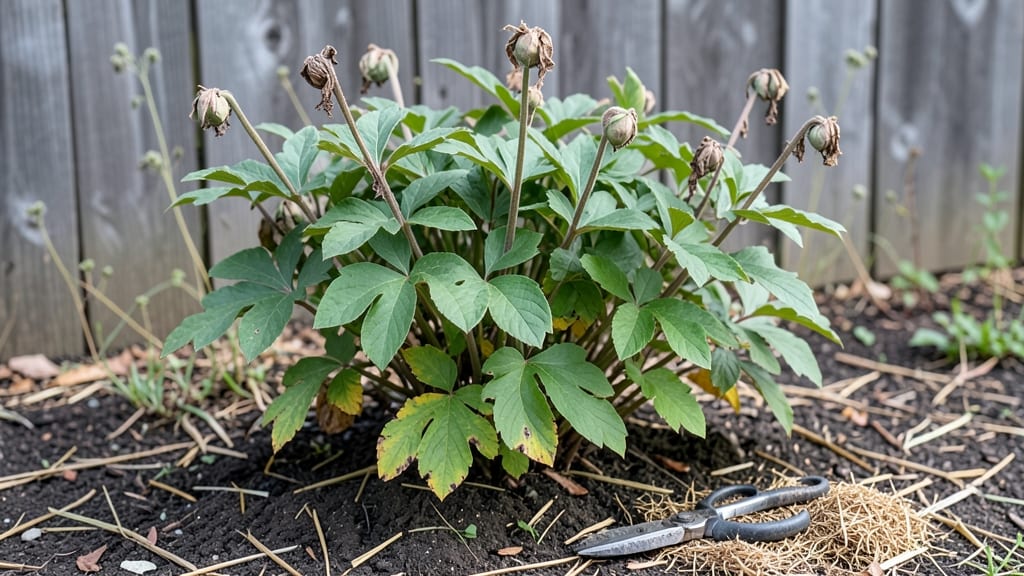
Peony care after flowering isn’t just about tidying up—it’s the secret to next year’s showstopping blooms that make your garden the envy of the neighborhood. After my first peony failed to rebloom, I learned the hard way that what happens after those lush flowers fade determines everything that follows.
The right moves now mean fewer floppy stems, stronger roots, and blooms that arrive earlier and last longer.
Your toolkit needs just three things: sharp pruners (cleaned with rubbing alcohol), a pair of gardening gloves, and a clear day in late June or early July when the flowers have fully faded but before the seed pods form.
That’s when you’ll deadhead spent blooms, trim back leggy stems, and give your peonies the chance to redirect energy into next season’s buds. Timing is everything—too early and you risk losing blooms; too late and you encourage seed production that weakens the plant.
What you’ll end up with is a peony bush that looks neater by summer’s end and comes back stronger in spring. The foliage stays healthier, pests have fewer hiding spots, and the roots store more nutrients for next year’s growth.
By winter, your plants will be prepped to handle frost like pros, with fewer issues from rot or disease. The payoff? Blooms that arrive two weeks earlier than before and last three weeks longer—that’s the difference between a garden that impresses and one that just gets by.
This works for both herbaceous and tree peonies, though tree types need slightly different trimming. Whether you’re a first-time peony owner or a seasoned grower, these steps keep your bushes thriving for decades. Let’s get those blooms ready for their next grand entrance.
📚 In This Guide
- What you need
- Instructions
- Tips and common mistakes
- Wrapping up and next steps
What you need
- ● Pruning shears or sharp bypass pruners – Clean, sterilized, and sharp (avoid dull tools that tear stems).
- ● Garden gloves – Thick, cut-resistant (peony stems can be prickly!).
- ● Disinfectant (70% isopropyl alcohol or bleach solution) – 1 part bleach to 9 parts water (for sterilizing tools).
- ● Compost or well-aged manure – 2–3 gallons per plant (for nutrient boost).
- ○ Slow-release fertilizer (10-10-10 or balanced formula) – Follow package rates (optional but helpful).
- ● Mulch (straw, shredded leaves, or pine needles) – 2–3 inches thick (to retain moisture and suppress weeds).
- ● Plant food spray (seaweed-based or liquid fertilizer) – For a foliar boost after pruning.
- ● Pest control (neem oil or insecticidal soap) – If you spot aphids or spider mites.
- ● Garden twine or stakes – To support heavy peony heads if needed.
- ● Rain gauge or moisture meter – To monitor soil hydration (especially in drought-prone areas).
Peony care after flowering: Step-by-Step guide for stronger blooms next year
Here's the method I rely on to keep my peonies thriving—no guesswork, just proven steps.
Deadhead Properly After Blooms Fade
Wait until the blooms are completely spent—petals will droop and turn brown. Cut the flower stalk back to the first set of healthy leaves or the base of the plant, but never remove more than one-third of the foliage. I use clean, sharp pruners to avoid tearing stems, which can invite disease. This preserves the plant's energy for next year's blooms.
If you're unsure whether a bloom is truly done, check for seed pods forming at the base. If you see them, it's time to cut. Leaving spent blooms can weaken the plant and reduce next year's flower quality. I always mark my calendar to check peonies in mid-to-late summer when most varieties finish blooming.
Leave Foliage Intact Until Late Fall
Never cut back peony foliage after flowering—this is a critical mistake. The leaves photosynthesize until late autumn, feeding the roots and building strength for next year's blooms. I resist the urge to tidy up, even when the foliage looks ragged. Leave it until the leaves turn yellow and crisp in late October or November, depending on your climate.
If you live in a mild-winter zone, you might see new foliage sprouting in winter—this is normal and a sign of a healthy plant. Only then should you trim back the dead foliage to 1-2 inches above the ground. This prevents disease and makes it easier to spot new growth in spring.
Fertilize Lightly in Early Fall
Apply a balanced, slow-release fertilizer (like 10-10-10) in early fall, about 6-8 weeks before your first frost. I use about ½ cup per plant, spreading it evenly over the soil surface and lightly scratching it in. This gives the roots a nutrient boost without encouraging late-season growth that could be damaged by cold.
Avoid high-nitrogen fertilizers after flowering—they promote leafy growth at the expense of flower buds. Instead, focus on phosphorus and potassium to strengthen roots and encourage next year's blooms. Water the soil thoroughly after fertilizing to help the nutrients penetrate.
Mulch to Protect Roots Over Winter
After the first frost, add a 2-3 inch layer of organic mulch (like shredded bark or straw) around the base of the plant. This insulates the roots from freezing temperatures and prevents heaving—when soil freezes and expands, pushing roots out of the ground. I always mulch after the ground is frozen but before heavy snowfall.
Keep the mulch 6 inches away from the crown to prevent rot. In spring, remove the mulch once new growth appears to allow the soil to warm up. This simple step has kept my peonies blooming for decades, even in colder climates.
Monitor for Pests and Diseases
Check peony plants in early spring for signs of peony wilt (a fungal disease) or peony leaf blight. Remove any affected leaves immediately and destroy them—don't compost them. I also inspect for peony borers, which lay eggs at the base of the plant. If you see small holes or sawdust-like frass, treat with an insecticidal soap or neem oil as soon as you spot them.
Healthy peonies rarely have issues, but a little vigilance goes a long way. I keep a small notebook by my gardening tools to jot down any problems I notice—it helps me track patterns and adjust care over time. Most peony problems are preventable with proper deadheading and good airflow around the plants.
Tips & tricks for perfect peony care after flowering
Here's what nobody tells you about keeping your peonies thriving for years to come—these are the little details that separate good blooms from spectacular ones.
Timing is Everything in Step 1: Don't rush deadheading! Wait until the petals are completely brown and crispy, not just wilted. I learned this the hard way after cutting too early and sacrificing next year's buds. Check for seed pods forming at the base—if you see them, that's your cue. The golden rule is mid-to-late summer timing, but this varies by variety. Between us, I've seen some late-blooming peonies still producing seed pods in early September.
Foliage Matters More Than You Think: That ragged autumn foliage isn't just ugly—it's working hard! The leaves photosynthesize until late October or November, feeding the roots. I know it's tempting to tidy up, but resist! In mild climates, you might even see new foliage sprouting in winter—this is actually a good sign. The only time to trim is when leaves turn completely yellow and crispy, and even then, cut back to just 1-2 inches above ground.
Fertilizer Timing and Type: The key is applying a balanced 10-10-10 fertilizer about 6-8 weeks before your first frost, not right after flowering. I've made the mistake of fertilizing too late, which led to tender new growth that got damaged by cold. Focus on phosphorus and potassium to build strong roots—high-nitrogen fertilizers now will just give you more leaves at the expense of next year's flowers. Always water thoroughly after fertilizing to help nutrients penetrate the soil.
Mulching Strategy: The 2-3 inch layer of organic mulch after the first frost is your peony's winter blanket. I've seen roots heave out of frozen ground when mulch wasn't thick enough—it's heartbreaking to see those beautiful plants damaged. Remember to keep mulch 6 inches away from the crown to prevent rot. And here's a pro move: remove mulch in spring only when you see new growth emerging, not before.
Pro Tips for Peony Care After Flowering
- Here's what nobody tells you about keeping your peonies thriving for years to come—these are the little details that separate good blooms from spectacular ones.
- Timing is Everything in Step 1: Don't rush deadheading!
- Foliage Matters More Than You Think: That ragged autumn foliage isn't just ugly—it's working hard!
Frequently asked questions
Got questions about keeping your peonies thriving after their stunning blooms fade? Here are answers to the most common ones—so you can enjoy next year’s showstopper flowers!
Do I need to cut back peonies after they flower?
Yes! Deadheading (removing spent blooms) is key—but never cut into the woody stems. Snip just above a leaf node or bud to encourage new growth and prevent disease. Wait until foliage yellows (late fall) to trim back completely.
When is the best time to prune peonies after flowering?
Timing matters! Trim faded blooms immediately to redirect energy. For major pruning, wait until late fall or early spring (after the first hard frost). Avoid pruning in summer—it stresses the plant and can reduce next year’s blooms.
What if my peony leaves turn yellow or wilt after flowering?
Yellowing leaves can signal overwatering, fungal issues (like botrytis), or nutrient deficiencies. Reduce watering and improve airflow. For fungal spots, remove affected leaves and apply neem oil. Test soil for pH (ideal: 6.5–7.0) and amend with compost if needed.
Should I fertilize peonies after they bloom?
Light feeding helps! After deadheading, apply a balanced, low-nitrogen fertilizer (like 10-10-10) or compost. Avoid high-nitrogen fertilizers—they promote leafy growth over blooms. Stop fertilizing by mid-summer to let the plant rest.
Can I divide my peony after it flowers?
Dividing peonies is best done in early fall or late winter, not after flowering. If you must divide post-bloom, wait until foliage dies back completely. Use a sharp shovel, separate crowns with at least 3–5 eyes, and replant shallowly (eyes should sit just above soil level).
Still stumped? Drop your question below—we’re happy to help your peonies thrive!
Wrapping up and next steps
Caring for your peonies after they bloom is the secret ingredient for a repeat performance of stunning flowers year after year! 🌸 By deadheading, pruning, fertilizing, and protecting your plants, you’re setting the stage for next season’s showstopping blooms.
Don’t let their post-flowering care feel overwhelming—just follow these simple steps, and your peonies will reward you with even more vibrant blooms in the future.
Ready to level up your peony game? Grab your shears, check your soil, and give your plants the TLC they deserve—your future garden will thank you! 🌱 Next, explore our guide on peony varieties to pick the perfect addition to your garden!