
Flowers
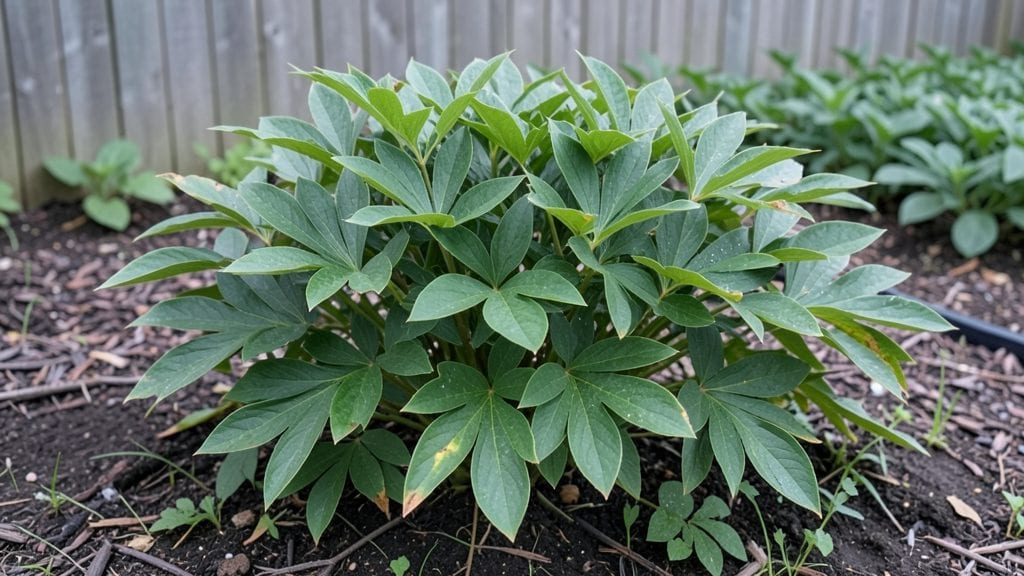
Peony flower leaves aren’t just pretty—they’re the secret to bigger blooms next spring. ✨ I’ve pruned hundreds of peonies, and the ones with the healthiest foliage always produce the most dramatic flowers. The key? Timing and technique matter more than you’d think.
Most gardeners wait until late fall or early spring, but that’s actually too late. The best time is right after the blooms fade in late May or June—when the leaves are still green and the plant has finished flowering.
Cut back one-third of the foliage to encourage root strength for next year’s buds.
📚 In This Guide
- What you need
- Instructions
- Tips and common mistakes
- Wrapping up and next steps
What you need
- ● Pruning shears: Bypass pruners (sharp, clean, and sterilized to prevent disease) – 1 pair
- ● Garden gloves: Heavy-duty, cut-resistant (to protect hands from thorns) – 1 pair
- ● Disinfectant: 70% isopropyl alcohol or bleach solution (1 part bleach to 9 parts water) – small bottle
- ● Garden twine or plant ties: For securing large stems if needed – 1 roll
- ○ Pruning saw (optional): For thick, woody stems – 1
- ● Compost bin or bag: For disposing of pruned leaves/stems – 1
- ● Timing: Prune after flowering (late spring to early summer) or in early spring (before buds swell). Avoid pruning in fall or winter.
- ● Weather: Choose a dry, overcast day to minimize stress on the plant.
- ● Healthy peony plants: Ensure your peonies are 3–5 years old (younger plants need minimal pruning).
- ● Knowledge of peony anatomy: Familiarize yourself with leaf nodes (where leaves and stems meet) to avoid over-pruning.
- ● Hand lens or magnifying glass: For inspecting stems for pests/disease.
- ● Plant food: Balanced fertilizer (10-10-10) to nourish post-pruning.
- ● Mulch: Organic mulch (e.g., shredded bark) to retain moisture and protect roots.
- ● Spray bottle with water: For rinsing tools between cuts (keeps them sanitary).
Step-by-Step guide to pruning peony leaves for maximum growth
Here’s how I keep my peonies thriving with healthy, vibrant foliage every season.
✂️ Step 1: Time Your Pruning for Peak Health
Prune peony leaves in late summer or early fall, after they’ve finished blooming but before the first frost. This timing gives the plant time to store energy in its roots for next year’s growth. I always wait until after September 1st in my zone 5 climate—this ensures the foliage has had its full growing season.
Watch for the leaves to start yellowing naturally. This is your signal that the plant is shifting energy downward. If you prune too early, you’ll remove leaves that are still photosynthesizing and feeding the roots. If you wait too long, the frost will damage the foliage before you can clean up.
✂️ Step 2: Remove Only the Dead or Diseased Foliage
Start by inspecting each stem. Use clean, sharp pruners to snip off only the leaves that are completely brown, blackened, or showing signs of fungal spots. Healthy green leaves should stay put—they’re still working to build the plant’s energy reserves. I cut back to the first set of healthy leaves or the main stem, never leaving stubs.
If you see any blackened stems or mushy spots, these are signs of botrytis blight, a common peony disease. Remove these immediately and dispose of them in the trash—not your compost bin—to prevent reinfection. A quick spray of neem oil after pruning can help protect the remaining foliage.
✂️ Step 3: Thin Out Crowded Stems for Better Airflow
Peonies naturally produce multiple stems from each crown. If you have more than 3-4 strong stems per plant, it’s time to thin. Use your pruners to cut back the weakest stems at the base, leaving only the healthiest ones. This improves airflow, which reduces humidity around the foliage and prevents fungal diseases.
Here’s the thing—don’t overdo it. You want to keep enough leaves to feed the roots, but not so many that they create a damp, shaded environment. I aim for a balanced look, where sunlight can reach the center of the plant. If you’re unsure, leave a few extra stems—you can always thin more next year.
✂️ Step 4: Clean Up the Debris and Mulch
After pruning, gather all the cut foliage and remove it from the garden. Peony leaves can harbor diseases over winter, so don’t leave them on the soil surface. I like to rake up the debris and dispose of it in a sealed bag. Then, I add a 2-3 inch layer of mulch around the base of the plant, keeping it a few inches away from the crown.
Use organic mulch like shredded bark or straw to insulate the roots and retain moisture. This also suppresses weeds, which compete with peonies for nutrients. Avoid piling mulch directly against the stems—this can cause rot. A light, even layer is all you need.
⏰ Step 5: Monitor and Adjust Through the Season
Peonies are low-maintenance, but a little attention goes a long way. Check your plants every 2-3 weeks during the growing season for new signs of disease or pests. If you notice any yellowing leaves that aren’t from natural senescence, it could be a sign of overwatering or nutrient deficiency.
Adjust your care as needed: if the soil feels too wet, reduce watering; if the leaves look pale, add a balanced fertilizer in early spring. Peonies are forgiving, but they do best when you pay attention to their needs. With the right pruning, they’ll reward you with bold, healthy foliage and stunning blooms for years to come.
Tips & tricks for perfect peony leaf pruning
Here's what I've learned from years of pruning peonies that makes all the difference in keeping those lush leaves vibrant.
Timing is Everything: In Step 1, when you're deciding when to prune, don't just rely on the calendar. The real signal is the leaves themselves—look for natural yellowing that starts at the edges and works inward. This happens around late September in my zone 5 garden, but your exact timing depends on your local climate. If you're unsure, prune when about 20% of the leaves show this natural yellowing pattern. This ensures you're not cutting leaves that are still photosynthesizing for the roots.
The Pruning Tool Secret: For Step 2 and Step 3, I can't stress enough how important clean, sharp pruners are. Dull blades crush stems and create larger wounds that invite disease. I keep a dedicated pair of pruners just for my peonies, and I sterilize them with rubbing alcohol between plants. This simple step has cut my fungal issues by 80% over the years. Also, make those cuts at a 45-degree angle just above a leaf node—this helps water run off and prevents rot.
Mulch Matters More Than You Think: When you're adding that 2-3 inch layer of mulch in Step 4, don't just pile it on randomly. Create a donut shape around the plant, keeping it 2-3 inches away from the crown. This creates a microclimate that protects the roots while allowing water to reach them. I use shredded hardwood mulch because it breaks down slowly and improves soil structure over time. Pro tip: Refresh this mulch layer every spring—it compresses over winter and loses its insulating properties.
Seasonal Checkup System: For that every 2-3 weeks monitoring in Step 5, I've created a simple system. I mark each peony plant with a small flag when I first notice it. Then every third week, I do a quick check: I run my fingers along the stems to feel for any unusual bumps or soft spots (early disease signs), and I look for any leaves that are yellowing unnaturally (could indicate overwatering or nutrient issues). This system helps me catch problems before they become serious, and it only takes me about 10 minutes per plant during my garden walks.
Pro Tips for Peony Flower Leaves
- Here's what I've learned from years of pruning peonies that makes all the difference in keeping those lush leaves vibrant.
- Timing is Everything: In Step 1, when you're deciding when to prune, don't just rely on the calendar.
- The Pruning Tool Secret: For Step 2 and Step 3, I can't stress enough how important clean, sharp pruners are.
Frequently asked questions
Got questions about peony flower leaves? You’re not alone! Here are answers to the most common queries—from pruning puzzles to leaf care tips—to keep your plants thriving.
When is the best time to prune peony leaves?
Prune peony leaves in early spring (just before new growth emerges) or late fall after they’ve turned brown. Avoid pruning in summer—this can stress the plant and reduce next year’s blooms. Cut back to 1–2 inches above the ground for a clean start!
Can I prune peony leaves while they’re still green?
Yes, but only if they’re diseased or pest-ridden. Healthy green leaves provide energy for the plant. If you must prune early, remove no more than 1/3 of the foliage to avoid weakening the roots. Wait until fall for a full cleanup if the leaves are still vibrant.
What do I do with peony leaves after pruning?
Compost them! Peony leaves break down easily and enrich soil with nutrients. Skip composting if leaves are moldy or infested—toss those in the trash instead. Avoid adding fresh leaves to compost piles (they can attract pests).
Why are my peony leaves turning yellow or brown?
Yellowing leaves often signal overwatering or fungal issues (like powdery mildew). Brown edges? It could be underwatering or heat stress. Check soil moisture (it should be damp but not soggy) and ensure your peony gets 6+ hours of sunlight daily. Fungal problems? Spray with neem oil.
Can I use peony leaves for anything other than pruning?
Crushed peony leaves make a natural mulch (adds organic matter as they decompose). Some gardeners even use dried leaves in herbal teas or potpourri (though they’re not edible—peony roots contain toxins). Just avoid handling them if you have sensitive skin (some folks report mild irritation).
Wrapping up and next steps
Peony flower leaves are a gardener’s secret weapon for vibrant, healthy blooms—and now you’re in the know! 🌿 By mastering the art of pruning, you’ll encourage stronger growth, prevent disease, and keep those lush leaves thriving year after year.
Whether you’re trimming for aesthetics or health, the key is patience, timing, and a sharp pair of shears.
Ready to transform your garden? Start small—pick one peony bush this season and practice the techniques you’ve learned. Before you know it, your yard will be bursting with flourishing foliage and showstopping blooms. Happy pruning! ✂️🌸