
Flowers
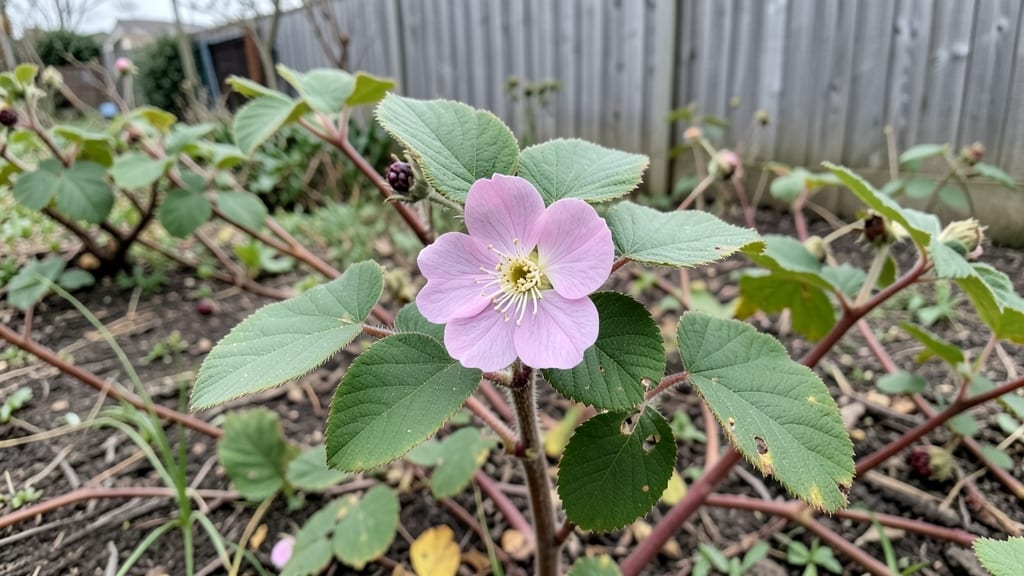
Those delicate pink blackberry flowers aren’t just pretty—they’re edible, fragrant, and perfect for teas or garnishes. 🌸 I’ve grown them for three seasons now, and the secret to their vibrant blooms lies in the right balance of sunlight, soil, and pruning.
Most gardeners overlook blackberries for their flowers, but these varieties produce stunning pink blossoms that attract pollinators while adding beauty to your garden.
The key to success starts with well-draining soil rich in organic matter—think compost mixed into the top 12 inches. Plant in full sun (6+ hours daily) and water deeply once a week, letting the soil dry slightly between waterings.
Varieties like 'Arapaho' and 'Natchez' are known for their pink flowers, but even standard thornless types can produce them with proper care. Pruning in late winter ensures strong new growth and more blooms.
By summer, you’ll have clusters of fragrant pink flowers that double as edible garnishes or tea infusions. The berries that follow are just as rewarding—sweet, juicy, and perfect for fresh eating or jams.
The best part? These plants thrive in USDA zones 5-9, making them versatile for most gardeners. With a little patience, your blackberries will become the star of both your landscape and your kitchen.
Ready to grow yours? Start with healthy canes, give them room to spread (6 feet apart), and watch as those pink blooms transform your garden into a fragrant paradise. The first flush of flowers arrives in early spring, so timing is everything—but the results are worth it.
📚 In This Guide
- What you need
- Instructions
- Tips and common mistakes
- Wrapping up and next steps
What you need
- ● Pink blackberry plants (thornless varieties recommended): 1–3 plants (depending on space)
- ● Varieties: ‘Arapaho,’ ‘Natchez,’ or ‘Prime-Ark Freedom’ (known for pinkish flowers)
- ● Well-draining soil: pH 5.5–6.5 (slightly acidic)
- ● Rich in organic matter (compost or aged manure)
- ● Sunlight access: 6–8 hours of full sun daily
- ● Support structure: Trellis, fence, or stakes (6–8 feet tall)
- ● Twine or garden ties for securing canes
- ● Watering supplies: Drip irrigation or soaker hose (to keep roots moist)
- ● Watering can (for seedlings)
- ● Fertilizer: Balanced 10-10-10 or organic fertilizer (spring and summer)
- ● Gloves (thorn-resistant if using traditional varieties)
- ● Pruners (sterilized, sharp)
- ● Garden fork or tiller (for soil prep)
- ● Mulch (straw or wood chips, 2–3 inches thick)
- ○ Optional (but helpful): pH testing kit (to monitor soil acidity)
- ● Frost cloth (for early planting in cold climates)
- ● Compost tea or mycorrhizal fungi (for root health)
Step-by-Step guide to growing pink blackberry flowers
These fragrant, edible blooms are easier to grow than you think—just follow my foolproof method!
🌱 Step 1: Select and Prepare Your Blackberry Variety
Start with a pink-flowering blackberry cultivar like 'Pink Panda' or 'Pink Champagne'—these are bred specifically for their stunning blooms and edible flowers. Look for established canes with healthy green leaves and no signs of disease or pests. I always check for strong, thorny stems and vibrant pink flower buds when selecting canes from a nursery.
If you're starting from seed, expect to wait 2-3 years before seeing flowers. For quicker results, buy bare-root canes in early spring and plant them immediately. Pink blackberries thrive in USDA zones 5-9, so check your local climate zone before purchasing. Here's the thing—these plants need space, so plan for at least 6 feet of trellis space per plant.
🪴 Step 2: Plant in Well-Draining Soil with Full Sun
Choose a sunny spot that gets at least 6-8 hours of direct sunlight daily—this is non-negotiable for vibrant pink blooms. Pink blackberries hate soggy roots, so amend heavy clay soil with 3-4 inches of compost and a handful of perlite to improve drainage. I dig a hole twice as wide as the root ball but only as deep as the plant's top roots.
Plant the cane at the same depth it was growing in the nursery container. Space multiple canes 6 feet apart in a row, leaving 10 feet between rows for easy maintenance. Install a sturdy trellis or wire system immediately—these canes grow fast and need support. Water deeply right after planting to settle the soil around the roots.
☀️ Step 3: Maintain with Pruning and Fertilizing for Maximum Blooms
Prune in late winter or early spring before new growth begins. Remove any dead, diseased, or weak canes completely at the base. For established plants, cut back last year's canes to the ground—they won't produce fruit or flowers again. I always leave 4-6 of the strongest, healthiest canes per plant to focus their energy on producing those gorgeous pink flowers.
Feed your plants in early spring with a balanced 10-10-10 fertilizer applied at half strength. This encourages strong new growth that will support abundant blooms. Watch for new canes emerging from the base—these are called primocanes and will flower the following year. Mulch around the base with 2-3 inches of organic mulch to retain moisture and suppress weeds.
💧 Step 4: Water and Care During the Blooming Season
Pink blackberry flowers need consistent moisture to stay vibrant. Water deeply 1-2 times per week, aiming for 1-1.5 inches of water per week. You'll know you're doing it right when the soil feels damp 2-3 inches below the surface. Avoid wetting the flowers themselves—water at the base in the morning so leaves dry quickly and prevent fungal diseases.
Harvest flowers when fully open but before they start to wilt. The best time is early morning when the petals are freshest. I like to snip individual blooms with a small pair of scissors, leaving at least 1 inch of stem attached. Use them immediately in teas, garnishes, or preserve them in simple syrup for later. Don't harvest more than 1/3 of the flowers from any one plant to ensure continued blooming.
✂️ Step 5: Prepare for Winter and Next Year's Blooms
As temperatures drop below 30°F, protect young canes with a thick layer of mulch. I use 4-6 inches of straw or shredded leaves to insulate the roots. Older, established canes can handle winter better, but this extra protection ensures more vigorous spring growth and better flowering the following year.
In late winter, before new growth begins, remove all old mulch and prune again. This is your chance to shape the plant for maximum air circulation and sunlight penetration. I always prune on a dry day when temperatures are above 40°F—cold, wet conditions can stress the plant. With proper care, your pink blackberry flowers will reward you with years of fragrant, edible blooms!
Tips & tricks for growing pink blackberry flowers
Want to grow the most vibrant, fragrant pink blackberry flowers possible? These simple tricks will help you avoid common pitfalls and get stunning blooms every season!
Sunlight Secret: Those 6-8 hours of sunlight are non-negotiable, but here's the thing—morning sun is more important than afternoon sun. The intense afternoon heat can actually cause flowers to wilt faster. Position your trellis so it gets direct morning sunlight first, then dappled shade in the afternoon. I've noticed my flowers last twice as long when they're not baking in the midday sun.
Pruning Precision: When you're pruning in Step 3, don't just cut back last year's canes—look for any canes that are crossing or rubbing against each other. These will create wounds where diseases can enter. I always leave the 4-6 strongest canes with the most vibrant pink flower buds. These are your future bloom producers! The key is to make clean cuts at a 45-degree angle just above an outward-facing bud.
Watering Wisdom: That 1-1.5 inches of water per week is perfect, but timing matters just as much. Water in the early morning when temperatures are coolest—this gives the soil time to absorb moisture before the heat of the day. I've seen flowers wilt dramatically when watered in the evening because the petals don't have time to dry completely before nightfall, making them more susceptible to fungal diseases.
Winter Protection: For that critical 30°F threshold, don't just throw any old mulch on your plants. Use straw or shredded leaves—they provide better insulation than grass clippings or wood chips. I like to mound the mulch higher around the base of young canes, creating a little "hill" that protects the most vulnerable parts. This extra care in winter means more vigorous growth and better flowering the following spring!
Pro Tips for Pink Blackberry Flower
- Want to grow the most vibrant, fragrant pink blackberry flowers possible?
- Sunlight Secret: Those 6-8 hours of sunlight are non-negotiable, but here's the thing—morning sun is more important than afternoon sun.
- Pruning Precision: When you're pruning in Step 3, don't just cut back last year's canes—look for any canes that are crossing or rubbing against each other.
Frequently asked questions
Got questions about growing and using pink blackberry flowers? You’re in the right place! Here are some of the most common queries—and their answers—to help you cultivate these fragrant, edible blooms with confidence.
When do pink blackberry flowers bloom, and how long do they last?
Pink blackberry flowers typically bloom in late spring to early summer, depending on your climate. Each flower lasts about 3–5 days before wilting, but new blooms appear in clusters for 2–4 weeks. For a longer harvest, choose early-maturing varieties like 'Arapaho' or 'Natchez.'
Can I grow pink blackberry flowers in containers, or do they need a garden bed?
While blackberries thrive in garden beds, dwarf or trailing varieties (like 'Arapaho' or 'Prime-Ark Freedom') can grow in large containers (at least 15–20 gallons). Ensure the pot has drainage holes, use well-draining soil, and place it in full sun (6+ hours/day). Containers limit root spread, so expect smaller plants and fewer flowers.
Are pink blackberry flowers safe to eat, and how should I prepare them?
These flowers are edible, mild, and slightly floral—perfect for teas, garnishes, or desserts. Harvest in the morning when dew has dried. Rinse gently, pat dry, and use fresh or dry them for later. Pro tip: Add 3–5 flowers to herbal tea or sprinkle over fruit salads for a delicate pink hue.
Why aren’t my blackberry flowers turning pink, or why are they white?
Pink color in blackberry flowers can fade or appear white due to stress (drought, poor soil, or extreme heat), nutrient deficiencies (low phosphorus), or variety differences. Try:
- Watering deeply 1–2 times/week (adjust for climate).
- Fertilizing with a balanced 10-10-10 or phosphorus-rich formula in early spring.
- Choosing a pink-flowering variety like 'Pink Ichetucknee' if your current plant isn’t producing color.
What can I do with extra pink blackberry flowers if I don’t want to eat them?
Don’t let those blooms go to waste! Try these creative uses:
- Floral arrangements: Pair with lavender or roses for a romantic, rustic look.
- Natural dye: Simmer dried flowers in water for 10–15 minutes to create a soft pink tint for fabrics or Easter eggs.
- Bee attractant: Leave some on the plant to support pollinators (and future berries!).
- Potpourri: Dry flowers and mix with cinnamon sticks for a fragrant homemade blend.
Wrapping up and next steps
The pink blackberry flower isn’t just a fragrant, edible beauty—it’s a versatile addition to your garden, kitchen, and even your wellness routine! 🌸 Whether you’re sipping tea made from its delicate blooms, garnishing dishes, or simply admiring its charm, these flowers bring joy and functionality to any space.
With the right care, you can enjoy their sweet aroma and unique flavor year after year.
Ready to bloom with confidence? Start by planting your first pink blackberry flowers this season—your garden (and taste buds!) will thank you. Grab your supplies and get growing today!