
Flowers
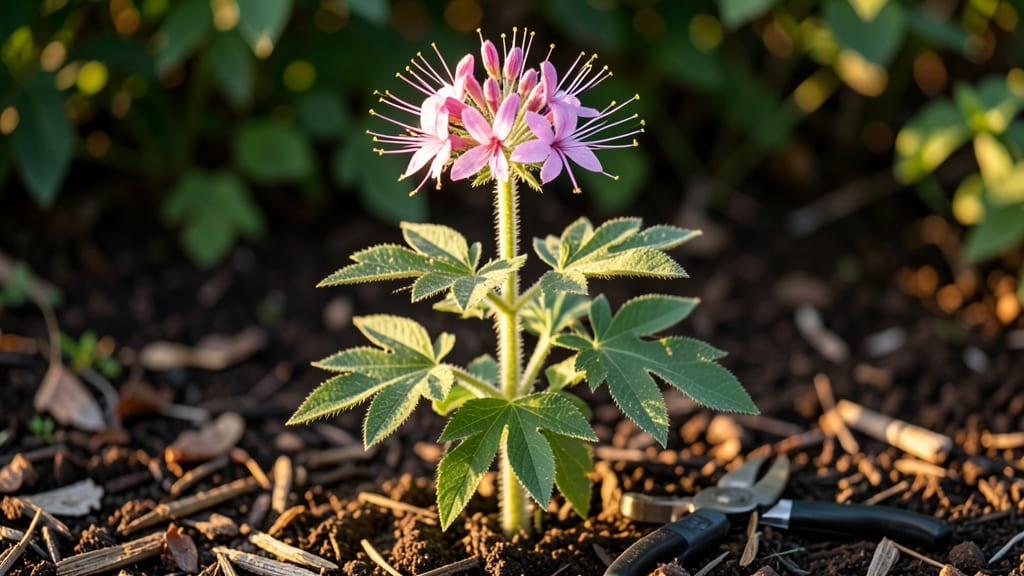
The Pacific Northwest's towering pink cleome flowers are a hummingbird magnet with their spidery blooms and airy, 6-foot stalks. 🌸 I fell in love with them the first time I saw one swaying in a summer breeze—like nature's own wind chime, but edible for pollinators.
These aren't your average annuals; they thrive in our damp, mild climate when most flowers wilt.
They demand nothing fancy—just well-draining soil, a spot with morning sun and afternoon shade, and consistent moisture (not soggy). The real secret? Planting them after the last frost but before July heat sets in.
Too much sun bleaches their petals, and too little water makes stems flop like overcooked noodles.
What you get is a dramatic vertical display that blooms from mid-summer to frost, with flowers that last just one day but produce hundreds of replacements. Hummingbirds will hover like helicopters, and your neighbors will ask how you grew such whimsical, storybook-worthy plants.
Works in containers too—just give them 5-gallon pots and a sturdy stake. The only downside? They self-seed aggressively, which means more free flowers next year (or a future garden takeover).
📚 In This Guide
- What you need
- Instructions
- Tips and common mistakes
- Wrapping up and next steps
What you need
- ● Pink cleome seeds: 10–20 seeds (choose a variety like ‘Violet Queen’ or ‘Senator’ for vibrant pink blooms).
- ● Well-draining potting mix: 1–2 gallons (look for a blend labeled for annuals or wildflowers).
- ● Containers or garden bed: Containers: 4–6-inch pots (1 per seedling) or a shared tray with drainage holes.
- ● Garden bed: Full sun (6+ hours/day) with loose, rocky soil (cleomes hate soggy roots!).
- ● Watering can or hose with a gentle nozzle: For consistent moisture without over-saturating.
- ○ Gloves (optional): To protect hands from seed coatings or prickly stems.
- ● Plant labels: Small stakes or markers to track varieties (cleomes self-seed easily!).
- ○ Fertilizer (optional): Balanced liquid fertilizer (10-10-10) or compost tea for a nutrient boost.
- ● Pro tip: Cleomes are light feeders—over-fertilizing can reduce blooms! 🌡️
- ● Pruners (for later): Sharp bypass pruners to trim dead blooms and encourage new growth.
Step-by-Step instructions for growing pink cleome flowers
Here's how to cultivate these striking, towering blooms that thrive in the Pacific Northwest's cool climate.
🌱 Step 1: Select the Right Location and Prepare the Soil
Pink cleome loves full sun to partial shade, making it perfect for Pacific Northwest gardens where afternoon shade helps prevent heat stress. Choose a spot with at least 4-6 hours of sunlight daily, ideally with morning sun and afternoon shade in hotter microclimates. The soil should drain well—cleome hates soggy roots—but doesn't need rich amendments. Amend heavy clay with 1-2 inches of compost to improve aeration, but avoid overly fertile soil, which encourages leafy growth over flowers.
Test your soil's drainage by digging a 6-inch deep hole and filling it with water. If it drains completely within an hour, your site is ready. If water pools at the bottom after 24 hours, raise the planting area with a mound of native soil or add 10% perlite or coarse sand to improve drainage. Cleome's deep taproot means it thrives in lean, well-drained conditions—don't overdo the fertilizer.
🌱 Step 2: Plant Seeds Directly in Spring After Frost
Cleome seeds germinate best when planted directly in the garden after the last frost date, typically 2-4 weeks before your average last frost in the Pacific Northwest. Sow seeds ¼ inch deep, spacing them 12-18 inches apart to accommodate their mature height of 4-6 feet. Planting too close leads to crowded, leggy stems and fewer blooms. I like to plant in small clusters of 3-4 seeds to create natural drifts while maintaining air circulation.
Water gently after planting to settle the soil around the seeds, but avoid soaking—excess moisture can cause rot before germination. Place a small stake or label near each cluster to track planting dates, as cleome's irregular germination can leave gaps. Seeds typically sprout in 10-20 days when soil temperatures reach 60-70°F. If your spring is cool, consider using a mini greenhouse or row cover to speed up germination.
☀️ Step 3: Provide Minimal Care and Encourage Strong Growth
Once seedlings emerge, cleome is remarkably low-maintenance. Water 1 inch per week, allowing the soil to dry slightly between waterings—overwatering leads to floppy stems and powdery mildew. Mulch with 1-2 inches of straw or shredded leaves to retain moisture and suppress weeds, but keep mulch 2 inches away from stems to prevent rot. Fertilizer isn't necessary, but a light application of 5-10-10 balanced fertilizer at planting can encourage early growth if your soil is particularly poor.
Watch for leggy seedlings stretching toward light, a sign they need more sun or are overcrowded. Thin seedlings to 12 inches apart if they become too crowded, using clean scissors to avoid damaging roots. Cleome's unique, balloon-like seed pods add texture even when not in bloom, so don't rush to remove them—leave some for winter interest. Deadhead spent blooms to encourage continuous flowering, but only if you want more flowers; the seed pods are charming and attract birds.
✂️ Step 4: Support Tall Stems and Prepare for Winter
As cleome grows, its 4-6 foot tall stems may need support, especially in windy Pacific Northwest sites. Install 3-4 foot tall stakes or a lightweight trellis near clusters and loosely tie stems with soft twine or old pantyhose to prevent breaking. Avoid tight ties that can girdle stems as they thicken. Cleome's stems are surprisingly sturdy, but a summer storm can snap them—support is worth the effort for a full, lush display.
In fall, cut back stems to 6 inches tall after the first frost to tidy the garden. Cleome's seed pods add winter interest, so leave some stems standing if you enjoy textural elements in your landscape. The plants will die back completely in winter but self-seed prolifically, often popping up in unexpected spots the following year. Collect seeds from mature pods in late summer for next season's plantings—cleome seeds store well for 2-3 years.
Tips & tricks for growing towering pink cleome flowers
These pro tips will help you coax the most dramatic blooms from your Pacific Northwest cleome plants with minimal effort.
Soil Drainage Secret: The 24-hour drainage test in Step 1 is crucial—cleome's deep taproot can't tolerate soggy conditions. If you're working with heavy clay, consider creating raised beds or planting on slopes where water naturally drains away. I've found that adding 10% perlite to the backfill mixture creates perfect drainage while maintaining the lean soil cleome prefers. This prevents that dreaded "soggy root" syndrome that stunts growth.
Germination Strategy: Those 10-20 days for germination can feel like forever, especially when soil temps hover around 60°F. I've had great success using clear plastic domes or even overturned clear containers over newly planted seeds to create a mini greenhouse effect. This raises soil temperature by just a few degrees, often cutting germination time by half. Just remember to remove the cover once sprouts appear to prevent fungal issues.
Sunlight Optimization: The 4-6 hours of sunlight recommendation works well, but here's the thing: cleome actually thrives with more sun in the Pacific Northwest. If your garden gets afternoon shade, try moving plants to sunnier locations as they grow. I've seen cleome reach its full 6-foot potential with 6-8 hours of sun, producing more abundant blooms. Just be mindful of heat stress in microclimates—morning sun with afternoon shade is ideal.
Support System: When installing those 3-4 foot tall stakes in Step 4, I recommend using two stakes per plant cluster rather than one. Tie the stems loosely at the base and mid-height to create a tripod effect. This prevents the plants from flopping in windy conditions while allowing natural movement. I've lost count of how many cleome plants I've seen snap in storms because they were only staked at the top.
Pro Tips for Pink Cleome Flower
- These pro tips will help you coax the most dramatic blooms from your Pacific Northwest cleome plants with minimal effort.
- Soil Drainage Secret: The 24-hour drainage test in Step 1 is crucial—cleome's deep taproot can't tolerate soggy conditions.
- Germination Strategy: Those 10-20 days for germination can feel like forever, especially when soil temps hover around 60°F.
Frequently asked questions
Got questions about growing and enjoying pink cleome flowers? You’re in the right place!
Here are some of the most common queries—and their answers—to help you cultivate these stunning, hummingbird-loving blooms with confidence.
How tall do pink cleome flowers grow, and do they need support?
Pink cleomes (also called spider flowers) typically reach 3–5 feet tall—sometimes even taller in ideal conditions! While they’re sturdy, their delicate, airy blooms can flop in wind or rain. For a polished look, plant them near a trellis, fence, or sturdy stakes, or tuck them at the back of borders. Avoid overcrowding to prevent leggy stems.
When is the best time to plant pink cleome seeds?
Cleomes thrive in warm soil, so wait until after the last frost (usually late spring in the Pacific Northwest). Direct-sow seeds ¼-inch deep in full sun, spacing them 12–18 inches apart. They germinate best in 70–80°F soil, so avoid early planting—they won’t sprout in cool conditions. Pro tip: Black plastic mulch can warm the soil faster!
Why aren’t hummingbirds visiting my pink cleome flowers?
Hummingbirds love cleomes, but a few factors might keep them away. First, ensure your flowers are fully open—they’re most attractive when blooms unfurl. Also, check for pesticides (even natural ones), which can repel pollinators. Plant cleomes near other nectar-rich flowers (like bee balm or penstemon) to create a "café" effect. Finally, patience! It may take a few days for hummers to discover your garden.
Can I grow pink cleomes in containers, or do they need a garden bed?
Cleomes adapt well to large containers (at least 12–15 inches deep) as long as they have drainage holes and room to grow. Use a light, well-draining potting mix and place them in full sun. Containers dry out faster, so water deeply every 2–3 days during dry spells. Just avoid tiny pots—they’ll struggle to support the plant’s height.
Why are my cleome leaves turning yellow or wilting?
Yellowing leaves often signal overwatering or poor drainage. Cleomes prefer dry soil between waterings—let the top inch dry out before watering again. Wilting can also mean underwatering or root rot (from soggy soil). Check for pests like aphids (they love cleomes too!) and adjust care. If the problem persists, repot in fresh, fast-draining soil.
Wrapping up and next steps
The pink cleome flower isn’t just a stunning addition to your Pacific Northwest garden—it’s a hummingbird magnet and a conversation starter! With its towering spikes and delicate blooms, this easy-to-grow beauty brings height, color, and life to any outdoor space.
Whether you’re a seasoned gardener or just starting out, adding cleome to your landscape is a rewarding way to attract pollinators and create a whimsical, cottage-core vibe.
Ready to plant your own? Grab your seeds, pick a sunny spot, and get growing—your garden (and local hummingbirds!) will thank you. 🌸🐦