
Flowers
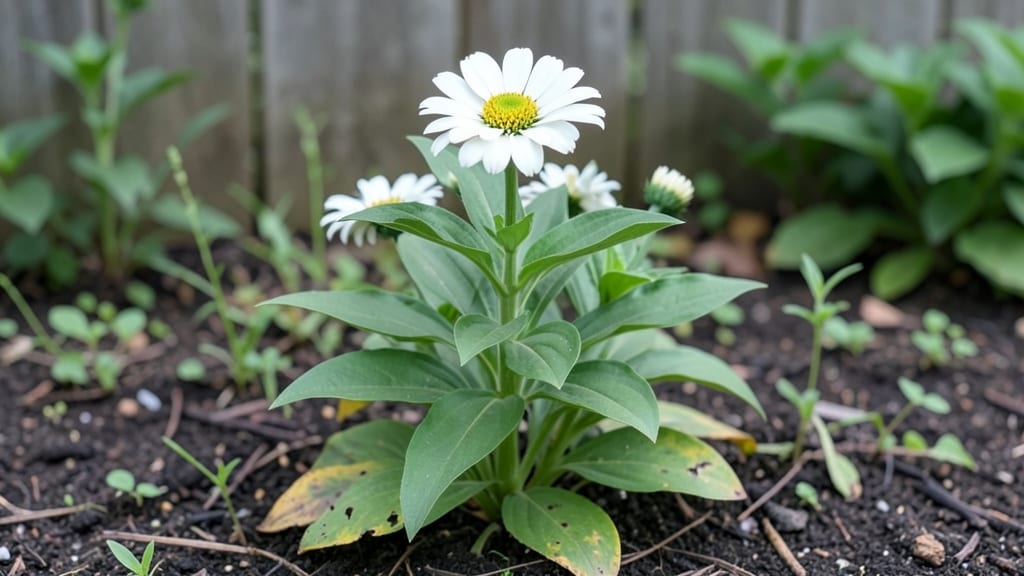
Small white annual flowers transform any garden into a hummingbird magnet—soft, fragrant, and impossible to resist. 🌿 I learned this firsthand when my cottage garden went from "pretty" to "wildlife hotspot" after adding just a few varieties.
These delicate blooms aren’t just eye candy; they’re the quiet stars of summer borders, containers, and pollinator-friendly designs.
The beauty of small white annuals lies in their effortless charm: sweet alyssum’s honeyed scent, lobelia’s trailing cascades, and statice’s papery texture. They thrive in partial shade or full sun, need minimal deadheading, and pair perfectly with bold colors like purple salvia or deep blue delphinium.
My 3-foot-wide border now buzzes with hummingbirds all afternoon—no extra work required.
You’ll create a serene, high-impact display that blooms from spring until frost. The contrast of white against green foliage makes every plant pop, while their delicate petals attract butterflies and bees. These flowers even play well with edibles—plant them near herbs or tomatoes for a fragrant, productive garden.
Perfect for cottage gardens, window boxes, or even urban balconies. Whether you’re filling gaps in your flowerbeds or designing a pollinator-friendly container, these annuals deliver low-maintenance elegance with maximum impact. Let’s get planting!
📚 In This Guide
- What you need
- Instructions
- Tips and common mistakes
- Wrapping up and next steps
What you need
- ● Seeds or seedlings: Choose from Lobelia erinus (dwarf varieties), Sweet Alyssum, Baby’s Breath (Gypsophila), or Phlox subulata (moss phlox). Aim for 20–50 seeds (or 3–5 seedlings) per square foot for dense coverage.
- ● Well-draining potting mix: 1–2 cubic feet (or enough to fill your containers). Opt for a blend labeled for annuals or flowers.
- ● Containers or garden bed: Containers: 5–10-inch pots with drainage holes (1–2 plants per pot).
- ● Garden beds: Full sun to partial shade (4–6+ hours of sunlight daily).
- ● Hand trowel (for transplanting seedlings).
- ● Spray bottle (for gentle watering of seeds).
- ○ Gloves (optional but recommended for handling soil).
- ○ Mulch or pebbles (optional, to retain moisture and suppress weeds).
- ● Fertilizer: Balanced 10-10-10 or fish emulsion (diluted to half-strength) for a nutrient boost.
- ● Hummingbird feeders (place nearby to attract pollinators!).
- ● Stakes or cages (if planting taller varieties like Baby’s Breath).
- ● Egg cartons or seed trays (for starting seeds indoors 6–8 weeks before last frost).
Step-by-Step guide to planting small white annual flowers for hummingbirds
Here's how to create a fragrant, low-maintenance pollinator paradise in just a few simple steps.
🌱 Step 1: Select and Prepare the Planting Site
Choose a location with at least 6 hours of sunlight daily—most small white annuals thrive in full sun but tolerate partial shade in hotter climates. I always test the spot by observing how much sun it gets over a week before planting. Clear the area of weeds, then loosen the soil to a depth of 6 inches with a garden fork.
For containers, select pots with drainage holes at least 6 inches deep—shallow pots dry out too quickly. Fill them with well-draining potting mix, leaving 1 inch below the rim for watering. The key here is aeration: compacted soil suffocates roots and invites fungal diseases.
☀️ Step 2: Plant at the Right Depth and Spacing
Dig holes twice as deep as the root ball and twice as wide—this encourages roots to spread outward. Place each plant gently, then backfill with soil, pressing lightly to eliminate air pockets. Space small white annuals 8-12 inches apart for optimal airflow and blooming. I tap the soil surface gently after planting to settle everything without compacting.
For seeds, follow packet instructions for depth (usually ¼ inch), but never exceed ½ inch—deeper planting delays germination. Cover seeds lightly with a thin layer of soil or vermiculite, then mist the surface with water. Watch for first true leaves in 7-14 days—this tells you germination is working.
💧 Step 3: Water Deeply and Establish a Routine
Water deeply immediately after planting to help roots establish. Let the top 2 inches of soil dry between waterings—this prevents soggy roots while encouraging deep root growth. In containers, check moisture daily; outdoor beds need watering every 2-3 days depending on rainfall. You'll know you're doing it right when the soil feels damp but not saturated.
Mulch around plants with 1-2 inches of organic mulch (like shredded bark) to retain moisture and suppress weeds. Keep mulch 2 inches away from stems to prevent rot. This step saves time and keeps flowers blooming longer—my white sweet alyssum lasts all summer with consistent mulching.
✂️ Step 4: Maintain Blooms and Attract Hummingbirds
Deadhead spent blooms weekly by pinching off faded flowers with your fingers or small pruners. This encourages continuous flowering and prevents seed formation, which diverts energy from blooms. I do this in the morning when flowers are dry—it's less messy and easier to see what you're removing.
Add a small water feature (like a shallow dish with pebbles) near your flowers—hummingbirds need water too. Place it within 3 feet of blooming plants for easy access. White flowers reflect light, making them highly visible to hummingbirds, but adding purple or red accents nearby can also attract them.
🌿 Step 5: Monitor and Adjust for Long-Term Success
Watch for yellowing leaves, which usually means overwatering or nutrient deficiency. If leaves yellow between veins, it's often iron deficiency—apply a chelated iron supplement as directed. For pests like aphids, spray plants with neem oil in the evening to avoid harming pollinators during the day.
Fertilize every 4-6 weeks with a balanced, water-soluble fertilizer (10-10-10 ratio). Dilute to half-strength to avoid burning tender roots. I always fertilize after watering—this prevents salt buildup in the soil. Stop fertilizing 6 weeks before first frost to encourage hardier growth.
Tips & tricks for planting small white annual flowers
Creating a hummingbird-friendly garden doesn't have to be complicated—these simple strategies will help you maximize blooms and attract pollinators with ease.
Sunlight Strategy: While most white annuals tolerate partial shade, the 6 hours of full sun mentioned in Step 1 is non-negotiable for optimal blooming. I've found that morning sun (especially in hot climates) prevents wilting while still providing enough light for photosynthesis. If your location gets intense afternoon sun, consider providing some afternoon shade during peak summer months to prevent leaf scorch.
Planting Depth and Spacing: The instructions mention planting holes twice as deep and wide as the root ball—this is crucial for root establishment. I like to use a small trowel to create the hole, then gently loosen the sides with my fingers to encourage roots to spread outward. For seeds, that ¼-inch depth is perfect, but if you're planting in heavier clay soil, consider mixing in some perlite to improve drainage and prevent waterlogging.
Watering Wisdom: The 2-inch dry topsoil rule between waterings is a great guideline, but I've learned to adjust based on weather. During heatwaves, I check moisture every other day, while cooler seasons might extend that to every 3-4 days. Always water at the base of plants rather than overhead to prevent fungal diseases that can plague white annuals. A drip irrigation system or soaker hose makes this maintenance nearly effortless.
Hummingbird Magnet: The white flowers' high visibility is their secret weapon, but you can supercharge their appeal by adding a small water feature within 3 feet of your plants. Hummingbirds are drawn to both nectar and water sources. I've noticed they'll even perch on nearby branches to drink from a shallow dish with pebbles—it's like watching a tiny, feathered spa day unfold right before your eyes.
Pro Tips for Small White Annual Flowers
- Creating a hummingbird-friendly garden doesn't have to be complicated—these simple strategies will help you maximize blooms and attract pollinators with ease.
- Sunlight Strategy: While most white annuals tolerate partial shade, the 6 hours of full sun mentioned in Step 1 is non-negotiable for optimal blooming.
- Planting Depth and Spacing: The instructions mention planting holes twice as deep and wide as the root ball—this is crucial for root establishment.
Frequently asked questions
Got questions about growing and enjoying small white annual flowers? You’re not alone! Here are some of the most common queries—plus quick, practical answers to help you cultivate a fragrant, hummingbird-friendly garden with ease.
What are the easiest small white annual flowers for beginners?
Start with Sweet Alyssum, Baby’s Breath, or Lobelia—they’re tough, fast-growing, and thrive in full sun or partial shade. These flowers need minimal care, making them perfect for first-time gardeners. Plus, they’ll attract pollinators in no time!
How long does it take for small white annuals to bloom?
Most small white annuals bloom within 4–8 weeks after sowing seeds, depending on the variety and growing conditions. For faster results, opt for nursery-started plants—they’ll often flower in 3–4 weeks. Patience pays off with vibrant, continuous blooms all season!
Do small white annual flowers need a lot of water?
Not necessarily! Many, like Sweet Alyssum and Statice, are drought-tolerant once established. Water them deeply 1–2 times per week during dry spells, but avoid soggy soil. Mulching helps retain moisture and keeps roots happy. Overwatering is the #1 killer—so let the top inch of soil dry out between waterings.
Which small white annuals attract the most hummingbirds?
Hummingbirds adore Fuchsia, Lantana, and Salvia (even white varieties!). For pure white picks, try White Gaura or White Snapdragons. Plant them near feeders or in clusters to create a high-traffic nectar station. Bonus: Their tubular shapes are perfect for tiny hummingbird beaks!
Can I grow small white annuals in containers or hanging baskets?
Sweet Alyssum, Lobelia, and Petunias thrive in containers. Use well-draining soil and ensure pots have drainage holes. For hanging baskets, choose trailing varieties like Trailing Lobelia or Ivy Geranium. Just keep them consistently moist and place them where they’ll get at least 4–6 hours of sunlight daily.
What’s the best way to overwinter small white annuals?
Most annuals won’t survive winter, but you can save seeds or propagate cuttings (like from Sweet Alyssum) for next year. For perennials like White Gaura, mulch heavily in fall and trim back in early spring. If you love your plants, try growing them as tender perennials in mild climates!
Why aren’t my small white annuals blooming?
Check these common culprits:
- Not enough sunlight: Most need 6+ hours of sun daily.
- Over-fertilizing: Too much nitrogen = leafy growth, fewer flowers. Use a balanced bloom booster instead.
- Deadheading delay: Snip spent blooms to encourage more flowers.
- Stress: Extreme heat, drought, or pests can stall blooms.
Wrapping up and next steps
Small white annual flowers like Lobelia, Sweet Alyssum, and Baby’s Breath are a gardener’s dream—packed with fragrance, hummingbird appeal, and effortless beauty. Whether you’re a seasoned green thumb or a curious beginner, these low-maintenance blooms bring joy with minimal fuss. 🌸
Ready to transform your garden? Start by picking your favorite variety, grab the basics, and plant with confidence—your pollinators (and your neighbors!) will thank you. Happy gardening! 🌿