
Trees
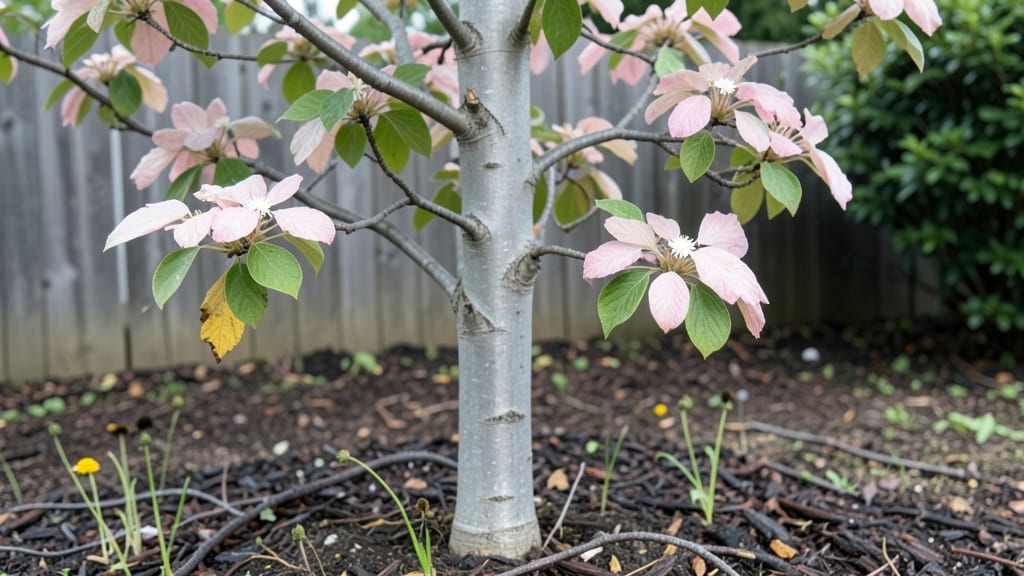
The pink flowering dogwood isn’t just a tree—it’s the Pacific Northwest’s springtime centerpiece, turning gardens into dreamy, blush-hued canvases every April. I planted mine near the front walkway, and now neighbors stop to admire the four-inch-wide blooms that last for weeks, even after frost.
The secret? Its frost resistance lets it bloom earlier than most, outshining tulips and daffodils before they even think about showing off.
This isn’t just a pretty face—it’s a multi-season star. Start with its bold spring display, then watch the deep red foliage in fall, and don’t forget the exfoliating bark that adds winter texture.
Pair it with ferns and hellebores for a woodland vibe, or let it shine alone as a modern focal point against a dark evergreen backdrop. The best part? It thrives in partial shade, making it perfect for spots where sun-loving plants would struggle.
Imagine your garden in late April, when the dogwood’s pink canopy spills over your patio, casting delicate shadows on the ground below. The fragrance? Lightly sweet, like a whisper of spring. This tree doesn’t just fill space—it transforms it, turning ordinary yards into stunning, low-maintenance landscapes.
And because it stays compact (20–30 feet tall), it works in everything from cottage gardens to sleek modern designs.
Here’s the game-changer: Plant it now, and for the next decades, your garden will have a timeless, effortless centerpiece that does all the work for you. No deadheading, no fuss—just year after year of reliable beauty. Ready to make yours the envy of the neighborhood?
📚 In This Guide
- What you need
- Instructions
- Tips and common mistakes
- Wrapping up and next steps
What you need
- ● Pink flowering dogwood tree: Choose a Cornus florida variety (e.g., ‘Cherokee Brave,’ ‘Rubra,’ or ‘Stella Rosa’). Buy a 1- to 3-gallon container-grown sapling (best for established roots) or a bare-root specimen (ideal for fall planting).
- ● High-quality soil: Mix 2 parts native loam with 1 part compost for optimal drainage and nutrients.
- ● Organic mulch: 3–4 inches of cedar chips, pine bark, or shredded leaves (avoid fresh wood chips—they can compact).
- ● Slow-release fertilizer: A 10-10-10 or 20-20-20 NPK blend (apply in early spring and fall).
- ● Watering can or hose with a gentle spray nozzle: 5–10 gallons per watering session for new plantings.
- ● Shovel or spade: For digging a hole 2–3 times wider than the root ball.
- ● Garden trowel: For fine adjustments and backfilling soil.
- ● Pruning shears: Bypass pruners (sharp, clean, and sterilized with rubbing alcohol).
- ● Garden gloves: Heavy-duty to protect against thorns and rough bark.
- ● Measuring tape: To ensure proper spacing (15–25 feet apart for mature trees).
- ○ Optional: Soil pH test kit (target pH 5.5–6.5; amend with sulfur or lime if needed).
- ● Tree support stake (only if planting in windy areas; use a 3-inch-wide stake and tie loosely with soft fabric).
- ● Drip irrigation system (recommended for drought-prone areas).
- ● Timing: Plant in early fall (September–October) or late winter (February–March) to avoid summer heat stress.
- ● Location: Choose a spot with partial shade (4–6 hours of sun) and well-draining soil (dogwoods hate soggy roots!).
- ● Neighborhood prep: Clear weeds, rocks, and debris from a 6-foot radius around the planting site.
- ● Frost hardiness: Ensure your zone is USDA 5–9 (the PNW’s Zone 7–9 is perfect!).
Planting and caring for pink flowering dogwood in the Pacific Northwest
This iconic tree thrives in our region's climate with minimal fuss—here's how to establish it for years of vibrant spring blooms.
🌱 Step 1: Select the Right Planting Site and Timing
Pink flowering dogwood (Cornus florida 'Rubra') thrives in partial shade to full sun, though it tolerates deeper shade better than full sun exposure. In the Pacific Northwest, choose a location with morning sun and afternoon shade—this prevents leaf scorch while maximizing bloom intensity. The tree's natural range includes moist, well-drained soils, so avoid areas prone to waterlogging.
Plant in early spring or early fall when soil temperatures are cool but not frozen. Spring planting gives roots time to establish before summer heat, while fall planting allows root growth before winter dormancy. I always dig the hole twice as wide as the root ball but no deeper—this encourages outward root growth rather than downward stress.
🪴 Step 2: Prepare the Planting Hole and Amend Soil
Remove any sod or debris from the planting hole and loosen the soil to a depth of 12-18 inches with a garden fork. Dogwoods prefer slightly acidic to neutral soil (pH 5.0-7.0). If your soil is heavy clay, mix in 2-3 inches of compost or peeled bark into the bottom of the hole to improve drainage and aeration. Avoid amended soil that's too rich—it encourages leafy growth at the expense of flowers.
Place the tree in the hole so the top of the root ball sits level with the surrounding soil. Backfill with native soil, tamping gently to eliminate air pockets. Water deeply to settle the soil, then create a 4-inch-high berm around the perimeter to direct water toward the roots. This simple technique prevents runoff and ensures moisture reaches the root zone.
☀️ Step 3: Water and Mulch for Establishment
Water the newly planted dogwood deeply twice weekly for the first six weeks, then taper to once weekly during the first growing season. The goal is to keep the top 6 inches of soil consistently moist—not soggy, not bone-dry. Dogwoods are drought-tolerant once established but need consistent moisture during their first year to develop a strong root system. You'll know you're on track when the soil feels like a wrung-out sponge.
Apply 3-4 inches of mulch (preferably wood chips or shredded bark) over the root zone, keeping it 6 inches away from the trunk to prevent rot. Mulch conserves soil moisture, regulates temperature, and suppresses weeds. Refresh the mulch annually in early spring, adding another 1-2 inches to maintain coverage. Avoid piling mulch against the trunk—this creates a moist environment that invites fungal diseases.
✂️ Step 4: Prune for Shape and Health
Wait until late winter or early spring (just before buds swell) to prune your dogwood. Remove any dead, diseased, or crossing branches first, cutting back to the branch collar. Thin out 10-20% of the canopy to improve air circulation and light penetration. Dogwoods bloom on old wood, so avoid heavy pruning in late summer or fall—this removes next year's flower buds.
Shape the tree by selectively pruning branches that grow inward or rub against each other. Make cuts just outside the branch collar at a 45-degree angle to promote healing. Never remove more than one-third of the canopy in a single year. You'll notice the tree's natural vase shape emerge as you prune—this iconic silhouette is part of its charm.
🌿 Step 5: Monitor for Pests and Diseases
Pacific Northwest dogwoods are relatively pest- and disease-resistant, but powdery mildew and dogwood borers can still appear. Powdery mildew shows as white, powdery patches on leaves—this fungal disease thrives in humid conditions. Improve airflow by pruning dense areas and avoid overhead watering. If mildew appears, apply a copper fungicide in early spring as a preventive measure.
Watch for dogwood borers, which lay eggs in bark crevices. Adult borers leave D-shaped exit holes in the trunk. If you spot signs, apply beneficial nematodes or insecticidal soap in early summer. Healthy trees with proper spacing and mulching rarely suffer severe infestations—prevention through good cultural practices is your best defense.
Tips & tricks for perfect pink flowering dogwood planting and care
These expert insights will help you establish your dogwood for decades of stunning spring blooms with minimal effort.
Site Selection Secrets: In Step 1, focus on that morning sun and afternoon shade balance—this is non-negotiable for our Pacific Northwest climate. I've seen dogwoods in full sun locations develop leaf scorch, while those in deep shade produce fewer blooms. The ideal spot gets 3-4 hours of morning sunlight, which prevents heat stress while still maximizing bloom potential. Test your location by observing how sunlight moves through your yard during spring and summer.
Soil Preparation Strategy: When amending heavy clay soil in Step 2, I recommend mixing in equal parts compost and peeled bark—this combination improves both drainage and aeration without over-fertilizing. The bark helps maintain that slightly acidic pH while the compost provides essential nutrients. Spread this amendment layer in the bottom third of your planting hole so roots encounter improved conditions as they grow downward. Don't forget to test your soil's pH before planting—you can adjust with sulfur if needed.
Watering Wisdom: The twice-weekly watering schedule in Step 3 works perfectly, but timing matters just as much as frequency. Water in the early morning to allow foliage to dry completely before evening humidity sets in. This prevents fungal diseases while maintaining consistent moisture. I use a rain gauge to measure 1-1.5 inches of water each session—this ensures you're saturating the top 6 inches of soil without overdoing it. Dogwoods hate soggy roots but need consistent moisture during establishment.
Pruning Precision: When pruning in Step 4, use sharp bypass pruners to make clean cuts just outside the branch collar. The 45-degree angle isn't just aesthetic—it helps water run off the cut, preventing rot. I always prune on a dry day when the tree is dormant (late winter/early spring) to minimize stress. Remember that dogwoods bloom on old wood, so never remove more than 20% of the canopy in any single year—this preserves next season's flower buds while maintaining that beautiful vase shape.
Pro Tips for Pink Flowering Dogwood Flowering Tree
- These expert insights will help you establish your dogwood for decades of stunning spring blooms with minimal effort.
- Site Selection Secrets: In Step 1, focus on that morning sun and afternoon shade balance—this is non-negotiable for our Pacific Northwest climate.
- Soil Preparation Strategy: When amending heavy clay soil in Step 2, I recommend mixing in equal parts compost and peeled bark—this combination improves both drainage and aeration without over-fertilizing.
Frequently asked questions
Got questions about the pink flowering dogwood? You’re not alone—this stunning tree captivates gardeners but also raises practical concerns. Here’s what you need to know before planting or caring for one:
When is the best time to plant a pink flowering dogwood in the Pacific Northwest?
The ideal window is early fall (September–October) or late winter (February–March), when the soil is workable but not frozen. This gives roots time to establish before summer heat or winter cold. Avoid planting in hot, dry spells—young trees need consistent moisture to thrive.
How cold-hardy is the pink flowering dogwood, and will it survive PNW winters?
This tree is highly frost-resistant, handling zones 5–9 with ease—perfect for the PNW! While young saplings may need mulch protection in harsh winters, mature trees (3+ years) bounce back beautifully. Heavy ice storms can damage branches, but prune them in late winter to encourage new growth.
What’s the lifespan of a pink flowering dogwood, and how do I extend it?
With proper care, these trees live 40–60 years (or longer!). To maximize their lifespan:
- Water deeply during droughts (they hate soggy roots but need consistent moisture in dry spells).
- Avoid compacted soil—amend with compost before planting.
- Watch for pests like dogwood borers (treat early with neem oil).
Deadheading spent blooms doesn’t extend life, but removing diseased branches promptly does!
Can I grow a pink flowering dogwood in a container, or is it strictly a landscape tree?
While not ideal for containers long-term (they grow 20–35 feet tall!), young dogwoods can thrive in large pots (20+ gallons) for 3–5 years with:
- Well-draining soil mixed with perlite.
- Regular watering (containers dry out fast!).
- Winter protection (move to a sheltered spot or wrap the pot).
For permanent planting, choose a sun-dappled spot with 6+ feet of clearance for mature growth.
Why aren’t my pink flowering dogwood’s leaves or flowers as vibrant as they should be?
Dull leaves or sparse blooms often signal nutrient deficiencies or stress. Try these fixes:
Yellow leaves? Likely iron deficiency—apply chelated iron or compost.
Fewer flowers? Over-fertilizing with nitrogen (promotes leaves over blooms). Use a balanced 10-10-10 fertilizer in early spring.
Wilting or browning? Check for underwatering or root rot (too much moisture).
If issues persist, test your soil’s pH (ideal: 5.0–6.0)—dogwoods prefer slightly acidic conditions.
Wrapping up and next steps
The pink flowering dogwood isn’t just a stunning addition to your Pacific Northwest landscape—it’s a resilient, low-maintenance spring superstar that thrives even in chilly climates. 🌸 With its vibrant blooms, wildlife-friendly appeal, and frost-resistant charm, it’s the perfect tree for gardeners who want beauty and practicality.
Ready to elevate your yard? Start by selecting the right variety, prepping your soil, and giving this showstopper the care it deserves—your future spring will thank you!