
Container Gardens
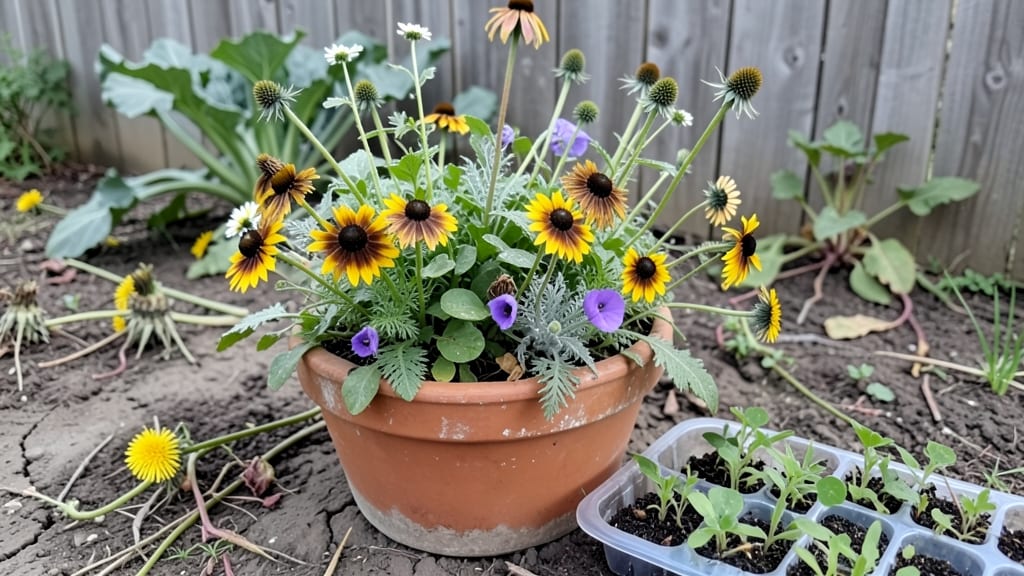
Planting wildflowers in pots lets you create a buzzing, colorful ecosystem right on your balcony—no soil, no plot, no problem. 🌸 I’ve turned my tiny city terrace into a pollinator paradise using nothing but thrift-store containers and a handful of native seeds, and the results are shockingly lush.
The key? Matching the right wildflower mix to your sun exposure and pot size, then letting nature handle the rest.
You’ll need containers with drainage holes (at least 6 inches deep for perennials, 4 inches for annuals), a lightweight potting mix designed for containers, and seeds that thrive in your hardiness zone.
Watering’s the tricky part—wildflowers hate soggy roots, so I use a self-watering system with a saucer to keep moisture even. Most mixes bloom within 6-8 weeks, with some returning year after year if you deadhead spent blooms.
What you end up with is a low-maintenance, high-reward display that attracts bees, butterflies, and hummingbirds while requiring less water than traditional flowers. The colors shift with the seasons—vibrant purples in spring, golden yellows in summer, and deep reds in fall—without any extra effort.
Once established, these pots need just occasional watering and an annual top-dressing of compost.
This works for any balcony, patio, or even a sunny windowsill, and you can swap out seasonal mixes to keep the show going all year. The only real rule? Avoid heavy clay pots that bake roots in summer or freeze them in winter. Let’s get those pots blooming!
📚 In This Guide
- What you need
- Instructions
- Tips and common mistakes
- Wrapping up and next steps
What you need
- ● Containers: At least 2–4 pots (6–12 inches in diameter). Choose pots with drainage holes or add a layer of pebbles if they don’t. Terracotta, fabric grow bags, or plastic with holes work great!
- ● Wildflower seeds: Native wildflower seed mix (1–2 tbsp per pot). Look for "pollinator-friendly" blends like coneflower, black-eyed Susan, or milkweed for bees and butterflies! 🐝
- ● Potting soil: High-quality, well-draining container mix (1–2 bags, depending on pot size). Avoid garden soil—it compacts and drains poorly!
- ○ Drainage layer (optional but helpful): Small pebbles or perlite (½ inch layer at the bottom of pots).
- ● Watering can or spray bottle: With a gentle spray nozzle to avoid displacing seeds.
- ○ Gloves (optional): To keep hands clean while handling soil or seeds.
- ● Slow-release fertilizer: Granular or liquid (follow package instructions for dilution). Boosts early growth!
- ● Mulch or decorative stones: To retain moisture and add aesthetic flair.
- ● Plant labels: If you’re testing different wildflower varieties.
- ● Sunlight tracker: To monitor light exposure (especially for balconies with partial shade).
Step-by-Step instructions for planting wildflowers in pots
Here’s my foolproof method for turning small containers into vibrant wildflower displays—no garden required.
🪴 Step 1: Select the Right Containers and Drainage
Choose pots at least 8-12 inches deep with drainage holes—wildflowers hate soggy roots. I prefer terracotta or fiberglass because they breathe better than plastic. If your pots lack holes, drill ¼-inch holes in the bottom and cover them with landscape fabric to prevent soil loss.
For 4 pots, use one 12-inch pot (for taller varieties like black-eyed Susans) and three 8-inch pots (for shorter blooms like cosmos and zinnias). Place saucers underneath to catch excess water—wildflowers need good drainage to thrive.
🌱 Step 2: Layer Soil and Seeds for Optimal Growth
Fill each pot ¾ full with a well-draining potting mix (avoid garden soil—it compacts and suffocates roots). Add a 1-inch layer of perlite or coarse sand at the bottom to improve drainage further. This prevents waterlogging, which causes root rot in wildflowers.
Scatter seeds sparingly—wildflowers grow best when slightly crowded. For 4 pots, use about ½ teaspoon of seeds per pot (follow packet instructions for exact ratios). Lightly press seeds into the soil with your fingers—no need to bury them deeply. Most wildflower seeds need light to germinate.
💧 Step 3: Water Gently and Maintain Consistent Moisture
Water the soil until it’s evenly moist but not soggy. Use a spray bottle for the first few days to avoid dislodging seeds. Keep the soil consistently damp (not wet) until germination, which typically takes 7-21 days depending on the variety. Place pots in a bright, indirect light spot until sprouts appear.
Once seedlings emerge, move pots to a sunny location with at least 6 hours of direct sunlight daily. Wildflowers need full sun to bloom vigorously. Water deeply once a week, letting the top 1 inch of soil dry out between waterings. Overwatering is the #1 killer of young wildflowers.
☀️ Step 4: Thin Seedlings and Encourage Full Growth
When seedlings reach 2-3 inches tall, thin them to 3-4 inches apart (use scissors to snip excess plants at soil level). This prevents overcrowding and ensures stronger blooms. Wildflowers left too close compete for nutrients and produce weaker stems.
Fertilize lightly once a month with a balanced, water-soluble fertilizer (diluted to half strength). Wildflowers thrive in lean soil—too much fertilizer makes them leggy and less hardy. Deadhead spent blooms regularly to encourage continuous flowering throughout the season.
✂️ Step 5: Prune and Maintain for Long-Lasting Blooms
After the first flush of blooms fades, cut back one-third of the plant to promote bushier growth. This trick keeps wildflowers compact and encourages another round of vibrant flowers. Use clean, sharp scissors to avoid damaging stems.
Watch for pests like aphids or spider mites—wildflowers attract beneficial insects, but occasional infestations happen. Spray with neem oil if needed, and always apply in the early morning to avoid harming pollinators. With proper care, your potted wildflowers will bloom all summer long.
Tips & tricks for perfect potted wildflower displays
Here's what I've learned after years of growing wildflowers in containers—these tricks make all the difference between sad seedlings and show-stopping blooms.
Container Selection Matters: The 8-12 inch depth requirement isn't arbitrary—shallower pots dry out faster, while deeper ones prevent root suffocation. I've found that terracotta pots actually wick away excess moisture better than plastic, which helps prevent the #1 killer of potted wildflowers: root rot. For extra insurance, add a layer of landscape fabric over your drilled holes to keep soil from escaping while maintaining drainage.
Soil Science for Wildflowers: That 1-inch layer of perlite or coarse sand in Step 2 isn't just for drainage—it creates air pockets that prevent compaction. I've noticed my wildflowers grow twice as vigorously when I use a mix that's 60% potting soil and 40% perlite/sand. Avoid garden soil at all costs; it compacts in containers and suffocates those delicate roots.
Lighting Secrets: The 6 hours of direct sunlight mentioned isn't negotiable for most wildflowers, but here's the trick: if your balcony only gets 4-5 hours, choose sun-loving varieties like black-eyed Susans or zinnias—they'll still thrive. For lower-light spots, opt for cosmos or bachelor's buttons which tolerate partial shade better. Just remember, more sun = more blooms!
Watering Wisdom: The "consistently damp but not soggy" guideline in Step 3 is crucial, but here's how to check: stick your finger 1 inch into the soil—if it's dry, water. If it's wet, wait. I've ruined batches by either overwatering (which causes rot) or underwatering (which stresses plants). A self-watering pot with a moisture meter can be a game-changer if you tend to forget.
Pro Tips for Planting Wildflowers In Pots
- Here's what I've learned after years of growing wildflowers in containers—these tricks make all the difference between sad seedlings and show-stopping blooms.
- Container Selection Matters: The 8-12 inch depth requirement isn't arbitrary—shallower pots dry out faster, while deeper ones prevent root suffocation.
- Soil Science for Wildflowers: That 1-inch layer of perlite or coarse sand in Step 2 isn't just for drainage—it creates air pockets that prevent compaction.
Frequently asked questions
Got questions?
You’re not alone—growing wildflowers in pots is easy once you know the tricks! Here are answers to the most common queries to help you bloom like a pro.
What’s the best soil mix for wildflowers in pots?
Use a lightweight, well-draining potting mix blended with 20-30% perlite or sand to mimic wildflower habitats. Avoid heavy garden soil—it compacts and suffocates roots. A chalky or slightly alkaline mix (pH 6.0–7.5) works best for most varieties like black-eyed Susans or coneflowers. Pro tip: Add a slow-release fertilizer for the first planting!
When is the best time to plant wildflowers in pots?
For spring blooms, sow seeds indoors in late winter (8–10 weeks before frost) or direct-sow after the last frost. For fall color, plant seeds in late summer (6–8 weeks before first frost). Wildflowers thrive in cooler temps—just avoid extreme heat or cold snaps. Perennials may need a winter mulch in harsh climates!
Can I grow wildflowers in pots year-round?
Most wildflowers are seasonal, but with the right care, you can extend blooms! Choose annuals (like cosmos) for summer color, then swap in winter-hardy varieties (e.g., sweet alyssum or calendula) for fall/winter. In warm climates, succulent-like wildflowers (e.g., desert marigold) may survive year-round. Move pots indoors during frost if needed!
Why aren’t my wildflower pots attracting pollinators?
Pollinators love native wildflowers—check if your mix includes bee-friendly varieties (e.g., bee balm, lavender, or milkweed). Ensure pots are sunny (6+ hours/day), use unscented fertilizers (strong smells can repel bees), and avoid pesticides. Add a small water source (like a shallow dish) nearby to help them thrive!
What can I do with wildflower pots after blooming?
Don’t toss them! Deadhead spent blooms to encourage regrowth (for perennials). Cut back foliage by half in late fall, then compost or repurpose the soil. For annuals, swap out plants in spring or let seeds self-sow for next year. Clean pots with soapy water to prevent disease—then it’s ready for a fresh batch!
Bonus Tip:
Struggling with leggy seedlings? Thin them early to avoid overcrowding. Need more color? Mix in fast-growing annuals (like nasturtiums) alongside wildflowers for a non-stop bloom show!
Wrapping up and next steps
Planting wildflowers in pots is a joyful and rewarding way to bring nature’s beauty to your balcony—no green thumb or sprawling garden required! 🌸 With the right containers, soil, and a little patience, you’ll soon enjoy a vibrant, low-maintenance display that supports pollinators and brightens your space.
Ready to dive in?
Your next step? Pick a pot, grab some seeds, and start small! Experiment with colors, heights, or even companion plants to make your container garden uniquely yours. Happy planting—your balcony (and the bees!) will thank you. 🐝✨