
Aphids
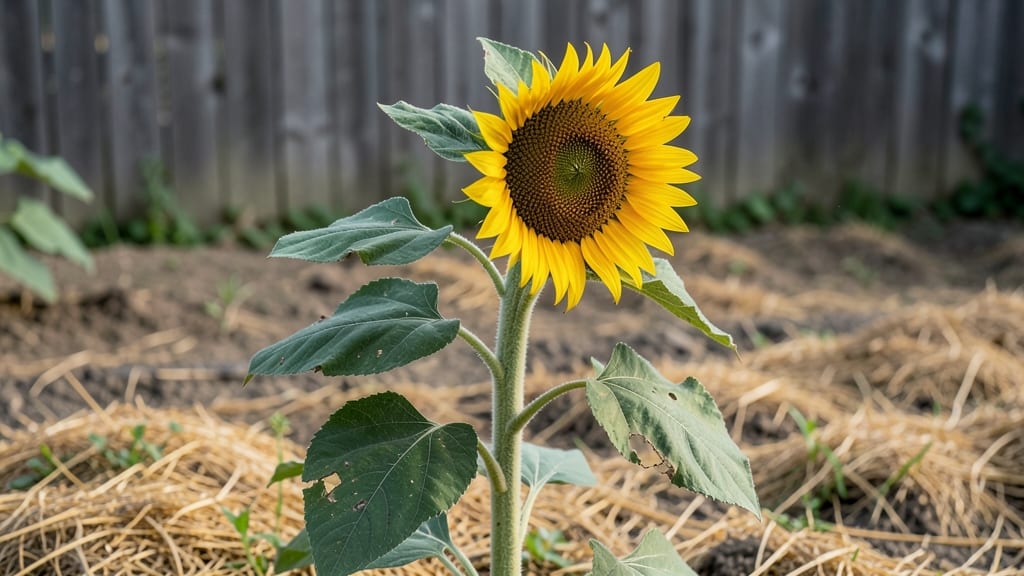
Growing pollen-free sunflowers means fewer sneezes and more sunshine in your garden. ✨ These varieties produce stunning blooms without the itchy aftermath, making them perfect for allergy sufferers and pollinator-friendly spaces alike. The secret lies in their unique flower structure—no pollen means no allergies, but bees still love the nectar.
You’ll need well-draining soil, full sun, and consistent watering to keep these sunflowers thriving. I’ve found that aphid-resistant varieties like ‘Moulin Rouge’ or ‘Teddy Bear’ stay healthier with minimal fuss.
Plant them in late spring after the last frost, and watch them grow into bold, cheerful accents that last all summer.
By mid-summer, you’ll have vibrant blooms that attract butterflies without triggering allergies. The flowers stay fresh longer, and the stems are sturdy enough for cutting. Plus, they’re easy to grow—just give them space, good soil, and a little love.
Pair them with marigolds or nasturtiums to deter pests naturally. These sunflowers work beautifully in borders, containers, or as standalone statement plants. Once you try them, you’ll never go back to traditional varieties.
📚 In This Guide
- What you need
- Instructions
- Tips and common mistakes
- Wrapping up and next steps
What you need
- ● Pollen-free sunflower seeds: Choose aphid-resistant varieties like ‘Moulin Rouge’ or ‘Teddy Bear’ (10–20 seeds per plant, ~5–10 plants for a small garden).
- ● High-quality potting mix: 10–15 lbs of well-draining, organic soil (or a mix of 60% garden soil + 40% compost).
- ● Containers or garden bed: Containers: 5–6" diameter pots (1 per plant) with drainage holes.
- ● Garden bed: Full sun (6+ hours/day) and loose, fertile soil.
- ● Watering can or hose: With a gentle spray nozzle to avoid disturbing seedlings.
- ● Fertilizer: Balanced 10-10-10 or organic compost tea (1 tbsp per plant every 4–6 weeks).
- ● Aphid control: Neem oil spray (1 tsp neem oil + 1 tsp mild soap per quart of water).
- ● Ladybugs or lacewing larvae (natural predators, available at garden centers).
- ● Seedling heat mat: Speeds up germination in cooler climates.
- ● Row covers: Protects young plants from early aphid infestations.
- ● Stakes or cages: Supports tall varieties (e.g., ‘Russian Giant’ hybrids).
- ● pH test kit: Ensures soil pH is 6.0–7.5 (ideal for sunflowers).
Step-by-step instructions for growing pollen-free sunflowers
Here's how to cultivate aphid-resistant sunflowers that stay pollen-free while thriving in your garden.
🌱 Step 1: Select and Prepare the Right Varieties
Choose certified pollen-free sunflower varieties like 'ProCut' or 'ProCut Hybrid'—these are bred to produce sterile blooms while maintaining aphid resistance. I always verify the seed packet specifies double-disc flowers (the pollen-producing center is absent). These varieties also have thick, waxy leaves that aphids struggle to penetrate.
Start seeds indoors 8-10 weeks before your last frost date using 72°F soil temperature for optimal germination. I like to use seedling heat mats to maintain consistent warmth—sunflowers germinate best when soil stays warm and moist. Plant 1-2 seeds per cell in biodegradable pots to avoid root disturbance later.
💧 Step 2: Transplant and Establish Strong Stems
Hardened-off seedlings should be transplanted outdoors after 2-3 weeks when soil reaches 55°F and nighttime temperatures stay above 50°F. Space plants 12-18 inches apart in rows 24 inches apart to allow airflow and prevent fungal diseases. I always plant in the late afternoon to reduce transplant shock.
Water deeply at transplanting to settle roots, then maintain 1-1.5 inches of water weekly—sunflowers hate soggy soil but need consistent moisture. You'll know your watering is right when the soil feels damp 2-3 inches down but not waterlogged. Mulch with 2-3 inches of straw to retain moisture and deter weeds.
☀️ Step 3: Provide Full Sun and Monitor Growth
Sunflowers demand full sun (6-8 hours daily) for sturdy stems and vibrant blooms. I position mine where they'll receive morning sun and afternoon shade if temperatures exceed 90°F—this prevents bolting and maintains flower quality. Watch for first true leaves to appear in 7-10 days after germination.
Fertilize lightly with a balanced 10-10-10 formula when seedlings reach 6 inches tall. Too much nitrogen promotes leafy growth over flowers, so I use half-strength fertilizer to encourage blooming. Support taller varieties with stakes at 3 feet to prevent lodging from wind or rain.
✂️ Step 4: Harvest and Maintain Pollen-Free Blooms
Harvest flowers when the petals fully unfurl but before they wilt—this ensures maximum vase life and pollen-free quality. Cut stems 2-3 inches below the bloom at an angle to improve water uptake. I always harvest in the early morning when stems are hydrated and petals are crisp.
Remove spent blooms promptly to redirect energy to new flowers. For continuous blooming, deadhead regularly and watch for aphid clusters on undersides of leaves. Spray affected areas with neem oil if aphids appear—these varieties are resistant, but early intervention prevents infestations.
Tips & tricks for perfect pollen-free sunflowers
Here's what I learned after years of growing these beautiful, hassle-free sunflowers—these little details make all the difference.
Variety Verification: Double-check those seed packets for the double-disc flower label—this is non-negotiable for pollen-free blooms. I once bought a "pollen-free" variety that still produced pollen because it wasn't properly labeled. The thick, waxy leaves are your first line of defense against aphids, but only if you've got the right variety to start with.
Germination Timing: Those 8-10 weeks before last frost are critical for strong seedlings. I set reminders for my seed-starting date based on my local frost dates, and I always use a seedling heat mat to maintain that 72°F soil temperature. Cold soil slows germination dramatically—sometimes by half the time. Planting 1-2 seeds per cell gives you a backup, but thin to the strongest seedling once they sprout.
Transplanting Strategy: The 2-3 weeks of hardening off are your chance to prepare seedlings for the outdoors. I start this process gradually, moving them to shadier spots each day. When you transplant, do it in the late afternoon—this gives roots time to settle before nightfall. The 12-18 inch spacing might seem generous, but it prevents fungal diseases by allowing airflow between plants.
Sunlight Management: While sunflowers need 6-8 hours of sun daily, I've found that afternoon shade when temperatures exceed 90°F prevents bolting (those rapid, uncontrolled growth spurts). Watch for those first true leaves around 7-10 days after germination—they're your first sign of healthy growth.
Pro Tips for Pollen Free Sunflowers
- Here's what I learned after years of growing these beautiful, hassle-free sunflowers—these little details make all the difference.
- Variety Verification: Double-check those seed packets for the double-disc flower label—this is non-negotiable for pollen-free blooms.
- Germination Timing: Those 8-10 weeks before last frost are critical for strong seedlings.
Frequently asked questions
1. What exactly makes sunflowers "pollen-free"?
Pollen-free sunflowers are double-bloom varieties that lack the traditional pollen-producing disc florets. Instead, they feature only ray florets (the petal-like outer flowers), which don’t produce pollen. These varieties are bred to stay aphid-resistant while eliminating the messy, allergenic pollen. Look for labels like "Mammoth Double" or "Velvet Queen" for reliable options!
2. When is the best time to plant pollen-free sunflowers?
Plant seeds 2–3 weeks after your last frost date (when soil temps reach 50°F+). For extended blooms, stagger plantings every 2–3 weeks—this ensures continuous flowers from summer to early fall. In warmer climates, you can even plant in late winter for spring blooms. Just avoid planting too early—cold soil slows germination!
3. Are pollen-free sunflowers truly aphid-resistant, or do they still need protection?
While these varieties are more resistant to aphids due to their dense foliage and lack of pollen (which attracts pests), they’re not 100% immune. Preventive care helps:
- Spray plants with neem oil or insecticidal soap weekly.
- Introduce ladybugs or lacewings as natural predators.
- Remove heavily infested leaves immediately.
4. Can I grow pollen-free sunflowers in containers, or do they need a garden bed?
Yes! Dwarf and medium varieties (like 'Teddy Bear' or 'Moulin Rouge') thrive in 5-gallon containers with 12+ inches of depth. Use a well-draining potting mix and place pots in full sun (6+ hours/day). For taller varieties, opt for 15+ gallon containers with sturdy stakes—they can get top-heavy!
5. What do I do if my pollen-free sunflowers still produce pollen?
This usually happens if you’re growing a standard (not double-bloom) variety by mistake. Double-check seed packets for terms like "pollenless," "double-flowered," or "non-pollinating". If you’re unsure, test one flower: Gently press the center—if it’s solid and petal-like (no fuzzy disc), it’s pollen-free. If pollen appears, consider removing the plant or replanting with certified varieties.
Wrapping up and next steps
Growing pollen-free sunflowers is a game-changer for allergy sufferers and gardeners alike—offering stunning blooms without the sneeze-inducing trade-offs! 🌻 With the right aphid-resistant varieties and a few simple steps, you can enjoy effortless, low-maintenance sunflowers that thrive year after year.
Whether you're a beginner or a seasoned gardener, these sunflowers prove that beauty and practicality can go hand in hand.
Ready to transform your garden? Start small—pick one variety, prep your soil, and watch your sunflowers flourish! 🌱 For even more tips, check out our sunflower care guide or join a gardening community to share your progress. Happy planting!