
Flowers
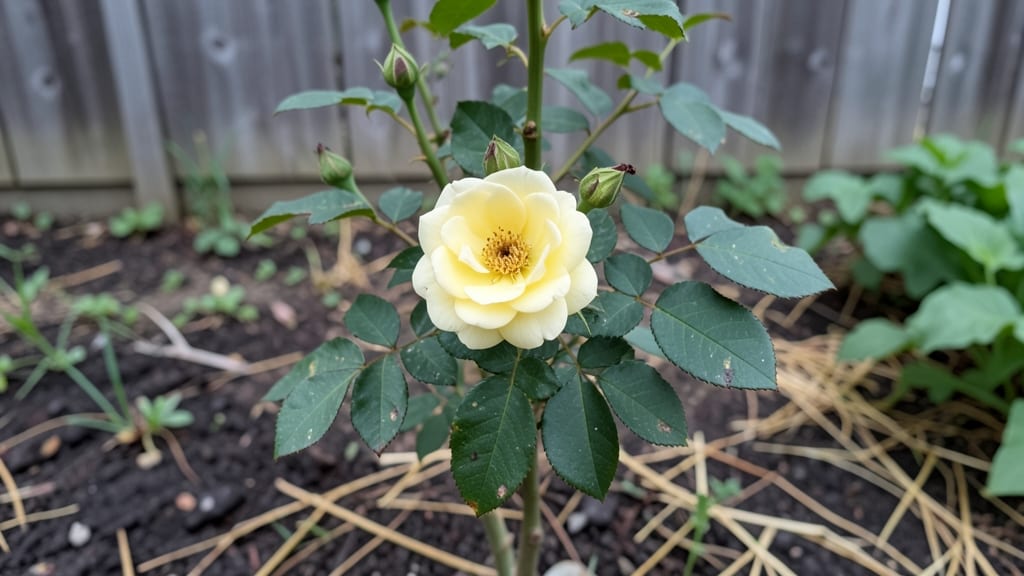
Nothing beats the sight of fragrant rose clusters drawing hummingbirds to your Pacific Northwest garden. 🌸 These pretty rose flowers aren’t just stunning—they’re living magnets for pollinators while adding timeless elegance to borders, containers, and cottage-style beds.
The secret lies in choosing varieties that thrive in cooler climates and pairing them with complementary plants that enhance their velvety blooms.
For maximum visual impact, opt for roses with soft pink or blush tones—they blend beautifully with native ferns, salvias, and ornamental grasses. My go-to is 'David Thompson' roses, which bloom repeatedly from spring to frost and pair perfectly with lavender for a fragrant, hummingbird-friendly display.
The key is spacing them 18-24 inches apart so stems don’t compete for sunlight, letting each cluster shine.
You’ll create a garden that’s both a sensory delight and a wildlife haven. Imagine the way morning sunlight catches dew on petals while hummingbirds dart between blooms, their wings humming like tiny helicopters.
These roses also play well with other Northwest favorites like hebe, catmint, and columbine, extending the blooming season from early summer through fall.
Whether you’re lining a pathway, filling a container, or softening a fence, these roses deliver year-round interest—even the hips add winter charm for birds. The best part? Their fragrance lingers long after the blooms fade, making every stroll through the garden feel like a quiet celebration.
📚 In This Guide
- What you need
- Instructions
- Tips and common mistakes
- Wrapping up and next steps
What you need
- ● Rose plants: Bare-root roses (1-3 plants, depending on desired coverage)
- ● Potted roses (1-2 plants, 1-gallon or larger containers)
- ● Seedlings (if starting from seed—requires patience!)
- ● Soil & Amendments: Well-draining garden soil (pH 6.0–6.5, ideal for roses)
- ● Compost (2–3 gallons per plant for nutrient-rich soil)
- ● Organic matter (e.g., aged manure or leaf mold, 1–2 cups per plant)
- ● Rose-specific fertilizer (balanced NPK, 10-10-10 or similar)
- ● Planting Tools: Garden trowel or spade
- ● Pruning shears (sterilized with rubbing alcohol)
- ● Gloves (to protect hands from thorns!)
- ○ Support Structures (Optional but Recommended): Rose trellis, arbor, or stakes (6–8 ft tall for climbing roses)
- ● Soft plant ties or garden twine
- ● Mulch: Wood chips or straw (2–3 inches deep to retain moisture)
- ● Drip irrigation system (for consistent watering in the PNW’s rainy/dry spells)
- ● Hummingbird-friendly companions: Columbine, fuchsia, or bee balm (plant nearby!)
- ● Rose food or bloom booster (e.g., fish emulsion or Epsom salt for extra magnesium)
Step-by-Step guide to cultivating Pacific Northwest hummingbird roses
Here's how to grow fragrant, hummingbird-attracting roses that thrive in our mild, moist climate.
🌱 Step 1: Select and Prepare the Right Rose Varieties
Choose Pacific Northwest-tested varieties like 'David Thompson' or 'Kew Gardens'—both produce fragrant clusters and attract hummingbirds with their nectar-rich blooms. These roses tolerate our cool summers and wet winters better than traditional hybrid teas. I always buy bare-root plants in early spring, giving them time to establish before our rainy season peaks.
Soak bare-root roses in lukewarm water for 4-6 hours before planting to rehydrate the roots. This jumpstarts growth and helps them recover from dormancy. You'll see the roots plump up noticeably—this is your signal they're ready for the ground. If planting in summer, opt for container-grown roses instead, as they're already established.
☀️ Step 2: Plant in Well-Draining, Sunlit Locations
Roses need at least 6 hours of direct sun daily, but in the PNW, morning sun with afternoon shade prevents leaf scorch. I plant mine where they get sun until 2 PM, then dappled shade from nearby trees. The soil should be loamy and well-draining—PNW clay can suffocate roots, so amend with 2-3 inches of compost and a handful of perlite per planting hole.
Dig a hole twice as wide as the root ball but no deeper—planting too deep encourages rot. Gently spread the roots outward (they'll naturally grow upward) and backfill with native soil mixed with compost. Water deeply until the soil settles 2 inches below the graft union—this ensures proper root establishment without burying the plant too deep.
💧 Step 3: Water Deeply and Mulch for Moisture Retention
Water once a week for the first month, then every 5-7 days during dry spells, aiming for 1-1.5 inches of water per week. PNW summers are deceptive—what feels like light rain often isn't enough. I check moisture by digging 2 inches down—if the soil feels dry, it's time to water. Overhead watering encourages disease, so use a soaker hose or drip irrigation at the base.
Apply 3-4 inches of mulch (wood chips or bark) around the base, keeping it 2 inches away from the stem to prevent rot. Mulch mimics the forest floor, retaining moisture and regulating soil temperature. Replenish mulch annually—it breaks down faster in our damp climate. You'll notice fewer weeds and more consistent blooms once the soil stays evenly moist.
✂️ Step 4: Prune for Airflow and Hummingbird Appeal
Prune in early spring (before new growth) and again after blooming to encourage repeat clusters. Cut back one-third of the oldest canes to the ground—this rejuvenates the bush and prevents disease buildup. For hummingbirds, focus on open-centered blooms like those on 'David Thompson', as they expose nectar more easily. I always sterilize pruners with rubbing alcohol to prevent bacterial spread.
Remove dead, crossing, or inward-growing branches first. Then, cut remaining canes at a 45-degree angle just above an outward-facing bud. This creates a natural water runoff and directs new growth outward for better airflow. After pruning, apply a balanced fertilizer (10-10-10) to support new growth—PNW soil is often nutrient-poor, so feeding is critical.
🌿 Step 5: Protect from Common PNW Rose Pests
Watch for rose slugs (tiny, translucent pests) and aphids—both thrive in our damp climate. I spray plants with neem oil weekly during bloom season as a preventative. For slugs, set up beer traps (bury a shallow dish filled with beer) near the base. You'll see fewer chewed leaves and more intact blooms within a week of consistent treatment.
Fungal diseases like black spot are rare in our cool climate, but if you spot dark spots on leaves, remove affected foliage immediately and apply copper fungicide. Avoid overhead watering to keep leaves dry. Healthy roses in the PNW often need less intervention—focus on proper spacing, airflow, and moisture control to prevent most issues.
Tips & tricks for perfect Pacific Northwest hummingbird roses
Here's what I wish I knew when I first planted my own hummingbird-attracting roses—these tricks make all the difference in our unique climate.
Soaking Secret: The 4-6 hour soak for bare-root roses isn't just about hydration—it's about reviving dormant roots. I've found that adding a pinch of horticultural gel to the water during this time helps roots absorb moisture more efficiently. This small addition can make the difference between a struggling plant and one that thrives from day one.
Sunlight Strategy: In Step 2, when positioning your roses for that crucial 6 hours of sun, consider the seasonal sun arc. Our PNW summers have shorter days than you might expect—plant with the sun's path in mind. I've noticed that positioning bushes slightly west of south gives them optimal morning light while avoiding the intense afternoon heat that can scorch leaves.
Watering Wisdom: The 1-1.5 inches of water per week guideline is perfect, but timing matters just as much. I've learned to water early in the morning when temperatures are coolest. This prevents evaporation and gives roots time to absorb moisture before the day's heat sets in. A simple rain gauge placed near your roses helps track exactly how much precipitation you're getting naturally.
Pruning Precision: When you're cutting those canes at a 45-degree angle in Step 4, think about the direction of the cut. Always make the slope face outward from the center of the bush. This creates natural water runoff and directs new growth outward, improving airflow and reducing disease risk. I sterilize my pruners with rubbing alcohol between cuts to prevent spreading any potential pathogens.
Pro Tips for Pretty Rose Flower
- Here's what I wish I knew when I first planted my own hummingbird-attracting roses—these tricks make all the difference in our unique climate.
- Soaking Secret: The 4-6 hour soak for bare-root roses isn't just about hydration—it's about reviving dormant roots.
- Sunlight Strategy: In Step 2, when positioning your roses for that crucial 6 hours of sun, consider the seasonal sun arc.
Frequently asked questions
Got questions about growing or caring for pretty rose flowers? You’re not alone! Here are some of the most common queries from gardeners in the Pacific Northwest—and beyond.
When is the best time to plant pretty rose flowers in the PNW?
The ideal time to plant pretty rose flowers in the Pacific Northwest is early spring (March–April) or early fall (September–October). This gives roots time to establish before summer heat or winter frost. Avoid planting in extreme heat—soil stays moist longer in cooler seasons, helping roots grow stronger.
Why aren’t hummingbirds visiting my pretty rose flowers?
Hummingbirds love pretty rose flowers for their nectar, but they may skip them if blooms are sparse or lack vibrant colors. Ensure your roses are in full sun (6+ hours/day) and deadhead spent blooms to encourage new flowers. Plant companion flowers like salvias or fuchsias nearby to attract them too!
How do I protect pretty rose flowers from Pacific Northwest rain?
PNW’s frequent rain can cause fungal diseases like black spot. Space plants for airflow, water at the base (not leaves), and prune for sunlight. Mulch with straw or bark to keep soil dry. If mildew appears, spray with a neem oil solution (1 tbsp per gallon of water).
Can I grow pretty rose flowers in containers?
Yes! Choose dwarf or climbing varieties like ‘Knock Out’ roses or ‘Iceberg’ roses. Use a large pot (15+ gallons) with drainage holes, well-draining soil, and a trellis for support. Place containers in sunny spots and water consistently—containers dry out faster than garden beds.
Why are my pretty rose flowers’ leaves turning yellow?
Yellow leaves often signal overwatering, nutrient deficiency, or disease. Check soil moisture (stick your finger in—top 2 inches should be dry). Test soil pH (roses prefer 6.0–6.5) and fertilize with a rose-specific feed in spring/summer. If spots appear, treat with fungicide.
Wrapping up and next steps
The pretty rose flower isn’t just a stunner—it’s a fragrant, hummingbird-loving powerhouse that thrives in the Pacific Northwest’s lush landscapes. With its delicate clusters and intoxicating scent, it’s the perfect addition to any garden, whether you’re a seasoned gardener or just starting out. 🌸
Now that you’re armed with the right materials and answers to common questions, it’s time to take action! Plant your rose with confidence, and soon you’ll be rewarded with vibrant blooms and buzzing visitors. Ready to transform your garden? Grab your tools and get growing!