
Flowers
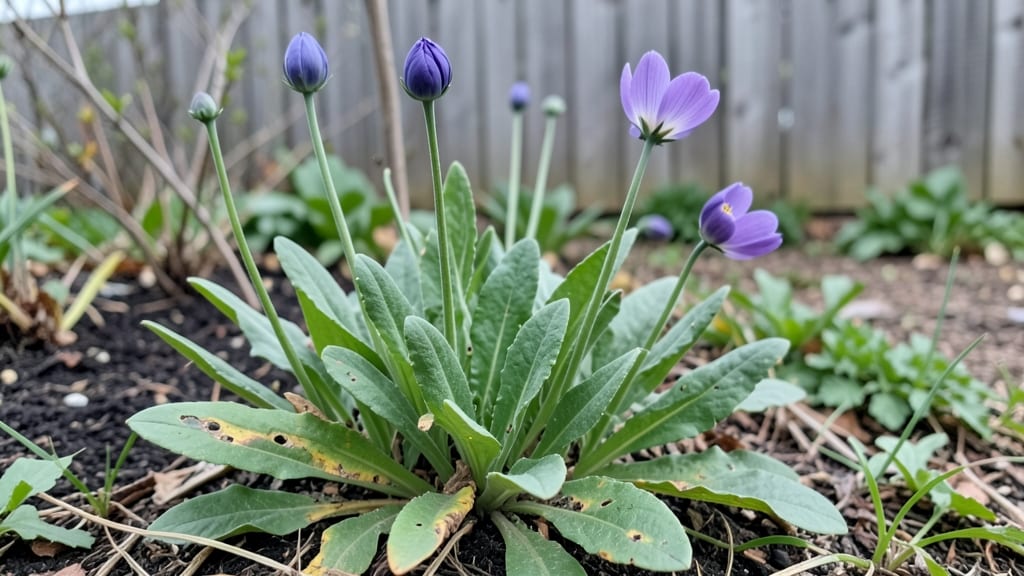
Those two-tone purple stems popping out of containers are Platycodon grandiflorus—the purple balloon flower that turns heads every summer. I first fell for it when a neighbor’s pot of these striking blooms caught my eye from across the street, and I knew I had to grow them myself.
The secret lies in their love of well-draining soil and consistent moisture, which keeps those signature balloon-shaped buds plump and vibrant.
You’ll need partial shade to full sun, a container with drainage holes, and soil that’s equal parts garden mix and compost. These plants thrive in USDA zones 3-8, making them surprisingly tough for their showy appearance.
Water them when the top inch of soil feels dry, and you’ll see those unique purple-and-white blooms appear in late summer to early fall, long after most annuals have faded.
Pruning spent blooms encourages more flowers, and dividing clumps every 3-4 years keeps them healthy. The best part? They’re disease-resistant and deer tend to avoid them, so you get drama without the fuss.
Whether you tuck them into patio pots or plant them along borders, they’ll bring unexpected color to your garden.
Start with a single plant, and you’ll quickly realize why gardeners can’t resist their bold charm. These aren’t just pretty faces—they’re low-maintenance stars that reward patience with months of eye-catching blooms. Ready to add some purple magic to your space?
📚 In This Guide
- What you need
- Instructions
- Tips and common mistakes
- Wrapping up and next steps
What you need
- ● Purple balloon flower seeds or plants: Seeds: 1–3 packets (or 10–20 individual seeds for a small container). Pro tip: Choose a variety like ‘Mariesii’ or ‘Astra Double’ for bold purple blooms!
- ● OR Nursery-grown plants: 1–3 mature plants (6–12 inches tall) for immediate color.
- ● Well-draining potting mix: 1–2 bags (1–2 cubic feet each) of a light, airy blend (e.g., 60% peat moss/perlite + 40% garden soil). 💡 Avoid heavy clay!
- ● Containers: 1–3 pots (10–12 inches in diameter) for each plant, with drainage holes. ✨ Tip: Terracotta pots help prevent root rot in humid climates.
- ● OR a raised bed (minimum 12” deep) for multiple plants.
- ● Slow-release fertilizer: 1–2 tablespoons per plant (e.g., 10-10-10 or a balanced organic option like fish emulsion).
- ● Mulch: 1–2 inches of shredded bark or straw to retain moisture.
- ● Garden tools: Trowel or small shovel for planting.
- ● Pruning shears (for deadheading or shaping).
- ● Watering can or hose with a gentle spray nozzle.
- ● Sunlight access: A spot with full sun (6+ hours/day) or partial shade (4–6 hours) in hot climates.
- ● Watering schedule: Consistent moisture (keep soil evenly damp but not soggy).
- ○ Optional (but helpful!): Peat pellets (for seed starting).
- ● Epsom salt (1 tbsp/month for magnesium-rich blooms).
- ● Support stakes (if stems flop in windy areas).
Step-by-step instructions for growing purple balloon flower in containers
Here's how to coax those striking two-toned stems into thriving container plants with minimal fuss.
Select and Prepare the Right Container
Choose a container with drainage holes that's at least 12 inches deep—balloon flowers need room for their robust root systems. I prefer terracotta because it breathes and helps prevent root rot, especially in humid conditions. If your container lacks holes, drill ¼-inch holes in the bottom for proper drainage.
Fill the container with high-quality potting mix enriched with compost—this ensures good drainage while retaining moisture. Avoid garden soil, which compacts in containers and suffocates roots. Tap the container gently to settle the mix, then water it thoroughly until water runs freely from the drainage holes. Let it drain completely before planting.
Plant at the Correct Depth and Spacing
Dig a hole twice as wide as the root ball but only as deep as the container it came in. Purple balloon flowers (Platycodon grandiflorus) thrive when planted at the same depth they grew in their nursery pot. Gently remove the plant from its container and loosen any circling roots with your fingers.
Place the plant in the hole and backfill with soil, pressing firmly around the base to eliminate air pockets. Space plants 12-18 inches apart—this gives them room to develop their signature two-toned stems without competing for nutrients. Water deeply after planting to help the soil settle and eliminate air gaps.
Provide Optimal Light and Watering Conditions
Purple balloon flowers love full sun to partial shade, with at least 6 hours of direct sunlight daily. In hot climates, afternoon shade prevents leaf scorch. If growing in a south-facing window, rotate the container quarter-turn weekly so the plant grows straight rather than leaning toward the light.
Water when the top inch of soil feels dry—these plants tolerate brief dry spells but hate soggy roots. In containers, they dry out faster than in-ground plants, so check daily during summer heat. Mulch with 1-2 inches of organic mulch (like shredded bark) to retain moisture and regulate soil temperature.
Fertilize and Prune for Strong Growth
Feed every 4-6 weeks during the growing season with a balanced, water-soluble fertilizer (10-10-10 ratio). I mix it at half-strength to avoid burning tender roots. Stop fertilizing in late summer to encourage blooms rather than leafy growth. Deadhead spent flowers by snipping the stems ½ inch above the next set of leaves—this redirects energy to new blooms.
In early spring, cut back last year’s stems to 4-6 inches tall. This rejuvenates the plant and prevents legginess. Purple balloon flowers are hardy perennials, so they’ll return year after year with proper care. Just be patient—they often take 2-3 years to reach their full two-toned stem potential.
Overwinter for Next Year’s Blooms
Before the first frost, move containers to a protected location (like a garage or shed) if temperatures drop below 20°F. Water sparingly during dormancy—just enough to keep the soil from drying out completely. In mild climates, leave them in place but mulch heavily with 4-6 inches of straw to insulate roots.
Resume regular watering in early spring as new growth appears. Purple balloon flowers reward patience with bold, two-toned stems and vibrant purple blooms that attract pollinators. With proper container care, they’ll thrive for years, adding vertical interest and seasonal color to any patio or balcony.
Tips & tricks for perfect purple balloon flower growth
These expert insights will help you coax the most vibrant two-toned stems from your container-grown purple balloon flowers.
Container Selection: Terracotta is ideal for these plants, but if you prefer plastic, choose one with ¼-inch drainage holes drilled in the bottom. The 12-inch depth requirement is non-negotiable—shallow containers restrict root development and lead to leggy, weak stems. I've seen purple balloon flowers in 8-inch pots struggle to develop their signature two-toned coloring because they couldn't establish strong roots. For maximum air circulation, select containers with slightly flared sides rather than cylindrical ones.
Planting Depth: The instructions emphasize planting at the same depth as the nursery pot, but here's why this matters: Purple balloon flowers develop their distinctive two-toned stems from a specific growth pattern that originates at the soil line. Planting too deep buries the stem base, while planting too shallow exposes the roots to drying. When loosening circling roots, be gentle—these plants are more sensitive to root damage than they appear. A quick finger test after planting will confirm proper depth: the top of the root ball should sit just below the container's rim.
Light Management: While the 6 hours of sunlight requirement is standard, I've found that morning sun plus afternoon shade yields the most dramatic two-toned stems. In hot climates, the afternoon sun can cause the upper stems to bleach out, reducing the contrast. For window-growing, rotate containers weekly to prevent leaning—this also helps maintain even stem coloring. If you notice stems developing uneven coloration, move the plant to a location with more evenly distributed light.
Fertilizer Timing: The 4-6 week feeding schedule works well, but here's a pro tip: switch to a low-phosphorus fertilizer (like 5-5-5 ratio) when you notice buds forming. The extra potassium promotes stronger stems and more vibrant two-toned coloring. Always mix fertilizer at half-strength—purple balloon flowers are sensitive to salt buildup, which can cause leaf scorch and stunt stem development. I've seen plants with perfect foliage but underdeveloped stems because they were over-fertilized early in the season.
Pro Tips for Purple Balloon Flower
- These expert insights will help you coax the most vibrant two-toned stems from your container-grown purple balloon flowers.
- Container Selection: Terracotta is ideal for these plants, but if you prefer plastic, choose one with ¼-inch drainage holes drilled in the bottom.
- Planting too deep buries the stem base, while planting too shallow exposes the roots to drying.
Frequently asked questions
Got questions about growing purple balloon flowers (Platycodon grandiflorus)? You’re not alone! Here are some of the most common queries—and their answers—to help you nurture these striking blooms with confidence.
How do I encourage my purple balloon flower to bloom?
Balloon flowers thrive with full sun to partial shade (6+ hours of light) and well-draining soil. Deadhead spent blooms regularly to prompt more flowers, and fertilize lightly with a balanced formula in spring. Pro tip: If blooms stay closed, check for overcrowding or poor drainage—these plants hate soggy roots!
When is the best time to plant purple balloon flowers?
Plant them in early spring or fall for optimal root establishment. Avoid summer heatwaves, which can stress young plants. If transplanting, water deeply afterward and mulch to retain moisture. Container growers: Use well-draining potting mix and replant every 2–3 years to refresh nutrients.
Why are my balloon flower stems turning brown or mushy?
Brown/mushy stems usually signal rot from overwatering or fungal issues. Ensure containers have drainage holes and water only when the top inch of soil feels dry. If caught early, trim affected stems and improve airflow. For prevention, avoid wetting foliage during watering.
Can I grow purple balloon flowers in containers year-round?
Yes! These flowers adapt well to containers but may need winter protection in cold climates. Use insulated pots or move them to a sheltered spot (like a garage) when temps drop below 20°F. In warmer zones, they’re perennial and return each season with minimal care.
What are some purple balloon flower alternatives for bold color?
If you love the drama of balloon flowers, try these low-maintenance perennials:
- Lavender (Lavandula): Drought-tolerant and fragrant.
- Salvia (Salvia nemorosa): Tall spikes with deep purple blooms.
- Catmint (Nepeta): Silvery foliage and long-lasting flowers.
- Russian Sage (Perovskia): Airy stems with lavender-blue blooms.
Wrapping up and next steps
The purple balloon flower is a stunning, low-maintenance addition to any garden or container—its bold two-tone stems and vibrant blooms bring effortless charm to any space! 🌸 With the right sunlight, soil, and care, you’ll enjoy its striking beauty for years to come.
Whether you’re a beginner or a seasoned gardener, this plant rewards patience with breathtaking results.
Ready to transform your space? Grab your supplies, follow the steps, and watch your purple balloon flower thrive! Share your progress with fellow plant lovers—happy gardening! 🌱