
Flowers
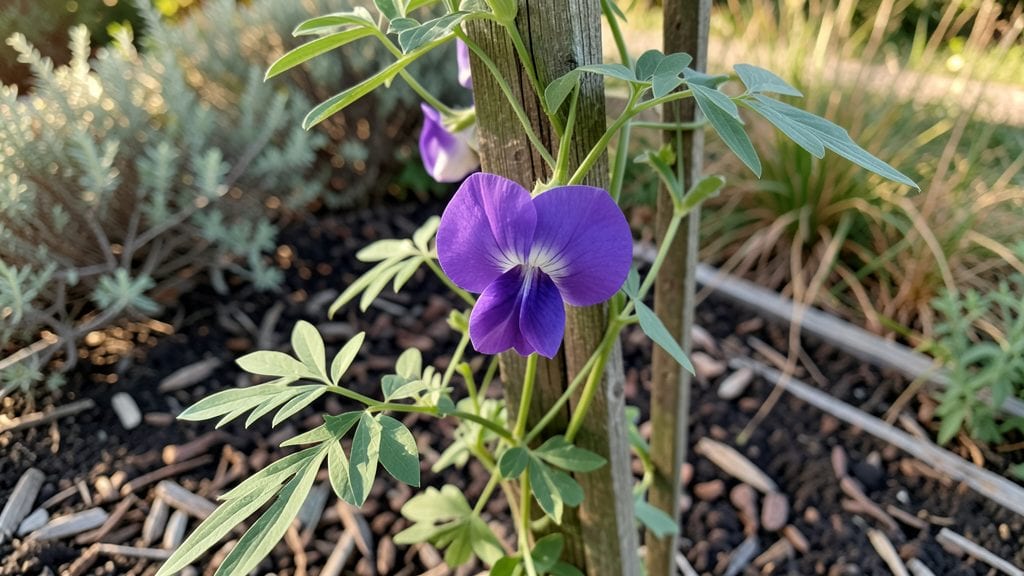
The purple sweet pea flower (Lathyrus odoratus) is the Pacific Northwest's secret weapon for fragrant, cold-hardy blooms that hummingbirds adore. 🌿 I remember the first time I planted them—how their delicate vines climbed my trellis by midsummer, filling the air with a perfume that lingered long after the flowers faded.
This isn't just another pretty vine; it's a fragrant, hummingbird-magnet that thrives where many flowers fail.
Sweet peas love cool climates, making them perfect for our region's damp springs and chilly summers. Start with well-draining soil mixed with compost—they hate soggy roots—and choose a spot with morning sun and afternoon shade to prevent wilting.
A sturdy trellis or fence is essential; their vines can reach 6-8 feet if given support. Water consistently but avoid overhead spraying to prevent fungal issues.
By late spring, you'll be rewarded with clusters of velvety purple blooms that perfume the garden and attract hummingbirds by the dozen. The flowers last longer if deadheaded regularly, and the vines often rebloom if pruned back lightly after the first flush.
Even in rainy seasons, sweet peas stay resilient—just give them good air circulation and avoid overcrowding.
Companion plant with dwarf dahlias or marigolds to deter pests while keeping the hummingbirds coming. The biggest challenge? Slugs and aphids—but a simple beer trap or neem spray keeps them at bay. With minimal effort, you'll have a fragrant, pollinator-friendly display that outshines most annuals. Ready to grow yours?
📚 In This Guide
- What you need
- Instructions
- Tips and common mistakes
- Wrapping up and next steps
What you need
- ● Purple sweet pea seeds: 10–20 seeds (choose cold-hardy varieties like 'Cupani' or 'Spencer' for PNW resilience).
- ● Well-draining potting mix: 2–3 gallons (sterilized, peat-based or coco coir blend for moisture retention).
- ● Containers or garden bed: Containers: 5–7" deep pots (3–5 per seedling) with drainage holes.
- ● Garden bed: Full sun to partial shade (4+ hours sunlight), slightly acidic soil (pH 6.0–6.5).
- ● Compost or organic fertilizer: 1 cup (balanced 10-10-10 or low-phosphorus for blooms).
- ● Mulch: 1–2 inches (straw or shredded bark to retain moisture).
- ● Watering can or hose with gentle nozzle: For consistent moisture (avoid soggy soil!).
- ● Hand trowel: For transplanting seedlings.
- ● Pruning shears: To trim dead blooms and encourage regrowth.
- ● Support trellis or stakes: 3–4 ft tall (sweet peas are climbers!).
- ○ pH testing kit: Optional but helpful for adjusting soil acidity.
- ● Seedling heat mat (if starting indoors): For early PNW starts (March–April).
- ● Patience! Sweet peas take 60–90 days to bloom from seed.
- ● Consistent moisture—PNW’s rainy season is your friend, but drought stress stunts growth.
- ● Hummingbird-friendly location: Plant near windows or feeders to attract pollinators! 🐦⬛
Step-by-step instructions for cultivating purple sweet peas in the Pacific Northwest
Here's how I grow these vibrant, hummingbird-loving climbers that thrive in our chilly coastal climate.
🌱 Step 1: Select and Prepare Seeds for Cold Stratification
Purple sweet peas need cold stratification to break dormancy—this mimics winter's natural chilling period. Soak seeds overnight in lukewarm water, then place them between damp paper towels in a sealed plastic bag. Store in your refrigerator's crisper drawer for 2-3 weeks at 35-40°F.
Check weekly for sprouting—you'll see tiny white roots emerging first. Once roots reach ¼ inch, they're ready to plant. I like to use biodegradable peat pots because sweet peas dislike root disturbance, and these let me transplant without stressing the plants.
🌿 Step 2: Plant in Well-Draining Soil with Support Structures
Sweet peas prefer slightly acidic soil (pH 6.5-7.0) and thrive in our Pacific Northwest's cooler temperatures. Plant seeds 1 inch deep in well-draining soil, spacing them 2-3 inches apart in rows 12 inches apart. Install 5-6 foot tall trellises or stakes near planting sites—they'll need support as vines grow vigorously.
Here's the thing—don't rush planting. Wait until 2-3 weeks after your last frost date when soil temperatures reach 45°F. You'll know it's time when the ground feels cool but workable, and morning frost has disappeared. Mulch lightly with 2 inches of compost to retain moisture and regulate soil temperature.
☀️ Step 3: Provide Partial Shade and Consistent Moisture
While sweet peas tolerate some sun, our PNW summers can be intense. Aim for morning sun and afternoon shade—especially in inland areas where temperatures exceed 80°F. You'll see healthier foliage and more abundant blooms when plants aren't stressed by afternoon heat.
Water deeply 2-3 times weekly until first true leaves appear, then reduce to once weekly once established. The key is consistent moisture—let the top 1-2 inches of soil dry between waterings. Overhead watering can spread fungal diseases, so water at the base using a soaker hose.
✂️ Step 4: Prune and Deadhead for Continuous Blooming
Pinch back the main stem when it reaches 6-8 inches tall to encourage bushier growth. This simple step creates more lateral branches that produce flowers. You'll notice within 3-4 weeks that plants develop a fuller, more compact shape rather than growing tall and leggy.
Deadhead spent blooms regularly by snipping the stem just above the first set of leaves. This redirects energy to produce new flowers instead of seed pods. I do this every 2-3 days during peak bloom season—typically June through September in our climate. Fertilize lightly with balanced 10-10-10 every 4-6 weeks to maintain vigor without encouraging excessive foliage growth.
🪴 Step 5: Prepare for Winter and Next Season's Growth
Sweet peas are perennial in our mild PNW winters, but they benefit from light winter protection. Once foliage dies back, cut stems to 6 inches tall and mulch heavily with 4-6 inches of straw or leaves. This insulation helps roots survive our damp winters while preventing rot.
In early spring, remove old mulch and add 2 inches of fresh compost before new growth appears. You'll see fresh shoots emerging by late February or early March, signaling it's time to remove winter protection. Sweet peas are self-seeding, so you'll often find volunteer plants popping up in subsequent years—just thin them to maintain spacing.
Tips & tricks for cultivating purple sweet peas
A few simple strategies will help you grow the most vibrant, hummingbird-attracting purple sweet peas in your Pacific Northwest garden.
Stratification Secret: The 2-3 week cold stratification at 35-40°F is non-negotiable for breaking dormancy. I've found that using a small plastic container with a lid creates a more stable moisture environment than paper towels alone. Place a thermometer in your fridge to ensure consistent temperatures—fluctuations can delay germination. Once roots reach ¼ inch, they're ready for planting, but don't rush this step—patience here prevents transplant shock later.
Soil Preparation Strategy: Before planting, mix your slightly acidic soil (pH 6.5-7.0) with 2 inches of compost to create ideal growing conditions. For heavier clay soils common in the PNW, add perlite or sand to improve drainage. I like to test my soil's pH using a simple kit from the garden center—sweet peas are particular about this range. The 12-inch row spacing gives roots plenty of room to establish before vines start climbing.
Watering Wisdom: The transition from 2-3 weekly waterings to once weekly after true leaves appear is crucial. Use your finger to check soil moisture—if the top 1-2 inches feel dry, it's time to water. I've learned the hard way that overhead watering spreads fungal diseases, so always use a soaker hose at the base of plants. This method also prevents water from damaging delicate flowers during peak bloom season.
Pruning Technique: When pinching back the main stem at 6-8 inches, make your cuts just above a set of leaves where new growth will emerge. This encourages bushier growth and more flower production. I use clean, sharp pruners to avoid damaging stems, and always sterilize them with rubbing alcohol between plants to prevent disease spread. The 3-4 week wait for noticeable bushier growth is worth it for the dramatic increase in blooms.
Pro Tips for Purple Sweet Pea Flower
- A few simple strategies will help you grow the most vibrant, hummingbird-attracting purple sweet peas in your Pacific Northwest garden.
- Stratification Secret: The 2-3 week cold stratification at 35-40°F is non-negotiable for breaking dormancy.
- Soil Preparation Strategy: Before planting, mix your slightly acidic soil (pH 6.5-7.0) with 2 inches of compost to create ideal growing conditions.
Frequently asked questions
Got questions about growing purple sweet pea flowers in your Pacific Northwest garden? You’re not alone! Here are answers to some of the most common queries—from planting tips to troubleshooting—so you can cultivate these fragrant, hummingbird-loved blooms with confidence.
When is the best time to plant purple sweet peas in the PNW?
For the Pacific Northwest’s cooler climate, plant seeds in early fall (September–October) for spring blooms or in late winter (February–March) under frost cloth. Avoid summer heat—sweet peas thrive in 50–65°F soil temps. Pro tip: Soak seeds overnight before planting for faster germination!
Are purple sweet peas truly cold-hardy? How do I protect them from PNW winters?
Yes! These beauties tolerate light frosts down to 20°F, but heavy snow or prolonged cold may damage tender growth. Mulch heavily with straw or leaves after the first frost, and plant near a south-facing wall for passive heat. If your zone is Zone 7 or colder, grow them as annuals or lift plants before hard freezes.
Why aren’t hummingbirds visiting my purple sweet peas?
Hummingbirds love sweet peas, but a few factors might deter them:
- Timing: Peak nectar flow is late spring to early summer—plant early!
- Color contrast: Pair with red or pink flowers (like penstemons) to create a "hummingbird buffet."
- Pesticides: Avoid chemicals—hummingbirds are sensitive to them.
- Location: Plant near sheltered, sunny spots (they avoid windy areas).
Can I grow purple sweet peas in containers? What’s the best setup?
Sweet peas thrive in 5–7 gallon containers with:
- Well-draining soil (mix potting soil with perlite).
- Trellis or stakes (they’re vining plants—6+ feet tall!).
- Morning sun (afternoon shade in hot zones like Western WA/OR).
My purple sweet peas have yellow leaves—what’s wrong?
Yellow leaves usually signal one of these issues:
Cause
Fix
Overwatering (soggy soil)
Let soil dry slightly between waterings; improve drainage.
Nutrient deficiency (nitrogen lack)
Fertilize with balanced 10-10-10 or compost tea.
Fungal disease (powdery mildew)
Space plants for airflow; spray with neem oil.
Wrapping up and next steps
The purple sweet pea flower isn’t just a hummingbird magnet—it’s a resilient, fragrant gem that thrives in the Pacific Northwest’s chilly climate! 🌸 With the right soil, sunlight, and care, you’ll enjoy bursts of color and sweet fragrance from early spring to frost.
Whether you’re a beginner or a seasoned gardener, these cold-hardy blooms reward patience with stunning displays and effortless charm.
Ready to transform your garden? Start by planting a few seeds or cuttings this season—your future hummingbird visitors (and you!) will thank you. 🐦⬛✨ Next step: Pick your favorite purple sweet pea variety and get growing!