
Flowers
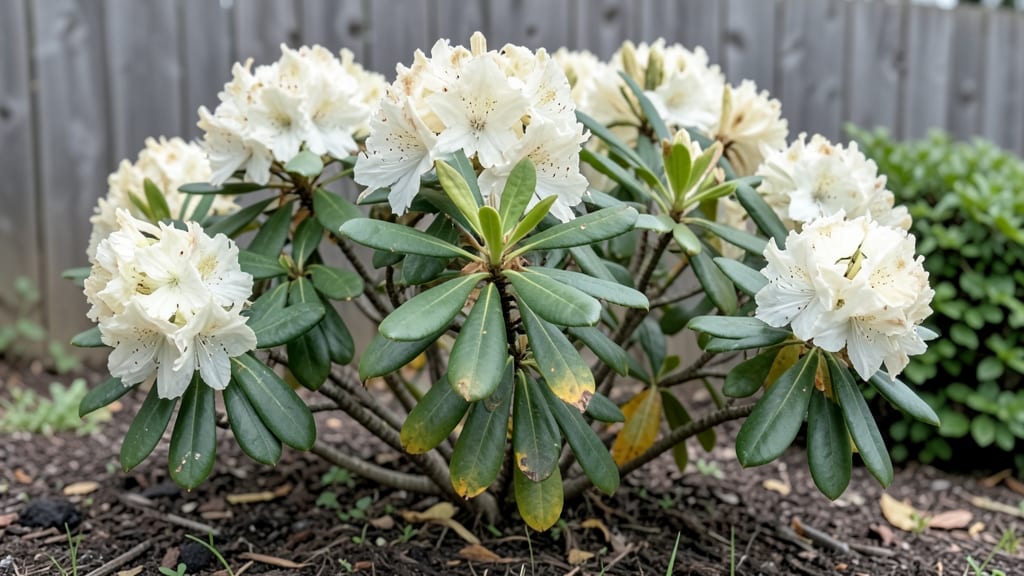
Growing a red-flower rhododendron in the Pacific Northwest means waking up to bold bursts of color that last for weeks—not just days. These frost-hardy shrubs thrive where many plants struggle, their deep red blooms standing out against the misty green backdrop of our region.
I learned this the hard way after my first one nearly died from alkaline soil, but once I got the conditions right, it became the showstopper of my garden.
The secret lies in acidic soil and consistent moisture—think of it as mimicking their natural understory habitat. You’ll need a spot with morning sun and afternoon shade, well-draining soil with a pH between 4.5 and 5.5, and regular watering that keeps roots damp but never soggy.
The right variety, like ‘Elizabeth’ or ‘Nova Zembla’, will reward you with vibrant red blooms that attract hummingbirds and last from late spring into summer.
With proper care, your rhododendron will grow into a 6- to 12-foot shrub that becomes the backbone of your garden. Prune lightly after flowering to maintain shape, and watch as new growth emerges each spring—faster and more robust than any store-bought plant.
The key is patience; these shrubs take 3-5 years to reach full bloom potential, but the wait is worth it.
From coastal Oregon to the Cascade foothills, these plants handle our chilly, wet winters better than most. Just avoid heavy pruning in fall, and you’ll have a disease-resistant, low-maintenance beauty that outshines anything in a nursery pot. Ready to transform your garden into a Pacific Northwest masterpiece?
📚 In This Guide
- What you need
- Instructions
- Tips and common mistakes
- Wrapping up and next steps
What you need
- ● Rhododendron plants: 1-3 Rhododendron catawbiense or Rhododendron ‘Nova Zembla’ (frost-hardy varieties, zones 4-7).
- ● Size: 1-gallon containers (young plants) or 3-5 gallon (mature shrubs for faster impact).
- ● Soil: 50 lbs acidic, well-draining potting mix (pH 4.5–6.0). Look for mixes labeled for azaleas or rhododendrons.
- ○ Optional: Peat moss or pine bark fines (10–20% of mix) for extra acidity.
- ● Fertilizer: 1 lb slow-release acidic fertilizer (e.g., Osmocote Smart-Release Plant Food for Acid-Loving Plants).
- ● OR Organic option: 1 lb cottonseed meal (high in nitrogen).
- ● Planting tools: 1 garden trowel (for small holes).
- ● 1 shovel or spade (for larger shrubs).
- ● 1 pruning shears (sterilized with rubbing alcohol).
- ● Mulch: 2–3 bags pine straw or cedar chips (3–4 inches deep).
- ● Watering: 1 hose with adjustable nozzle (gentle spray setting).
- ○ Optional: Drip irrigation kit for consistent moisture.
- ● Safety gear: 1 pair gardening gloves (nitrile for grip).
- ● 1 knee pad (for comfort during planting).
- ● Location: Partial shade (4–6 hours of sun/day). Avoid harsh afternoon sun.
- ● Climate: Plant in early spring or fall (avoid summer heat).
- ● Soil test: Confirm pH with a home soil test kit (or send a sample to a local extension office).
- ● Space: Minimum 3–5 feet between plants (varies by variety).
Step-by-Step instructions for planting and cultivating red flowering rhododendrons
Here’s how to establish these stunning Pacific Northwest shrubs with confidence—from site selection to long-term care.
Select the Ideal Planting Location
Rhododendrons thrive in partial shade with morning sun and afternoon shade, especially in hotter regions. In the Pacific Northwest, a north-facing slope or dappled woodland edge works perfectly. Avoid full sun, which scorches leaves, or deep shade, which weakens flowering.
Test your spot by observing how sunlight moves through the area. The ideal location receives 3-6 hours of direct light but stays cooler in the afternoon. If your yard lacks natural shade, plant near evergreens or under a deciduous tree that sheds leaves in summer.
Prepare the Soil for Optimal Growth
These plants demand acidic soil with a pH between 4.5 and 5.5. Test your soil with a kit—if it’s alkaline, amend it with peat moss or sulfur before planting. Mix 3 inches of organic matter (like composted leaves or pine needles) into the top 12 inches of native soil to improve drainage and fertility.
Rhododendrons hate soggy roots, so avoid low spots where water pools. If your soil drains poorly, raise the planting area by 6-12 inches with amended soil or create a slightly elevated mound. Work the amendments deeply—surface-level changes won’t reach the roots.
Plant with Proper Spacing and Depth
Dig a hole twice as wide as the root ball but no deeper—planting too deep suffocates roots. Gently loosen the root ball’s edges if it’s tightly bound, then place the shrub so the top of the root ball sits 1 inch above ground level. This prevents water from pooling around the stem.
Space 4-6 feet apart for mature size, allowing airflow to reduce fungal diseases. Backfill with the amended soil, pressing lightly to eliminate air pockets. Water deeply to settle the soil, then add 2-3 inches of mulch (pine bark or wood chips) to retain moisture and suppress weeds—keep mulch 3 inches away from the stem to prevent rot.
Water and Fertilize for Strong Establishment
Water deeply 2-3 times per week for the first month, ensuring the soil stays evenly moist but not soggy. After establishment, water once weekly during dry spells, aiming for 1 inch of water per week. Overwatering in winter can drown roots, so reduce frequency in cooler months.
Fertilize in early spring with an acid-loving plant fertilizer (like one formulated for rhododendrons, azaleas, or camellias). Apply half the recommended dose the first year to avoid burning tender roots. Avoid high-nitrogen fertilizers—they promote leafy growth at the expense of flowers.
Prune and Protect for Long-Term Health
Prune immediately after flowering (late spring) to shape the shrub and remove dead or crossing branches. Cut back to just above a bud or outward-facing branch—never leave stubs. Avoid heavy pruning, as rhododendrons flower on old wood and may skip blooms if over-pruned.
In winter, protect young plants from freezing winds by placing a burlap windbreak on the north side. Established shrubs handle frost well, but newly planted ones benefit from mulch insulation. Watch for lace bugs or spider mites—spray with neem oil at the first sign of yellowing leaves or webbing.
Tips & tricks for perfect red flower rhododendron cultivation
Mastering these Pacific Northwest beauties takes more than just planting—it's about creating the right conditions from the ground up. Here's what I've learned after years of growing these frost-hardy shrubs.
Light Observation Strategy: In Step 1, when selecting your planting location, I recommend using a simple trick to gauge sunlight exposure: place a white plate where you plan to plant and check it every few hours. The ideal spot should show moisture from morning dew but remain dry by afternoon—this confirms the 3-6 hours of direct light while avoiding the harsh afternoon sun that can scorch delicate leaves.
Soil pH Precision: The acidic soil requirement in Step 2 is non-negotiable, but here's how to get it right: If your soil test shows a pH above 5.5, mix in 1 part peat moss to 3 parts native soil for every foot of depth you're amending. For severe alkalinity, add 1/4 cup of aluminum sulfate per square foot and retest after 2-3 months. The goal is gradual adjustment—sudden pH shifts can stress roots.
Planting Depth Visual: When following Step 3's planting instructions, use this simple test: After placing your rhododendron, look at the base of the stem where it meets the root ball. There should be a visible 1-inch gap between the root ball and the surrounding soil. This gap prevents water from pooling around the stem, which is crucial for preventing rot in these moisture-sensitive plants.
Watering Technique: For the critical first month in Step 4, I've found that deep watering means going 12 inches deep with each watering session. Use a long screwdriver to check moisture levels—if it comes out dry, water again. This ensures the entire root zone stays hydrated without creating waterlogged conditions that can suffocate roots.
Pro Tips for Red Flower Rhododendron
- Mastering these Pacific Northwest beauties takes more than just planting—it's about creating the right conditions from the ground up.
- Light Observation Strategy: In Step 1, when selecting your planting location, I recommend using a simple trick to gauge sunlight exposure: place a white plate where you plan to plant and check it every few hours.
- For severe alkalinity, add 1/4 cup of aluminum sulfate per square foot and retest after 2-3 months.
Frequently asked questions
Got questions about growing red flower rhododendrons in the Pacific Northwest? You’re in the right place! Here are some of the most common queries—and their answers—to help you cultivate this stunning frost-hardy beauty with confidence.
What’s the best time to plant red rhododendrons in the PNW?
Plant your Rhododendron in early fall (September–October) or early spring (March–April) when the soil is cool but workable. Avoid summer planting—heat stress can damage roots. Pro tip: If buying bare-root plants, soak roots in water for 1–2 hours before planting!
How do I protect my rhododendron from winter frost in the PNW?
Red rhododendrons are frost-hardy (USDA Zones 5–8), but young plants or severe winters may need extra care. Mulch heavily (3–4 inches) with wood chips or pine needles to insulate roots. For container-grown plants, wrap pots in burlap or move them to a sheltered spot. Avoid pruning in late fall—wait until early spring to trim dead wood.
Why are my rhododendron leaves turning yellow or brown?
Yellowing leaves often signal overwatering or poor drainage, while brown edges can mean underwatering, salt buildup, or fungal issues. Check soil moisture—rhododendrons prefer acidic, well-draining soil (pH 4.5–6.0). If leaves curl or drop, it could be spider mites or aphids. Treat with neem oil or insecticidal soap if pests are spotted.
Can I grow red rhododendrons in containers? What’s the best pot size?
Yes! Use a 12–15 inch pot with drainage holes and acidic potting mix (add peat moss or pine bark). Ensure the pot stays consistently moist but not soggy. For mature plants, opt for 20+ gallon containers. Pro tip: Move containers to partial shade in summer to prevent leaf scorch.
What are some low-maintenance alternatives to red rhododendrons for the PNW?
If rhododendrons feel too high-maintenance, try these frost-hardy, low-fuss PNW shrubs:
- Azaleas (similar care, slightly more vibrant blooms)
- Pieris japonica (Andromeda) (evergreen, white/pink flowers, thrives in shade)
- Viburnum (tough, fragrant blooms, wildlife-friendly)
- Oregon grape (Mahonia) (drought-tolerant, yellow flowers, edible berries!)
Wrapping up and next steps
Growing a stunning red flower rhododendron in the Pacific Northwest isn’t just about luck—it’s about patience, the right conditions, and a little know-how. 🌸 From selecting frost-hardy varieties like 'El Dorado' or 'Girard’s Roseum' to mastering soil pH and mulching techniques, you now have the blueprint to nurture these vibrant beauties into thriving centerpieces for your garden.
The reward? A burst of bold color that brightens winters and attracts pollinators year-round.
Ready to dive in? Start small—plant one or two this season, experiment with care tips, and watch your garden transform. Your red rhododendron dream is just a shovel’s throw away! 🌿